
Blog
How a Stockroom Baler Improves Waste Handling Efficiency in High Volume Facilities

In high-volume facilities, waste does not announce itself. It accumulates quietly, box by box, wrap by wrap, pallet after pallet. What begins as a manageable byproduct of productivity slowly becomes an operational weight. Cardboard leans where it should not. Plastic gathers where people walk. Stockrooms, once designed for flow, begin to feel compressed, tense, and reactive. Manufacturing plants, distribution centers, and large retail environments share this reality. The faster goods move, the faster waste follows. When waste handling systems fail to keep pace, efficiency erodes not through dramatic failure, but through constant friction. Time is lost navigating clutter. Safety margins narrow. Labor is pulled away from core tasks to manage overflow. A stockroom baler offers a grounded response to this pressure. It does not eliminate waste, but it reshapes the way we live with it. Compressing recyclable materials at the source, it introduces control where disorder once lived. Waste stops interrupting work and becomes part of a steady operational rhythm. In this discussion, we will examine how a stockroom baler improves waste handling efficiency in high-volume facilities. We will explore operational performance, safety, space utilization, labor efficiency, predictability, and compliance, not as abstract metrics, but as live improvements felt across the floor. This is a practical conversation, rooted in real environments, shaped by movement, material, and human effort. Understanding Waste Challenges in High Volume Facilities A high-volume facility is defined less by size than by pace. Throughput is constant. Materials arrive continuously, are transformed or redistributed, and leave just as quickly. With every shipment comes packaging, and with every package comes waste. Cardboard, shrink wrap, strapping, and protective materials accumulate faster than traditional waste systems anticipate. When left unmanaged, these materials disrupt daily operations in subtle but compounding ways. A stack of boxes becomes a narrowed aisle. A roll of plastic wrap becomes a trip hazard. Temporary holding areas become permanent congestion points. The inefficiencies are familiar. Waste hauling becomes frequent and urgent rather than planned. Stockrooms lose usable square footage. Disposal practices vary by shift, creating inconsistency and confusion. Employees adapt informally, moving waste wherever space allows, often rehandling the same materials multiple times. Traditional waste handling methods fail because they are reactive. Central dumpsters and loose collection systems were designed for lower output environments. In fast-paced facilities, they cannot scale. They rely on accumulation rather than compression, movement rather than containment. Over time, this mismatch drains productivity and increases risk. What a Stockroom Baler Is and How It Works A stockroom baler is designed to compress recyclable waste materials at the point where they are generated. Its purpose is not complexity, but clarity. It transforms volume into density, disorder into structure. The process is mechanical and deliberate. Cardboard, plastic wrap, or mixed recyclables are loaded into the chamber. Hydraulic force compresses the material layer by layer. Once compacted to a consistent density, the bale is secured and ejected as a stable, contained unit. This transformation changes how waste behaves within the facility. Loose materials no longer sprawl unpredictably. They become uniform, stackable, and transportable. Storage becomes intentional rather than improvised. On-site baling proves more effective than loose storage because it shortens the distance between generation and containment. Waste is addressed immediately, before it spreads. The facility regains control, not by moving faster, but by working smarter. Improving Workflow Efficiency Through On-Site Baling Efficiency in high-volume environments is fragile. It depends on uninterrupted movement and clear pathways. Loose waste disrupts both. Every detour around clutter costs seconds that accumulate into hours. A stockroom baler reduces time spent handling waste by consolidating tasks. Instead of repeated collection and relocation, waste moves once, into the baler, and remains contained. This simplification reduces internal transport and minimizes distraction. Centralized compaction creates predictable output. Bales are produced at known intervals, in known quantities. This predictability supports scheduling for recycling pickup and waste removal, eliminating the urgency that accompanies overflowing bins. As waste handling stabilizes, workflow smooths. Employees move with confidence. Transitions between tasks feel cleaner. The facility operates with fewer interruptions, allowing focus to return to production and fulfillment rather than cleanup. Labor Optimization and Productivity Gains Labor is often the most flexible resource in a facility, and therefore the most frequently redirected. Loose waste demands attention, pulling employees away from their primary responsibilities. By reducing manual waste handling, a stockroom baler lowers the number of labor hours spent on non-core tasks. Fewer lifts. Fewer carries. Fewer repeated touches of the same material. This reduction humanly supports productivity. Employees experience less physical strain and fewer interruptions. Work becomes more continuous. Energy is preserved for tasks that require skill and judgment rather than constant cleanup. Standardized baling processes also support consistency across shifts. Expectations are clear. Procedures are repeatable. Training becomes simpler. The workday feels less reactive and more intentional, which strengthens morale and efficiency alike. Space Management and Stockroom Organization Space is finite, and in high-volume facilities, every square foot carries purpose. Loose waste consumes space inefficiently, expanding outward as volume increases. Compacted bales, by contrast, concentrate waste into a fraction of the footprint. Storage becomes vertical rather than horizontal. Areas once cluttered with cardboard stacks are reclaimed for inventory, staging, or movement. As waste density increases, stockrooms regain clarity. Aisles open. Sightlines improve. Navigation becomes intuitive rather than cautious. The environment feels calmer, more legible, and easier to work within. This spatial order supports throughput. Goods move more freely. Congestion decreases. Small gains in movement efficiency compound across shifts, quietly strengthening operational performance. Safety Improvements and Risk Reduction Safety risks often emerge from accumulation rather than action. Loose cardboard and plastic introduce slip and trip hazards. They obstruct emergency access and increase fire load when allowed to build unchecked. A stockroom baler reduces these risks by keeping waste contained and controlled. Aisles remain clear. Work zones remain defined. The need for employees to step around or over materials diminishes. Manual handling injuries also decline. With fewer lifts and less transport, physical strain decreases. Employees experience fewer repetitive stress points, and the …
How Industrial Sterilizers and Compactors Support Sustainable Manufacturing and Waste Reduction
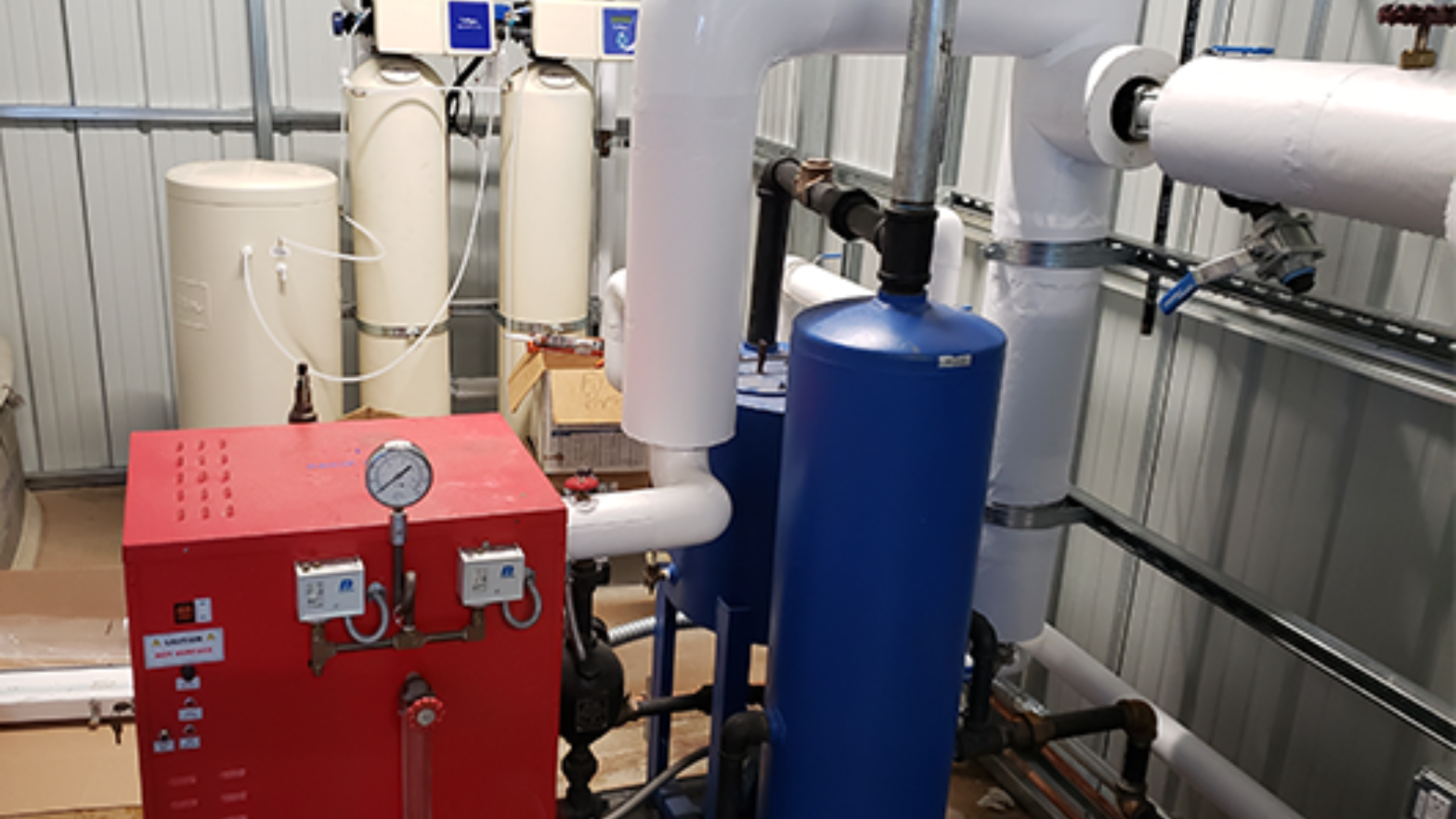
In modern manufacturing environments, sustainability is no longer defined by aspiration or policy statements alone. It is shaped by the systems we rely on every day. Waste reduction, environmental responsibility, and operational accountability now sit at the center of production decisions. The way waste is handled on the factory floor has a direct impact on environmental outcomes, workforce safety, regulatory exposure, and long-term resilience. Manufacturing creates momentum. Materials enter, products move forward, and waste accumulates as a natural byproduct of progress. Packaging, process residues, contaminated materials, and regulated waste streams move alongside finished goods. When these streams are unmanaged or loosely controlled, sustainability goals become fragile. When they are treated deliberately, sustainability becomes embedded in daily operations. This is where industrial sterilizers and compactors emerge as essential infrastructure rather than auxiliary equipment. They do not exist to solve isolated problems. They exist to stabilize systems. They neutralize hazards, reduce volume, and impose structure on waste flows that would otherwise expand unchecked. In this discussion, we explore how industrial sterilizers and compactors support sustainable manufacturing and waste reduction. We examine environmental impact, operational efficiency, compliance, cost control, and long-term sustainability outcomes. The focus remains grounded in real facilities, real constraints, and systems designed to endure. The Waste Challenges Facing Sustainable Manufacturing Every manufacturing facility produces waste, but not all waste behaves the same way. Dry packaging waste, such as cardboard and film, behaves differently from wet waste, regulated waste, or contaminated materials. These streams often coexist within a single facility, competing for space, attention, and resources. Contamination is one of the most persistent challenges. When waste streams mix, recyclability declines. Materials that could have been recovered become unusable. Sustainability efforts lose effectiveness long before waste reaches a landfill or recycler. Space limitations intensify the issue. Manufacturing footprints are designed for production, not storage. As waste accumulates, it encroaches on work areas, staging zones, and access paths. Temporary storage becomes permanent congestion. Movement slows. Safety margins narrow. Disposal inefficiencies compound the problem. Frequent hauling increases emissions and costs. Reactive handling disrupts workflows. Waste begins to dictate operational rhythm rather than support it. Unmanaged waste undermines sustainability at every level. Recycling programs falter. Environmental reporting becomes difficult. Operational performance suffers. This is why sustainable manufacturing requires integrated systems that treat waste responsibly and reduce its physical footprint at the source. The Role of Industrial Sterilizers in Sustainable Waste Processing Industrial sterilizers are engineered to address one of the most critical aspects of sustainable waste management: biological and hazardous risk. Their purpose is not simply to treat waste, but to neutralize the threat before it travels beyond the facility. By applying controlled heat, pressure, and time, sterilization systems render pathogens inactive. This transformation allows waste to be handled and disposed of with significantly reduced environmental and human risk. Hazardous materials become manageable. Exposure pathways are interrupted early. On-site sterilization plays a crucial role in sustainability because it prevents risk migration. Untreated waste transported off-site carries the possibility of leaks, spills, and accidental exposure. When sterilization occurs at the point of generation, those risks are contained. This approach reflects responsible waste management. It acknowledges that sustainability is not achieved by distancing risk, but by eliminating it through design. Industrial sterilizers reduce ecological impact by preventing contamination rather than attempting remediation after the fact. How Waste Compactors Reduce Volume and Resource Consumption Where sterilization addresses safety, waste compactors address scale. Their function is to reduce waste volume at the source, transforming loose materials into dense, stable units. Volume reduction has immediate spatial benefits. Waste occupies less floor area. Storage zones shrink. Production areas regain clarity. Movement becomes easier and more predictable. The impact extends beyond the facility. Reduced volume means fewer hauling trips. Transportation demand decreases. Fuel use drops. Emissions decline gradually but consistently. Over time, these reductions become measurable sustainability gains. Compaction also improves material handling efficiency. Dense loads are easier to manage. Spill risk decreases. Storage becomes intentional rather than improvised. Through these mechanisms, waste compactors contribute directly to waste reduction outcomes. They do not eliminate waste, but they reshape it into something manageable, predictable, and less resource-intensive. Supporting Recycling and Material Recovery Efforts Recycling depends on material quality. Contamination, inconsistency, and poor handling undermine recovery efforts before materials reach processing facilities. Industrial sterilizers and compactors improve recycling streams by imposing order. Sterilization reduces biological contamination, making materials safer for handling and sorting. Compaction organizes waste into consistent forms that support downstream processing. Reduced contamination increases the likelihood that materials remain recyclable. Clean cardboard stays clean. Plastics avoid cross-exposure. Recyclers receive inputs that are easier to process efficiently. These improvements support circular manufacturing practices. Waste becomes a recoverable resource rather than a terminal burden. Materials reenter production cycles instead of exiting them. Equipment-driven control replaces chance and improvisation. Improving Operational Efficiency Through Integrated Systems When sterilizers and compactors operate as isolated tools, their benefits are limited. When integrated into a unified waste handling strategy, their impact multiplies. Integrated systems create predictable processing cycles. Waste flows follow established paths. Scheduling aligns with production rhythms. Logistics stabilize. This predictability reduces disruptions on the production floor. Overflow becomes rare. Emergency handling declines. Employees focus on core tasks rather than waste crises. Operational efficiency supports sustainability because it conserves attention, energy, and resources. When systems work smoothly, sustainability stops feeling like an added burden and becomes part of normal operation. Enhancing Workplace Safety and Environmental Protection Waste that remains untreated or loosely managed creates persistent hazards. Pathogens, sharp objects, and unstable materials expose workers to injury and illness. Environmental harm often begins with small, unnoticed failures. Industrial sterilizers reduce exposure by neutralizing biological threats early. Waste compactors limit manual handling by consolidating waste movement and reducing contact frequency. Together, these systems lower spill risk, reduce lifting demands, and decrease exposure incidents. Safety improves not through enforcement, but through system design. Environmental protection follows the same principle. When waste is treated and contained, harm does not migrate outward. Soil, water, and air remain protected because risk is eliminated …
Apartment Trash Compactor: Why Every Multi-Unit Property Needs One
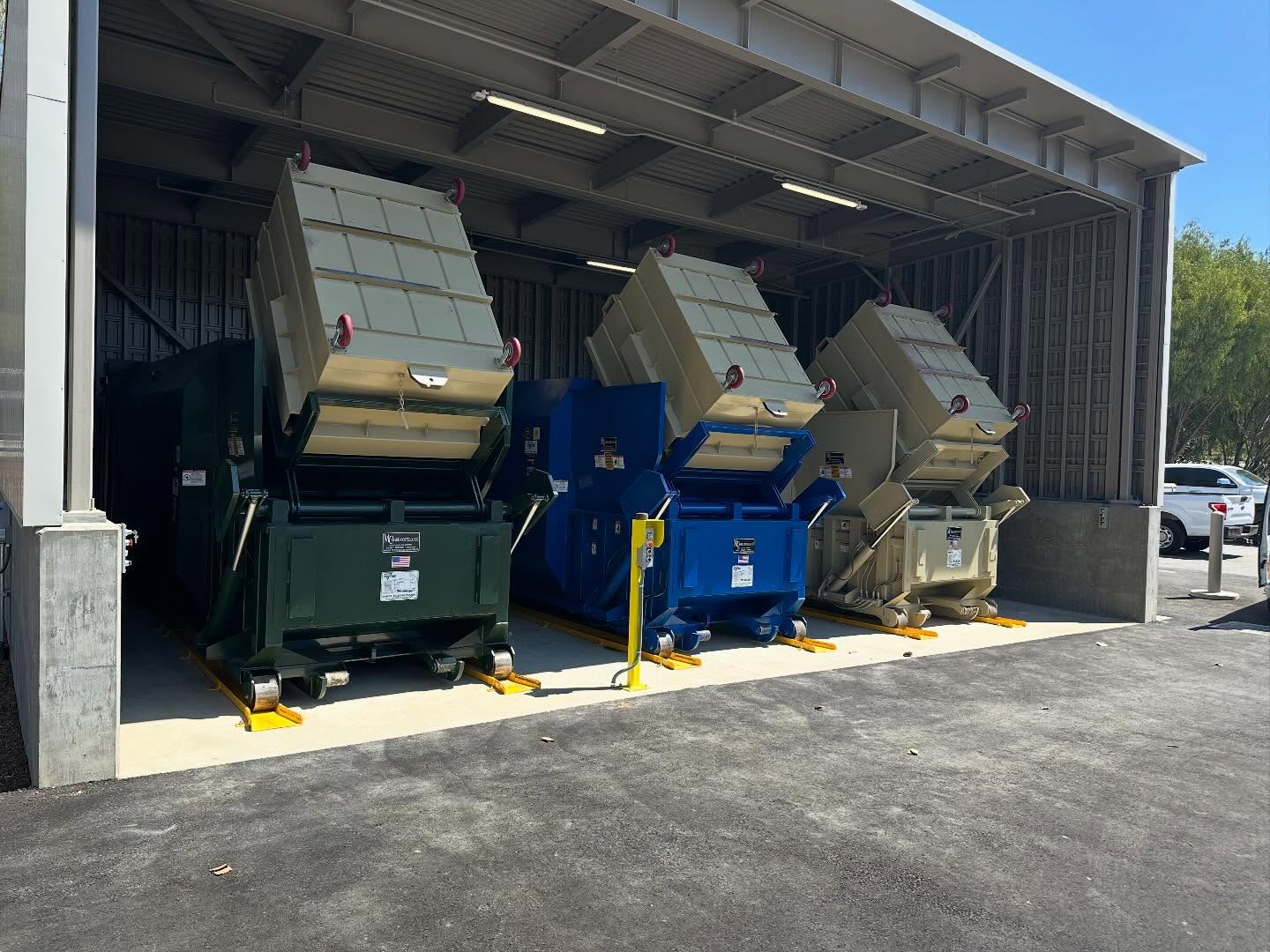
The handling of trash in multifamily properties has moved beyond being a behind-the-scenes maintenance task. In apartment-style properties, waste management now directly affects sanitation, safety, regulatory compliance, operating costs, and tenant perceptions of management quality. As building density increases, existing waste infrastructure is often pushed beyond its original capacity. Higher population density in multifamily properties results in increased trash generation not only inside units but also throughout common areas. Housing turnover introduces unpredictability in waste patterns, while municipalities continue to impose stricter standards related to overflow prevention, containment conditions, and pickup schedules. Within this context, the apartment trash compactor emerges not as an optional appliance but as essential infrastructure. It represents a shift away from labor-intensive waste handling toward engineered systems designed to support the realities of modern multi-unit living. Daily Waste Reality in Multi-Unit Properties Apartment communities generate waste at a scale and consistency that differ significantly from single-family neighborhoods. Dozens or even hundreds of households dispose of trash daily, including packaging, food waste, bulky items, and seasonal surges related to move-ins, holidays, and renovations. When waste control is inadequate, problems escalate quickly. Dumpsters fill faster than expected, trash accumulates outside containment areas, odors spread, and pests establish reliable food sources. These issues frustrate residents and increase the burden on maintenance teams, who must manage consequences rather than prevent them. Traditional dumpsters are often not designed to manage this level of demand. Without volume reduction, they reach capacity well before scheduled service, forcing properties into unplanned and inefficient responses. What an Apartment Trash Compactor Is Designed to Do Functional Purpose of Compaction An apartment trash compactor is designed to reduce the physical volume of waste while keeping it contained within a defined space. Through mechanical compaction, a significantly greater quantity of waste can be stored compared to standard dumpsters occupying the same footprint. Compaction changes how waste behaves operationally. Instead of frequent overflow, trash is consolidated. Instead of multiple disposal points, waste handling becomes centralized. Engineered Systems, Not Enlarged Bins Trash compactors are not simply larger trash containers. They are engineered systems that rely on controlled force, compatibility with hauling equipment, and proper installation and maintenance. Their effectiveness depends on system design rather than size alone. Space Efficiency in High-Density Residential Environments Land use is a constant challenge for apartment communities, especially in urban infill developments. Waste handling areas compete with parking, landscaping, pedestrian circulation, and amenity space. When waste areas expand due to multiple dumpsters or overflow zones, aesthetics and functionality suffer. Compactors reduce the number of dumpsters required by compressing waste volume. This allows properties to consolidate waste handling into a smaller, more controlled area with fewer access points for residents and haulers. Improved space utilization enhances traffic flow for service vehicles, reduces congestion near loading areas, and supports cleaner site planning. These benefits contribute to a property that functions more efficiently and appears better managed. Improved Sanitation and Odor Control Loose trash creates sanitation challenges in shared residential environments. Leaking bags release liquids, attract insects and rodents, and generate persistent odors. Once pests establish predictable access routes, remediation becomes costly and disruptive. Compaction mitigates these issues by enclosing waste more securely and minimizing air exposure. Sealed containers reduce odor transmission and limit pest entry points. This containment directly supports a hygienic environment for residents and staff. Well-managed waste areas also improve cleanliness in adjacent spaces. When trash zones remain controlled, maintenance demands decrease, and overall property hygiene improves. Cost Control Through Reduced Hauling Frequency Hauling expenses are among the highest recurring costs in waste management. Uncompressed waste fills dumpsters quickly, requiring frequent pickups that increase fuel use, hauling fees, and coordination effort. Apartment trash compactors reduce waste volume, allowing properties to extend pickup intervals without increasing risk. Over time, this leads to more predictable and manageable waste service costs. These savings represent operational efficiency rather than short-term cost-cutting. Fewer pickups also reduce on-site disruption, vehicle traffic, and wear on access roads and enclosures. Supporting Regulatory Compliance and Municipal Requirements Municipal waste regulations increasingly affect apartment operations. Many cities enforce standards related to overflow prevention, container condition, enclosure cleanliness, and service frequency. Overflowing dumpsters and improperly contained waste are common reasons for violations. These issues typically result from infrastructure that cannot handle actual waste volumes, rather than a lack of attention. Apartment trash compactors support compliance by controlling volume and containment. With fewer overflow incidents and more predictable service schedules, properties are better positioned to meet municipal requirements consistently. Safety Benefits for Residents and Maintenance Staff Overflowing dumpsters and unmanaged trash areas create physical hazards. Trash bags left on the ground may conceal sharp objects, create trip risks, or expose staff to contaminated materials during cleanup. Centralized compaction reduces the need for manual redistribution of waste. Trash is deposited into systems designed to handle volume safely, minimizing direct contact by maintenance staff. Safer waste systems lower liability for property owners and improve working conditions for employees. Over time, this contributes to fewer accidents and more stable operations. Enhancing Tenant Experience and Property Perception Trash disposal areas are among the most frequently used shared spaces in apartment communities, even though they are rarely highlighted in leasing materials. Residents interact with these areas daily. Clean, organized waste areas signal professionalism and care. Persistent overflow, odors, or disorganization contribute to resident dissatisfaction that often appears in reviews or renewal decisions. Apartment trash compactors support cleaner, more controlled waste environments. While residents may not focus on the system itself, they experience its impact every day. Environmental Impact and Waste Reduction Goals Environmental considerations are increasingly relevant in property management. Compacted waste reduces the number of hauling trips required, lowering fuel consumption and transportation emissions. Controlled waste systems also improve recycling effectiveness. Organized waste handling supports the separation of recyclable materials and reduces contamination, increasing diversion success. Modern properties face growing expectations related to environmental responsibility. Compaction supports these goals without requiring perfect behavior from every resident. Scalability for Growing or Renovated Properties Apartment communities evolve. Units are added, layouts change, …
Continue reading “Apartment Trash Compactor: Why Every Multi-Unit Property Needs One”