
Category Archives: Apartment Trash Compactors
Apartment Baler Solutions That Reduce Overflow Odors and Hauling Costs
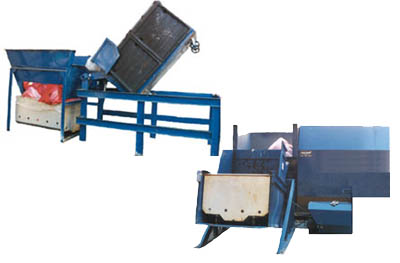
Apartment communities across the United States often face a common challenge: overflowing dumpsters and trash areas that emit unpleasant odors by midday. Residents, staff, and even neighbors can be frustrated by persistent smells, unsightly trash piles, and the constant need for intervention. Beyond the immediate inconvenience, poorly managed waste systems quietly drain property budgets through frequent hauling fees and emergency pickups. The financial and operational impact of inefficient waste management is more significant than many property managers realize, affecting everything from resident satisfaction to long-term property value. Fortunately, modern apartment baler solutions offer a practical answer. Engineered to control odors, reduce waste volume, and lower hauling costs, these systems are transforming how multi-family properties manage solid waste. From high-rise buildings in dense urban centers to sprawling suburban complexes, well-designed balers help communities maintain cleanliness while keeping operational costs in check. This blog explores the causes of overflow and odors, the types of baler systems available, and how smart Apartment Baler Solutions deliver measurable benefits for apartment managers and residents alike. Why Apartment Buildings Struggle With Overflow and Odors One of the primary reasons apartment trash areas overflow is poor waste volume control during peak disposal times. Residents generate concentrated loads of waste on specific days, often overwhelming traditional dumpster setups. Outdated balers that fail to compress efficiently exacerbate the problem, leaving containers partially empty yet unable to accommodate additional trash. Open or poorly sealed waste areas further compound the issue. Moisture trapped in exposed garbage accelerates decomposition and amplifies odors. In some cases, trash rooms are inadequately ventilated, creating a breeding ground for bacteria and pests. The consequences go beyond smell. Overflowing trash can invite rodents and insects, posing health and safety risks to residents. It can also affect resident retention, as the perception of cleanliness and hygiene plays a critical role in tenant satisfaction. Financially, overflow translates into recurring costs. Emergency hauling services are expensive, labor hours increase for managing trash areas, and repeated equipment repairs add to the burden. Without addressing the root cause, these recurring expenses quietly erode property budgets, month after month. How Apartment Balers Improve Cleanliness and Efficiency Apartment baler solutions are designed to tackle the very issues that traditional trash systems cannot. At the core of these solutions is effective waste compression, which can significantly reduce trash volume. By compacting waste multiple times over its original size, these systems minimize the frequency of pickups, allowing properties to handle more waste with fewer trips. Modern balers are enclosed and leak-resistant, keeping liquids contained and odors sealed away from residents. Many systems include ventilation or deodorizing options, further reducing unpleasant smells. Enclosed designs block air exposure, preventing rapid decomposition and pest attraction. For property managers, the operational benefits are clear: cleaner trash rooms, predictable hauling schedules, and reduced daily maintenance tasks. The result is a waste management system that is both cost-efficient and resident-friendly. Types of Apartment baler Systems Used Across the USA Apartment properties vary widely in size and waste generation, and so do the baler systems designed to serve them. Stationary balers are ideal for high-volume properties, including large apartment complexes and mixed-use buildings. These systems handle continuous waste flow efficiently, reducing the number of required hauling trips over time. Self-contained balers are particularly suitable for odor-sensitive areas. With built-in liquid containment, strong sealing, and integrated pest control features, they ensure enclosed trash rooms remain hygienic and odor-free. Vertical and chute-fed balers offer another solution, especially for high-rise apartments. Space-saving and highly efficient, these setups accelerate waste movement and compression while maintaining a clean environment for residents. Across all types, the goal remains the same: reduce hauling frequency, control odors, and maintain consistent cleanliness. By selecting the right system for a specific property, managers can achieve long-term operational efficiency and resident satisfaction. How Better Compaction Directly Reduces Hauling Costs Efficient compaction directly translates into financial savings. Fewer pickups each month mean lower fuel and transportation charges, while higher-density loads reduce the number of containers sent to landfills. Properly sealed balers also mitigate the risk of overflow penalties or emergency hauling fees, keeping waste volume within safe container limits. Durable, engineered systems offer additional long-term benefits. Well-designed balers reduce maintenance calls and deliver consistent performance year after year. By investing in quality systems, apartment managers can avoid the hidden costs associated with cheap, undersized, or poorly designed equipment. In the end, smart compaction is not only about reducing odors; it is an essential financial strategy for controlling ongoing waste management expenses. Odor Control Strategies That Actually Work Odor control is a critical consideration for apartment waste systems, and modern baler solutions integrate multiple strategies. Sealed containers prevent heat and air from accelerating decomposition while keeping liquids contained. Proper ventilation ensures airflow is routed effectively, while optional odor-neutralizing systems provide an extra layer of protection against persistent smells. Regular service and inspections are equally important. Hydraulic performance checks, seal and door integrity reviews, and preventative maintenance schedules ensure that baler systems remain fully functional and odor-free. By combining mechanical design with routine maintenance, apartment managers can create trash areas that remain clean and safe, even during peak disposal periods. How to Choose the Right Apartment Balers Solutions Selecting the right system begins with assessing property size and daily waste volume. Factors such as the number of residents, commercial tenants, and seasonal usage spikes influence the required capacity. Space layout and access points, including indoor versus outdoor placement, truck clearance, and chute integration, are equally critical. Local hauling costs and regulations also play a role. Pickup frequency, environmental compliance, recycling integration, and long-term operating goals should be considered when evaluating potential systems. Properties aiming for reduced costs, higher cleanliness standards, and sustainable operations will benefit from engineered solutions that prioritize performance, durability, and odor control. Common Mistakes That Lead to Overflow and High Costs Despite the availability of advanced solutions, some property managers continue to make mistakes that increase expenses and sanitation problems. Choosing balers based solely on price, rather than capacity and performance, often results …
Continue reading “Apartment Baler Solutions That Reduce Overflow Odors and Hauling Costs”
Apartment Compactor Solutions That Reduce Overflow Odors and Hauling Costs
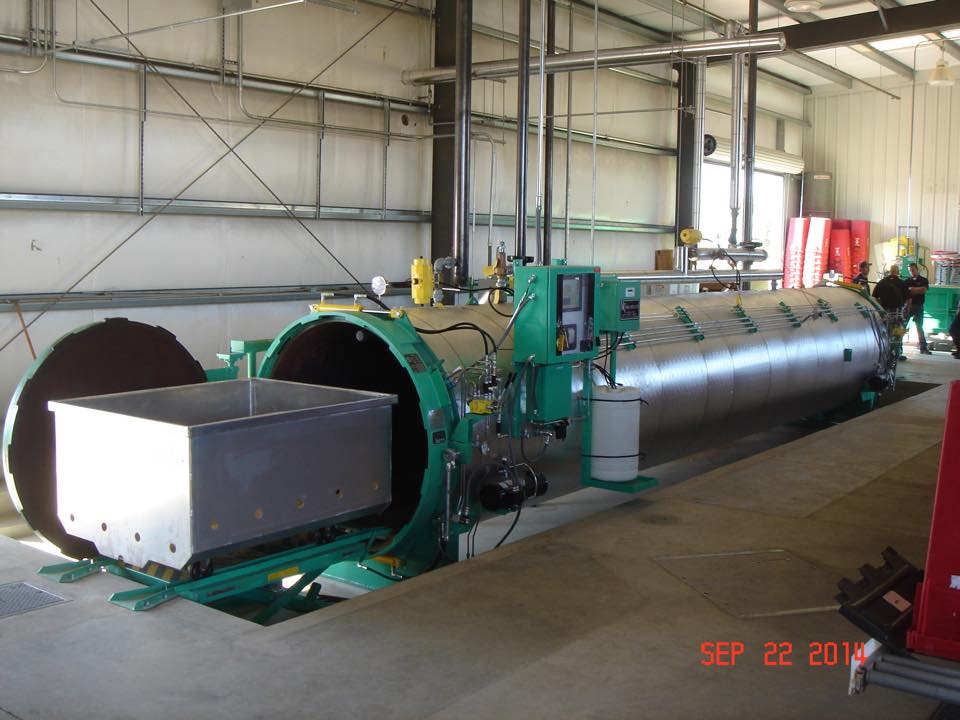
Apartment communities across the United States often face a common challenge: overflowing dumpsters and trash areas that emit unpleasant odors by midday. Residents, staff, and even neighbors can be frustrated by persistent smells, unsightly trash piles, and the constant need for intervention. Beyond the immediate inconvenience, poorly managed waste systems quietly drain property budgets through frequent hauling fees and emergency pickups. The financial and operational impact of inefficient waste management is more significant than many property managers realize, affecting everything from resident satisfaction to long-term property value. Fortunately, modern apartment compactor solutions offer a practical answer. Engineered to control odors, reduce waste volume, and lower hauling costs, these systems are transforming how multi-family properties manage solid waste. From high-rise buildings in dense urban centers to sprawling suburban complexes, well-designed compactors help communities maintain cleanliness while keeping operational costs in check. This blog explores the causes of overflow and odors, the types of compactor systems available, and how smart Apartment Compactor Solutions deliver measurable benefits for apartment managers and residents alike. Why Apartment Buildings Struggle With Overflow and Odors One of the primary reasons apartment trash areas overflow is poor waste volume control during peak disposal times. Residents generate concentrated loads of waste on specific days, often overwhelming traditional dumpster setups. Outdated compactors that fail to compress efficiently exacerbate the problem, leaving containers partially empty yet unable to accommodate additional trash. Open or poorly sealed waste areas further compound the issue. Moisture trapped in exposed garbage accelerates decomposition and amplifies odors. In some cases, trash rooms are inadequately ventilated, creating a breeding ground for bacteria and pests. The consequences go beyond smell. Overflowing trash can invite rodents and insects, posing health and safety risks to residents. It can also affect resident retention, as the perception of cleanliness and hygiene plays a critical role in tenant satisfaction. Financially, overflow translates into recurring costs. Emergency hauling services are expensive, labor hours increase for managing trash areas, and repeated equipment repairs add to the burden. Without addressing the root cause, these recurring expenses quietly erode property budgets, month after month. How Apartment Compactor Solutions Improve Cleanliness and Efficiency Apartment compactor solutions are designed to tackle the very issues that traditional trash systems cannot. At the core of these solutions is effective waste compression, which can significantly reduce trash volume. By compacting waste multiple times over its original size, these systems minimize the frequency of pickups, allowing properties to handle more waste with fewer trips. Modern compactors are enclosed and leak-resistant, keeping liquids contained and odors sealed away from residents. Many systems include ventilation or deodorizing options, further reducing unpleasant smells. Enclosed designs block air exposure, preventing rapid decomposition and pest attraction. For property managers, the operational benefits are clear: cleaner trash rooms, predictable hauling schedules, and reduced daily maintenance tasks. The result is a waste management system that is both cost-efficient and resident-friendly. Types of Apartment Compactor Systems Used Across the USA Apartment properties vary widely in size and waste generation, and so do the compactor systems designed to serve them. Stationary compactors are ideal for high-volume properties, including large apartment complexes and mixed-use buildings. These systems handle continuous waste flow efficiently, reducing the number of required hauling trips over time. Self-contained compactors are particularly suitable for odor-sensitive areas. With built-in liquid containment, strong sealing, and integrated pest control features, they ensure enclosed trash rooms remain hygienic and odor-free. Vertical and chute-fed compactors offer another solution, especially for high-rise apartments. Space-saving and highly efficient, these setups accelerate waste movement and compression while maintaining a clean environment for residents. Across all types, the goal remains the same: reduce hauling frequency, control odors, and maintain consistent cleanliness. By selecting the right system for a specific property, managers can achieve long-term operational efficiency and resident satisfaction. How Better Compaction Directly Reduces Hauling Costs Efficient compaction directly translates into financial savings. Fewer pickups each month mean lower fuel and transportation charges, while higher-density loads reduce the number of containers sent to landfills. Properly sealed compactors also mitigate the risk of overflow penalties or emergency hauling fees, keeping waste volume within safe container limits. Durable, engineered systems offer additional long-term benefits. Well-designed compactors reduce maintenance calls and deliver consistent performance year after year. By investing in quality systems, apartment managers can avoid the hidden costs associated with cheap, undersized, or poorly designed equipment. In the end, smart compaction is not only about reducing odors; it is an essential financial strategy for controlling ongoing waste management expenses. Odor Control Strategies That Actually Work Odor control is a critical consideration for apartment waste systems, and modern compactor solutions integrate multiple strategies. Sealed containers prevent heat and air from accelerating decomposition while keeping liquids contained. Proper ventilation ensures airflow is routed effectively, while optional odor-neutralizing systems provide an extra layer of protection against persistent smells. Regular service and inspections are equally important. Hydraulic performance checks, seal and door integrity reviews, and preventative maintenance schedules ensure that compactor systems remain fully functional and odor-free. By combining mechanical design with routine maintenance, apartment managers can create trash areas that remain clean and safe, even during peak disposal periods. How to Choose the Right Apartment Compactor Solutions Selecting the right system begins with assessing property size and daily waste volume. Factors such as the number of residents, commercial tenants, and seasonal usage spikes influence the required capacity. Space layout and access points, including indoor versus outdoor placement, truck clearance, and chute integration, are equally critical. Local hauling costs and regulations also play a role. Pickup frequency, environmental compliance, recycling integration, and long-term operating goals should be considered when evaluating potential systems. Properties aiming for reduced costs, higher cleanliness standards, and sustainable operations will benefit from engineered solutions that prioritize performance, durability, and odor control. Common Mistakes That Lead to Overflow and High Costs Despite the availability of advanced solutions, some property managers continue to make mistakes that increase expenses and sanitation problems. Choosing compactors based solely on price, rather than capacity and performance, often …
Continue reading “Apartment Compactor Solutions That Reduce Overflow Odors and Hauling Costs”
Apartment Trash Compactor: Why Every Multi-Unit Property Needs One
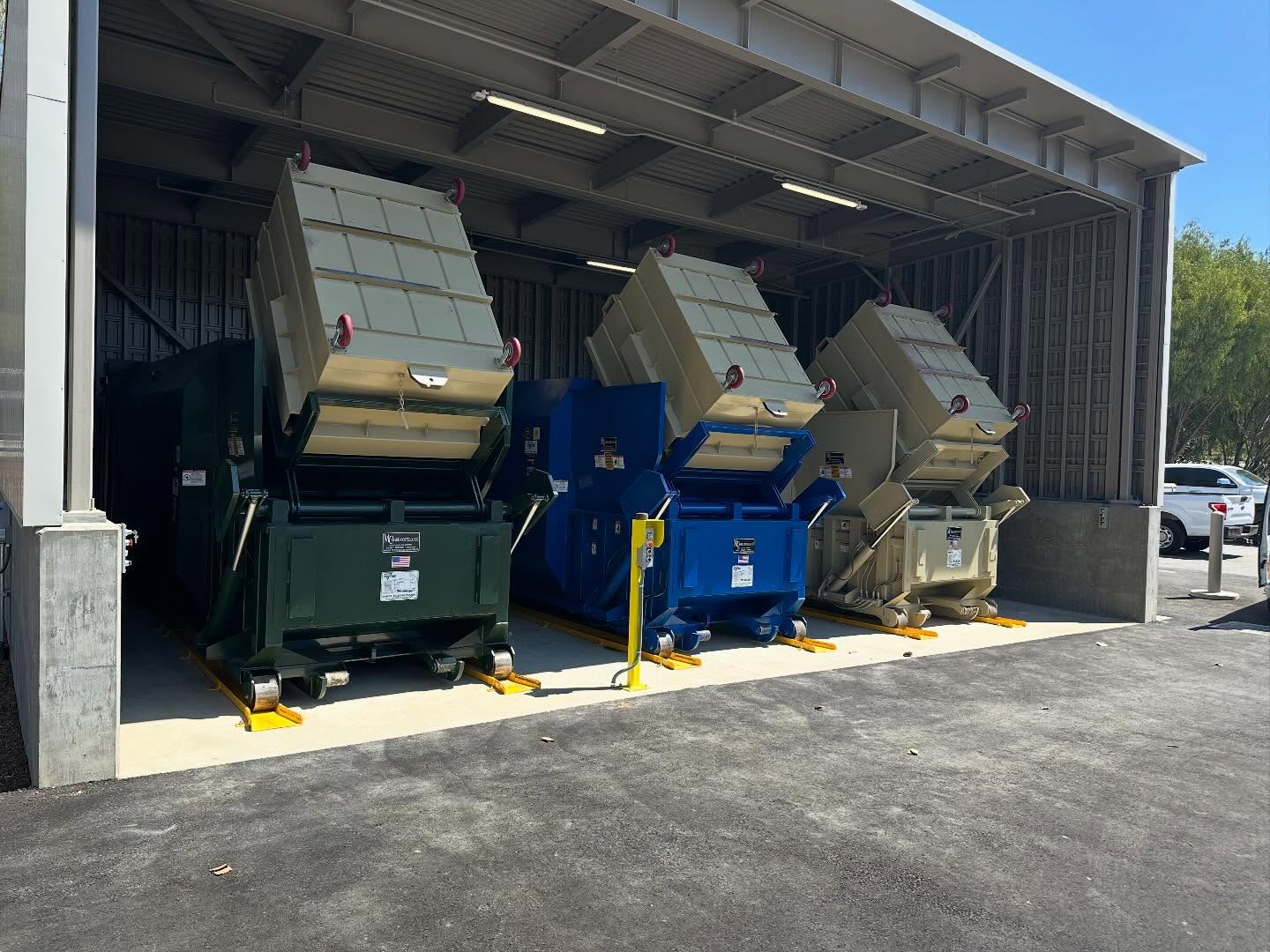
The handling of trash in multifamily properties has moved beyond being a behind-the-scenes maintenance task. In apartment-style properties, waste management now directly affects sanitation, safety, regulatory compliance, operating costs, and tenant perceptions of management quality. As building density increases, existing waste infrastructure is often pushed beyond its original capacity. Higher population density in multifamily properties results in increased trash generation not only inside units but also throughout common areas. Housing turnover introduces unpredictability in waste patterns, while municipalities continue to impose stricter standards related to overflow prevention, containment conditions, and pickup schedules. Within this context, the apartment trash compactor emerges not as an optional appliance but as essential infrastructure. It represents a shift away from labor-intensive waste handling toward engineered systems designed to support the realities of modern multi-unit living. Daily Waste Reality in Multi-Unit Properties Apartment communities generate waste at a scale and consistency that differ significantly from single-family neighborhoods. Dozens or even hundreds of households dispose of trash daily, including packaging, food waste, bulky items, and seasonal surges related to move-ins, holidays, and renovations. When waste control is inadequate, problems escalate quickly. Dumpsters fill faster than expected, trash accumulates outside containment areas, odors spread, and pests establish reliable food sources. These issues frustrate residents and increase the burden on maintenance teams, who must manage consequences rather than prevent them. Traditional dumpsters are often not designed to manage this level of demand. Without volume reduction, they reach capacity well before scheduled service, forcing properties into unplanned and inefficient responses. What an Apartment Trash Compactor Is Designed to Do Functional Purpose of Compaction An apartment trash compactor is designed to reduce the physical volume of waste while keeping it contained within a defined space. Through mechanical compaction, a significantly greater quantity of waste can be stored compared to standard dumpsters occupying the same footprint. Compaction changes how waste behaves operationally. Instead of frequent overflow, trash is consolidated. Instead of multiple disposal points, waste handling becomes centralized. Engineered Systems, Not Enlarged Bins Trash compactors are not simply larger trash containers. They are engineered systems that rely on controlled force, compatibility with hauling equipment, and proper installation and maintenance. Their effectiveness depends on system design rather than size alone. Space Efficiency in High-Density Residential Environments Land use is a constant challenge for apartment communities, especially in urban infill developments. Waste handling areas compete with parking, landscaping, pedestrian circulation, and amenity space. When waste areas expand due to multiple dumpsters or overflow zones, aesthetics and functionality suffer. Compactors reduce the number of dumpsters required by compressing waste volume. This allows properties to consolidate waste handling into a smaller, more controlled area with fewer access points for residents and haulers. Improved space utilization enhances traffic flow for service vehicles, reduces congestion near loading areas, and supports cleaner site planning. These benefits contribute to a property that functions more efficiently and appears better managed. Improved Sanitation and Odor Control Loose trash creates sanitation challenges in shared residential environments. Leaking bags release liquids, attract insects and rodents, and generate persistent odors. Once pests establish predictable access routes, remediation becomes costly and disruptive. Compaction mitigates these issues by enclosing waste more securely and minimizing air exposure. Sealed containers reduce odor transmission and limit pest entry points. This containment directly supports a hygienic environment for residents and staff. Well-managed waste areas also improve cleanliness in adjacent spaces. When trash zones remain controlled, maintenance demands decrease, and overall property hygiene improves. Cost Control Through Reduced Hauling Frequency Hauling expenses are among the highest recurring costs in waste management. Uncompressed waste fills dumpsters quickly, requiring frequent pickups that increase fuel use, hauling fees, and coordination effort. Apartment trash compactors reduce waste volume, allowing properties to extend pickup intervals without increasing risk. Over time, this leads to more predictable and manageable waste service costs. These savings represent operational efficiency rather than short-term cost-cutting. Fewer pickups also reduce on-site disruption, vehicle traffic, and wear on access roads and enclosures. Supporting Regulatory Compliance and Municipal Requirements Municipal waste regulations increasingly affect apartment operations. Many cities enforce standards related to overflow prevention, container condition, enclosure cleanliness, and service frequency. Overflowing dumpsters and improperly contained waste are common reasons for violations. These issues typically result from infrastructure that cannot handle actual waste volumes, rather than a lack of attention. Apartment trash compactors support compliance by controlling volume and containment. With fewer overflow incidents and more predictable service schedules, properties are better positioned to meet municipal requirements consistently. Safety Benefits for Residents and Maintenance Staff Overflowing dumpsters and unmanaged trash areas create physical hazards. Trash bags left on the ground may conceal sharp objects, create trip risks, or expose staff to contaminated materials during cleanup. Centralized compaction reduces the need for manual redistribution of waste. Trash is deposited into systems designed to handle volume safely, minimizing direct contact by maintenance staff. Safer waste systems lower liability for property owners and improve working conditions for employees. Over time, this contributes to fewer accidents and more stable operations. Enhancing Tenant Experience and Property Perception Trash disposal areas are among the most frequently used shared spaces in apartment communities, even though they are rarely highlighted in leasing materials. Residents interact with these areas daily. Clean, organized waste areas signal professionalism and care. Persistent overflow, odors, or disorganization contribute to resident dissatisfaction that often appears in reviews or renewal decisions. Apartment trash compactors support cleaner, more controlled waste environments. While residents may not focus on the system itself, they experience its impact every day. Environmental Impact and Waste Reduction Goals Environmental considerations are increasingly relevant in property management. Compacted waste reduces the number of hauling trips required, lowering fuel consumption and transportation emissions. Controlled waste systems also improve recycling effectiveness. Organized waste handling supports the separation of recyclable materials and reduces contamination, increasing diversion success. Modern properties face growing expectations related to environmental responsibility. Compaction supports these goals without requiring perfect behavior from every resident. Scalability for Growing or Renovated Properties Apartment communities evolve. Units are added, layouts change, …
Continue reading “Apartment Trash Compactor: Why Every Multi-Unit Property Needs One”