Blog
Why International Waste Management Paramount Services Are Becoming Essential in 2026
In 2026, waste management will no longer be seen as a behind-the-scenes facility operation. It will be recognized as a strategic control point that impacts public health, business continuity, regulatory risks, and sustainable performance. This shift will not be driven by a single new bylaw or a sudden technological breakthrough. Instead, it will reflect a convergence of factors that have developed over many years and are now occurring simultaneously across borders. Population growth and increasing urban density have altered the fundamental dynamics of waste generation. As cities become more crowded, waste volume per square mile rises while available disposal space declines. Expanded healthcare systems have added new streams of regulated waste, increased pickup frequency, and tightened infection-control standards. International trade has further complicated the picture, as raw materials and finished goods cross multiple borders before becoming waste, and once they do, they remain embedded in supply chain documentation and liability trails. In this reality, international waste management paramount services represent pragmatism rather than branding. The term “paramount” reflects necessity. Failures that once affected a single facility or city now carry consequences that span regions, regulatory bodies, and supply chains. The Increasing Complexity of Waste Streams Cross-Border Modern Waste Is No Longer Singular Waste today cannot be categorized simply as trash. A single facility may generate industrial byproducts, packaging, plastics, organics, electronics, batteries, chemical residues, and medical waste within the same operating day. Globalized supply chains amplify this complexity, with components manufactured in one region, assembled in another, stored across logistics hubs, and eventually treated or disposed of elsewhere. Why Fragmented Local Solutions Fail Local waste solutions assume a linear and contained chain of custody. This assumption breaks down when waste originates in one country, is consolidated in another, and processed under a third jurisdiction’s laws. Even when individual service providers perform well, system-level failures emerge without centralized oversight. Documentation gaps, classification errors, and traceability failures often appear precisely at these intersections. Systemized Oversight and Traceability International waste management paramount services function as a connective framework across the waste lifecycle. This includes segregation at the point of generation, containment and storage, transportation, processing, and verification. Traceability is the unifying element that enables accountability across all stages. Tougher Global Regulations and the Call for Unified Waste Solutions Expanding Regulatory Scope Environmental compliance increasingly incorporates lifecycle assessment. Regulators and auditors examine not only disposal methods but also classification accuracy, recycling potential, cross-border shipment compliance, and downstream facility standards. Health and safety regulations have simultaneously strengthened protections for workers exposed to hazardous, infectious, or flammable materials. The Risk of Regulatory Fragmentation Multinational organizations face heightened risk because regulatory frameworks are not harmonized globally. Definitions, reporting requirements, and timelines vary by jurisdiction. Materials classified as hazardous in one country may not be treated the same elsewhere. These discrepancies increase the likelihood of shipment delays, rejected loads, facility shutdowns, or contract invalidation. Compliance Continuity Through Unified Systems Unified waste solutions mitigate these risks by embedding compliance continuity into operating models. International waste management paramount services emphasize standardized training, containerization, vendor selection, documentation, and exception handling. Regulators increasingly look for evidence of systems rather than fragmented compliance efforts. Healthcare and Biological Waste Pressures with Global Health Expansion Permanent Growth in Regulated Medical Waste Healthcare capacity expansion has not reverted to pre-pandemic levels. Investments in clinical care, diagnostics, home health, and public health infrastructure have permanently increased regulated biomedical waste volumes. Increased testing, disposable supplies, personal protective equipment, sharps, and contaminated materials have expanded handling frequency and risk exposure. Legal and Supply Chain Implications Improper handling of infectious waste now carries legal and international implications. Waste incidents may be traceable through global supply chains, making documentation failures as consequential as physical handling errors. Accountability now extends beyond the originating facility. Standardization as Risk Reduction International waste management essential services aim to reduce variability through measurable, consistent processes. Standardized practices simplify audits, improve training clarity, and reduce risk exposure across patients, staff, transporters, and processors. Industrial Expansion and the Emergence of High-Volume Engineered Wastes Increased Density and Complexity of Industrial Waste Automation and industrial growth generate denser and more complex waste streams. These include production scrap, metal shavings, chemical residues, contaminated absorbents, and construction debris from infrastructure expansion. Waste as an Integrated Production Flow When waste management is treated as an afterthought, it becomes a bottleneck that slows operations and increases safety and compliance risk. When integrated into production workflows, waste handling becomes a managed flow through compaction, baling, staging, and removal. Waste Infrastructure as Operational Backbone In this context, international waste management services function as infrastructure rather than secondary contracts. International waste management critical services ensure equipment capability, process alignment, and compliance consistency across sites, preventing operational breakpoints in global manufacturing and logistics networks. Sustainability Mandates and the Transition from Disposal to Recovery From Claims to Measurable Outcomes Sustainability expectations in 2026 will emphasize measurable performance over broad claims. Organizations are expected to report waste reduction, diversion rates, contamination control, and material recovery outcomes. Waste management is a visible, auditable intersection of policy and reporting. The Challenge of Global Consistency Multinational organizations require consistent waste metrics across regions. Variability in definitions, measurement methods, and reporting structures undermines data integrity and exposes organizations to regulatory and reputational risk. Standardized Reporting Frameworks International waste management support services provide shared definitions, measurement standards, and documentation frameworks. These systems allow regional data to roll up into global reporting structures without distortion. Risk Mitigation and Operational Vulnerability Waste as an Operational Risk Factor Poorly managed waste creates sanitation hazards, pest issues, contamination risks, and workflow disruptions. Overflow can block loading bays, congest corridors, and consume valuable floor space, often during peak operational periods. The Cost of Decentralized Systems Decentralized waste handling increases downtime risk. Facilities such as hospitals, factories, and logistics hubs depend on predictable flows. Manual handling increases labor demands and injury risk, while inconsistent documentation compromises compliance records. Predictability Through Integrated Systems Integrated international waste systems reduce reliance on reactive responses. International waste management services emphasize right-sized equipment, defined pickup …
Why Medical Waste Autoclaves Are the Safest Choice for Sterilization

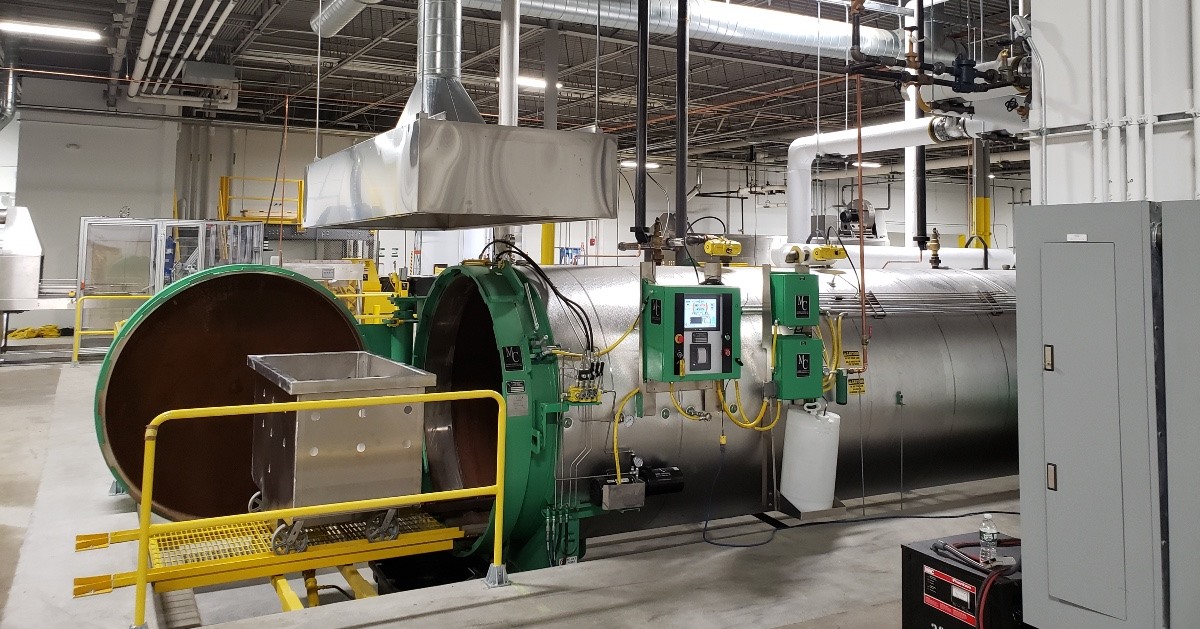
Sterilization as a Non-Negotiable Safety Criterion Sterilization holds a central role in healthcare waste management because it directly determines the level of biological risk waste poses after leaving a controlled medical environment. Before medical waste can be transported or disposed of, it must be rendered non-infectious. This requirement is not theoretical. It is a frontline safety measure essential to protecting healthcare workers, waste handlers, and surrounding communities. Over the past decade, the volume of regulated medical waste has steadily increased due to expanded healthcare access, greater reliance on single-use medical supplies, and heightened infection-control standards. As waste volumes have risen, expectations for sterilization effectiveness have risen as well. Healthcare facilities are now evaluated on proven outcomes rather than intent alone, requiring demonstrable evidence that biological hazards have been eliminated. Within this context, medical waste autoclaves have evolved into safety-critical systems rather than convenience-based equipment. Their role extends beyond waste processing to establishing confidence through controlled, measurable, and verifiable sterilization outcomes. Understanding the Risks of Untreated Medical Waste Biological Hazards in Untreated Waste Untreated medical waste presents multiple biological hazards. Infectious waste may contain bacteria, viruses, and other pathogens capable of surviving outside the body for extended periods. Pathological waste introduces additional tissue-based risks, while sharps pose both physical injury and disease transmission threats. Exposure Risks Across the Waste Chain The consequences of exposure extend beyond healthcare professionals. Environmental services staff, transport workers, and waste processing personnel are all part of the exposure chain. Needle-stick injuries, contamination events, and occupational infections can occur at any point. Communities may also be impacted if untreated waste enters the environment due to handling errors or system failures. The Need for Reliable Sterilization Technology Because uncertainty in sterilization creates unacceptable risk, dependable treatment technology is essential. A method that cannot reliably destroy pathogens or demonstrate effectiveness cannot support safe healthcare waste management. What a Medical Waste Autoclave Is and How It Works Definition and Core Function A medical waste autoclave is a sterilization system that uses pressurized steam at defined temperatures and exposure times to inactivate microorganisms present in medical waste. The combined effects of heat, moisture, and pressure neutralize biological hazards. Operational Process Waste is loaded into a sealed chamber where steam is introduced. Temperature and pressure are raised to levels proven to destroy bacteria, viruses, and spores, and maintained for a validated duration. The sealed, controlled environment ensures consistent treatment throughout the waste load. Controlled and Verifiable Sterilization Autoclave-based treatment is distinguished by its measurability, repeatability, and verifiability. These characteristics have sustained its role as a foundational sterilization method in healthcare settings. Why Steam Sterilization Is Scientifically Reliable Principles of Heat Transfer and Microbial Destruction Steam sterilization is grounded in established microbiological and thermodynamic principles. Moist heat transfers energy more effectively than dry heat, allowing steam to penetrate porous and irregular materials. As steam condenses, it releases latent heat that rapidly denatures microbial proteins. Validation and Process Monitoring The effectiveness of steam sterilization is confirmed through biological indicators and continuous monitoring of time, temperature, and pressure parameters. This validation ensures the destruction of even resistant organisms such as bacterial spores. Evidence-Based Safety Outcomes Because autoclaves rely on validated, evidence-based processes, they are regarded as systems that deliver proven safety outcomes rather than hypothetical risk reduction. Comparing Autoclaves to Other Sterilization Methods Alternative Treatment Technologies Other medical waste treatment options include chemical disinfection, microwave processing, and high-temperature incineration. Each presents limitations related to safety, consistency, environmental impact, or regulatory complexity. Limitations of Alternative Approaches Chemical methods depend on precise dosing and contact time. Microwave systems may struggle with uneven heating in dense or irregular waste loads. Incineration raises concerns related to emissions and community acceptance. Why Autoclaves Remain Preferred While alternatives may be effective under specific conditions, autoclaves rely on a widely accepted, well-understood process with fewer variables. When properly designed and operated, they consistently meet safety and compliance expectations without added complexity. Regulatory Acceptance and Compliance Advantages Alignment With Regulatory Expectations Regulatory bodies favor sterilization methods that provide verifiable evidence of effectiveness. Autoclaves generate measurable records of temperature, pressure, and exposure time that support compliance reviews. Documentation as Proof of Compliance Compliance requires not only meeting treatment standards but proving that each load achieved sterilization. Autoclaves convert sterilization from an assumed outcome into a documented event. Widespread Regulatory Adoption This alignment with regulatory expectations has made medical waste autoclaves widely adopted across healthcare and waste treatment environments. Environmental and Community Safety Benefits Reduced Environmental Impact Steam-based sterilization avoids combustion-related emissions and does not generate byproducts requiring complex pollution control systems. This simplifies environmental management and regulatory explanation. Community Acceptance Lower emissions support acceptance in communities where healthcare and waste facilities operate near residential areas. Autoclaves reduce biological risk without introducing new environmental concerns. Balancing Safety and Sustainability For organizations pursuing both safety and environmental responsibility, autoclaves offer a balanced and defensible solution. Operational Safety for Healthcare and Waste Personnel Reduced Manual Handling Autoclave systems minimize handling of untreated waste by enclosing materials during processing. Automation further reduces human error and exposure. Containment and Safety Controls Sealed chambers, interlocks, and cycle controls prevent access until safe conditions are restored. These features minimize risks associated with spills, splashes, and aerosolization. Safety as an Engineered Outcome Autoclave design directly supports personnel protection, reinforcing safety as a system-level function rather than a reliance on individual behavior. Consistency and Reliability in High-Volume Waste Processing Managing Continuous Waste Generation Healthcare facilities generate waste continuously, with volumes fluctuating based on patient demand and operational activity. Sterilization systems must accommodate these variations without compromising treatment quality. Reliable Performance Under Load Autoclaves operate on predefined cycles that deliver consistent results across varying loads. Properly sized systems maintain sterilization effectiveness even during peak volume periods. Reliability as a Safety Attribute Consistent system performance reduces the risk of backlog, rushed processing, or deviations from protocol that increase exposure risk. Documentation, Monitoring, and Traceability The Requirement for Proof Effective medical waste management requires documented proof of sterilization rather than verbal assurance. Autoclaves generate detailed …
Continue reading “Why Medical Waste Autoclaves Are the Safest Choice for Sterilization”
Choosing the Right Medical Waste Services in Paramount for Compliance & Safety
The Significance of Increased Stakes in Decisions on Medical Waste Managing medical waste is no longer considered a behind-the-scenes facilities issue. In healthcare environments, waste characterization, containment, transportation, recordkeeping, and processing directly affect worker safety, patient protection, regulatory exposure, and public trust. A single failure can trigger multiple consequences, including injuries caused by overflowing sharps containers, missed pickups that disrupt clinical operations, or audit deficiencies that force corrective action under strict timelines due to incomplete documentation. Facilities in Paramount operate under heightened expectations for handling infectious and hazardous substances. This responsibility extends beyond hospitals to urgent care centers, dental offices, veterinary clinics, medical laboratories, ambulatory surgery centers, long-term care facilities, and certain research and industrial operations. In this regulatory environment, good intentions alone are not a safeguard. Systems and documentation determine compliance outcomes. For this reason, decisions regarding medical waste services in Paramount carry significantly more weight than many organizations assume. Unlike routine operational purchases, medical waste services represent a risk-management decision that should be evaluated based on compliance capability, safety design, documentation discipline, and operational reliability. Understanding What Constitutes Medical Waste Based on Current Regulations Misclassification as a Primary Compliance Risk Misclassification remains one of the most common causes of compliance failures. Facilities may assume that anything appearing medical is regulated waste or that anything placed in a red bag qualifies as regulated material. In reality, medical waste is defined by statute, and those definitions govern container requirements, treatment methods, and tracking obligations. Medical Waste Categories Under California Law Under the California Medical Waste Management Act, medical waste is categorized into specific streams, including biohazardous waste, pathological waste, pharmaceutical waste, trace chemotherapy waste, and sharps as a distinct category. The Dual Risk of Misclassification Misclassification creates two simultaneous risks. Over-classification increases handling costs and operational complexity. Under-classification introduces exposure and enforcement risk when regulated waste enters general trash, recycling, or municipal disposal streams. Cascading Compliance Failures When waste categories are incorrect, container selection becomes incorrect. Improper containers lead to labeling errors, which then disrupt staff behavior and transport requirements. Medical waste services in Paramount provide value by helping facilities define each waste stream clearly and translate those definitions into repeatable workflows. Local, State, and Federal Compliance Requirements in Paramount Overlapping Regulatory Frameworks Medical waste compliance rarely falls under a single authority. Facilities in Paramount face overlapping requirements from local enforcement agencies, California state regulations, and federal worker safety and transportation standards. Generator registration and oversight vary based on waste type and volume. Compliance Failures at Regulatory Intersections Many failures occur where regulations overlap. A facility may have acceptable internal segregation but insufficient documentation for inspectors. It may meet state waste standards but fall short of federal worker safety requirements related to sharps handling under OSHA Bloodborne Pathogens rules. The Role of the Service Provider Relationship The relationship between the facility and its service provider is critical. Well-structured medical waste services in Paramount help translate layered regulatory obligations into an integrated compliance system rather than isolated rules. Safety Risks Associated With Improper Medical Waste Handling Real-World Safety Consequences Improper medical waste handling creates real safety hazards. Sharps injuries can transmit infection. Leaking bags or open containers can contaminate hallways, loading areas, and storage spaces. Poor segregation exposes housekeeping and waste staff to materials they are not trained to handle. Even when exposure is contained, response procedures are disruptive and costly. Safety as a System Design Outcome Safety success depends more on service design than surface-level procedures. Without proper containers, staff improvise. Without consistent pickup schedules, overflow occurs. Generic training fails to address edge cases such as controlled substances or pharmaceutical remnants. California program guidance emphasizes that containment, labeling, and segregation are fundamental safety controls, not optional steps. Designing for Safe Behavior Effective medical waste services make safe behavior the easiest option by controlling how waste moves through the facility and how it is prepared for pickup. Waste Segregation and Site-Specific Handling Assessment The Point of Generation Determines Risk Medical waste risk is determined at the moment of disposal. If waste is improperly handled in exam rooms, laboratories, or procedure areas, no downstream service can eliminate the exposure created. Core Elements of Effective Segregation Effective segregation depends on container availability at the point of use, clear labeling that support staff can understand, and internal transport systems that prevent spills and contamination. Sharps containers must support injury prevention, proper closure, and safe fill levels. System Design Over Chance High-quality medical waste services in Paramount support facilities by designing waste systems that do not rely on chance or individual judgment for proper segregation. Transportation, Tracking, and Chain-of-Custody Accountability Transportation as a High-Risk Stage Transportation is one of the most regulated stages of medical waste management because waste leaves the controlled facility environment and enters a broader chain involving drivers, transfer points, and treatment facilities. Traceability becomes essential at this stage. Chain-of-Custody as an Operating Principle Chain-of-custody records document what waste was removed, when it left, where it was transported, and how it was treated or disposed of. These records form the basis of accountability. Evaluating Transport Controls Gaps during transportation can undermine otherwise compliant internal systems. Medical waste services in Paramount should be evaluated on tracking methods, handling of rejected loads or damaged containers, and response time for audit documentation. Treatment and Processing Standards for Regulated Medical Waste Treatment as a Safety Function Treatment is not simply disposal. It is a safety and compliance function designed to reduce infectivity, manage volume, and render waste non-infectious through validated sterilization and treatment technologies. Matching Treatment to Waste Streams Treatment technology affects environmental impact, regulatory risk, and operating cost. High-volume generators require predictable processing without backlog. Facilities producing specialized waste streams require category-specific treatment rather than one-size-fits-all solutions. Evaluating Treatment Consistency When selecting medical waste services in Paramount, facilities should understand how treatment decisions are made, how results are documented, and how consistency between operational promises and execution is maintained. Environmental and Social Responsibility Considerations Environmental Impact of Medical Waste Decisions Medical waste management affects …
Continue reading “Choosing the Right Medical Waste Services in Paramount for Compliance & Safety”