Blog
Industrial Waste Handling in Paramount for High-Volume Facilities and Compliance-Driven Operations
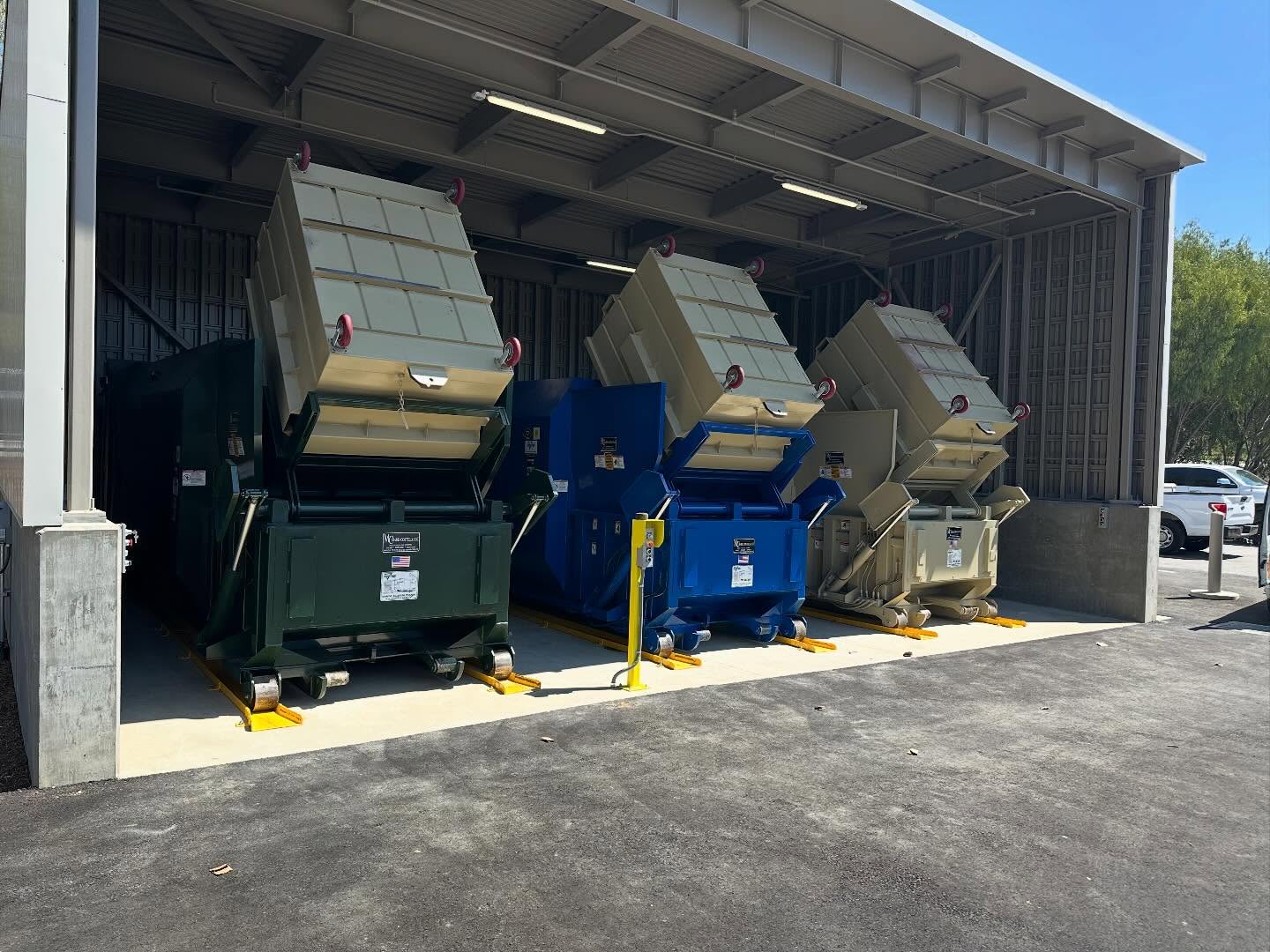
For high-volume facilities in Paramount, managing industrial and medical waste is no longer just a logistical concern; it is a critical operational necessity. Overflowing waste rooms, rising hauling costs, and the constant threat of regulatory penalties can disrupt daily workflows, reduce productivity, and even jeopardize employee safety. Facility managers, healthcare administrators, and operations directors face mounting pressure to implement waste handling systems that are both efficient and compliant. Without a structured approach, what begins as a minor inconvenience can quickly become a costly, high-risk problem. As facilities scale, aging equipment often slows down waste management processes, forcing staff into manual handling that increases injury risk and labor costs. Compounding the challenge, regulations around industrial and medical waste are tightening, leaving little room for error. The solution lies in modern, engineered waste systems that not only manage volume but also streamline workflow, enhance safety, and ensure compliance with local, state, and federal standards. Industrial waste handling in Paramount demands both foresight and strategic planning to align waste systems with operational growth. This article explores the challenges high-volume facilities face, the practical benefits of modern waste systems, and how companies can select solutions that scale alongside their operations. By understanding what today’s industrial waste handling solutions offer, decision-makers can transform what was once a burden into a streamlined, cost-effective process. Why High-Volume Facilities Struggle With Waste as They Scale The operational pressure of rising waste output is one of the most underestimated challenges in high-volume operations. As production lines expand, patient volumes increase in healthcare centers, or distribution activities accelerate, waste accumulates continuously. Without proper handling infrastructure, this accumulation creates congestion that slows workflows, risks contamination, and reduces available floor space. Facilities often rely on manual handling for extended periods, which not only consumes labor hours but also exposes staff to potential injuries and strains equipment beyond its intended capacity. The hidden cost of inefficient disposal extends far beyond labor. Frequent waste pickups increase hauling fees, while loose or unorganized storage consumes critical operational space. Cluttered waste rooms can block access to key production areas or emergency exits, causing unintended slowdowns in both manufacturing and healthcare environments. Moreover, the longer waste sits unprocessed, the greater the risk of environmental contamination, odor issues, and pest infestations. As facility volume grows, so too does the potential for operational disruption and hidden costs. Compliance risks intensify alongside volume. Regulatory scrutiny from OSHA, the EPA, and healthcare agencies is increasing nationwide, with inspectors looking closely at industrial, hazardous, and medical waste streams. Improper handling can result in fines, mandatory shutdowns, or reputational damage that extends beyond local markets. For high-volume facilities, the stakes are higher, making compliant, scalable systems not just a convenience but a necessity. What Modern Industrial Waste Systems Actually Do Modern industrial waste systems address both operational efficiency and compliance concerns. At their core, these systems centralize waste flow, reducing unnecessary movement, clutter, and manual handling. Instead of relying on scattered bins and frequent pickups, waste is channeled directly from production or collection points into secure, controlled systems, minimizing the time staff spend transporting materials. Volume reduction is another critical feature. Compactors and balers compress waste, turning bulky materials into manageable loads. This compression reduces pickup frequency, lowers hauling costs, and decreases landfill impact, all while maintaining a safe and organized workspace. For facilities handling regulated medical or biohazardous waste, specialized processing units provide sterilization and secure containment, ensuring that sensitive materials are neutralized before disposal. These systems integrate seamlessly into daily workflows, reducing bottlenecks and creating safer, more predictable operations. How Compliance Shapes Waste Handling Design Federal and state regulations heavily influence modern waste system design. OSHA standards dictate safe employee handling practices, while the EPA provides strict guidelines for industrial and hazardous materials. In healthcare environments, infectious waste regulations require specialized handling and sterilization before disposal. Modern waste systems incorporate these requirements directly into their design. Built-in safeguards are a hallmark of compliant systems. Sealed chambers prevent staff exposure to hazardous materials, while automated loading and compaction reduce the need for manual intervention. Clear waste separation features allow facilities to manage multiple streams of recyclables, medical waste, and general refuse without cross-contamination. Documentation and audit readiness are equally critical. Traceable workflows and consistent processing procedures ensure that facilities can demonstrate compliance during inspections, reducing the risk of fines and operational interruptions. Waste Equipment That Makes High-Volume Operations Work The backbone of any scalable waste system lies in its equipment. Industrial compactors are engineered for nonstop output, handling continuous loads without frequent maintenance. These systems come in indoor and outdoor configurations, allowing facilities to optimize layout based on floor space and workflow patterns. Balers complement compactors by managing recyclable streams such as cardboard, plastics, metals, and packaging materials, turning waste into easily transportable, high-density bundles. For medical and biohazardous waste, specialized processing units provide both volume reduction and sterilization in a controlled environment. By neutralizing risk on-site, these units protect staff and reduce the complexity of off-site disposal. Together, compactors, balers, and processing units form a comprehensive system capable of supporting high-volume operations efficiently, safely, and in full regulatory compliance. Designing a System Around Your Facility’s Workflow Effective waste management starts with understanding the unique waste streams within a facility. In manufacturing, scrap points and packaging areas often generate the bulk of solid waste. Distribution centers must account for packaging overflow and shipping debris, while healthcare facilities face a mix of regulated and general waste from treatment and patient care areas. Mapping these sources allows planners to position equipment optimally, reducing transport time and minimizing staff movement. Equipment capacity must align with actual output. Undersized systems create bottlenecks, while overinvestment in oversized units ties up capital unnecessarily. Layout planning further ensures that waste movement does not interfere with employee or forklift traffic, with secure containment areas placed strategically to maintain operational flow. When designed thoughtfully, a waste system integrates seamlessly into a facility, supporting both efficiency and safety. Common Waste Handling Mistakes High-Volume Facilities Make Many facilities continue to rely on …
What to Consider When Selecting Waste Compactors for Consistent and Space-Efficient Operations
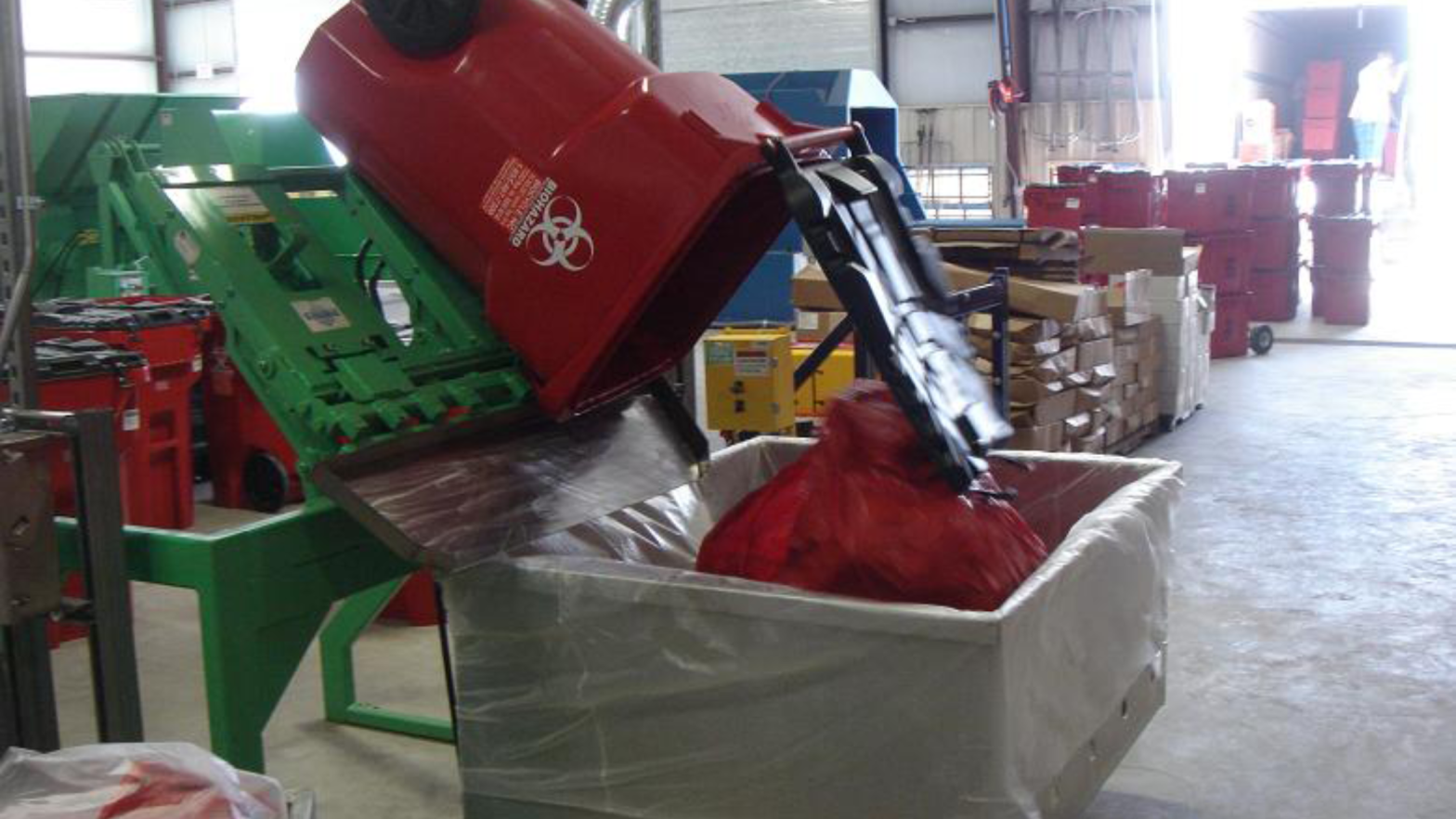
Across industrial, commercial, and regulated facilities, waste has become more than a byproduct of work. It has become a daily operational challenge shaped by rising volume, shrinking space, and the demand for consistency. As production cycles accelerate and throughput increases, waste accumulates faster than many facilities were designed to manage. Space constraints add quite a pressure. Stockrooms tighten. Dock areas fill. Temporary waste storage begins to feel permanent. What was once manageable now interrupts movement, workflow, and safety. Waste handling shifts from a background task to a constant distraction. This is why waste compactors should be viewed as infrastructure rather than equipment. Selecting the right system is not a simple purchase decision. It is a structural choice that affects efficiency, safety, compliance, labor use, and long-term resilience. In this discussion, we explore what to consider when selecting waste compactors for consistent and space-efficient operations. We will examine performance, layout, reliability, safety, regulatory alignment, scalability, and total operational impact. The goal is not speed, but clarity. Not more equipment, but better systems that fit the way work actually happens. Understanding Operational Waste Profiles Every effective compaction strategy begins with understanding what we throw away. Waste is not uniform, and assumptions create mismatches that lead to inefficiency. Daily waste volume matters, but so does composition. Dry waste, such as cardboard and packaging, behaves differently from wet waste containing food or organic material. Mixed waste introduces variability. Regulated waste adds layers of containment and compliance requirements. Consistency matters. Bulky materials compact differently from fragmented waste. High moisture content affects density and leakage risk. Contamination can reduce compaction efficiency and create downstream issues. These factors directly influence compactor performance. Selecting waste compactors requires aligning equipment design with real waste behavior rather than theoretical averages. When systems reflect reality, compaction becomes predictable. When they do not, bottlenecks form quietly and persist. Space Constraints and Facility Layout Considerations Space shapes every operational decision. Available floor area, ceiling height, and access points determine what compaction systems are viable. Indoor compactors offer control and protection but require sufficient clearance and ventilation. Outdoor compactors free internal space but introduce weather exposure and access considerations. Dock-mounted systems integrate with shipping flows but demand careful coordination with logistics. Placement matters as much as type. A compactor positioned too far from waste generation increases transport effort. One place without clear access creates congestion. Poor layout undermines even well-designed equipment. The goal is balance. Minimizing waste storage footprints while maintaining accessibility. Allowing waste to move naturally through the facility without crossing critical work zones. Space efficiency emerges when placement supports flow rather than resisting it. Compaction Performance and Throughput Needs Compaction performance defines whether waste handling supports or interrupts operations. Force and chamber size determine how effectively volume is reduced. Low-volume operations may require modest capacity. High-volume facilities demand robust throughput. Peak generation periods reveal weaknesses quickly. An underpowered compactor fills too fast, causing overflow and repeated handling. Throughput must match reality, not averages. Waste does not arrive evenly. It surges during production peaks, shipping cycles, or seasonal demand. Waste compactors must absorb these surges without creating bottlenecks. Matching capacity to peak conditions ensures continuity. Compaction becomes a steady background process rather than an emergency response. Consistency and Reliability of Daily Operations Consistency is the quiet foundation of efficiency. When compaction cycles behave predictably, waste handling becomes routine rather than reactive. Reliable equipment supports scheduling. Labor allocation stabilizes. Hauling services can be planned rather than expedited. Small efficiencies accumulate. Frequent breakdowns disrupt more than waste flow. They create safety risks as waste accumulates. They pull labor into unplanned tasks. They erode trust in systems. Durable construction and stable performance matter because waste handling is daily work. Reliability is not a feature we notice when present. It is a problem we feel when absent. Safety Features and Risk Reduction Waste handling carries inherent risk. Heavy loads. Moving components. Contamination. Poorly designed systems amplify these hazards. Essential safety features include interlocks that prevent operation during loading, emergency stops that respond instantly, and controlled loading systems that limit exposure. These elements reduce reliance on perfect behavior in imperfect conditions. Proper waste compactors reduce manual handling by consolidating waste movement. Less lifting. Fewer transfers. Lower exposure to hazards. Safety is not separate from efficiency. It supports compliance, insurance stability, and workforce confidence. When safety is built into design, it becomes part of the daily rhythm rather than constant vigilance. Compliance and Regulatory Alignment Regulations shape waste handling in ways that are consistent, enforceable, and non-negotiable. Requirements around containment, leakage prevention, and controlled processing exist to protect people and the environment, and they leave little room for improvisation. When systems fall short, even briefly, exposure increases and compliance risk follows. Well-designed waste compactors support compliance by enforcing containment at every stage of handling. Waste remains enclosed rather than accumulating loosely across the facility. Controlled compaction reduces the likelihood of leaks, spills, and unauthorized access. Equipment designed with regulatory alignment in mind simplifies inspections because processes are visible, repeatable, and documented. When deviations occur, they are easier to identify and correct before they escalate. Compliant systems reduce uncertainty across operations. Facilities operate with confidence instead of constant caution. Liability exposure narrows. Audits become routine rather than disruptive. Stability replaces risk, even under regulatory scrutiny. Labor Efficiency and Workflow Integration Labor follows waste unless systems redirect it. Manual handling consumes time and energy that could be applied elsewhere. Centralized compaction reduces transport tasks. Waste moves once instead of repeatedly. Work areas remain cleaner. Workflow consistency improves across shifts. When waste compactors integrate naturally into operations, they support rhythm rather than interruption. Labor efficiency becomes an outcome of design, not pressure. Over time, these gains protect productivity and morale. Maintenance, Serviceability, and Longevity Equipment uptime depends on more than mechanical capability. It depends on access, clarity, and serviceability. When maintenance is difficult, it is often delayed, allowing small issues to grow into operational disruptions. Component quality plays a defining role in how systems age. Durable parts wear predictably, making performance …
Why Industrial Sterilizers Are Critical for Safe and Compliant Waste Processing
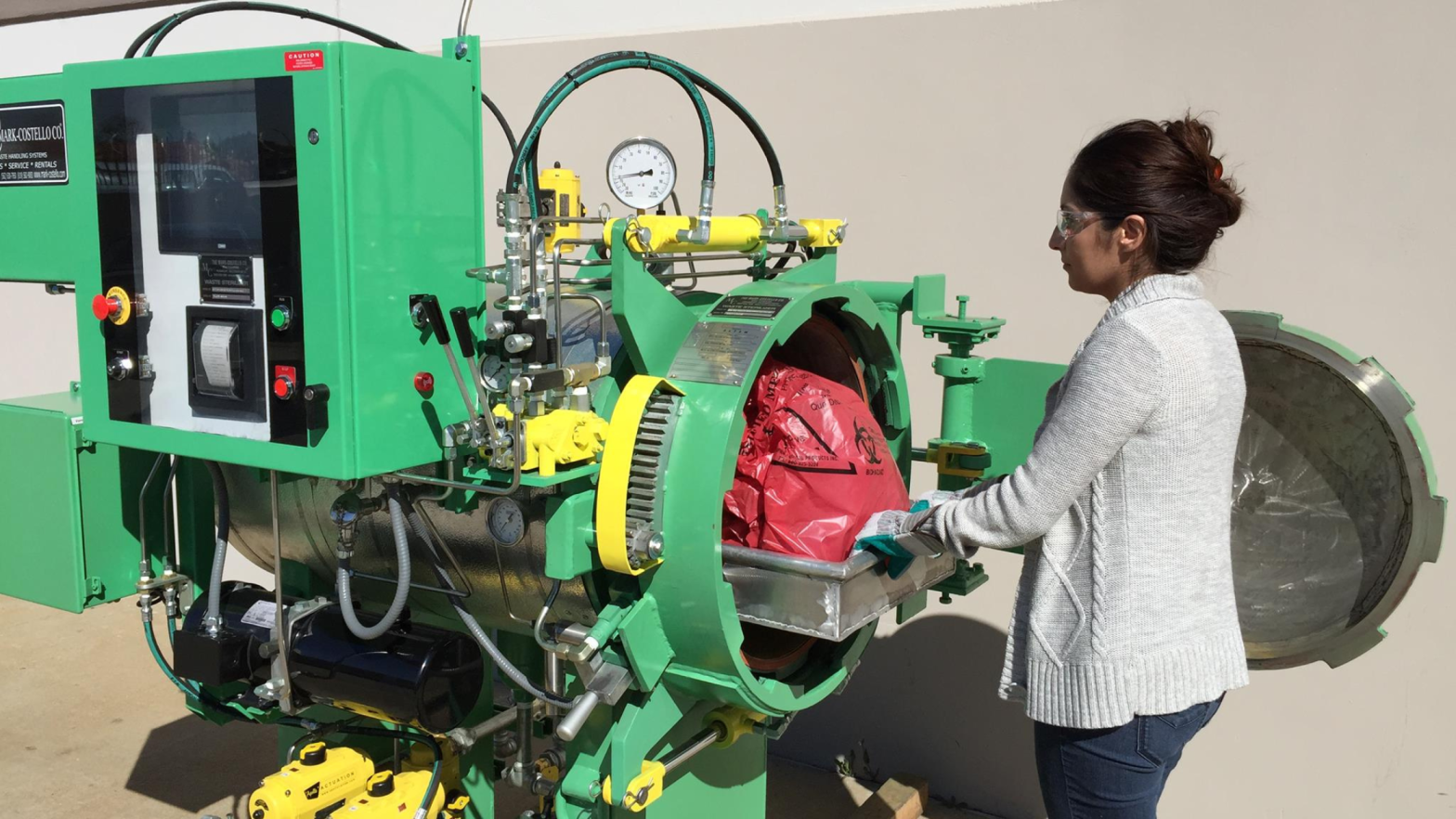
In environments where waste carries biological, chemical, or regulatory risk, safety is no longer a background concern. It has moved to the center of operational thinking. Healthcare facilities, laboratories, industrial plants, and regulated processing sites generate waste that cannot simply be removed and forgotten. What leaves a building carries responsibility with it. If it is not treated correctly, that responsibility returns in the form of exposure, violations, or harm. Waste processing safety has become a daily priority because the consequences of failure are no longer abstract. They touch staff health, patient wellbeing, environmental stability, and public trust. Each bag of contaminated material represents a potential point of failure if systems are incomplete or unreliable. This is where industrial sterilizers play a foundational role. They act as a controlled threshold between risk and release. Before waste travels, before it changes hands, before it enters the broader environment, it is neutralized. Pathogens are rendered inert. The threat is reduced to material. In this discussion, we explore why industrial sterilizers are critical for safe and compliant waste processing. We will examine safety, regulatory compliance, operational control, risk reduction, and long-term efficiency. Not as theory, but as lived reality inside facilities that must function without error. Our focus is clarity, responsibility, and systems that quietly do their work every day. The Risks of Improper Waste Processing Improper waste processing creates exposure long before it becomes visible. Untreated or partially treated waste places staff, patients, and surrounding communities at risk through direct and indirect pathways. Inside facilities, exposure often begins with handling. Bags rupture. Sharps shift. Containers fail under weight or movement. Pathogens that should have been neutralized remain active. In these moments, safety protocols rely too heavily on human perfection in environments that are fast, pressured, and continuous. Transportation introduces additional risk. Leaks during transit. Accidental contact during loading. Environmental release through improper containment. Once contaminated waste leaves the point of generation untreated, control diminishes rapidly. Manual or incomplete treatment methods fail because they are inconsistent. They depend on individual execution rather than system reliability. In regulated waste streams, partial measures do not scale. They introduce variability where none is acceptable. This is why reliable sterilization at the source of waste generation matters. When waste is rendered safe before it moves, risk is contained. Control remains inside the facility. Responsibility stays anchored to systems rather than chance. What Industrial Sterilizers Are and How They Function Industrial sterilizers are engineered systems designed to neutralize biological contaminants within regulated waste before it leaves a facility. Their role is precise and non-negotiable. They convert hazardous material into treated waste through controlled, validated processes. At their core, these systems rely on heat, pressure, and time. Waste is exposed to specific conditions that destroy pathogens at a cellular level. Sterilization cycles are carefully designed to reach uniform temperatures and pressures throughout the load. Nothing is left untreated by accident. This differs fundamentally from surface disinfection or off-site treatment. Disinfection reduces the presence. Sterilization eliminates viability. Off-site treatment introduces transport risk before neutralization occurs. On-site industrial sterilization removes uncertainty at the earliest possible stage. Repeatability is essential. Each cycle must perform exactly as intended, regardless of load composition or volume. Validation and monitoring ensure that performance is consistent and verifiable. In regulated environments, reliability is not a feature. It is a requirement. Supporting Regulatory Compliance and Audit Readiness Compliance in waste processing is not achieved through intention. It is achieved through documentation, verification, and consistency. Industrial sterilizers support this by producing measurable, recordable outcomes. Regulatory frameworks at the federal, state, and local levels require proof of treatment. Sterilization cycles must be logged. Parameters must be monitored. Deviations must be identified and addressed. Industrial sterilizers are built to support this level of accountability. Documented treatment cycles provide clarity during inspections. Monitoring systems confirm performance. Verification processes ensure that each load meets established standards. These records create a defensible operational history. When sterilization is reliable and documented, the risk of violations decreases. Facilities are less vulnerable to penalties or shutdowns caused by non-compliance. Inspections become procedural rather than adversarial. Audits move smoothly because systems speak for themselves. On-site sterilization keeps compliance internal. It reduces dependence on external assurances and strengthens operational confidence. Protecting Staff Health and Workplace Safety Waste that carries biological risk exposes employees to hazards that extend beyond immediate injury. Sharps injuries, pathogen exposure, and contact with hazardous materials create long-term health concerns and psychological stress. When waste is untreated, handling becomes a point of danger. Each transfer increases exposure. Each interaction introduces uncertainty. Employees rely heavily on protective equipment and procedural discipline alone. Industrial sterilizers reduce this burden by minimizing direct contact with infectious waste. Processing occurs within closed systems. Once treated, waste no longer poses the same biological threat. This shift changes the workplace atmosphere. Safety becomes systemic rather than situational. Employees move with greater confidence. Injury rates decline. Trust in the environment increases because risk is managed by design rather than vigilance alone. Over time, this improves retention, morale, and institutional resilience. Controlling Environmental and Community Impact Improper waste treatment does not remain contained within facility walls. It migrates outward into soil, water, and air. Environmental contamination often begins invisibly and reveals itself slowly. When untreated waste enters landfills or transport streams, it introduces long-term liability. Pathogens persist. Materials degrade. Contamination spreads beyond the source. Industrial sterilizers prevent this chain of events by neutralizing harmful materials before disposal. Sterilized waste poses significantly lower environmental risk. Downstream impact is reduced. Liability diminishes. Responsible waste processing reflects environmental stewardship. It acknowledges that operational decisions affect communities beyond the facility perimeter. Sterilization becomes an act of accountability, protecting ecosystems as well as people. Operational Efficiency and Process Reliability Efficiency in waste processing is not measured by speed alone. It is measured by predictability. Industrial sterilizers bring rhythm to workflows that might otherwise feel reactive. Processing cycles follow defined schedules. Waste movement aligns with production patterns. Internal logistics become easier to manage because treatment capacity is known and reliable. On-site …
Continue reading “Why Industrial Sterilizers Are Critical for Safe and Compliant Waste Processing”