
Blog
Apartment Baler Solutions That Reduce Overflow Odors and Hauling Costs
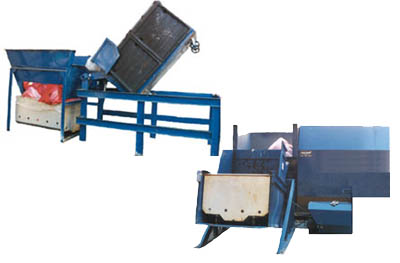
Apartment communities across the United States often face a common challenge: overflowing dumpsters and trash areas that emit unpleasant odors by midday. Residents, staff, and even neighbors can be frustrated by persistent smells, unsightly trash piles, and the constant need for intervention. Beyond the immediate inconvenience, poorly managed waste systems quietly drain property budgets through frequent hauling fees and emergency pickups. The financial and operational impact of inefficient waste management is more significant than many property managers realize, affecting everything from resident satisfaction to long-term property value. Fortunately, modern apartment baler solutions offer a practical answer. Engineered to control odors, reduce waste volume, and lower hauling costs, these systems are transforming how multi-family properties manage solid waste. From high-rise buildings in dense urban centers to sprawling suburban complexes, well-designed balers help communities maintain cleanliness while keeping operational costs in check. This blog explores the causes of overflow and odors, the types of baler systems available, and how smart Apartment Baler Solutions deliver measurable benefits for apartment managers and residents alike. Why Apartment Buildings Struggle With Overflow and Odors One of the primary reasons apartment trash areas overflow is poor waste volume control during peak disposal times. Residents generate concentrated loads of waste on specific days, often overwhelming traditional dumpster setups. Outdated balers that fail to compress efficiently exacerbate the problem, leaving containers partially empty yet unable to accommodate additional trash. Open or poorly sealed waste areas further compound the issue. Moisture trapped in exposed garbage accelerates decomposition and amplifies odors. In some cases, trash rooms are inadequately ventilated, creating a breeding ground for bacteria and pests. The consequences go beyond smell. Overflowing trash can invite rodents and insects, posing health and safety risks to residents. It can also affect resident retention, as the perception of cleanliness and hygiene plays a critical role in tenant satisfaction. Financially, overflow translates into recurring costs. Emergency hauling services are expensive, labor hours increase for managing trash areas, and repeated equipment repairs add to the burden. Without addressing the root cause, these recurring expenses quietly erode property budgets, month after month. How Apartment Balers Improve Cleanliness and Efficiency Apartment baler solutions are designed to tackle the very issues that traditional trash systems cannot. At the core of these solutions is effective waste compression, which can significantly reduce trash volume. By compacting waste multiple times over its original size, these systems minimize the frequency of pickups, allowing properties to handle more waste with fewer trips. Modern balers are enclosed and leak-resistant, keeping liquids contained and odors sealed away from residents. Many systems include ventilation or deodorizing options, further reducing unpleasant smells. Enclosed designs block air exposure, preventing rapid decomposition and pest attraction. For property managers, the operational benefits are clear: cleaner trash rooms, predictable hauling schedules, and reduced daily maintenance tasks. The result is a waste management system that is both cost-efficient and resident-friendly. Types of Apartment baler Systems Used Across the USA Apartment properties vary widely in size and waste generation, and so do the baler systems designed to serve them. Stationary balers are ideal for high-volume properties, including large apartment complexes and mixed-use buildings. These systems handle continuous waste flow efficiently, reducing the number of required hauling trips over time. Self-contained balers are particularly suitable for odor-sensitive areas. With built-in liquid containment, strong sealing, and integrated pest control features, they ensure enclosed trash rooms remain hygienic and odor-free. Vertical and chute-fed balers offer another solution, especially for high-rise apartments. Space-saving and highly efficient, these setups accelerate waste movement and compression while maintaining a clean environment for residents. Across all types, the goal remains the same: reduce hauling frequency, control odors, and maintain consistent cleanliness. By selecting the right system for a specific property, managers can achieve long-term operational efficiency and resident satisfaction. How Better Compaction Directly Reduces Hauling Costs Efficient compaction directly translates into financial savings. Fewer pickups each month mean lower fuel and transportation charges, while higher-density loads reduce the number of containers sent to landfills. Properly sealed balers also mitigate the risk of overflow penalties or emergency hauling fees, keeping waste volume within safe container limits. Durable, engineered systems offer additional long-term benefits. Well-designed balers reduce maintenance calls and deliver consistent performance year after year. By investing in quality systems, apartment managers can avoid the hidden costs associated with cheap, undersized, or poorly designed equipment. In the end, smart compaction is not only about reducing odors; it is an essential financial strategy for controlling ongoing waste management expenses. Odor Control Strategies That Actually Work Odor control is a critical consideration for apartment waste systems, and modern baler solutions integrate multiple strategies. Sealed containers prevent heat and air from accelerating decomposition while keeping liquids contained. Proper ventilation ensures airflow is routed effectively, while optional odor-neutralizing systems provide an extra layer of protection against persistent smells. Regular service and inspections are equally important. Hydraulic performance checks, seal and door integrity reviews, and preventative maintenance schedules ensure that baler systems remain fully functional and odor-free. By combining mechanical design with routine maintenance, apartment managers can create trash areas that remain clean and safe, even during peak disposal periods. How to Choose the Right Apartment Balers Solutions Selecting the right system begins with assessing property size and daily waste volume. Factors such as the number of residents, commercial tenants, and seasonal usage spikes influence the required capacity. Space layout and access points, including indoor versus outdoor placement, truck clearance, and chute integration, are equally critical. Local hauling costs and regulations also play a role. Pickup frequency, environmental compliance, recycling integration, and long-term operating goals should be considered when evaluating potential systems. Properties aiming for reduced costs, higher cleanliness standards, and sustainable operations will benefit from engineered solutions that prioritize performance, durability, and odor control. Common Mistakes That Lead to Overflow and High Costs Despite the availability of advanced solutions, some property managers continue to make mistakes that increase expenses and sanitation problems. Choosing balers based solely on price, rather than capacity and performance, often results …
Continue reading “Apartment Baler Solutions That Reduce Overflow Odors and Hauling Costs”
Choosing a Commercial Trash Compactor Based on Volume, Space, and Pickup Frequency
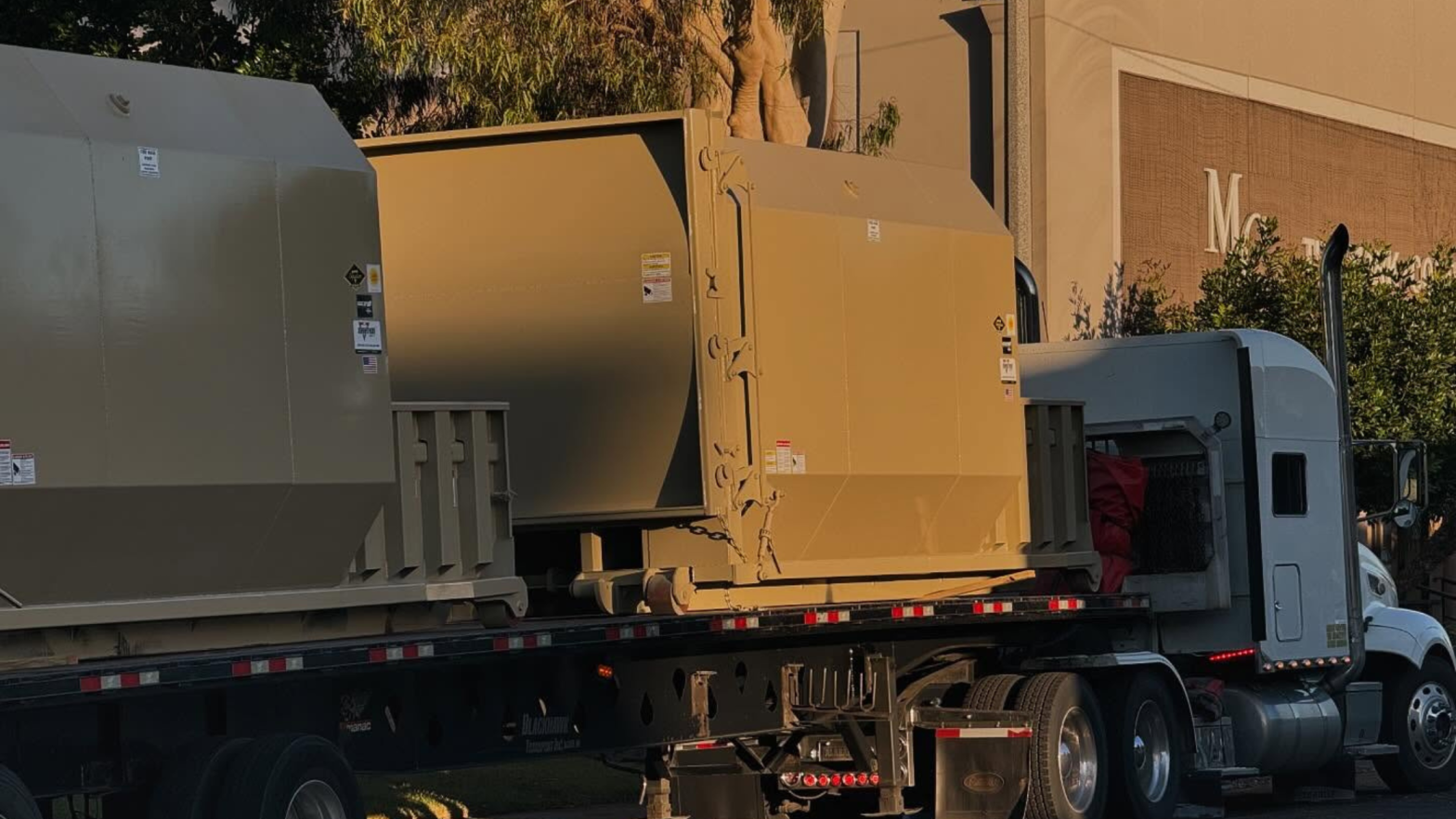
High-volume facilities face daily challenges when managing waste. Overflowing dumpsters, rising hauling fees, and wasted floor space can slow operations, disrupt workflows, and create unnecessary stress for staff. Many businesses discover that their waste handling equipment is either oversized, underpowered, or prone to frequent breakdowns, leaving operations vulnerable to both inefficiency and compliance risks. In environments where waste accumulates rapidly, understanding how to select the right commercial trash compactor is essential for long-term operational success. Choosing a commercial trash compactor is more than simply picking a machine that can hold a large volume of waste. It requires a careful assessment of facility-specific factors such as daily and peak waste output, available space for installation, and the frequency of waste pickups. Selecting a system without considering these factors often results in higher labor and hauling costs, workflow interruptions, and safety hazards. The right approach ensures a balance between operational efficiency, cost savings, and employee safety while maintaining regulatory compliance. This article provides a detailed guide for businesses seeking a commercial trash compactor that aligns with their facility’s volume, space, and pickup requirements. By examining real-world examples, operational insights, and key technical considerations, facility managers can make informed decisions that enhance daily operations and support long-term growth. Understanding Why the Right Commercial Trash Compactor Matters The cost of poor waste management extends beyond overflowing dumpsters. Facilities with inefficient systems face higher hauling fees because loose or overfilled containers require more frequent pickups. Labor hours are consumed by staff moving waste manually, and cluttered disposal areas increase the risk of injuries and accidents. Inefficient waste handling can also affect productivity by blocking walkways, reducing floor space for operations, and slowing down essential workflows. Commercial trash compactors address these challenges by compressing waste into manageable volumes. Modern systems can reduce waste volume by up to 80 percent, allowing facilities to lower hauling frequency and associated costs. Compactors also help maintain cleaner, more organized workspaces, reducing safety risks while improving overall workflow. By investing in a commercial trash compactor, businesses can optimize their operations while achieving measurable cost savings over time. Measuring Your Facility’s Waste Volume Correctly Determining the appropriate compactor begins with understanding the facility’s waste output. Tracking daily and weekly waste generation over several weeks provides a clear picture of volume and peak periods. Separating recyclables from general waste ensures that compaction systems are properly matched to different materials, whether cardboard, plastics, metals, or general refuse. Matching volume to compactor capacity is crucial. Smaller generators may only require light-duty or medium-duty compactors, while high-output operations need heavy-duty systems capable of continuous use. Undersized systems lead to overflow and wasted labor, while oversized machines tie up capital unnecessarily. Facilities should account for the number of bins or bags produced per shift, current pickup frequency, and the density of the waste to ensure the compactor is sized correctly for both present and future needs. Choosing Based on Available Space and Layout Facility layout plays a major role in selecting the right commercial trash compactor. Indoor versus outdoor installation considerations impact not only the type of equipment but also workflow efficiency. Indoor compactors must account for ventilation, noise, and safety, while outdoor installations need protection from weather and accessibility for trucks. Facility managers must plan for easy staff access while maintaining safe distances from operational zones. Vertical and horizontal compactor options offer flexibility for space-constrained sites or areas that require fast-loading access. Vertical compactors maximize floor space by compressing waste upward, making them ideal for indoor areas with limited square footage. Horizontal or dock-side units facilitate direct truck loading and continuous operation in logistics or manufacturing environments. Proper layout planning ensures clear traffic paths for staff and equipment, truck access for pickups, and safe, organized zones for waste containment. How Pickup Frequency Shapes Your Compactor Choice Pickup frequency is a defining factor in compactor selection. Facilities with high-frequency pickups may benefit from smaller compactors that cycle quickly and require less upfront investment. However, while initial costs may be lower, frequent hauling drives up long-term expenses. Conversely, facilities that reduce pickup frequency with larger, high-capacity compactors achieve maximum compression, fewer truck visits, and lower ongoing hauling costs. Finding the right balance between compactor size and pickup schedule requires careful analysis of waste volume and material density. By calculating the total cost of ownership, including equipment, labor, and hauling facilities, one can identify a solution that minimizes operational disruption while maintaining cost efficiency. Key Features That Improve Performance and Longevity The longevity and efficiency of a commercial trash compactor depend on several features. Heavy-duty construction, including reinforced steel chambers, ensures machines withstand continuous industrial use without frequent repairs. Automation and safety controls, such as interlock doors, emergency shutoffs, and automatic cycle controls, reduce the risk of accidents and allow staff to operate systems efficiently. Energy efficiency and noise reduction are also important. Modern hydraulic systems operate quietly, making indoor installations safer and more comfortable for staff. Facilities benefit from reliable equipment that performs consistently over years of heavy use while maintaining energy-conscious operations. Selecting compactors with these built-in features protects the investment and supports a safer, more productive workplace. Common Mistakes Businesses Make When Buying a Compactor Businesses often make critical errors when selecting compactors. Choosing equipment based solely on price can lead to short-lived systems that require frequent maintenance, ultimately increasing costs. Ignoring future growth is another common mistake; as operations expand, undersized compactors quickly become bottlenecks, necessitating expensive retrofits or replacements. Overlooking service and support can also disrupt operations. Delayed repairs and insufficient maintenance programs lead to downtime, which negatively affects both workflow and profitability. Addressing these factors upfront ensures that facilities invest in a system that remains functional and efficient for years to come. How to Select a Compactor Partner, Not Just Equipment Selecting a trusted compactor provider is as important as choosing the machine itself. Providers with engineering-based system design capabilities offer custom layouts tailored to each facility’s unique needs. Accurate volume assessments ensure the compactor is correctly sized, while professional installation and …
Apartment Compactor Solutions That Reduce Overflow Odors and Hauling Costs
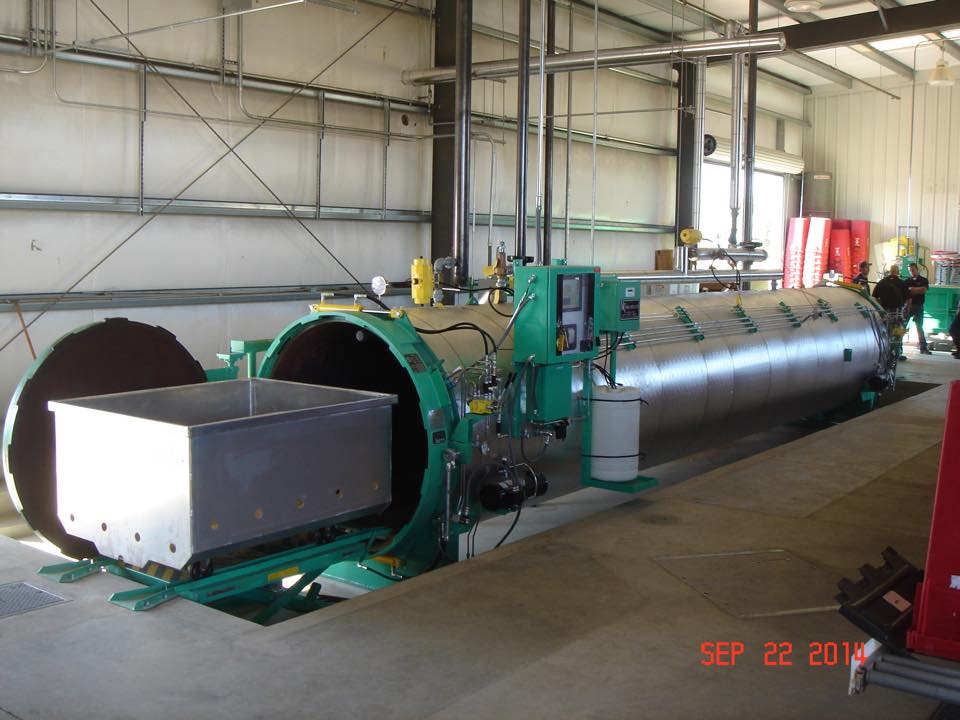
Apartment communities across the United States often face a common challenge: overflowing dumpsters and trash areas that emit unpleasant odors by midday. Residents, staff, and even neighbors can be frustrated by persistent smells, unsightly trash piles, and the constant need for intervention. Beyond the immediate inconvenience, poorly managed waste systems quietly drain property budgets through frequent hauling fees and emergency pickups. The financial and operational impact of inefficient waste management is more significant than many property managers realize, affecting everything from resident satisfaction to long-term property value. Fortunately, modern apartment compactor solutions offer a practical answer. Engineered to control odors, reduce waste volume, and lower hauling costs, these systems are transforming how multi-family properties manage solid waste. From high-rise buildings in dense urban centers to sprawling suburban complexes, well-designed compactors help communities maintain cleanliness while keeping operational costs in check. This blog explores the causes of overflow and odors, the types of compactor systems available, and how smart Apartment Compactor Solutions deliver measurable benefits for apartment managers and residents alike. Why Apartment Buildings Struggle With Overflow and Odors One of the primary reasons apartment trash areas overflow is poor waste volume control during peak disposal times. Residents generate concentrated loads of waste on specific days, often overwhelming traditional dumpster setups. Outdated compactors that fail to compress efficiently exacerbate the problem, leaving containers partially empty yet unable to accommodate additional trash. Open or poorly sealed waste areas further compound the issue. Moisture trapped in exposed garbage accelerates decomposition and amplifies odors. In some cases, trash rooms are inadequately ventilated, creating a breeding ground for bacteria and pests. The consequences go beyond smell. Overflowing trash can invite rodents and insects, posing health and safety risks to residents. It can also affect resident retention, as the perception of cleanliness and hygiene plays a critical role in tenant satisfaction. Financially, overflow translates into recurring costs. Emergency hauling services are expensive, labor hours increase for managing trash areas, and repeated equipment repairs add to the burden. Without addressing the root cause, these recurring expenses quietly erode property budgets, month after month. How Apartment Compactor Solutions Improve Cleanliness and Efficiency Apartment compactor solutions are designed to tackle the very issues that traditional trash systems cannot. At the core of these solutions is effective waste compression, which can significantly reduce trash volume. By compacting waste multiple times over its original size, these systems minimize the frequency of pickups, allowing properties to handle more waste with fewer trips. Modern compactors are enclosed and leak-resistant, keeping liquids contained and odors sealed away from residents. Many systems include ventilation or deodorizing options, further reducing unpleasant smells. Enclosed designs block air exposure, preventing rapid decomposition and pest attraction. For property managers, the operational benefits are clear: cleaner trash rooms, predictable hauling schedules, and reduced daily maintenance tasks. The result is a waste management system that is both cost-efficient and resident-friendly. Types of Apartment Compactor Systems Used Across the USA Apartment properties vary widely in size and waste generation, and so do the compactor systems designed to serve them. Stationary compactors are ideal for high-volume properties, including large apartment complexes and mixed-use buildings. These systems handle continuous waste flow efficiently, reducing the number of required hauling trips over time. Self-contained compactors are particularly suitable for odor-sensitive areas. With built-in liquid containment, strong sealing, and integrated pest control features, they ensure enclosed trash rooms remain hygienic and odor-free. Vertical and chute-fed compactors offer another solution, especially for high-rise apartments. Space-saving and highly efficient, these setups accelerate waste movement and compression while maintaining a clean environment for residents. Across all types, the goal remains the same: reduce hauling frequency, control odors, and maintain consistent cleanliness. By selecting the right system for a specific property, managers can achieve long-term operational efficiency and resident satisfaction. How Better Compaction Directly Reduces Hauling Costs Efficient compaction directly translates into financial savings. Fewer pickups each month mean lower fuel and transportation charges, while higher-density loads reduce the number of containers sent to landfills. Properly sealed compactors also mitigate the risk of overflow penalties or emergency hauling fees, keeping waste volume within safe container limits. Durable, engineered systems offer additional long-term benefits. Well-designed compactors reduce maintenance calls and deliver consistent performance year after year. By investing in quality systems, apartment managers can avoid the hidden costs associated with cheap, undersized, or poorly designed equipment. In the end, smart compaction is not only about reducing odors; it is an essential financial strategy for controlling ongoing waste management expenses. Odor Control Strategies That Actually Work Odor control is a critical consideration for apartment waste systems, and modern compactor solutions integrate multiple strategies. Sealed containers prevent heat and air from accelerating decomposition while keeping liquids contained. Proper ventilation ensures airflow is routed effectively, while optional odor-neutralizing systems provide an extra layer of protection against persistent smells. Regular service and inspections are equally important. Hydraulic performance checks, seal and door integrity reviews, and preventative maintenance schedules ensure that compactor systems remain fully functional and odor-free. By combining mechanical design with routine maintenance, apartment managers can create trash areas that remain clean and safe, even during peak disposal periods. How to Choose the Right Apartment Compactor Solutions Selecting the right system begins with assessing property size and daily waste volume. Factors such as the number of residents, commercial tenants, and seasonal usage spikes influence the required capacity. Space layout and access points, including indoor versus outdoor placement, truck clearance, and chute integration, are equally critical. Local hauling costs and regulations also play a role. Pickup frequency, environmental compliance, recycling integration, and long-term operating goals should be considered when evaluating potential systems. Properties aiming for reduced costs, higher cleanliness standards, and sustainable operations will benefit from engineered solutions that prioritize performance, durability, and odor control. Common Mistakes That Lead to Overflow and High Costs Despite the availability of advanced solutions, some property managers continue to make mistakes that increase expenses and sanitation problems. Choosing compactors based solely on price, rather than capacity and performance, often …
Continue reading “Apartment Compactor Solutions That Reduce Overflow Odors and Hauling Costs”