
Blog
How Self-Contained Compactors Simplify Waste Management For Businesses
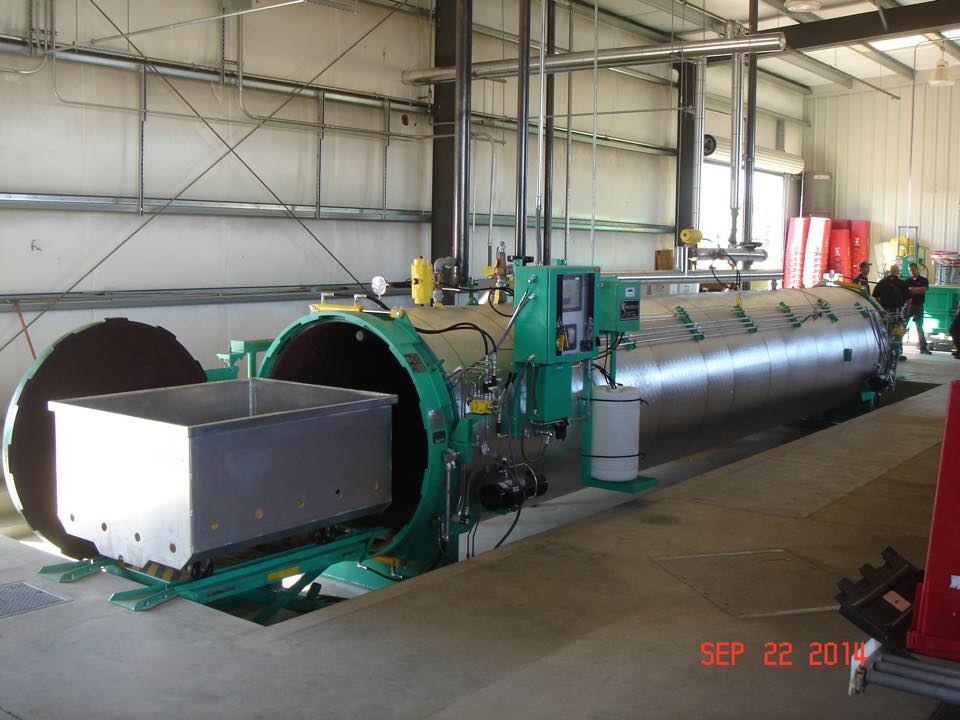
Streamlining Waste Management in the Modern Business World Effective waste handling has become a top priority across all industries. Businesses face rising disposal costs, limited space, and stricter environmental rules, which demand reliable solutions that improve efficiency. This is why many organizations are turning to Self-Contained Compactors. These systems offer a clean, safe, and convenient way to manage waste. By simplifying waste management, Self-Contained Compactors help companies reduce volume, improve hygiene, and eliminate the stress of overflowing dumpsters. At The Mark-Costello Co., we have built a reputation for delivering engineered waste solutions that support performance, compliance, and smooth operations. Our systems help organizations simplify waste processes and maintain clean, organized spaces that enhance daily workflow. Understanding What A Self-Contained Compactor Is A self-contained compactor is a combined waste-handling unit where the compactor and container are integrated into one sealed system. This design sets it apart from stationary compactors, which use separate containers and are best for dry waste. The sealed design of a Self-Contained Compactor is particularly effective for wet waste because: The compactor and container move together Liquids remain in the sealed unit Odors stay contained There is no risk of leakage or contamination This simple and effective design allows the system to operate reliably with minimal staff involvement. Waste is compacted inside the sealed chamber, kept secure, and taken away only when full. Industries that benefit the most from these systems include: Restaurants Hotels and resorts Hospitals and medical facilities Retail stores and malls Grocery stores Commercial kitchens These businesses often produce wet, messy waste that needs proper containment, making Self-Contained Compactors a smart investment for hygiene and efficiency. The Everyday Challenges of Business Waste Management Many organizations face waste-related issues that disrupt daily activities and increase costs. Common troubles include: Overflowing dumpsters that create messy and unsightly areas Strong odors that spread throughout loading docks or service entrances Frequent waste pickups that raise hauling fees Unhygienic waste zones that attract pests and bacteria Limited space for storing multiple waste bins The need for staff to handle waste too often These problems create more than just inconvenience. They limit workflow efficiency, raise operational expenses, and put a business at risk of sanitation violations. Modern environmental regulations require businesses to follow safe and responsible waste practices. Without the right equipment, meeting these standards is challenging. When Self-Contained Compactors simplify waste management, many of these challenges disappear, helping companies stay clean, compliant, and cost-effective. How Self-Contained Compactors Simplify Waste Management Self-contained compactors make waste handling straightforward by following a simple, controlled process. Waste is loaded into the hopper, compacted automatically, and stored inside the sealed container until it is removed. The benefits of this system include: No leakage or contamination since liquids stay inside the sealed unit Consistent odor control that keeps the waste area pleasant Fewer waste pickups due to reduced waste volume Less maintenance since the unit is sealed and self-contained Businesses no longer need to worry about overflowing bins, frequent cleanup, or unpleasant smells around loading zones. By keeping the process contained, these compactors allow facilities to refocus on operations instead of waste management. The Key Benefits of Installing Self-Contained Compactors Improved Cleanliness and Hygiene The sealed design locks in waste, preventing spills and minimizing odors. This keeps service areas clean and greatly reduces the risk of pests or bacteria. Cleaner waste zones help businesses present a professional and sanitary environment. Lower Waste Disposal Costs By compressing waste into smaller loads, businesses cut down the number of pickups needed. This translates to significant savings on hauling fees and improves waste handling budgets over time. Simplified Operations Self-contained compactors are easy to load and operate. Automated cycles lessen staff involvement, and the sealed unit ensures that workers do not need to handle waste directly. Environmental Responsibility Many companies today prioritize sustainability. These compactors help reduce landfill volume, lower a facility’s carbon footprint, and support recycling initiatives. This is why Self-Contained Compactors simplify waste management in a way that aligns with corporate environmental goals. Safety and Compliance The sealed design prevents exposure to hazardous waste and ensures compliance with sanitation regulations. By keeping liquid waste securely contained, businesses avoid environmental fines and maintain safer working conditions. Comparing Self-Contained Compactors And Stationary Compactors While both systems improve waste efficiency, they serve different purposes. Self-Contained Compactors Best for wet waste Prevent leakage and contamination Used by restaurants, hospitals, grocery stores, malls, and hotels Stationary Compactors Designed for dry waste Ideal for manufacturing plants, warehouses, and distribution centers Known for strong, consistent compaction power Both types can work alongside recycling programs and sustainability initiatives. The Mark-Costello Co. provides both systems and helps businesses choose the right model based on their waste stream and operational needs. Cost Efficiency And Long-Term Savings One of the biggest advantages of using Self-Contained Compactors is their ability to reduce long-term operating costs dramatically. Reducing waste volume leads to fewer hauls, which directly lowers transportation fees. Additional savings include: Lower fuel use due to fewer collection trips Reduced staffing hours for waste management Less wear on waste bins and hauling equipment Improved property appearance, which lowers cleaning costs Better odor control without extra chemical treatments When businesses see how Self-Contained Compactors simplify waste management, they often recognize how quickly these systems can pay for themselves. The financial benefits grow over time, making compactors a wise long-term investment. Maintenance, Durability, And Ease of Use Self-contained Compactors are built for durability and require minimal maintenance. Most units just need basic care, including: Routine cleaning of the hopper Checking the seals and hydraulic system Monitoring controls and safety features Scheduling professional inspections as needed Modern compactors feature easy-to-use controls, automatic cycles, and built-in safety systems that make daily operation simple and secure. The Mark-Costello Co. assists businesses with installation, training, ongoing maintenance, and parts replacement. Our technicians ensure that every system operates reliably for years. Environmental And Compliance Benefits Environmental protection is a major focus for businesses today. Self-contained compactors help reduce environmental impact by decreasing waste volume and minimizing leakage. …
Continue reading “How Self-Contained Compactors Simplify Waste Management For Businesses”
Why Proper Medical Waste Processing is Critical For Compliance And Sustainability
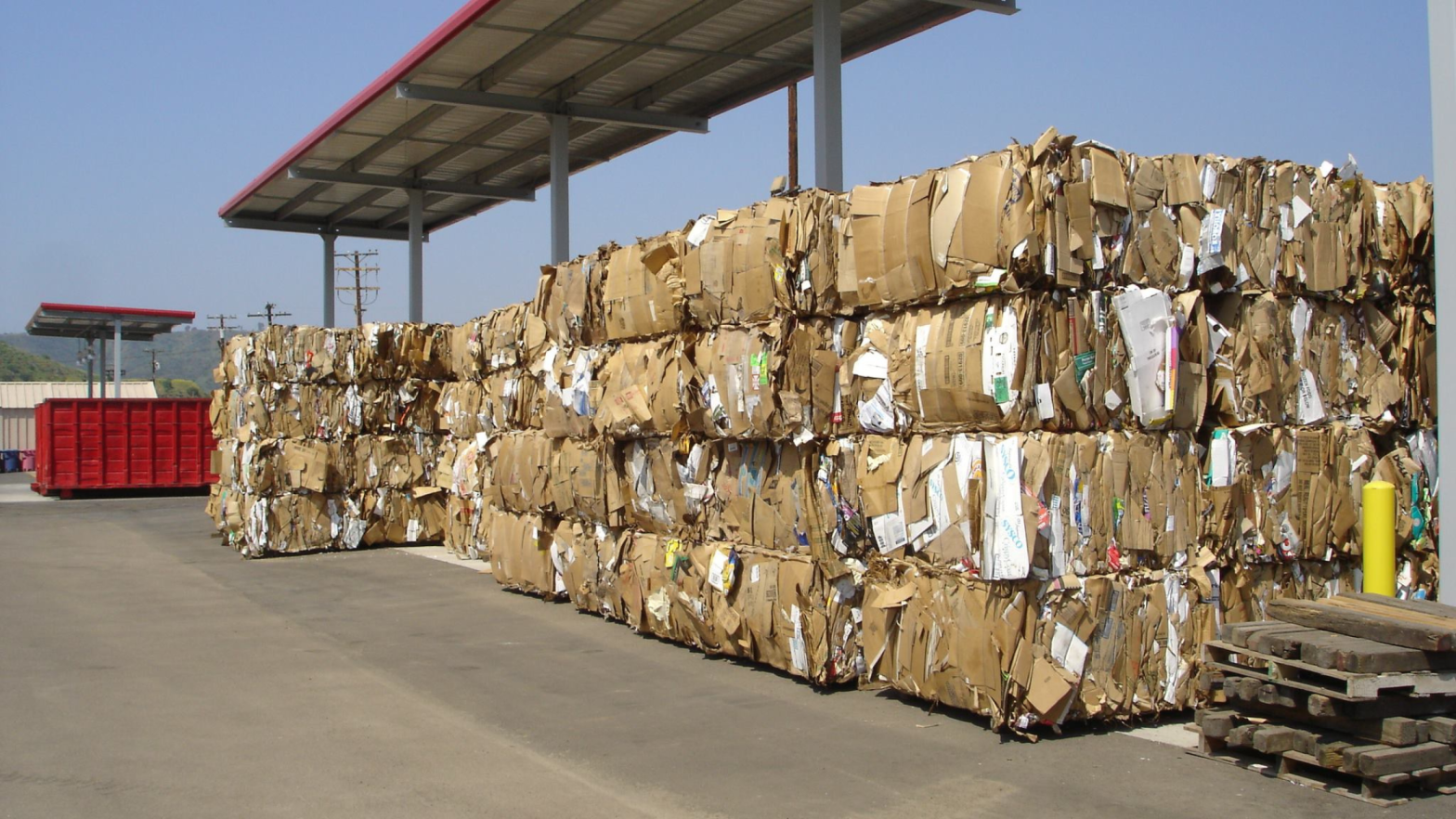
Protecting People, the Planet, and Your Practice In today’s healthcare environment, responsible waste handling is essential. Every facility relies on safe operations, regulatory compliance, and sustainable practices. Proper Medical Waste Processing plays a significant role in achieving these goals. When waste is handled correctly, it protects staff, patients, communities, and the environment. Mishandling waste can lead to serious consequences like legal penalties, contamination risks, and an increased environmental impact. At The Mark-Costello Co., we recognize the importance of reliable waste systems in healthcare and industrial settings. Our solutions support compliance, improve efficiency, and help facilities manage waste safely. For decades, we have worked with organizations that need dependable medical waste processing equipment to confidently meet their safety and sustainability goals. Understanding What Medical Waste Really Means Medical waste differs from everyday trash because it often contains materials that can pose health risks if not handled properly. It includes items that may carry pathogens, chemicals, or sharp edges, requiring specialized processing to neutralize hazards. Common categories of medical waste include: Infectious waste, such as contaminated dressings or cultures Sharps, including needles, scalpels, and broken glass Pharmaceutical waste from expired or unused medications Sterilized or non-hazardous waste that has already been treated Each category requires its own handling method to prevent exposure and cross-contamination. Improper disposal can lead to injuries, infections, environmental pollution, and violations of health regulations. Effective systems are crucial as they protect the people handling the waste and the communities where that waste eventually ends up. Proper processing is not just a safety issue; it is a matter of responsibility. When facilities adopt reliable procedures and equipment, they create safer workplaces and healthier environments. The Connection Between Compliance And Proper Waste Processing Healthcare organizations must meet strict waste management regulations at the local, state, and federal levels. Compliance ensures that hazardous materials are collected, treated, stored, and transported safely. Proper Medical Waste Processing forms the foundation of this system by ensuring waste is neutralized and documented correctly. Key areas of compliance include: Safe collection and segregation at the point of use Clear and accurate labeling for transport Verified treatment or sterilization processes Secure storage before removal Accurate record-keeping and readiness for audits Failures in any of these areas can result in significant penalties and damage to reputation. Healthcare facilities operate under constant scrutiny, and consistent compliance builds trust with patients, regulatory agencies, and the surrounding community. The Mark-Costello Co. designs and provides advanced equipment such as medical waste sterilizers and compactors to help facilities meet compliance requirements without disrupting daily operations. Our solutions simplify complex tasks and support teams in meeting safety standards reliably and efficiently. How Proper Medical Waste Processing Promotes Sustainability Sustainability is becoming a priority in healthcare, and Proper Medical Waste Processing supports these efforts. Traditional disposal methods often increase landfill use, generate unnecessary emissions, and introduce harmful contaminants into the environment. Modern systems help reduce this impact by improving the treatment and management of waste. Facilities benefit from environmental advantages such as: Lower landfill contributions due to reduced volume Decreased carbon emissions from fewer waste transport trips Safer waste streams through sterilization and neutralization The ability to recycle or repurpose treated materials when possible With the right equipment, healthcare providers can process waste more efficiently and support long-term environmental goals. This not only aligns with corporate responsibility initiatives but also builds public trust. Patients and communities want to see that healthcare facilities care for both people and the planet. The Mark-Costello Co. is committed to designing systems that combine safety, regulatory compliance, and sustainable performance. Our equipment helps facilities maintain strong environmental stewardship while supporting everyday operational efficiency. Common Challenges In Medical Waste Management Even facilities with established waste protocols can encounter difficulties when systems are outdated or staff members lack training. These challenges can compromise safety, disrupt operations, and create unnecessary risks. Common issues include: Improper segregation of biohazard materials Outdated sterilization systems that do not meet current standards Inefficient processes that slow down operations Inconsistent record-keeping Limited employee training on handling procedures Inadequate maintenance of waste equipment These mistakes can hinder facilities from meeting compliance requirements or maintaining safe conditions. They also elevate the risk of accidents and disruptions. Reliable, modern equipment and trained staff provide a strong foundation for overcoming these challenges. When healthcare facilities implement dependable systems and supportive service programs, they reduce risk and create smoother workflows. Advanced Waste Processing Equipment And How It Works Healthcare waste management relies on specialized technologies that treat and prepare waste for safe disposal. Although the processes are technical, their purpose is simple: protect people, protect the environment, and maintain efficient operations. Some essential equipment used in Proper Medical Waste Processing includes: Autoclaves and Sterilizers These systems use high-temperature steam to neutralize infectious waste, turning it into non-hazardous material. Once sterilized, these materials can be handled and disposed of safely. Compactors and Balers Compactors reduce the volume of treated waste, making storage and transport easier and more cost-effective. Balers help bundle materials for recycling or disposal. Automated Waste Handling Systems Large facilities benefit from automation that reduces manual handling, increases speed, and minimizes exposure risks. Our team at The Mark-Costello Co. engineers these systems for long-term reliability. We supply equipment that delivers solid performance while helping facilities stay compliant with evolving regulations. By making systems intuitive and durable, we enable organizations to focus on delivering patient care instead of worrying about waste operations. The Role of Staff Training And Maintenance In Compliance Even the most advanced waste processing system needs knowledgeable staff to ensure safe and consistent performance. Training teaches employees how to segregate waste correctly, handle materials safely, and keep accurate records for auditing and reporting. Key training areas include: Identifying and separating waste categories Proper use of containers and labeling Safe loading and unloading of equipment Documenting treatment processes and disposal Spotting issues that require maintenance or inspection Maintenance is also crucial. Regular inspections and preventive service programs make sure that sterilizers, compactors, and handling systems remain reliable. Consistent servicing reduces …
Continue reading “Why Proper Medical Waste Processing is Critical For Compliance And Sustainability”
How Heavy Duty Stationary Compactors Reduce Waste Volume and Operating Costs
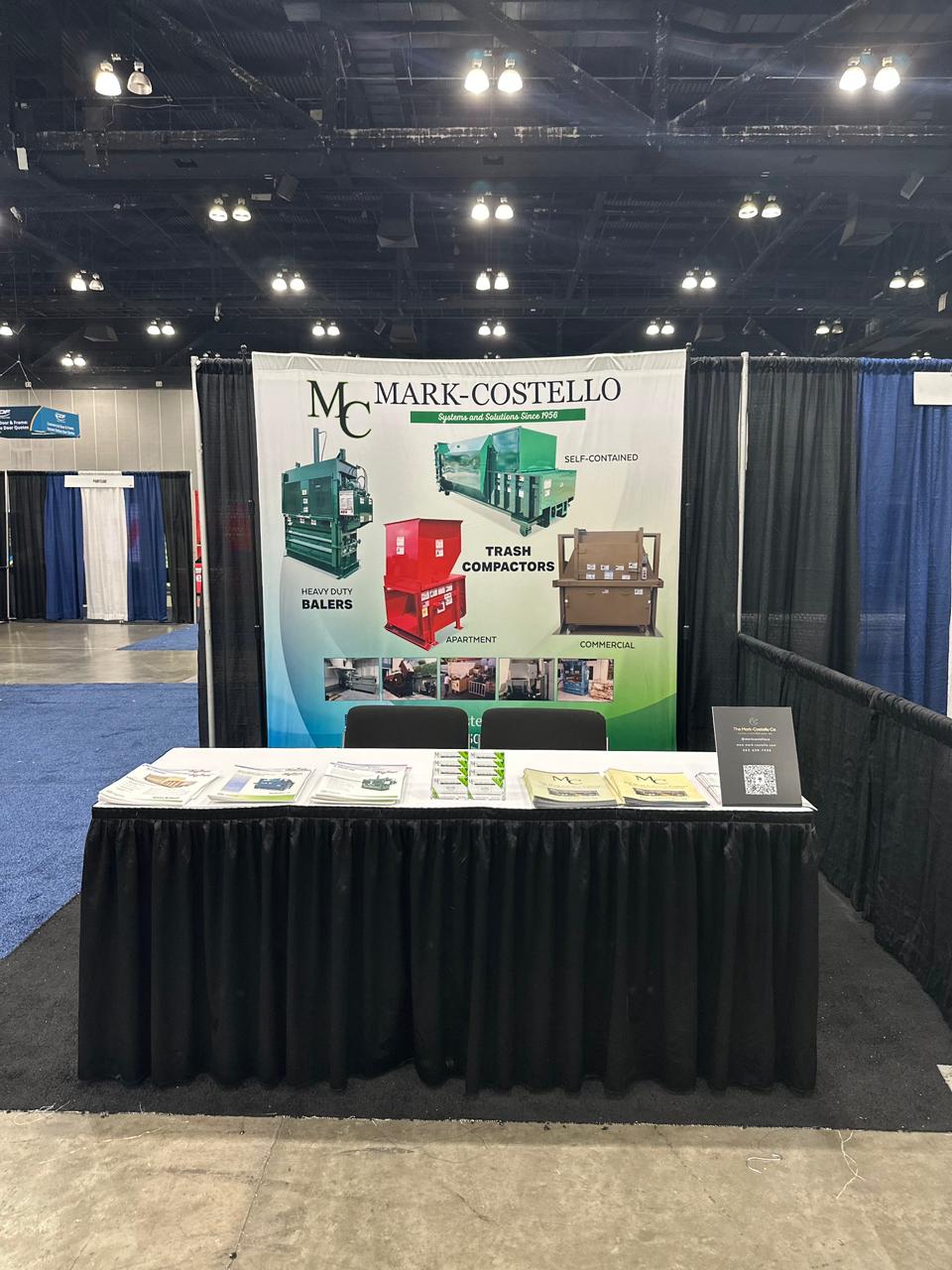
Introduction: Turning Waste Challenges into Cost Savings Modern commercial, industrial, and municipal facilities generate large amounts of waste every day. For operations that rely on efficiency and cost control, traditional waste handling often leads to issues like frequent pickups, overflowing bins, and increasing costs. This is why Heavy stationary Compactors have become essential tools for many organizations aiming to improve waste management. These systems compress large amounts of waste into smaller, more manageable loads. They help businesses reduce disposal frequency, maintain cleanliness, and significantly lower long-term operating costs. At The Mark-Costello Co., we have decades of experience providing engineered waste solutions that offer reliable performance, solid durability, and sustainable results. Our equipment helps facilities manage waste effectively while saving time, labor, and money. Understanding The Role of Heavy-Duty Stationary Compactors A stationary compactor is a powerful piece of waste-handling equipment designed to remain fixed while pressing waste into a separate container. Unlike self-contained or portable units, stationary compactors work best for dry waste streams and high-volume environments that need consistent compaction. These systems function by compressing waste inside a specialized chamber before pushing it into a container for transport. Since the compactor stays in one place and only the container is removed, facilities see stronger compression, less waste volume, and improved operational efficiency. Heavy-duty stationary Compactors are commonly used in: Manufacturing facilities Distribution centers Warehouses Retail complexes Municipal waste hubs Their main advantage is their ability to handle large volumes of waste with minimal maintenance, making them a reliable solution for facilities that need performance and consistency. The Problem With Traditional Waste Management Methods Traditional waste handling approaches often lead to unnecessary challenges that slow down operations and increase costs. Facilities, depending on basic dumpsters or multiple open-top containers often face: Frequent waste pickups Overflowing bins that create unsanitary conditions Extra labor is needed for the cleanup Higher fuel use from frequent hauling Increased clutter around loading docks or work areas These inefficiencies create more than just financial strain. They can lead to workplace hazards, lower employee productivity, and negative impressions among customers or visitors. Poor waste volume management also raises a facility’s environmental impact. More pickups mean higher emissions and greater landfill contributions. For organizations with sustainability goals, traditional methods simply cannot keep pace. Heavy-duty Stationary Compactors help address these challenges by controlling waste volume at the source, which improves both operational flow and cost efficiency. How Heavy Duty Stationary Compactors Work The compaction process is simple yet very effective. Each unit contains several key components that work together to reduce waste volume: Hopper where waste is loaded Ram that compresses the waste Compaction chamber for high-pressure compression A container that stores the compacted waste for hauling Control system for safe and easy operation Waste is placed into the hopper, where the ram pushes it into the chamber and compresses it with significant force. Once compacted, the waste moves into the container, which fills more slowly because of the reduced volume. When the container is full, a hauler removes it while the compactor stays in place for continuous use. The Mark-Costello Co. designs each compactor for smooth operation, solid durability, and optimal safety. Our systems are built for demanding environments where consistent waste handling and long-term reliability are crucial. The Key Benefits of Using Heavy-Duty Stationary Compactors Significant Waste Volume Reduction Heavy-duty stationary Compactors can cut waste volume by up to four times, depending on the material type. This leads to fewer containers on-site and fewer pickups from hauling services, helping facilities save space and maintain cleanliness. Lower Operating Costs Because compacted waste needs far fewer hauls, businesses benefit from lower transportation fees. Facilities that use stationary compactors often see measurable cost savings within the first year of operation. Cleaner, Safer Work Environments A well-managed waste system reduces odors, lowers pest activity, and prevents waste from spilling over into work areas. This creates a healthier and more organized environment for employees and visitors. Improved Sustainability By compressing waste into smaller loads, facilities reduce landfill contributions and lower emissions from hauling trucks. Compactors also help support recycling efforts by keeping waste streams organized and easier to manage. Enhanced Efficiency Automated compaction cuts down the need for manual waste handling. Staff spend less time managing dumpsters and more time focusing on their main tasks. This boosts productivity and helps maintain a steady workflow. Comparing Stationary Compactors To Self-Contained Models While both systems are designed to control waste, stationary and self-contained compactors serve different purposes. Stationary compactors work best for dry waste, high-volume operations, and industries where reducing waste volume is the top priority. These units are ideal for: Manufacturing plants Retail complexes Warehouses Distribution centers High-traffic commercial buildings Self-contained compactors are usually used for wet waste because they seal the compactor and container together, preventing leaks. Stationary models focus on superior compression power and customer flexibility. The Mark-Costello Co. offers both types of compactors, allowing facilities to choose a system that matches their waste stream and operational needs. Our team helps organizations assess their waste management goals to find the most efficient solution. Cost Savings Beyond The Obvious Many facilities first invest in compactors to reduce hauling frequency, but the financial benefits go much further. When Heavy Duty Stationary Compactors are added to a waste-handling process, organizations see savings in various areas: Reduced labor hours because staff spend less time on waste management Lower fuel use due to fewer pickups Decreased wear on trucks and containers Less maintenance on waste-handling equipment Improved workflow that supports higher productivity These savings lead to a strong return on investment. Many large facilities recover their compactor costs through operational savings alone within the first few years. By cutting both visible and hidden expenses, stationary compactors become valuable long-term assets that help organizations stay financially efficient. Installation, Operation, And Maintenance Best Practices Installing a stationary compactor requires careful planning to ensure proper placement and operation. Facilities should think about loading dock height, traffic flow, space requirements, and container access. The installation process usually includes setting …
Continue reading “How Heavy Duty Stationary Compactors Reduce Waste Volume and Operating Costs”