Blog

How to Choose the Right Medical Waste Sterilizer for Your Hospital or Clinic

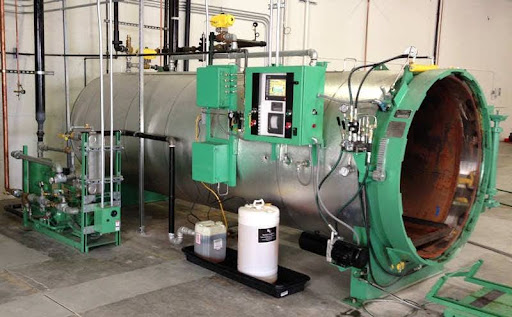
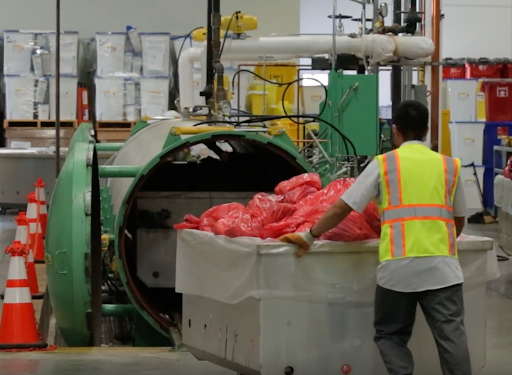
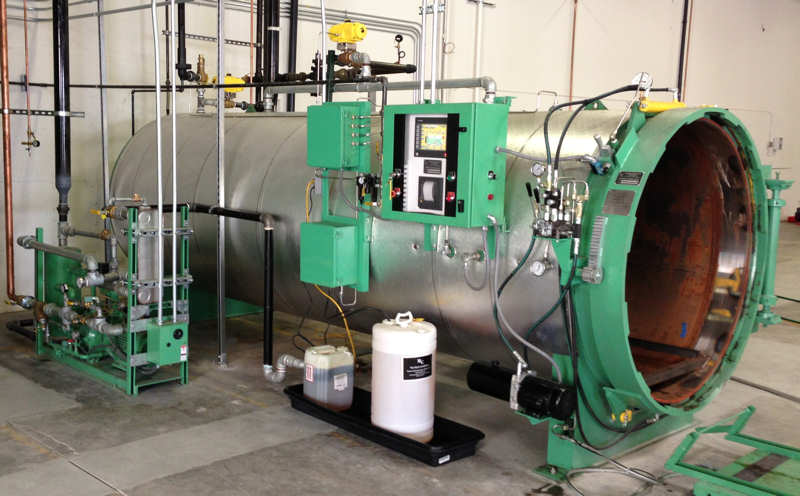
Buying a medical waste sterilizer is not a decision most healthcare administrators make twice. The equipment runs for decades, shapes daily operational workflows, and directly affects a facility’s compliance standing with state and federal regulators. Choose the wrong unit and the facility ends up with chronic bottlenecks, frustrated staff, and compliance gaps that could have been avoided entirely. This guide breaks down what actually matters in the selection process so facilities can match the right equipment to their real-world demands rather than a sales brochure. Start With Your Waste Volume, Not the Equipment Specs   The single most common mistake facilities make when evaluating a medical waste sterilizer is starting with the equipment rather than a clear picture of their own needs. Autoclave specifications mean very little in isolation. What matters is how a given system handles the specific waste stream a facility generates, day after day, at both average and peak volumes. Begin by calculating the average daily regulated medical waste output in pounds or kilograms, then look carefully at peak generation days. Waste volumes in hospitals are rarely uniform. Surgical schedules, patient census fluctuations, and departmental activity patterns create meaningful peaks and valleys. A system sized only for average volume creates a backlog on busy days, forcing regulated waste to accumulate in storage and creating both compliance and sanitation concerns. Also consider the characteristics of the waste itself. A facility generating mostly loosely packed bags of contaminated materials often processes them effectively in a gravity displacement system. A facility producing dense, compressed bags, full sharps containers, and heavy loads needs a system with more effective air removal to ensure steam penetrates every part of the load. The Main Medical Waste Sterilizer Types and When Each One Makes Sense   Gravity displacement autoclaves use steam’s natural buoyancy to displace air from the treatment chamber, pushing it out through a drain at the bottom as steam enters from the top. These systems are mechanically simpler, generally lower in initial cost, and require less complex maintenance over their operational lifespan. For facilities with moderate waste volume and relatively loose-packed loads, a gravity unit often delivers everything needed at a price point that makes financial sense. Pre-vacuum autoclaves use a mechanical vacuum pump to actively pull air from the chamber before steam enters. Mechanical air removal is faster and more thorough than gravity displacement, and it allows steam to penetrate dense or tightly packed waste loads far more effectively. For high-volume facilities, or those that routinely process heavy, compacted bags of mixed regulated waste, the additional investment in a pre-vacuum system pays off through better sterilization consistency and higher daily throughput. Continuous-feed systems process waste in an uninterrupted flow rather than in discrete batch cycles. They eliminate the cool-down and reload time between batches that standard autoclaves require, making them the right choice for very high-volume facilities, typically large hospital campuses, where waste generation runs continuously, and treatment capacity needs to keep pace. Alternative technologies, including microwave-based systems and chemical treatment, exist and have specific applications, but they carry more restrictions around which waste types they can treat and often face more variable regulatory acceptance across states. Autoclaving remains the most broadly permitted and most consistently accepted treatment method across regulatory jurisdictions nationwide. The full range of available medical waste sterilizer systems covers these configurations at varying capacity levels, giving facilities the ability to match system type and throughput to their actual operational profile. Throughput and Cycle Time: The Numbers That Actually Drive Daily Operations   Focusing exclusively on chamber volume when comparing autoclaves is a costly mistake. A large chamber with a slow cycle time can produce less treated waste per day than a smaller chamber running faster cycles, and a chamber that takes too long to load or unload creates friction throughout the waste handling workflow, regardless of its physical capacity. When evaluating systems, calculate estimated cycles per day based on a realistic operating schedule. Account for load time, heat-up, the full dwell phase, steam exhaust, cool-down, and unload time. That full-cycle clock determines how much waste a facility can actually process in a given shift, not just the dwell time alone. Consider also how cycle time interacts with waste storage. Regulated medical waste accumulating between cycles needs safe, compliant storage space. State regulations specify maximum storage times for untreated regulated waste, and facilities that underestimate throughput requirements can run up against those limits on peak days. Space, Infrastructure, and What Your Facility Has to Work With   A medical waste sterilizer does not install in isolation. It requires specific utilities and infrastructure, and assessing what a facility already has and what it would need to add is an essential part of choosing between system options. Steam supply represents the most significant infrastructure decision. Some autoclaves connect directly to a facility’s central steam plant. Others come with an integrated electric steam generator that produces steam on-site without requiring a steam line connection. Facilities without central steam, or those where routing steam lines to the installation location would be expensive or disruptive, often find that an integrated steam generator simplifies the project considerably. Drainage and plumbing accommodate the steam condensate and cooled effluent that every autoclave cycle produces. Effluent from a medical waste autoclave passes through a drain cooler before entering the facility’s sewer system. Local sewer authority requirements for effluent temperature and biological content vary, and facilities should confirm those requirements early in the planning process. Ventilation in the installation area must handle the heat and steam that the autoclave produces during operation. Inadequate air handling in the autoclave room leads to moisture accumulation and uncomfortable or unsafe working conditions for staff who load and unload the system. Loading access and floor space determine which ancillary equipment can realistically be integrated. Medical waste disposal carts and pull-out drawer systems allow staff to transfer waste into the autoclave without directly handling individual bags, improving safety and loading efficiency. These systems require specific clearances and floor space that need to be …

What Is a Self-Contained Compactor and When Should You Use One?

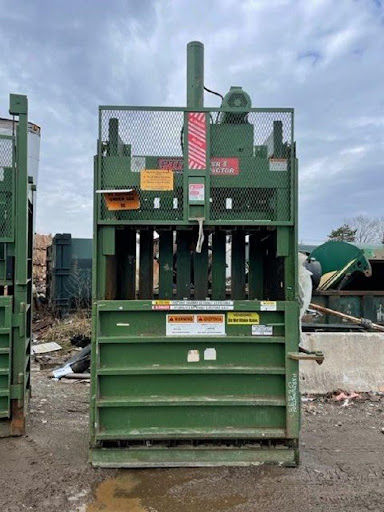
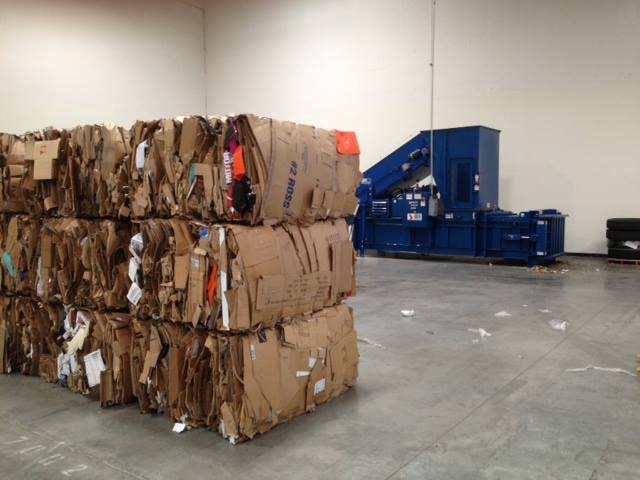
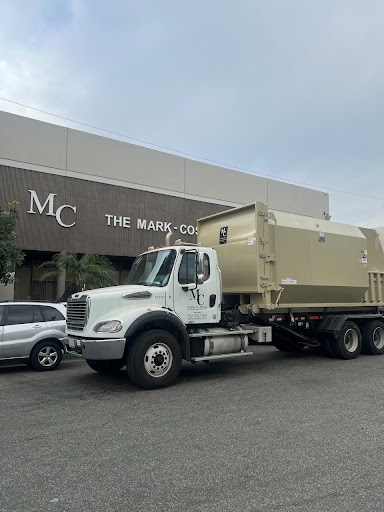
If your facility deals with wet, heavy, or odor-producing waste, a standard stationary compactor will cause problems fast. Leaking liquid, persistent odors, stained concrete, and sanitation complaints are not equipment failures; they are predictable outcomes when the wrong compactor type meets the wrong waste stream. A self-contained compactor addresses exactly this situation, and knowing when to use one versus a standard stationary unit can spare a facility from ongoing maintenance headaches, health code citations, and complaints from staff, tenants, or neighbors that never fully resolve. What Makes a Compactor “Self-Contained”?   The term “self-contained” refers to the most important structural difference between this type of compactor and a standard stationary unit. In a self-contained compactor, the ram, the hydraulic power unit, and the storage container form a single sealed unit. There is no connection point between a separate compactor head and a detachable container, which means there is no gap through which liquid can escape during operation or while the unit sits waiting for pickup. In a standard stationary compactor, the compactor head mounts separately and connects to a detachable container. This is efficient for dry waste, but the connection point between the two components is a chronic leak point when waste contains moisture. Leachate drains from compressed wet waste, seeps through those connection points, and accumulates on the ground or loading dock surface, creating exactly the kind of mess, odor, and sanitation risk that facilities with food service or organic waste streams cannot afford. A self-contained unit eliminates that problem by design. Liquid produced during compaction stays inside the sealed container until the entire unit gets swapped out by a hauler at service time. For wet, heavy, or odorous waste streams, this is not a premium upgrade; it is the baseline design that makes reliable, compliant waste handling possible. The Waste Streams That Call for a Self-Contained Unit   Not every facility needs a self-contained compactor. The decision comes down to the nature of the waste the facility generates. Several waste stream characteristics make a self-contained unit the right call. High moisture content is the primary driver. Waste that contains significant liquid, whether from food scraps, organic material, or contaminated packaging, produces leachate under compaction pressure. That liquid needs somewhere to go. In a sealed, self-contained unit, it stays inside the container. In a standard stationary compactor, it finds every gap and seam it can. Strong or persistent odors often accompany high-moisture waste, particularly in food service and healthcare settings. Because a self-contained unit keeps waste fully enclosed within a sealed container throughout the service cycle, it contains odors far more effectively than a stationary unit where the container connects to the ram housing at a joint that is rarely perfectly airtight. Regulatory or sanitation requirements in certain industries make liquid containment a compliance matter rather than just an operational preference. Food service establishments, healthcare facilities, and multi-tenant commercial buildings with restaurant tenants often face sanitation code requirements that a self-contained unit addresses directly. High-density or heavy waste also favors self-contained designs. The integrated construction of a self-contained compactor is built to handle the structural stresses of compacting very dense material, including food waste, produce scraps, and wet packaging. How a Self-Contained Compactor Works   The operating principle of a self-contained compactor is straightforward, and understanding it helps facilities evaluate whether it matches their workflow. Waste enters through a charge hopper on the top or side of the unit, depending on the model. Staff or automated feeding systems introduce waste into the hopper, which feeds directly into the compaction chamber. The hydraulic ram then engages, compressing waste from the hopper into the main container body. Because the ram, hopper, and container form a single continuous sealed structure, there is no external pathway for waste or liquid to escape during compression. Any moisture released during compaction remains inside the container. The unit continues to accept and compact waste until the container reaches capacity. A full indicator or pressure-based sensor alerts staff when the unit is ready for service. At that point, a waste hauler collects the entire unit and swaps it for an empty one that returns to service immediately. This swap-out model is a key operational distinction from stationary compactors. Unlike a stationary unit, where a hauler attaches an empty container and the compactor head stays in place, a self-contained compactor requires the full unit to be exchanged. Facilities typically need at least one spare unit available to maintain continuous operation, a logistics point worth planning for during the equipment selection process. Self-Contained vs. Stationary Compactors: How to Decide   Many facilities generate both wet and dry waste streams, and understanding which compactor type fits which stream is the core of making this decision well. Stationary compactors connect to detachable containers and work extremely well for dry waste: cardboard, paper, film, plastic, and general municipal solid waste that does not produce leachate under compaction. The heavy-duty stationary compactors used for dry streams are efficient, cost-effective, and well-suited to high-volume dry waste applications. Self-contained compactors are the right choice when wet waste enters the equation. The cost difference between the two types is real, but so is the cost of mismatching equipment to the waste stream. Leachate cleanup, odor complaints, drain maintenance, and health code issues from a stationary compactor handling wet waste add up continuously. A properly selected self-contained unit eliminates all of those costs. For facilities generating meaningful volumes of both wet and dry waste, operating separate compactors for each stream is often the most efficient and economical approach overall. Key Features to Look for When Choosing a Self-Contained Compactor   Not all self-contained compactors are built the same, and several design features separate units that perform well long-term from those that create operational problems. Seal integrity is the most important performance characteristic. The door seals, gate seals, and container body design determine how effectively the unit contains leachate and odors. Look for units with robust, replaceable seal systems and well-designed gate mechanisms that maintain a consistent …

On-Site Medical Waste Sterilization: How Hospitals Can Cut Treatment Costs by Thousands

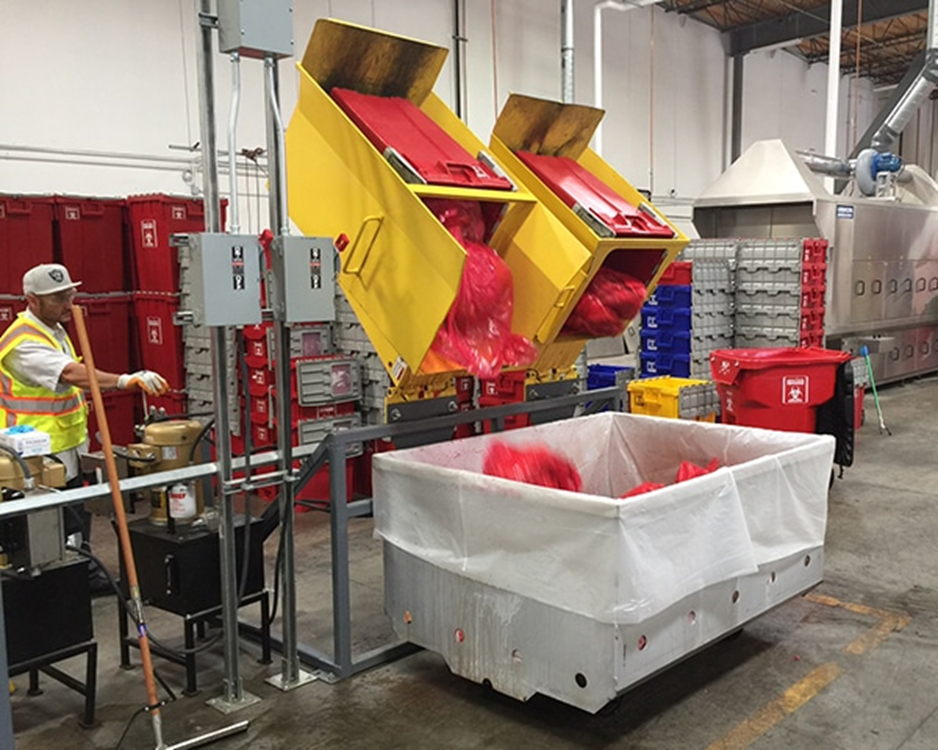
Every month, hospitals across the country write large checks to third-party medical waste haulers without questioning whether there is a better option. On-site medical waste sterilization offers a fundamentally different approach, one where facilities treat their own regulated waste, reclassify it as ordinary solid waste, and dramatically reduce what they pay for disposal. For many hospitals, the shift from off-site hauling to on-site treatment represents one of the most significant operational cost reductions available, without changing a single clinical practice or patient care protocol. Why Off-Site Medical Waste Disposal Keeps Getting More Expensive   The cost structure of off-site regulated medical waste disposal works against high-volume generators in almost every way. Third-party haulers charge by the pound or by the container, and rates for regulated medical waste run substantially higher than for ordinary commercial trash. On top of per-unit pricing, facilities also absorb pickup frequency fees, fuel surcharges, compliance documentation costs, and, in many cases, minimum service contracts that do not flex when waste volume drops. The EPA notes that regulated medical waste requires specific handling, documentation, and treatment methods across the entire chain from generation to final disposal. Every link in that chain carries a cost, and off-site vendors pass all of it back to the generating facility, along with their margin. What makes this particularly frustrating is that the waste haulers often collect it in a way that poses little active risk by the time it reaches a remote treatment facility. Sterilization, the same process an on-site autoclave performs in a matter of hours, is what makes regulated waste safe. Facilities paying a hauler to transport their waste across town and process it through an autoclave at a remote location are effectively funding transportation, handling, and vendor profit on top of the treatment itself. Bringing that treatment inside removes every one of those added costs from the equation. What On-Site Medical Waste Sterilization Actually Changes   On-site medical waste sterilization moves the treatment step inside the facility. A sterilizer or autoclave installed on-site treats regulated waste before it leaves the building. Once treated, that waste exits the regulated stream and qualifies, in most states, as ordinary municipal solid waste that standard haulers pick up at a fraction of what specialized medical waste haulers charge. The change is fundamental. Instead of paying premium rates to a regulated waste hauler for collection, transport, and treatment, a facility pays the operating costs of its own equipment plus standard solid waste disposal fees for the treated output. For facilities generating significant regulated waste volume, the financial shift is substantial and begins immediately after the system goes into service. Beyond direct cost reduction, on-site treatment gives facilities meaningful operational control. Pickup schedules, storage requirements, and chain-of-custody documentation all become simpler when treatment happens in-house. Facilities no longer depend on a single vendor’s schedule, pricing decisions, or capacity constraints. Breaking Down Where the Savings Actually Come From   The financial case for on-site medical waste sterilization rests on several overlapping savings that compound over time. Hauling cost reduction is the largest single saving. Regulated medical waste hauling costs significantly more per pound than ordinary solid waste disposal. When treated waste exits the regulated stream, a facility shifts that volume to a standard waste contract at dramatically lower per-unit costs. For hospitals generating hundreds or thousands of pounds of regulated waste each month, that difference accumulates quickly. Volume reduction through size reduction equipment adds another layer of savings. Autoclaved waste is still physically bulky. Running treated material through a medical waste size reduction system compresses and shreds it into a much smaller volume, reducing both the weight and cubic yardage that goes to disposal. Less volume means fewer pickups, and fewer pickups mean lower ongoing disposal costs month after month. Reduced handling labor follows from fewer specialized pickups and simpler logistics. Less time managing regulated waste containers, coordinating with haulers, and completing chain-of-custody paperwork means staff attention and labor hours redirected toward clinical and operational priorities. Cost predictability replaces the variability of hauler pricing. Hauler rates can shift with fuel costs, regulatory changes, or contract renegotiation cycles. Equipment operating costs, by contrast, are largely fixed and foreseeable, making multi-year budget planning substantially more reliable. For most facilities, equipment investment pays back within two to four years. After that, the savings continue for the full operational lifespan of the system, which, with proper maintenance, typically spans two decades or more. What a Complete On-Site Treatment System Looks Like   A fully functional on-site medical waste sterilization setup involves more than a single autoclave. A well-designed system integrates several components that work together to move waste safely, efficiently, and in compliance with applicable regulations. The sterilizer or autoclave forms the core treatment unit. The medical waste autoclave needs to be sized for the facility’s daily and peak waste volumes, with enough cycle capacity to process incoming waste without creating a backlog in storage areas. Cart dumpers and loading equipment allow staff to transfer waste from collection carts directly into the autoclave without handling individual bags manually. This protects workers from exposure risk, speeds the loading process, and reduces the chance of container damage or spills. Post-treatment shredders or grinders reduce treated waste volume and render treated material unrecognizable before it enters the solid waste stream. Conveyors can move treated waste automatically from the autoclave to the shredder, eliminating additional manual handling steps. Control and monitoring systems log cycle data automatically, capturing temperature, pressure, and dwell time for every treatment cycle. This creates the compliance documentation regulators require and simplifies the recordkeeping burden that falls on facility staff. The medical waste disposal systems that bring these components together into an integrated workflow deliver better outcomes than assembling components piecemeal from multiple vendors, because each element is selected and configured to work efficiently with the others. Navigating Permits and Compliance for On-Site Treatment   Permitting is a legitimate consideration that facilities should address early in the planning process. State requirements vary considerably. Some states require a specific permit …