
Blog
Commercial Garbage Compactors Designed for Retail Hospitality and Industrial Use
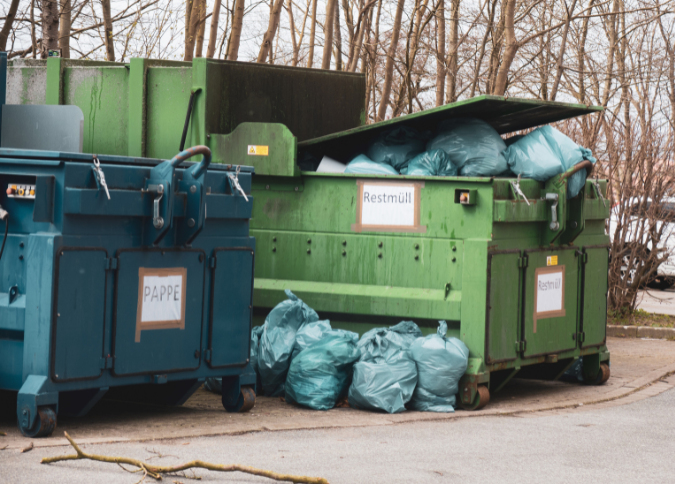
Commercial facilities across retail, hospitality, and industrial sectors face a recurring challenge: overflowing trash areas that disrupt daily operations and leave a poor impression on customers, staff, and visitors. Piles of waste not only create unpleasant odors but also demand constant attention from employees, complicating workflow and increasing labor costs. Behind the scenes, rising hauling fees quietly chip away at profit margins, adding an often-overlooked financial burden to businesses already managing tight operational budgets. Modern commercial garbage compactors offer a solution that addresses both cleanliness and cost concerns. Designed to manage high waste volumes efficiently, these engineered systems compress trash, reduce hauling frequency, and contain odors, creating a safer and more hygienic environment. For businesses ranging from retail stores to industrial warehouses, compactors are a strategic investment that transforms waste management from a recurring headache into a streamlined process. This blog explores how commercial garbage compactors work, their benefits across industries, and best practices for choosing and maintaining the right system for your facility. Why Commercial Facilities Struggle With Waste Volume and Odors High-traffic commercial spaces generate waste continuously throughout the day. In retail environments, trash accumulates from customer transactions, packaging materials, and staff operations. Hospitality facilities, such as hotels and restaurants, contend with high volumes of food waste, liquid disposal, and packaging debris. Industrial sites manage large amounts of scrap material, production byproducts, and packaging waste. Without an efficient system, these facilities quickly face overflow issues, particularly during peak operational periods. Space limitations further complicate waste management. Many facilities operate in urban or high-density areas where dumpsters and containers must fit within tight service alleys or back-of-house spaces. Improperly sized containers or outdated equipment often fail to keep pace with demand, resulting in unsightly piles, odors, and even pest problems. These sanitation issues affect both operational efficiency and the customer experience, undermining brand perception and potentially violating health regulations in hospitality settings. The hidden costs of inefficient waste management extend beyond physical cleanup. Frequent hauling services, emergency pickups, and labor spent managing overflowing trash contribute to ongoing operational expenses. Without a long-term strategy, commercial facilities risk continually escalating costs while maintaining substandard waste handling. How Commercial Garbage Compactors Transform Waste Management The key to efficient commercial waste management lies in high-pressure compaction. Commercial garbage compactors reduce trash volume significantly, allowing more waste to fit into each container. This directly translates into fewer pickups, lower hauling costs, and more predictable waste management schedules. Modern compactors also create cleaner, more controlled waste environments. Enclosed systems prevent exposure to air and heat, reducing odors and slowing decomposition. Leak-resistant containers contain liquids from food or industrial processes, minimizing pest attraction and health hazards. With predictable compaction cycles and easy-to-service equipment, these systems improve operational efficiency and reduce the daily maintenance burden for facility staff. By maintaining cleaner trash areas, businesses create safer, more hygienic workspaces and enhance the experience for customers and employees alike. Compactor Solutions for Retail Businesses Retail operations face unique waste management challenges. Customer-facing areas require clean, odor-free spaces to maintain brand reputation, while service alleys and loading zones must be navigable for staff and hauling trucks. Commercial garbage compactors designed for retail use help maintain these standards by controlling both volume and odor. Retail facilities often generate large amounts of cardboard, packaging materials, and general trash. Compacting these materials reduces the number of container pickups, freeing up storage space and cutting hauling costs. Many retail-focused compactors integrate recycling capabilities, allowing businesses to manage paper, cardboard, and other recyclable materials efficiently. Outdoor stationary units and smaller footprint systems can fit within constrained spaces, ensuring compliance with local regulations and maintaining a tidy exterior appearance for customers. Commercial Garbage Compactors for Hospitality Environments Hospitality facilities, including hotels, restaurants, and resorts, deal with high volumes of food and liquid waste that can create odors and hygiene concerns if unmanaged. Compactors built for hospitality environments focus on liquid containment, odor prevention, and quiet operation, ensuring that waste management does not disrupt guests or staff. Enclosed compactor systems streamline back-of-house workflow, reducing the time staff spends handling trash. By compressing waste efficiently, hotels and restaurants can decrease hauling frequency, lower labor costs, and maintain cleaner kitchens, storage areas, and service corridors. The result is a seamless operation that protects brand image and enhances guest satisfaction, while keeping sanitation standards compliant with health regulations. Industrial-Grade Compactors for Heavy Waste Loads Industrial and manufacturing sites contend with large volumes of scrap, packaging, and general waste. Commercial garbage compactors built for these environments are engineered for durability and long-term performance. Heavy-duty hydraulic systems, reinforced containers, and centralized waste stations allow facilities to manage high-volume trash without disrupting production or workflow. Industrial-grade compactors improve site organization, allowing for safer material handling and efficient disposal of large or irregularly shaped waste items. By reducing container overflow and facilitating centralized waste collection, these systems protect both staff and equipment while delivering predictable performance across demanding operational conditions. How Commercial Garbage Compactors Reduce Hauling Costs One of the most significant advantages of commercial garbage compactors is their ability to reduce hauling expenses. By compressing waste to a higher density, fewer truck visits are required to remove the same volume of trash. This lowers fuel, labor, and transportation costs while eliminating the risk of overflow penalties or emergency hauling fees. Predictable compaction cycles allow facilities to establish consistent hauling schedules, improving budget forecasting and reducing operational surprises. Over time, investing in a quality compactor system proves more cost-effective than relying on smaller, less efficient units or temporary solutions. Well-maintained systems also reduce downtime and repair costs, further contributing to long-term savings. How to Choose the Right Commercial Garbage Compactors Selecting the right system requires a thorough assessment of your facility’s waste generation and operational needs. Evaluate the types of waste produced, such as general trash, recyclables, wet waste, or industrial byproducts. Consider space layout, including indoor versus outdoor placement, loading zones, truck access, and chute integration. Industry-specific requirements also influence compactor choice. Hospitality facilities must comply with health and sanitation regulations, …
Continue reading “Commercial Garbage Compactors Designed for Retail Hospitality and Industrial Use”
Choosing a Commercial Trash Baler Based on Volume, Space, and Pickup Frequency
High-volume facilities face daily challenges when managing waste. Overflowing dumpsters, rising hauling fees, and wasted floor space can slow operations, disrupt workflows, and create unnecessary stress for staff. Many businesses discover that their waste handling equipment is either oversized, underpowered, or prone to frequent breakdowns, leaving operations vulnerable to both inefficiency and compliance risks. In environments where waste accumulates rapidly, understanding how to select the right commercial trash Baler is essential for long-term operational success. Choosing a commercial trash Baler is more than simply picking a machine that can hold a large volume of waste. It requires a careful assessment of facility-specific factors such as daily and peak waste output, available space for installation, and the frequency of waste pickups. Selecting a system without considering these factors often results in higher labor and hauling costs, workflow interruptions, and safety hazards. The right approach ensures a balance between operational efficiency, cost savings, and employee safety while maintaining regulatory compliance. This article provides a detailed guide for businesses seeking a commercial trash Baler that aligns with their facility’s volume, space, and pickup requirements. By examining real-world examples, operational insights, and key technical considerations, facility managers can make informed decisions that enhance daily operations and support long-term growth. Understanding Why the Right Commercial Trash Baler Matters The cost of poor waste management extends beyond overflowing dumpsters. Facilities with inefficient systems face higher hauling fees because loose or overfilled containers require more frequent pickups. Labor hours are consumed by staff moving waste manually, and cluttered disposal areas increase the risk of injuries and accidents. Inefficient waste handling can also affect productivity by blocking walkways, reducing floor space for operations, and slowing down essential workflows. Commercial trash Balers address these challenges by compressing waste into manageable volumes. Modern systems can reduce waste volume by up to 80 percent, allowing facilities to lower hauling frequency and associated costs. Balers also help maintain cleaner, more organized workspaces, reducing safety risks while improving overall workflow. By investing in a commercial trash Baler, businesses can optimize their operations while achieving measurable cost savings over time. Measuring Your Facility’s Waste Volume Correctly Determining the appropriate Baler begins with understanding the facility’s waste output. Tracking daily and weekly waste generation over several weeks provides a clear picture of volume and peak periods. Separating recyclables from general waste ensures that compaction systems are properly matched to different materials, whether cardboard, plastics, metals, or general refuse. Matching volume to Baler capacity is crucial. Smaller generators may only require light-duty or medium-duty Balers, while high-output operations need heavy-duty systems capable of continuous use. Undersized systems lead to overflow and wasted labor, while oversized machines tie up capital unnecessarily. Facilities should account for the number of bins or bags produced per shift, current pickup frequency, and the density of the waste to ensure the Baler is sized correctly for both present and future needs. Choosing Based on Available Space and Layout Facility layout plays a major role in selecting the right commercial trash Baler. Indoor versus outdoor installation considerations impact not only the type of equipment but also workflow efficiency. Indoor Balers must account for ventilation, noise, and safety, while outdoor installations need protection from weather and accessibility for trucks. Facility managers must plan for easy staff access while maintaining safe distances from operational zones. Vertical and horizontal Baler options offer flexibility for space-constrained sites or areas that require fast-loading access. Vertical balers maximize floor space by compressing waste upward, making them ideal for indoor areas with limited square footage. Horizontal or dock-side units facilitate direct truck loading and continuous operation in logistics or manufacturing environments. Proper layout planning ensures clear traffic paths for staff and equipment, truck access for pickups, and safe, organized zones for waste containment. How Pickup Frequency Shapes Your Baler Choice Pickup frequency is a defining factor in Baler selection. Facilities with high-frequency pickups may benefit from smaller Balers that cycle quickly and require less upfront investment. However, while initial costs may be lower, frequent hauling drives up long-term expenses. Conversely, facilities that reduce pickup frequency with larger, high-capacity Balers achieve maximum compression, fewer truck visits, and lower ongoing hauling costs. Finding the right balance between Baler size and pickup schedule requires careful analysis of waste volume and material density. By calculating the total cost of ownership, including equipment, labor, and hauling facilities, one can identify a solution that minimizes operational disruption while maintaining cost efficiency. Key Features That Improve Performance and Longevity The longevity and efficiency of a commercial trash Baler depend on several features. Heavy-duty construction, including reinforced steel chambers, ensures machines withstand continuous industrial use without frequent repairs. Automation and safety controls, such as interlock doors, emergency shutoffs, and automatic cycle controls, reduce the risk of accidents and allow staff to operate systems efficiently. Energy efficiency and noise reduction are also important. Modern hydraulic systems operate quietly, making indoor installations safer and more comfortable for staff. Facilities benefit from reliable equipment that performs consistently over years of heavy use while maintaining energy-conscious operations. Selecting Balers with these built-in features protects the investment and supports a safer, more productive workplace. Common Mistakes Businesses Make When Buying a Baler Businesses often make critical errors when selecting Balers. Choosing equipment based solely on price can lead to short-lived systems that require frequent maintenance, ultimately increasing costs. Ignoring future growth is another common mistake; as operations expand, undersized Balers quickly become bottlenecks, necessitating expensive retrofits or replacements. Overlooking service and support can also disrupt operations. Delayed repairs and insufficient maintenance programs lead to downtime, which negatively affects both workflow and profitability. Addressing these factors upfront ensures that facilities invest in a system that remains functional and efficient for years to come. How to Select a Baler Partner, Not Just Equipment Selecting a trusted Baler provider is as important as choosing the machine itself. Providers with engineering-based system design capabilities offer custom layouts tailored to each facility’s unique needs. Accurate volume assessments ensure the Baler is correctly sized, while professional installation and …
Continue reading “Choosing a Commercial Trash Baler Based on Volume, Space, and Pickup Frequency”
Industrial Waste Handling in Paramount for High-Volume Facilities and Compliance-Driven Operations
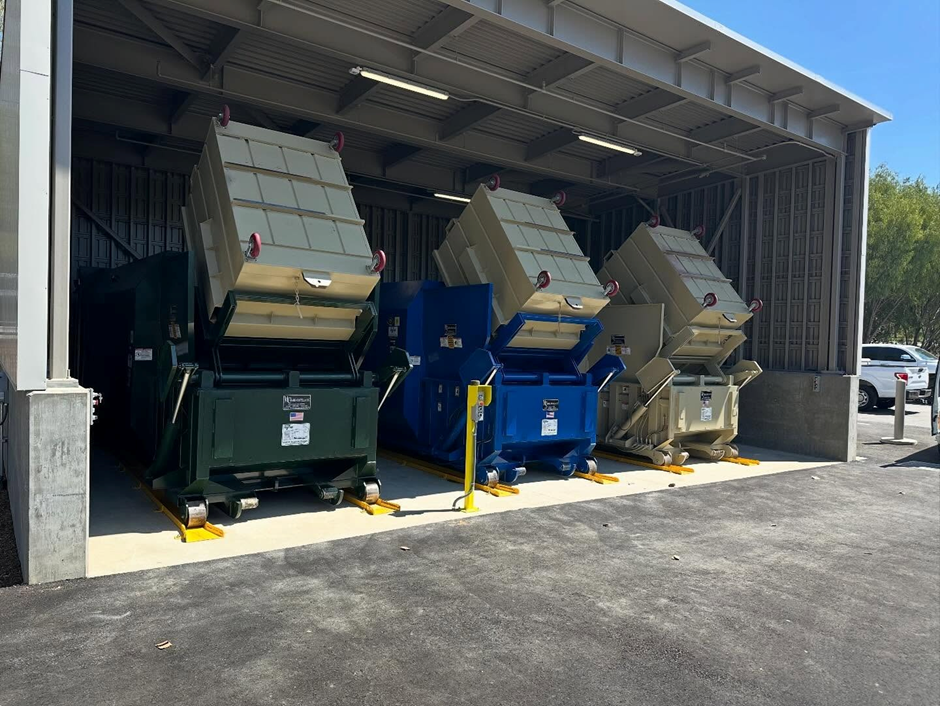
For high-volume facilities in Paramount, managing industrial and medical waste is no longer just a logistical concern; it is a critical operational necessity. Overflowing waste rooms, rising hauling costs, and the constant threat of regulatory penalties can disrupt daily workflows, reduce productivity, and even jeopardize employee safety. Facility managers, healthcare administrators, and operations directors face mounting pressure to implement waste handling systems that are both efficient and compliant. Without a structured approach, what begins as a minor inconvenience can quickly become a costly, high-risk problem. As facilities scale, aging equipment often slows down waste management processes, forcing staff into manual handling that increases injury risk and labor costs. Compounding the challenge, regulations around industrial and medical waste are tightening, leaving little room for error. The solution lies in modern, engineered waste systems that not only manage volume but also streamline workflow, enhance safety, and ensure compliance with local, state, and federal standards. Industrial waste handling in Paramount demands both foresight and strategic planning to align waste systems with operational growth. This article explores the challenges high-volume facilities face, the practical benefits of modern waste systems, and how companies can select solutions that scale alongside their operations. By understanding what today’s industrial waste handling solutions offer, decision-makers can transform what was once a burden into a streamlined, cost-effective process. Why High-Volume Facilities Struggle With Waste as They Scale The operational pressure of rising waste output is one of the most underestimated challenges in high-volume operations. As production lines expand, patient volumes increase in healthcare centers, or distribution activities accelerate, waste accumulates continuously. Without proper handling infrastructure, this accumulation creates congestion that slows workflows, risks contamination, and reduces available floor space. Facilities often rely on manual handling for extended periods, which not only consumes labor hours but also exposes staff to potential injuries and strains equipment beyond its intended capacity. The hidden cost of inefficient disposal extends far beyond labor. Frequent waste pickups increase hauling fees, while loose or unorganized storage consumes critical operational space. Cluttered waste rooms can block access to key production areas or emergency exits, causing unintended slowdowns in both manufacturing and healthcare environments. Moreover, the longer waste sits unprocessed, the greater the risk of environmental contamination, odor issues, and pest infestations. As facility volume grows, so too does the potential for operational disruption and hidden costs. Compliance risks intensify alongside volume. Regulatory scrutiny from OSHA, the EPA, and healthcare agencies is increasing nationwide, with inspectors looking closely at industrial, hazardous, and medical waste streams. Improper handling can result in fines, mandatory shutdowns, or reputational damage that extends beyond local markets. For high-volume facilities, the stakes are higher, making compliant, scalable systems not just a convenience but a necessity. What Modern Industrial Waste Systems Actually Do Modern industrial waste systems address both operational efficiency and compliance concerns. At their core, these systems centralize waste flow, reducing unnecessary movement, clutter, and manual handling. Instead of relying on scattered bins and frequent pickups, waste is channeled directly from production or collection points into secure, controlled systems, minimizing the time staff spend transporting materials. Volume reduction is another critical feature. Compactors and balers compress waste, turning bulky materials into manageable loads. This compression reduces pickup frequency, lowers hauling costs, and decreases landfill impact, all while maintaining a safe and organized workspace. For facilities handling regulated medical or biohazardous waste, specialized processing units provide sterilization and secure containment, ensuring that sensitive materials are neutralized before disposal. These systems integrate seamlessly into daily workflows, reducing bottlenecks and creating safer, more predictable operations. How Compliance Shapes Waste Handling Design Federal and state regulations heavily influence modern waste system design. OSHA standards dictate safe employee handling practices, while the EPA provides strict guidelines for industrial and hazardous materials. In healthcare environments, infectious waste regulations require specialized handling and sterilization before disposal. Modern waste systems incorporate these requirements directly into their design. Built-in safeguards are a hallmark of compliant systems. Sealed chambers prevent staff exposure to hazardous materials, while automated loading and compaction reduce the need for manual intervention. Clear waste separation features allow facilities to manage multiple streams of recyclables, medical waste, and general refuse without cross-contamination. Documentation and audit readiness are equally critical. Traceable workflows and consistent processing procedures ensure that facilities can demonstrate compliance during inspections, reducing the risk of fines and operational interruptions. Waste Equipment That Makes High-Volume Operations Work The backbone of any scalable waste system lies in its equipment. Industrial compactors are engineered for nonstop output, handling continuous loads without frequent maintenance. These systems come in indoor and outdoor configurations, allowing facilities to optimize layout based on floor space and workflow patterns. Balers complement compactors by managing recyclable streams such as cardboard, plastics, metals, and packaging materials, turning waste into easily transportable, high-density bundles. For medical and biohazardous waste, specialized processing units provide both volume reduction and sterilization in a controlled environment. By neutralizing risk on-site, these units protect staff and reduce the complexity of off-site disposal. Together, compactors, balers, and processing units form a comprehensive system capable of supporting high-volume operations efficiently, safely, and in full regulatory compliance. Designing a System Around Your Facility’s Workflow Effective waste management starts with understanding the unique waste streams within a facility. In manufacturing, scrap points and packaging areas often generate the bulk of solid waste. Distribution centers must account for packaging overflow and shipping debris, while healthcare facilities face a mix of regulated and general waste from treatment and patient care areas. Mapping these sources allows planners to position equipment optimally, reducing transport time and minimizing staff movement. Equipment capacity must align with actual output. Undersized systems create bottlenecks, while overinvestment in oversized units ties up capital unnecessarily. Layout planning further ensures that waste movement does not interfere with employee or forklift traffic, with secure containment areas placed strategically to maintain operational flow. When designed thoughtfully, a waste system integrates seamlessly into a facility, supporting both efficiency and safety. Common Waste Handling Mistakes High-Volume Facilities Make Many facilities continue to rely on …