
Category Archives: commercial trash compactor
Choosing a Commercial Trash Baler Based on Volume, Space, and Pickup Frequency
High-volume facilities face daily challenges when managing waste. Overflowing dumpsters, rising hauling fees, and wasted floor space can slow operations, disrupt workflows, and create unnecessary stress for staff. Many businesses discover that their waste handling equipment is either oversized, underpowered, or prone to frequent breakdowns, leaving operations vulnerable to both inefficiency and compliance risks. In environments where waste accumulates rapidly, understanding how to select the right commercial trash Baler is essential for long-term operational success. Choosing a commercial trash Baler is more than simply picking a machine that can hold a large volume of waste. It requires a careful assessment of facility-specific factors such as daily and peak waste output, available space for installation, and the frequency of waste pickups. Selecting a system without considering these factors often results in higher labor and hauling costs, workflow interruptions, and safety hazards. The right approach ensures a balance between operational efficiency, cost savings, and employee safety while maintaining regulatory compliance. This article provides a detailed guide for businesses seeking a commercial trash Baler that aligns with their facility’s volume, space, and pickup requirements. By examining real-world examples, operational insights, and key technical considerations, facility managers can make informed decisions that enhance daily operations and support long-term growth. Understanding Why the Right Commercial Trash Baler Matters The cost of poor waste management extends beyond overflowing dumpsters. Facilities with inefficient systems face higher hauling fees because loose or overfilled containers require more frequent pickups. Labor hours are consumed by staff moving waste manually, and cluttered disposal areas increase the risk of injuries and accidents. Inefficient waste handling can also affect productivity by blocking walkways, reducing floor space for operations, and slowing down essential workflows. Commercial trash Balers address these challenges by compressing waste into manageable volumes. Modern systems can reduce waste volume by up to 80 percent, allowing facilities to lower hauling frequency and associated costs. Balers also help maintain cleaner, more organized workspaces, reducing safety risks while improving overall workflow. By investing in a commercial trash Baler, businesses can optimize their operations while achieving measurable cost savings over time. Measuring Your Facility’s Waste Volume Correctly Determining the appropriate Baler begins with understanding the facility’s waste output. Tracking daily and weekly waste generation over several weeks provides a clear picture of volume and peak periods. Separating recyclables from general waste ensures that compaction systems are properly matched to different materials, whether cardboard, plastics, metals, or general refuse. Matching volume to Baler capacity is crucial. Smaller generators may only require light-duty or medium-duty Balers, while high-output operations need heavy-duty systems capable of continuous use. Undersized systems lead to overflow and wasted labor, while oversized machines tie up capital unnecessarily. Facilities should account for the number of bins or bags produced per shift, current pickup frequency, and the density of the waste to ensure the Baler is sized correctly for both present and future needs. Choosing Based on Available Space and Layout Facility layout plays a major role in selecting the right commercial trash Baler. Indoor versus outdoor installation considerations impact not only the type of equipment but also workflow efficiency. Indoor Balers must account for ventilation, noise, and safety, while outdoor installations need protection from weather and accessibility for trucks. Facility managers must plan for easy staff access while maintaining safe distances from operational zones. Vertical and horizontal Baler options offer flexibility for space-constrained sites or areas that require fast-loading access. Vertical balers maximize floor space by compressing waste upward, making them ideal for indoor areas with limited square footage. Horizontal or dock-side units facilitate direct truck loading and continuous operation in logistics or manufacturing environments. Proper layout planning ensures clear traffic paths for staff and equipment, truck access for pickups, and safe, organized zones for waste containment. How Pickup Frequency Shapes Your Baler Choice Pickup frequency is a defining factor in Baler selection. Facilities with high-frequency pickups may benefit from smaller Balers that cycle quickly and require less upfront investment. However, while initial costs may be lower, frequent hauling drives up long-term expenses. Conversely, facilities that reduce pickup frequency with larger, high-capacity Balers achieve maximum compression, fewer truck visits, and lower ongoing hauling costs. Finding the right balance between Baler size and pickup schedule requires careful analysis of waste volume and material density. By calculating the total cost of ownership, including equipment, labor, and hauling facilities, one can identify a solution that minimizes operational disruption while maintaining cost efficiency. Key Features That Improve Performance and Longevity The longevity and efficiency of a commercial trash Baler depend on several features. Heavy-duty construction, including reinforced steel chambers, ensures machines withstand continuous industrial use without frequent repairs. Automation and safety controls, such as interlock doors, emergency shutoffs, and automatic cycle controls, reduce the risk of accidents and allow staff to operate systems efficiently. Energy efficiency and noise reduction are also important. Modern hydraulic systems operate quietly, making indoor installations safer and more comfortable for staff. Facilities benefit from reliable equipment that performs consistently over years of heavy use while maintaining energy-conscious operations. Selecting Balers with these built-in features protects the investment and supports a safer, more productive workplace. Common Mistakes Businesses Make When Buying a Baler Businesses often make critical errors when selecting Balers. Choosing equipment based solely on price can lead to short-lived systems that require frequent maintenance, ultimately increasing costs. Ignoring future growth is another common mistake; as operations expand, undersized Balers quickly become bottlenecks, necessitating expensive retrofits or replacements. Overlooking service and support can also disrupt operations. Delayed repairs and insufficient maintenance programs lead to downtime, which negatively affects both workflow and profitability. Addressing these factors upfront ensures that facilities invest in a system that remains functional and efficient for years to come. How to Select a Baler Partner, Not Just Equipment Selecting a trusted Baler provider is as important as choosing the machine itself. Providers with engineering-based system design capabilities offer custom layouts tailored to each facility’s unique needs. Accurate volume assessments ensure the Baler is correctly sized, while professional installation and …
Continue reading “Choosing a Commercial Trash Baler Based on Volume, Space, and Pickup Frequency”
Choosing a Commercial Trash Compactor Based on Volume, Space, and Pickup Frequency
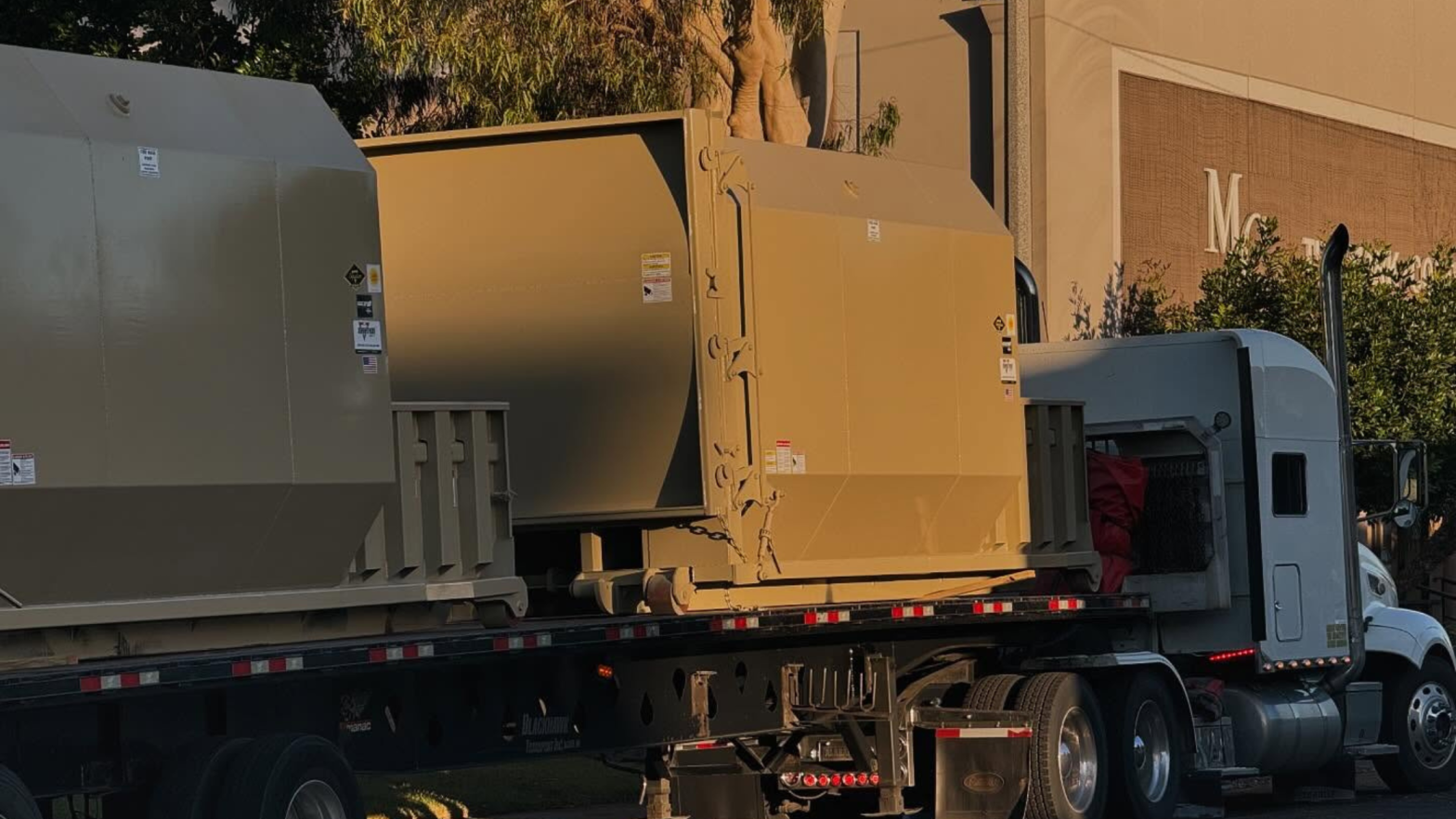
High-volume facilities face daily challenges when managing waste. Overflowing dumpsters, rising hauling fees, and wasted floor space can slow operations, disrupt workflows, and create unnecessary stress for staff. Many businesses discover that their waste handling equipment is either oversized, underpowered, or prone to frequent breakdowns, leaving operations vulnerable to both inefficiency and compliance risks. In environments where waste accumulates rapidly, understanding how to select the right commercial trash compactor is essential for long-term operational success. Choosing a commercial trash compactor is more than simply picking a machine that can hold a large volume of waste. It requires a careful assessment of facility-specific factors such as daily and peak waste output, available space for installation, and the frequency of waste pickups. Selecting a system without considering these factors often results in higher labor and hauling costs, workflow interruptions, and safety hazards. The right approach ensures a balance between operational efficiency, cost savings, and employee safety while maintaining regulatory compliance. This article provides a detailed guide for businesses seeking a commercial trash compactor that aligns with their facility’s volume, space, and pickup requirements. By examining real-world examples, operational insights, and key technical considerations, facility managers can make informed decisions that enhance daily operations and support long-term growth. Understanding Why the Right Commercial Trash Compactor Matters The cost of poor waste management extends beyond overflowing dumpsters. Facilities with inefficient systems face higher hauling fees because loose or overfilled containers require more frequent pickups. Labor hours are consumed by staff moving waste manually, and cluttered disposal areas increase the risk of injuries and accidents. Inefficient waste handling can also affect productivity by blocking walkways, reducing floor space for operations, and slowing down essential workflows. Commercial trash compactors address these challenges by compressing waste into manageable volumes. Modern systems can reduce waste volume by up to 80 percent, allowing facilities to lower hauling frequency and associated costs. Compactors also help maintain cleaner, more organized workspaces, reducing safety risks while improving overall workflow. By investing in a commercial trash compactor, businesses can optimize their operations while achieving measurable cost savings over time. Measuring Your Facility’s Waste Volume Correctly Determining the appropriate compactor begins with understanding the facility’s waste output. Tracking daily and weekly waste generation over several weeks provides a clear picture of volume and peak periods. Separating recyclables from general waste ensures that compaction systems are properly matched to different materials, whether cardboard, plastics, metals, or general refuse. Matching volume to compactor capacity is crucial. Smaller generators may only require light-duty or medium-duty compactors, while high-output operations need heavy-duty systems capable of continuous use. Undersized systems lead to overflow and wasted labor, while oversized machines tie up capital unnecessarily. Facilities should account for the number of bins or bags produced per shift, current pickup frequency, and the density of the waste to ensure the compactor is sized correctly for both present and future needs. Choosing Based on Available Space and Layout Facility layout plays a major role in selecting the right commercial trash compactor. Indoor versus outdoor installation considerations impact not only the type of equipment but also workflow efficiency. Indoor compactors must account for ventilation, noise, and safety, while outdoor installations need protection from weather and accessibility for trucks. Facility managers must plan for easy staff access while maintaining safe distances from operational zones. Vertical and horizontal compactor options offer flexibility for space-constrained sites or areas that require fast-loading access. Vertical compactors maximize floor space by compressing waste upward, making them ideal for indoor areas with limited square footage. Horizontal or dock-side units facilitate direct truck loading and continuous operation in logistics or manufacturing environments. Proper layout planning ensures clear traffic paths for staff and equipment, truck access for pickups, and safe, organized zones for waste containment. How Pickup Frequency Shapes Your Compactor Choice Pickup frequency is a defining factor in compactor selection. Facilities with high-frequency pickups may benefit from smaller compactors that cycle quickly and require less upfront investment. However, while initial costs may be lower, frequent hauling drives up long-term expenses. Conversely, facilities that reduce pickup frequency with larger, high-capacity compactors achieve maximum compression, fewer truck visits, and lower ongoing hauling costs. Finding the right balance between compactor size and pickup schedule requires careful analysis of waste volume and material density. By calculating the total cost of ownership, including equipment, labor, and hauling facilities, one can identify a solution that minimizes operational disruption while maintaining cost efficiency. Key Features That Improve Performance and Longevity The longevity and efficiency of a commercial trash compactor depend on several features. Heavy-duty construction, including reinforced steel chambers, ensures machines withstand continuous industrial use without frequent repairs. Automation and safety controls, such as interlock doors, emergency shutoffs, and automatic cycle controls, reduce the risk of accidents and allow staff to operate systems efficiently. Energy efficiency and noise reduction are also important. Modern hydraulic systems operate quietly, making indoor installations safer and more comfortable for staff. Facilities benefit from reliable equipment that performs consistently over years of heavy use while maintaining energy-conscious operations. Selecting compactors with these built-in features protects the investment and supports a safer, more productive workplace. Common Mistakes Businesses Make When Buying a Compactor Businesses often make critical errors when selecting compactors. Choosing equipment based solely on price can lead to short-lived systems that require frequent maintenance, ultimately increasing costs. Ignoring future growth is another common mistake; as operations expand, undersized compactors quickly become bottlenecks, necessitating expensive retrofits or replacements. Overlooking service and support can also disrupt operations. Delayed repairs and insufficient maintenance programs lead to downtime, which negatively affects both workflow and profitability. Addressing these factors upfront ensures that facilities invest in a system that remains functional and efficient for years to come. How to Select a Compactor Partner, Not Just Equipment Selecting a trusted compactor provider is as important as choosing the machine itself. Providers with engineering-based system design capabilities offer custom layouts tailored to each facility’s unique needs. Accurate volume assessments ensure the compactor is correctly sized, while professional installation and …