
Blog
What To Consider Before Investing in a Cardboard Compactor
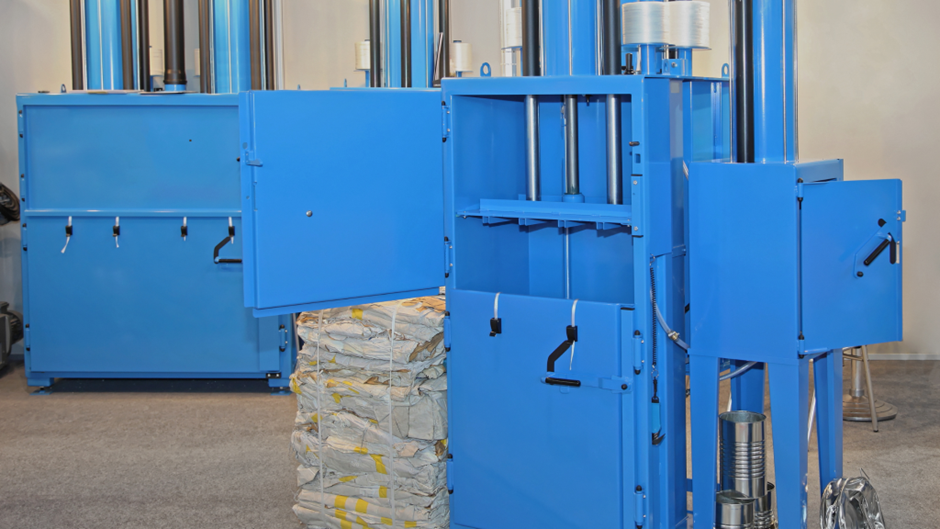
Investing in a Cardboard Compactor is no longer just an operational upgrade. It has become a strategic decision for businesses navigating rising waste volumes, tighter regulations, and increasing pressure to operate sustainably. Industrial and commercial spaces today generate significant amounts of cardboard waste, driven by packaging, logistics, and e-commerce expansion. Without a structured waste management approach, this material can quickly overwhelm facilities, leading to inefficiencies, higher disposal costs, and safety concerns. At the same time, organizations are recognizing the value of smarter waste handling practices. Efficient cardboard management not only reduces operational strain but also contributes to sustainability goals and cost savings. This is where the decision to invest in a Cardboard Compactor becomes relevant as a long-term solution rather than a short-term fix. This guide explores the key considerations businesses must evaluate before making this investment. From understanding operational needs to selecting the right partner, every aspect plays a role in ensuring the decision delivers measurable value. Understanding the Purpose of a Cardboard Compactor A cardboard compactor is a machine designed to compress bulky cardboard waste into manageable, dense volumes. This process significantly reduces the space required for storage and simplifies disposal or recycling logistics. For businesses dealing with high volumes of packaging waste, the equipment becomes an essential part of efficient waste handling operations. Compactors vs Balers While compactors and balers are often mentioned together, they serve different purposes. A compactor compresses waste into a container for disposal, whereas a waste baler creates tightly bound bales that can often be sold for recycling. Choosing between the two depends on whether the goal is waste reduction or recycling revenue generation. Understanding this distinction is critical before investing in a Cardboard Compactor to ensure the equipment aligns with operational objectives. Industries That Benefit Most Retail distribution centers, manufacturing plants, warehouses, and healthcare facilities are among the sectors that benefit significantly from cardboard compaction. In environments where packaging waste accumulates rapidly, compactors streamline operations and improve cleanliness and safety. Efficiency in Waste Management Compactors improve waste management efficiency by reducing collection frequency, minimizing labor, and keeping workspaces organized. Businesses working with providers like The Mark-Costello often find that integrated solutions offer both performance and reliability tailored to industrial needs. Evaluating Your Waste Volume and Type Before investing in a Cardboard Compactor, it is essential to understand the volume and type of waste your facility generates. This step ensures the selected equipment is neither underpowered nor excessively large for your needs. Assessing Waste Output A clear assessment of daily and monthly cardboard waste provides a baseline for equipment selection. Facilities producing large quantities may require high-capacity compactors, while smaller operations can function efficiently with compact units. Types of Cardboard Materials Not all cardboard behaves the same. Corrugated cardboard, wax-coated materials, and mixed packaging can affect compaction efficiency. Understanding the nature of waste helps in selecting equipment designed for specific material characteristics. Right-Sizing the Equipment Choosing the correct size is one of the most critical aspects of investing in a Cardboard Compactor. Undersized equipment leads to operational bottlenecks, while oversized machines can result in unnecessary costs. A balanced approach ensures optimal performance and cost efficiency. Avoiding Capacity Miscalculations Underestimating waste volume can lead to overflow issues and increased downtime. Overestimating, on the other hand, may result in higher upfront costs without proportional benefits. Working with experienced providers such as The Mark-Costello Co. can help businesses accurately evaluate their requirements. Space and Installation Requirements Space planning is often overlooked, but it plays a vital role in ensuring the success of investing in a Cardboard Compactor. The equipment must integrate seamlessly into the facility layout without disrupting existing workflows. Floor Space and Layout Determining available space is the first step. Compactors require adequate clearance for operation, maintenance, and safety compliance. Facilities with limited space may need compact or vertical designs to maximize efficiency. Indoor vs Outdoor Installation The decision between indoor and outdoor installation depends on operational needs and environmental conditions. Indoor units offer convenience and protection, while outdoor installations can save valuable interior space. Accessibility Considerations Ease of access for loading materials and servicing the equipment is crucial. Poor accessibility can lead to inefficiencies and increased labor costs, reducing the overall value of investing in a Cardboard Compactor. Regulatory Compliance Local safety and zoning regulations must be considered during installation. Compliance ensures smooth operations and avoids potential legal complications. Operational Efficiency and Ease of Use A compactor should enhance workflow rather than complicate it. When investing in a Cardboard Compactor, businesses must prioritize ease of use and operational efficiency. User-Friendly Features Modern compactors often include intuitive controls and automation features that simplify operation. These enhancements reduce the need for extensive training and improve overall productivity. Training Requirements Although most systems are designed for ease of use, staff training remains important. Proper training ensures safe operation and maximizes equipment lifespan. Impact on Workflow An efficiently integrated compactor reduces manual handling, speeds up waste processing, and keeps work areas organized. This leads to improved productivity across the facility. Safety Mechanisms Safety is a critical factor in any industrial equipment. Advanced safety features protect operators and ensure compliance with industry standards, making investing in a Cardboard Compactor a responsible operational decision. Cost Considerations and ROI Financial planning is central to the decision of investing in a Cardboard Compactor. While the initial cost may seem significant, the long-term benefits often justify the investment. Initial vs Long-Term Costs The upfront cost includes equipment purchase, installation, and setup. However, long-term savings come from reduced waste hauling, lower labor costs, and improved efficiency. Maintenance and Operations Routine maintenance ensures consistent performance and extends equipment life. Reliable providers like The Mark-Costello offer support services that minimize downtime and operational disruptions. Revenue from Recycling In some cases, compacted cardboard can generate revenue through recycling programs. This adds another dimension to the return on investment. Calculating ROI Evaluating ROI involves comparing savings in waste management costs against the initial investment. Businesses that approach investing in a Cardboard Compactor strategically often see measurable financial …
Continue reading “What To Consider Before Investing in a Cardboard Compactor”
How To Choose The Right Cardboard Compactor for Your Business
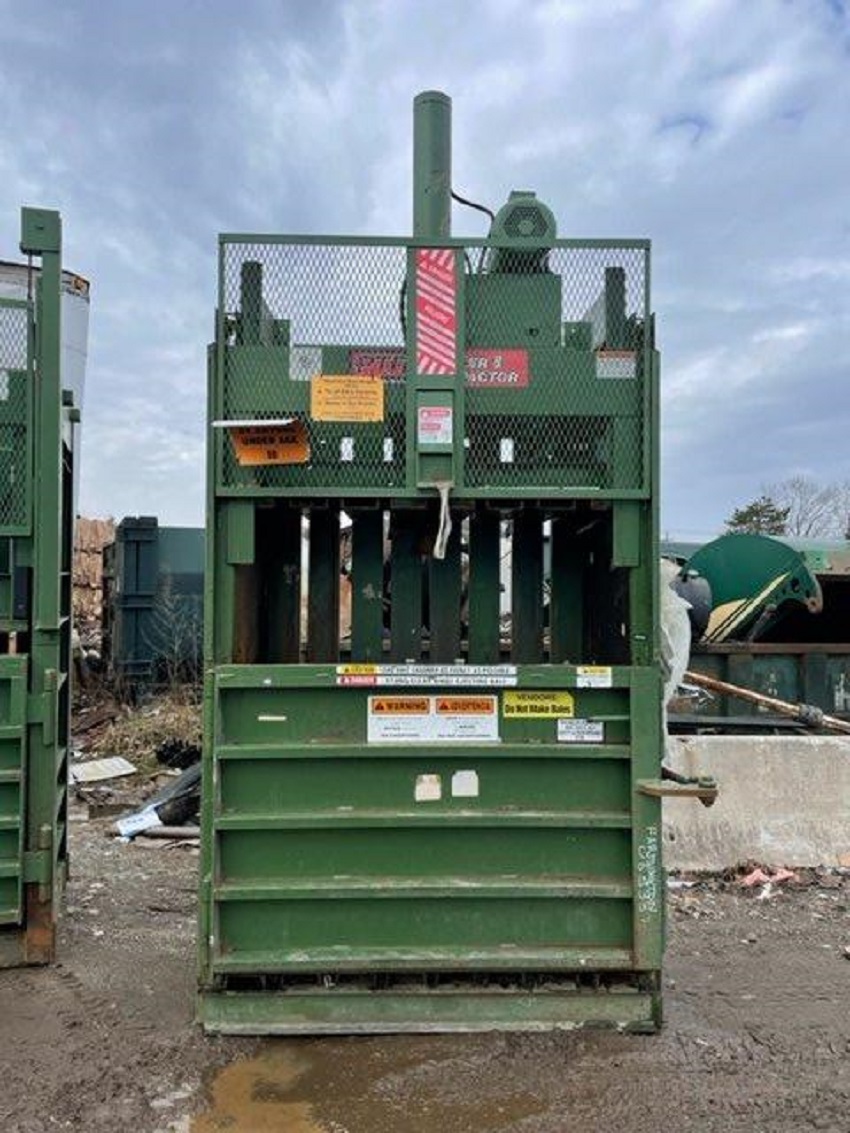
Choosing the right Cardboard Compactor for Your Business is more than a routine operational decision. It directly influences efficiency, cost management, and sustainability. Many businesses underestimate how quickly cardboard waste can accumulate, leading to cluttered workspaces, increased hauling costs, and reduced productivity. Across industries, from retail and warehousing to manufacturing and healthcare, managing cardboard waste efficiently has become essential. Without the right equipment, companies often struggle with inconsistent waste disposal practices, rising operational costs, and missed recycling opportunities. Selecting the right compactor can transform these challenges into measurable advantages. This guide will help you understand how to evaluate your needs, explore available options, and make a confident, informed decision that supports long-term business growth. Understanding the Role of Cardboard Compactors in Modern Businesses Cardboard compactors are specialized machines designed to compress large volumes of cardboard waste into dense, manageable bales or compacted loads. By reducing the volume of waste, they streamline storage, transportation, and recycling processes. In modern business environments, efficient waste management is closely tied to operational success. A well-selected Cardboard Compactor for Your Business minimizes clutter, improves workflow, and reduces the frequency of waste pickups. This not only cuts costs but also supports environmental responsibility by encouraging proper recycling practices. Industries such as retail chains, distribution centers, manufacturing plants, and healthcare facilities benefit significantly from compactors. In high-output environments, these machines become indispensable tools for maintaining organized operations. Companies dealing with waste handling systems often integrate compactors alongside other equipment, such as a waste baler, to create a cohesive waste management strategy. Assessing Your Business Waste Volume and Needs Before selecting equipment, it is essential to evaluate how much cardboard waste your business generates. This involves analyzing both daily output and long-term trends. A small retail store may produce a steady but manageable volume, while a warehouse may experience significant fluctuations during peak seasons. Understanding these patterns helps determine the capacity required for your Cardboard Compactor for Your Business. Businesses should also consider peak operational periods, such as holiday seasons or production surges, when waste output increases dramatically. Accurate assessment ensures that the chosen compactor can handle demand without overloading or inefficiency. Companies focusing on size reduction often find that aligning compactor capacity with waste volume leads to smoother operations and reduced downtime. Evaluating these factors early prevents costly upgrades or replacements later. Types of Cardboard Compactors Available Vertical Compactors for Small to Medium Operations Vertical compactors are ideal for businesses with moderate waste output. These machines are compact, easy to operate, and suitable for locations with limited space. They compress cardboard into dense bales, making them a practical choice for retail stores and smaller warehouses. Horizontal Compactors for High Volume Needs For larger operations, horizontal compactors offer higher efficiency and automation. They are designed to handle continuous waste flow and are commonly used in industrial settings where large volumes of cardboard are generated daily. A properly selected Cardboard Compactor for Your Business in this category can significantly improve productivity. Stationary vs. Self-Contained Options Stationary compactors are typically used for dry waste like cardboard, while self-contained compactors are designed to handle wet waste as well. Understanding this distinction is crucial when integrating the compactor into your existing system. Businesses that also manage specialized equipment, such as a medical waste sterilizer,r may need tailored solutions to ensure compatibility. Key Features to Consider Before Making a Decision When evaluating options, several features play a critical role in performance and usability. Compaction force determines how effectively the machine reduces waste volume. Higher force typically results in denser bales and fewer pickups. The physical size and footprint of the machine must align with available space. A well-fitted Cardboard Compactor for Your Business should integrate seamlessly into your facility without disrupting workflow. Safety is another essential factor. Modern compactors include features such as automatic shut-off systems, user-friendly controls, and protective guards. Ease of operation ensures that employees can use the equipment safely and efficiently. Durability and maintenance requirements should also be considered. Investing in a reliable machine reduces downtime and long-term costs. Businesses looking for dependable solutions often explore options from established providers like Mark Costello to ensure quality and performance. Evaluating Cost vs. Long-Term Value While the initial investment in a compactor may seem significant, it is important to consider the long-term financial benefits. A well-chosen Cardboard Compactor for Your Business reduces hauling frequency, lowers disposal costs, and improves operational efficiency. Over time, these savings can offset the initial expense and generate a strong return on investment. Businesses that incorporate a commercial compactor into their operations often see immediate improvements in waste management efficiency. Additionally, compacted cardboard can be recycled more easily, sometimes even generating revenue through recycling programs. This adds another layer of value, making the investment both economically and environmentally beneficial. Compliance, Safety, and Environmental Considerations Regulatory compliance is a critical aspect of waste management. Businesses must adhere to local and federal guidelines for waste disposal and recycling. Selecting the right Cardboard Compactor for Your Business ensures compliance while maintaining operational efficiency. Safety standards must also be prioritized. Proper training and equipment selection reduce the risk of workplace accidents. Compactors designed with advanced safety features help protect employees and maintain a secure working environment. From an environmental perspective, compactors play a vital role in reducing landfill waste. By enabling efficient recycling, businesses contribute to sustainability goals and reduce their environmental footprint. Companies that already use systems like waste baler solutions often find that compactors enhance their overall recycling strategy. Customization and Integration with Existing Systems Every business has unique requirements, and a one-size-fits-all approach rarely works. Customizing your Cardboard Compactor for Your Business ensures that it aligns with your operational needs and space constraints. Integration with existing systems is equally important. Businesses that already use advanced waste handling equipment should look for solutions that complement their current setup. This creates a seamless workflow and maximizes efficiency. Scalability is another key consideration. As your business grows, your waste management needs will evolve. Choosing equipment that can adapt to increased demand …
Continue reading “How To Choose The Right Cardboard Compactor for Your Business”
How To Choose the Right Cardboard Compactor for Your Business
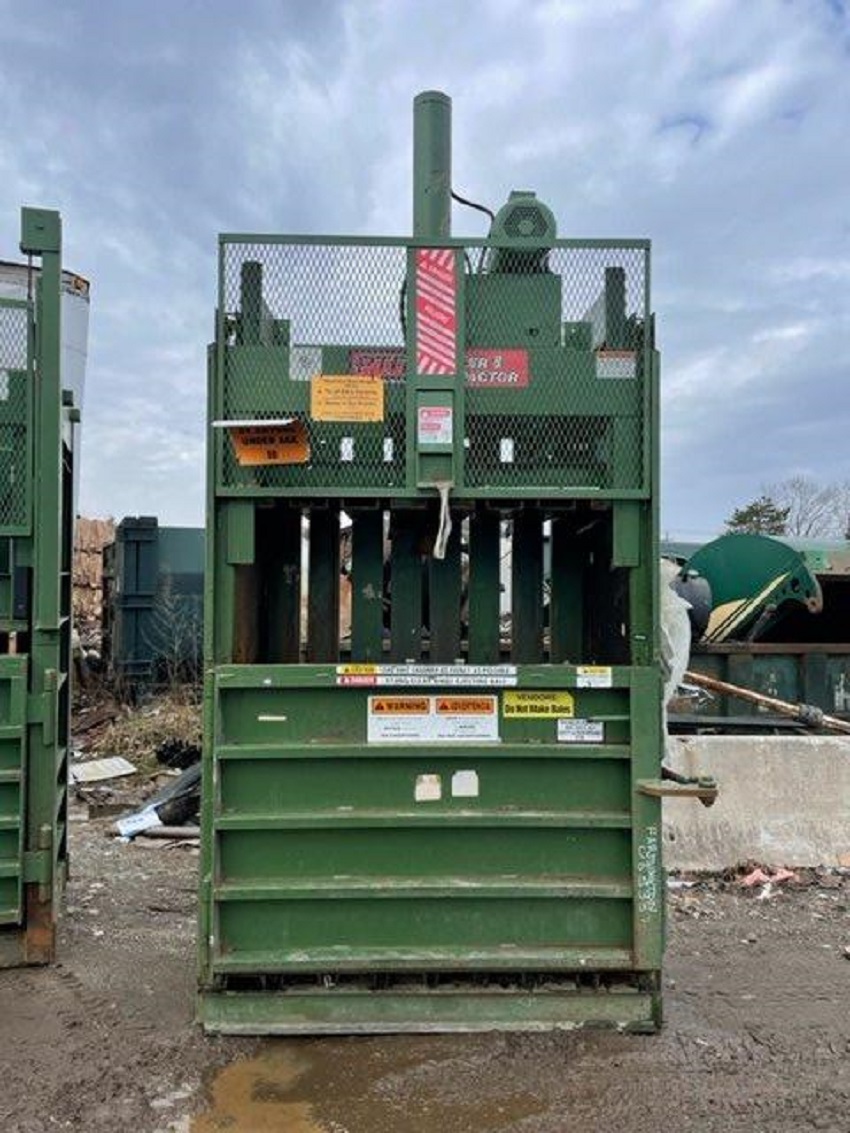
Choosing the right Cardboard Compactor for Your Business is more than a routine operational decision. It directly influences efficiency, cost management, and sustainability. Many businesses underestimate how quickly cardboard waste can accumulate, leading to cluttered workspaces, increased hauling costs, and reduced productivity. Across industries, from retail and warehousing to manufacturing and healthcare, managing cardboard waste efficiently has become essential. Without the right equipment, companies often struggle with inconsistent waste disposal practices, rising operational costs, and missed recycling opportunities. Selecting the right compactor can transform these challenges into measurable advantages. This guide will help you understand how to evaluate your needs, explore available options, and make a confident, informed decision that supports long-term business growth. Understanding the Role of Cardboard Compactors in Modern Businesses Cardboard compactors are specialized machines designed to compress large volumes of cardboard waste into dense, manageable bales or compacted loads. By reducing the volume of waste, they streamline storage, transportation, and recycling processes. In modern business environments, efficient waste management is closely tied to operational success. A well-selected Cardboard Compactor for Your Business minimizes clutter, improves workflow, and reduces the frequency of waste pickups. This not only cuts costs but also supports environmental responsibility by encouraging proper recycling practices. Industries such as retail chains, distribution centers, manufacturing plants, and healthcare facilities benefit significantly from compactors. In high-output environments, these machines become indispensable tools for maintaining organized operations. Companies dealing with waste handling systems often integrate compactors alongside other equipment, such as a waste baler, to create a cohesive waste management strategy. Assessing Your Business Waste Volume and Needs Before selecting equipment, it is essential to evaluate how much cardboard waste your business generates. This involves analyzing both daily output and long-term trends. A small retail store may produce a steady but manageable volume, while a warehouse may experience significant fluctuations during peak seasons. Understanding these patterns helps determine the capacity required for your Cardboard Compactor for Your Business. Businesses should also consider peak operational periods, such as holiday seasons or production surges, when waste output increases dramatically. Accurate assessment ensures that the chosen compactor can handle demand without overloading or inefficiency. Companies focusing on size reduction often find that aligning compactor capacity with waste volume leads to smoother operations and reduced downtime. Evaluating these factors early prevents costly upgrades or replacements later. Types of Cardboard Compactors Available Vertical Compactors for Small to Medium Operations Vertical compactors are ideal for businesses with moderate waste output. These machines are compact, easy to operate, and suitable for locations with limited space. They compress cardboard into dense bales, making them a practical choice for retail stores and smaller warehouses. Horizontal Compactors for High Volume Needs For larger operations, horizontal compactors offer higher efficiency and automation. They are designed to handle continuous waste flow and are commonly used in industrial settings where large volumes of cardboard are generated daily. A properly selected Cardboard Compactor for Your Business in this category can significantly improve productivity. Stationary vs. Self-Contained Options Stationary compactors are typically used for dry waste like cardboard, while self-contained compactors are designed to handle wet waste as well. Understanding this distinction is crucial when integrating the compactor into your existing system. Businesses that also manage specialized equipment, such as a medical waste sterilizer,r may need tailored solutions to ensure compatibility. Key Features to Consider Before Making a Decision When evaluating options, several features play a critical role in performance and usability. Compaction force determines how effectively the machine reduces waste volume. Higher force typically results in denser bales and fewer pickups. The physical size and footprint of the machine must align with available space. A well-fitted Cardboard Compactor for Your Business should integrate seamlessly into your facility without disrupting workflow. Safety is another essential factor. Modern compactors include features such as automatic shut-off systems, user-friendly controls, and protective guards. Ease of operation ensures that employees can use the equipment safely and efficiently. Durability and maintenance requirements should also be considered. Investing in a reliable machine reduces downtime and long-term costs. Businesses looking for dependable solutions often explore options from established providers like Mark Costello to ensure quality and performance. Evaluating Cost vs. Long-Term Value While the initial investment in a compactor may seem significant, it is important to consider the long-term financial benefits. A well-chosen Cardboard Compactor for Your Business reduces hauling frequency, lowers disposal costs, and improves operational efficiency. Over time, these savings can offset the initial expense and generate a strong return on investment. Businesses that incorporate a commercial compactor into their operations often see immediate improvements in waste management efficiency. Additionally, compacted cardboard can be recycled more easily, sometimes even generating revenue through recycling programs. This adds another layer of value, making the investment both economically and environmentally beneficial. Compliance, Safety, and Environmental Considerations Regulatory compliance is a critical aspect of waste management. Businesses must adhere to local and federal guidelines for waste disposal and recycling. Selecting the right Cardboard Compactor for Your Business ensures compliance while maintaining operational efficiency. Safety standards must also be prioritized. Proper training and equipment selection reduce the risk of workplace accidents. Compactors designed with advanced safety features help protect employees and maintain a secure working environment. From an environmental perspective, compactors play a vital role in reducing landfill waste. By enabling efficient recycling, businesses contribute to sustainability goals and reduce their environmental footprint. Companies that already use systems like waste baler solutions often find that compactors enhance their overall recycling strategy. Customization and Integration with Existing Systems Every business has unique requirements, and a one-size-fits-all approach rarely works. Customizing your Cardboard Compactor for Your Business ensures that it aligns with your operational needs and space constraints. Integration with existing systems is equally important. Businesses that already use advanced waste handling equipment should look for solutions that complement their current setup. This creates a seamless workflow and maximizes efficiency. Scalability is another key consideration. As your business grows, your waste management needs will evolve. Choosing equipment that can adapt to increased demand …
Continue reading “How To Choose the Right Cardboard Compactor for Your Business”