
Category Archives: commercial garbage compactors
Is a Commercial Garbage Compactor Worth the Investment?
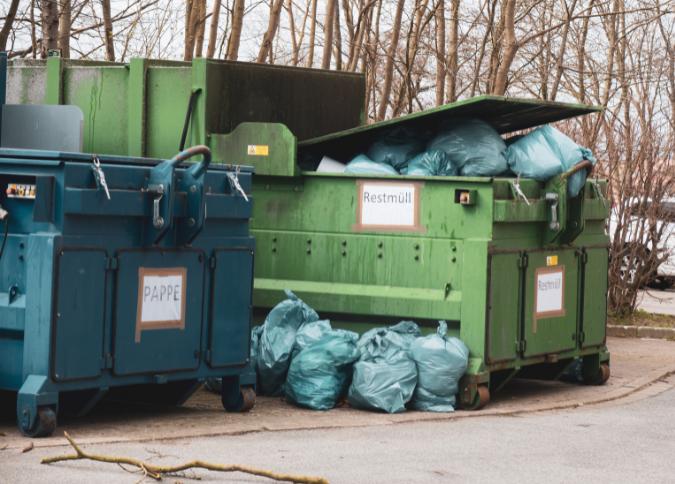
Commercial Garbage Compactor decisions often begin when businesses find themselves overwhelmed by growing waste volumes, rising disposal costs, and inefficient processes. What once seemed manageable can quickly turn into a persistent operational burden, especially in industries where packaging, shipping, and production generate continuous waste streams. Modern businesses are under increasing pressure to operate efficiently while maintaining environmental responsibility. Overflowing waste areas, frequent hauling schedules, and labor-intensive disposal routines not only affect productivity but also impact overall profitability. These challenges lead many organizations to consider whether investing in a compactor is a practical and worthwhile solution. This article offers a clear, expert-driven evaluation of whether a Commercial Garbage Compactor delivers real value. By examining functionality, costs, benefits, and long-term implications, businesses can make informed decisions that align with their operational goals. What Is a Commercial Garbage Compactor and How Does It Work A commercial garbage compactor is a machine designed to compress waste materials into a smaller, more manageable volume. By applying hydraulic pressure, the compactor reduces bulky waste such as cardboard, packaging materials, and general refuse into dense loads that are easier to store and transport. The working mechanism is straightforward yet highly effective. Waste is loaded into the compactor chamber, where a hydraulic ram compresses it repeatedly until the desired density is achieved. This process significantly reduces the amount of space required for waste storage. In facilities where waste handling is a daily concern, this efficiency can transform operations. Compactors are widely used across industries, including retail, logistics, manufacturing, hospitality, and healthcare. In some environments, they are integrated alongside specialized systems such as a medical waste sterilizer to maintain hygiene and compliance. For businesses generating consistent waste streams, a Commercial Garbage Compactor becomes an essential component of operational efficiency. Key Benefits of Investing in a Commercial Garbage Compactor One of the most immediate advantages of a compactor is its ability to reduce waste volume. By compressing materials, businesses can free up valuable space that would otherwise be occupied by loose waste. This improved space management contributes to a more organized and productive work environment. Another significant benefit is the reduction in hauling and disposal costs. Since compacted waste takes up less space, fewer pickups are required. Over time, this translates into substantial savings. Companies that also utilize a waste baler for recyclable materials often find that combining both systems enhances overall efficiency. Workplace cleanliness and hygiene also improve with the use of a compactor. Contained waste reduces the risk of pests, odors, and unsanitary conditions. This is particularly important in industries where cleanliness is closely tied to compliance and customer perception. Sustainability is another key factor. By supporting recycling efforts and enabling efficient size reduction, compactors help businesses reduce their environmental footprint. As organizations strive to meet sustainability goals, a Commercial Garbage Compactor becomes a valuable asset in responsible waste management. Understanding the Costs Involved Investing in a compactor requires careful consideration of both initial and ongoing costs. The upfront expense includes purchasing the equipment and installation. While this cost may seem significant, it is important to evaluate it within the broader context of long-term benefits. Ongoing expenses include maintenance, servicing, and energy consumption. Regular maintenance ensures that the equipment operates efficiently and has a longer lifespan. Businesses should also consider operational factors such as electricity usage and potential downtime during servicing. When comparing these costs to long-term savings, the picture becomes clearer. Reduced hauling fees, improved labor efficiency, and potential recycling revenue can offset the initial investment. A well-chosen Commercial Garbage Compactor often proves to be a financially sound decision over time. For businesses seeking reliable solutions, exploring options through Mark Costello provides access to expert guidance and proven systems. Evaluating Return on Investment for Your Business Return on investment is one of the most important considerations when evaluating any equipment purchase. Compactors deliver value by reducing the frequency of waste pickups. Fewer pickups mean lower transportation costs and less disruption to daily operations. Labor efficiency is another contributing factor. Employees spend less time managing waste, allowing them to focus on core business activities. This improved productivity can have a measurable impact on overall performance. The financial advantages vary depending on the size and nature of the business. Large facilities with high waste output often see quicker returns, while smaller operations may experience more gradual benefits. Regardless of scale, a Commercial Garbage Compactor offers long-term value by streamlining waste processes and reducing operational costs. Businesses can explore tailored solutions and consultations by contacting us to better understand potential ROI. Types of Commercial Garbage Compactors Available Different types of compactors are designed to meet varying operational needs. Stationary compactors are commonly used for dry waste such as cardboard and packaging materials. They are ideal for facilities with consistent waste streams and high volumes. Self-contained compactors, on the other hand, are designed to handle wet waste as well. These units are sealed to prevent leaks and odors, making them suitable for environments such as restaurants and healthcare facilities. Vertical and horizontal compactors offer additional options. Vertical units are compact and suitable for smaller spaces, while horizontal systems are designed for high-volume operations and continuous use. Selecting the right Commercial Garbage Compactor depends on factors such as waste type, volume, and available space. Factors to Consider Before Making the Investment Before committing to a compactor, businesses should evaluate several key factors. The volume and type of waste generated play a crucial role in determining the appropriate equipment. Facilities producing large quantities of cardboard or packaging materials will benefit more from compaction systems. Available space and facility layout must also be considered. The compactor should fit seamlessly into the existing environment without disrupting workflow. Compliance with local regulations and safety standards is equally important to ensure smooth operation. Ease of use is another critical aspect. Equipment that is simple to operate reduces training requirements and minimizes the risk of errors. In environments where advanced systems, such as a commercial compactor, are already in place, integration becomes a key consideration. A carefully …
Continue reading “Is a Commercial Garbage Compactor Worth the Investment?”
Commercial Garbage Compactors Designed for Retail Hospitality and Industrial Use
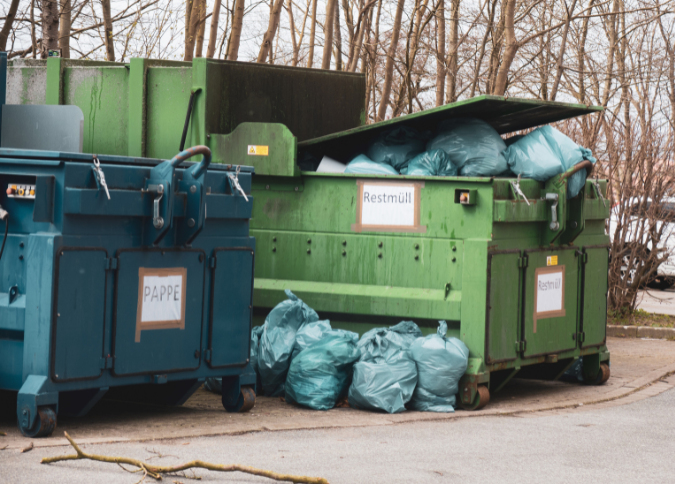
Commercial facilities across retail, hospitality, and industrial sectors face a recurring challenge: overflowing trash areas that disrupt daily operations and leave a poor impression on customers, staff, and visitors. Piles of waste not only create unpleasant odors but also demand constant attention from employees, complicating workflow and increasing labor costs. Behind the scenes, rising hauling fees quietly chip away at profit margins, adding an often-overlooked financial burden to businesses already managing tight operational budgets. Modern commercial garbage compactors offer a solution that addresses both cleanliness and cost concerns. Designed to manage high waste volumes efficiently, these engineered systems compress trash, reduce hauling frequency, and contain odors, creating a safer and more hygienic environment. For businesses ranging from retail stores to industrial warehouses, compactors are a strategic investment that transforms waste management from a recurring headache into a streamlined process. This blog explores how commercial garbage compactors work, their benefits across industries, and best practices for choosing and maintaining the right system for your facility. Why Commercial Facilities Struggle With Waste Volume and Odors High-traffic commercial spaces generate waste continuously throughout the day. In retail environments, trash accumulates from customer transactions, packaging materials, and staff operations. Hospitality facilities, such as hotels and restaurants, contend with high volumes of food waste, liquid disposal, and packaging debris. Industrial sites manage large amounts of scrap material, production byproducts, and packaging waste. Without an efficient system, these facilities quickly face overflow issues, particularly during peak operational periods. Space limitations further complicate waste management. Many facilities operate in urban or high-density areas where dumpsters and containers must fit within tight service alleys or back-of-house spaces. Improperly sized containers or outdated equipment often fail to keep pace with demand, resulting in unsightly piles, odors, and even pest problems. These sanitation issues affect both operational efficiency and the customer experience, undermining brand perception and potentially violating health regulations in hospitality settings. The hidden costs of inefficient waste management extend beyond physical cleanup. Frequent hauling services, emergency pickups, and labor spent managing overflowing trash contribute to ongoing operational expenses. Without a long-term strategy, commercial facilities risk continually escalating costs while maintaining substandard waste handling. How Commercial Garbage Compactors Transform Waste Management The key to efficient commercial waste management lies in high-pressure compaction. Commercial garbage compactors reduce trash volume significantly, allowing more waste to fit into each container. This directly translates into fewer pickups, lower hauling costs, and more predictable waste management schedules. Modern compactors also create cleaner, more controlled waste environments. Enclosed systems prevent exposure to air and heat, reducing odors and slowing decomposition. Leak-resistant containers contain liquids from food or industrial processes, minimizing pest attraction and health hazards. With predictable compaction cycles and easy-to-service equipment, these systems improve operational efficiency and reduce the daily maintenance burden for facility staff. By maintaining cleaner trash areas, businesses create safer, more hygienic workspaces and enhance the experience for customers and employees alike. Compactor Solutions for Retail Businesses Retail operations face unique waste management challenges. Customer-facing areas require clean, odor-free spaces to maintain brand reputation, while service alleys and loading zones must be navigable for staff and hauling trucks. Commercial garbage compactors designed for retail use help maintain these standards by controlling both volume and odor. Retail facilities often generate large amounts of cardboard, packaging materials, and general trash. Compacting these materials reduces the number of container pickups, freeing up storage space and cutting hauling costs. Many retail-focused compactors integrate recycling capabilities, allowing businesses to manage paper, cardboard, and other recyclable materials efficiently. Outdoor stationary units and smaller footprint systems can fit within constrained spaces, ensuring compliance with local regulations and maintaining a tidy exterior appearance for customers. Commercial Garbage Compactors for Hospitality Environments Hospitality facilities, including hotels, restaurants, and resorts, deal with high volumes of food and liquid waste that can create odors and hygiene concerns if unmanaged. Compactors built for hospitality environments focus on liquid containment, odor prevention, and quiet operation, ensuring that waste management does not disrupt guests or staff. Enclosed compactor systems streamline back-of-house workflow, reducing the time staff spends handling trash. By compressing waste efficiently, hotels and restaurants can decrease hauling frequency, lower labor costs, and maintain cleaner kitchens, storage areas, and service corridors. The result is a seamless operation that protects brand image and enhances guest satisfaction, while keeping sanitation standards compliant with health regulations. Industrial-Grade Compactors for Heavy Waste Loads Industrial and manufacturing sites contend with large volumes of scrap, packaging, and general waste. Commercial garbage compactors built for these environments are engineered for durability and long-term performance. Heavy-duty hydraulic systems, reinforced containers, and centralized waste stations allow facilities to manage high-volume trash without disrupting production or workflow. Industrial-grade compactors improve site organization, allowing for safer material handling and efficient disposal of large or irregularly shaped waste items. By reducing container overflow and facilitating centralized waste collection, these systems protect both staff and equipment while delivering predictable performance across demanding operational conditions. How Commercial Garbage Compactors Reduce Hauling Costs One of the most significant advantages of commercial garbage compactors is their ability to reduce hauling expenses. By compressing waste to a higher density, fewer truck visits are required to remove the same volume of trash. This lowers fuel, labor, and transportation costs while eliminating the risk of overflow penalties or emergency hauling fees. Predictable compaction cycles allow facilities to establish consistent hauling schedules, improving budget forecasting and reducing operational surprises. Over time, investing in a quality compactor system proves more cost-effective than relying on smaller, less efficient units or temporary solutions. Well-maintained systems also reduce downtime and repair costs, further contributing to long-term savings. How to Choose the Right Commercial Garbage Compactors Selecting the right system requires a thorough assessment of your facility’s waste generation and operational needs. Evaluate the types of waste produced, such as general trash, recyclables, wet waste, or industrial byproducts. Consider space layout, including indoor versus outdoor placement, loading zones, truck access, and chute integration. Industry-specific requirements also influence compactor choice. Hospitality facilities must comply with health and sanitation regulations, …
Continue reading “Commercial Garbage Compactors Designed for Retail Hospitality and Industrial Use”