
Blog
Is a Commercial Garbage Compactor Worth the Investment?
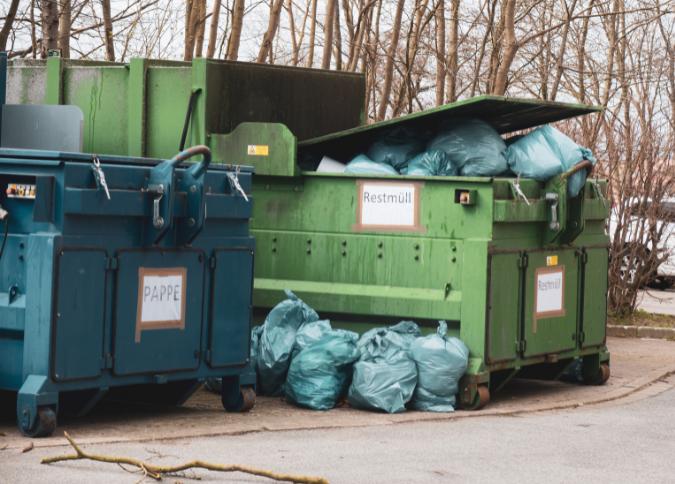
Commercial Garbage Compactor decisions often begin when businesses find themselves overwhelmed by growing waste volumes, rising disposal costs, and inefficient processes. What once seemed manageable can quickly turn into a persistent operational burden, especially in industries where packaging, shipping, and production generate continuous waste streams. Modern businesses are under increasing pressure to operate efficiently while maintaining environmental responsibility. Overflowing waste areas, frequent hauling schedules, and labor-intensive disposal routines not only affect productivity but also impact overall profitability. These challenges lead many organizations to consider whether investing in a compactor is a practical and worthwhile solution. This article offers a clear, expert-driven evaluation of whether a Commercial Garbage Compactor delivers real value. By examining functionality, costs, benefits, and long-term implications, businesses can make informed decisions that align with their operational goals. What Is a Commercial Garbage Compactor and How Does It Work A commercial garbage compactor is a machine designed to compress waste materials into a smaller, more manageable volume. By applying hydraulic pressure, the compactor reduces bulky waste such as cardboard, packaging materials, and general refuse into dense loads that are easier to store and transport. The working mechanism is straightforward yet highly effective. Waste is loaded into the compactor chamber, where a hydraulic ram compresses it repeatedly until the desired density is achieved. This process significantly reduces the amount of space required for waste storage. In facilities where waste handling is a daily concern, this efficiency can transform operations. Compactors are widely used across industries, including retail, logistics, manufacturing, hospitality, and healthcare. In some environments, they are integrated alongside specialized systems such as a medical waste sterilizer to maintain hygiene and compliance. For businesses generating consistent waste streams, a Commercial Garbage Compactor becomes an essential component of operational efficiency. Key Benefits of Investing in a Commercial Garbage Compactor One of the most immediate advantages of a compactor is its ability to reduce waste volume. By compressing materials, businesses can free up valuable space that would otherwise be occupied by loose waste. This improved space management contributes to a more organized and productive work environment. Another significant benefit is the reduction in hauling and disposal costs. Since compacted waste takes up less space, fewer pickups are required. Over time, this translates into substantial savings. Companies that also utilize a waste baler for recyclable materials often find that combining both systems enhances overall efficiency. Workplace cleanliness and hygiene also improve with the use of a compactor. Contained waste reduces the risk of pests, odors, and unsanitary conditions. This is particularly important in industries where cleanliness is closely tied to compliance and customer perception. Sustainability is another key factor. By supporting recycling efforts and enabling efficient size reduction, compactors help businesses reduce their environmental footprint. As organizations strive to meet sustainability goals, a Commercial Garbage Compactor becomes a valuable asset in responsible waste management. Understanding the Costs Involved Investing in a compactor requires careful consideration of both initial and ongoing costs. The upfront expense includes purchasing the equipment and installation. While this cost may seem significant, it is important to evaluate it within the broader context of long-term benefits. Ongoing expenses include maintenance, servicing, and energy consumption. Regular maintenance ensures that the equipment operates efficiently and has a longer lifespan. Businesses should also consider operational factors such as electricity usage and potential downtime during servicing. When comparing these costs to long-term savings, the picture becomes clearer. Reduced hauling fees, improved labor efficiency, and potential recycling revenue can offset the initial investment. A well-chosen Commercial Garbage Compactor often proves to be a financially sound decision over time. For businesses seeking reliable solutions, exploring options through Mark Costello provides access to expert guidance and proven systems. Evaluating Return on Investment for Your Business Return on investment is one of the most important considerations when evaluating any equipment purchase. Compactors deliver value by reducing the frequency of waste pickups. Fewer pickups mean lower transportation costs and less disruption to daily operations. Labor efficiency is another contributing factor. Employees spend less time managing waste, allowing them to focus on core business activities. This improved productivity can have a measurable impact on overall performance. The financial advantages vary depending on the size and nature of the business. Large facilities with high waste output often see quicker returns, while smaller operations may experience more gradual benefits. Regardless of scale, a Commercial Garbage Compactor offers long-term value by streamlining waste processes and reducing operational costs. Businesses can explore tailored solutions and consultations by contacting us to better understand potential ROI. Types of Commercial Garbage Compactors Available Different types of compactors are designed to meet varying operational needs. Stationary compactors are commonly used for dry waste such as cardboard and packaging materials. They are ideal for facilities with consistent waste streams and high volumes. Self-contained compactors, on the other hand, are designed to handle wet waste as well. These units are sealed to prevent leaks and odors, making them suitable for environments such as restaurants and healthcare facilities. Vertical and horizontal compactors offer additional options. Vertical units are compact and suitable for smaller spaces, while horizontal systems are designed for high-volume operations and continuous use. Selecting the right Commercial Garbage Compactor depends on factors such as waste type, volume, and available space. Factors to Consider Before Making the Investment Before committing to a compactor, businesses should evaluate several key factors. The volume and type of waste generated play a crucial role in determining the appropriate equipment. Facilities producing large quantities of cardboard or packaging materials will benefit more from compaction systems. Available space and facility layout must also be considered. The compactor should fit seamlessly into the existing environment without disrupting workflow. Compliance with local regulations and safety standards is equally important to ensure smooth operation. Ease of use is another critical aspect. Equipment that is simple to operate reduces training requirements and minimizes the risk of errors. In environments where advanced systems, such as a commercial compactor, are already in place, integration becomes a key consideration. A carefully …
Continue reading “Is a Commercial Garbage Compactor Worth the Investment?”
What To Consider Before Investing in a Cardboard Compactor
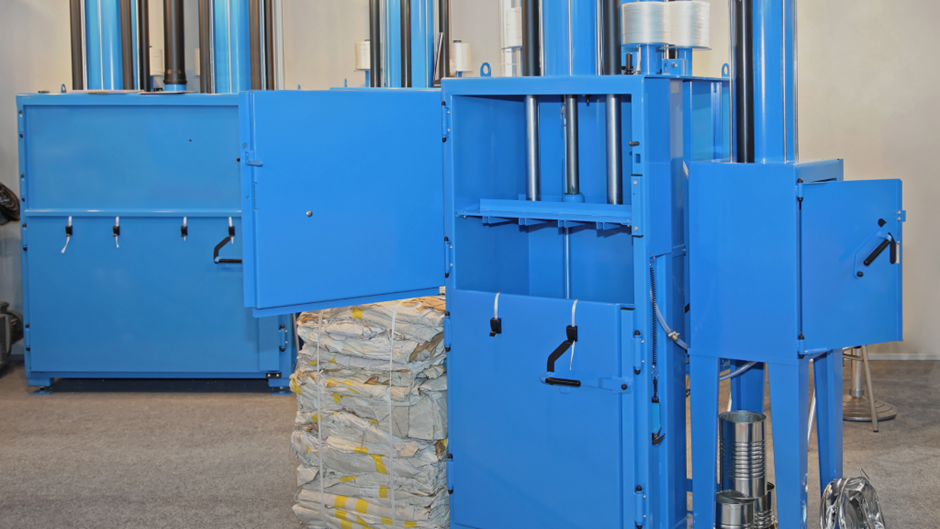
Investing in a Cardboard Compactor is no longer just an operational upgrade. It has become a strategic decision for businesses navigating rising waste volumes, tighter regulations, and increasing pressure to operate sustainably. Industrial and commercial spaces today generate significant amounts of cardboard waste, driven by packaging, logistics, and e-commerce expansion. Without a structured waste management approach, this material can quickly overwhelm facilities, leading to inefficiencies, higher disposal costs, and safety concerns. At the same time, organizations are recognizing the value of smarter waste handling practices. Efficient cardboard management not only reduces operational strain but also contributes to sustainability goals and cost savings. This is where the decision to invest in a Cardboard Compactor becomes relevant as a long-term solution rather than a short-term fix. This guide explores the key considerations businesses must evaluate before making this investment. From understanding operational needs to selecting the right partner, every aspect plays a role in ensuring the decision delivers measurable value. Understanding the Purpose of a Cardboard Compactor A cardboard compactor is a machine designed to compress bulky cardboard waste into manageable, dense volumes. This process significantly reduces the space required for storage and simplifies disposal or recycling logistics. For businesses dealing with high volumes of packaging waste, the equipment becomes an essential part of efficient waste handling operations. Compactors vs Balers While compactors and balers are often mentioned together, they serve different purposes. A compactor compresses waste into a container for disposal, whereas a waste baler creates tightly bound bales that can often be sold for recycling. Choosing between the two depends on whether the goal is waste reduction or recycling revenue generation. Understanding this distinction is critical before investing in a Cardboard Compactor to ensure the equipment aligns with operational objectives. Industries That Benefit Most Retail distribution centers, manufacturing plants, warehouses, and healthcare facilities are among the sectors that benefit significantly from cardboard compaction. In environments where packaging waste accumulates rapidly, compactors streamline operations and improve cleanliness and safety. Efficiency in Waste Management Compactors improve waste management efficiency by reducing collection frequency, minimizing labor, and keeping workspaces organized. Businesses working with providers like The Mark-Costello often find that integrated solutions offer both performance and reliability tailored to industrial needs. Evaluating Your Waste Volume and Type Before investing in a Cardboard Compactor, it is essential to understand the volume and type of waste your facility generates. This step ensures the selected equipment is neither underpowered nor excessively large for your needs. Assessing Waste Output A clear assessment of daily and monthly cardboard waste provides a baseline for equipment selection. Facilities producing large quantities may require high-capacity compactors, while smaller operations can function efficiently with compact units. Types of Cardboard Materials Not all cardboard behaves the same. Corrugated cardboard, wax-coated materials, and mixed packaging can affect compaction efficiency. Understanding the nature of waste helps in selecting equipment designed for specific material characteristics. Right-Sizing the Equipment Choosing the correct size is one of the most critical aspects of investing in a Cardboard Compactor. Undersized equipment leads to operational bottlenecks, while oversized machines can result in unnecessary costs. A balanced approach ensures optimal performance and cost efficiency. Avoiding Capacity Miscalculations Underestimating waste volume can lead to overflow issues and increased downtime. Overestimating, on the other hand, may result in higher upfront costs without proportional benefits. Working with experienced providers such as The Mark-Costello Co. can help businesses accurately evaluate their requirements. Space and Installation Requirements Space planning is often overlooked, but it plays a vital role in ensuring the success of investing in a Cardboard Compactor. The equipment must integrate seamlessly into the facility layout without disrupting existing workflows. Floor Space and Layout Determining available space is the first step. Compactors require adequate clearance for operation, maintenance, and safety compliance. Facilities with limited space may need compact or vertical designs to maximize efficiency. Indoor vs Outdoor Installation The decision between indoor and outdoor installation depends on operational needs and environmental conditions. Indoor units offer convenience and protection, while outdoor installations can save valuable interior space. Accessibility Considerations Ease of access for loading materials and servicing the equipment is crucial. Poor accessibility can lead to inefficiencies and increased labor costs, reducing the overall value of investing in a Cardboard Compactor. Regulatory Compliance Local safety and zoning regulations must be considered during installation. Compliance ensures smooth operations and avoids potential legal complications. Operational Efficiency and Ease of Use A compactor should enhance workflow rather than complicate it. When investing in a Cardboard Compactor, businesses must prioritize ease of use and operational efficiency. User-Friendly Features Modern compactors often include intuitive controls and automation features that simplify operation. These enhancements reduce the need for extensive training and improve overall productivity. Training Requirements Although most systems are designed for ease of use, staff training remains important. Proper training ensures safe operation and maximizes equipment lifespan. Impact on Workflow An efficiently integrated compactor reduces manual handling, speeds up waste processing, and keeps work areas organized. This leads to improved productivity across the facility. Safety Mechanisms Safety is a critical factor in any industrial equipment. Advanced safety features protect operators and ensure compliance with industry standards, making investing in a Cardboard Compactor a responsible operational decision. Cost Considerations and ROI Financial planning is central to the decision of investing in a Cardboard Compactor. While the initial cost may seem significant, the long-term benefits often justify the investment. Initial vs Long-Term Costs The upfront cost includes equipment purchase, installation, and setup. However, long-term savings come from reduced waste hauling, lower labor costs, and improved efficiency. Maintenance and Operations Routine maintenance ensures consistent performance and extends equipment life. Reliable providers like The Mark-Costello offer support services that minimize downtime and operational disruptions. Revenue from Recycling In some cases, compacted cardboard can generate revenue through recycling programs. This adds another dimension to the return on investment. Calculating ROI Evaluating ROI involves comparing savings in waste management costs against the initial investment. Businesses that approach investing in a Cardboard Compactor strategically often see measurable financial …
Continue reading “What To Consider Before Investing in a Cardboard Compactor”
How Self-Contained Compactors Simplify Waste Management For Businesses
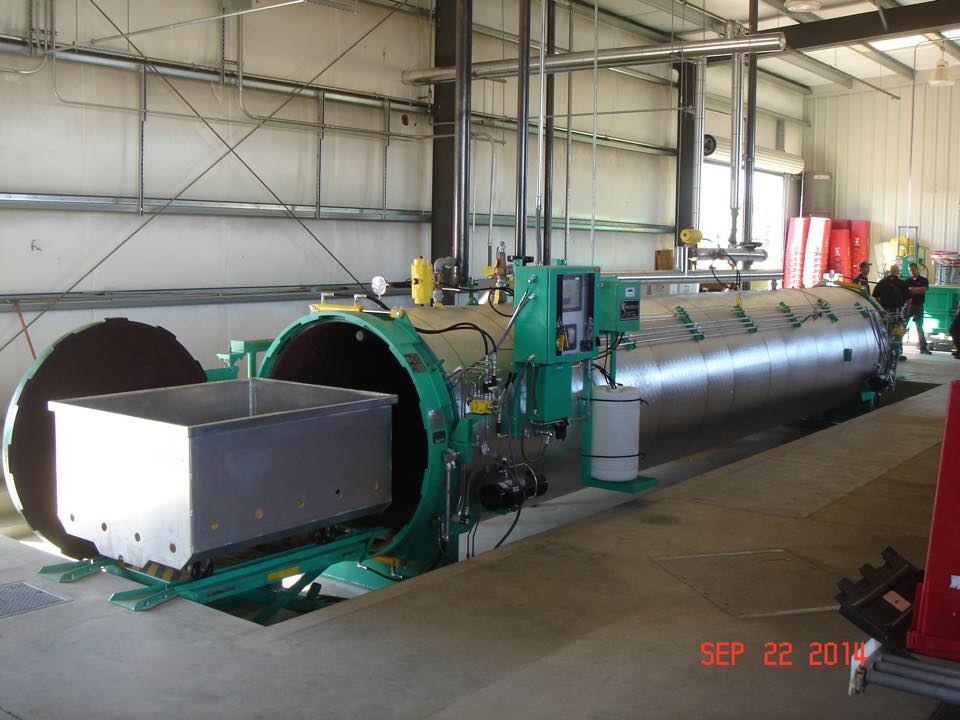
Streamlining Waste Management in the Modern Business World Effective waste handling has become a top priority across all industries. Businesses face rising disposal costs, limited space, and stricter environmental rules, which demand reliable solutions that improve efficiency. This is why many organizations are turning to Self-Contained Compactors. These systems offer a clean, safe, and convenient way to manage waste. By simplifying waste management, Self-Contained Compactors help companies reduce volume, improve hygiene, and eliminate the stress of overflowing dumpsters. At The Mark-Costello Co., we have built a reputation for delivering engineered waste solutions that support performance, compliance, and smooth operations. Our systems help organizations simplify waste processes and maintain clean, organized spaces that enhance daily workflow. Understanding What A Self-Contained Compactor Is A self-contained compactor is a combined waste-handling unit where the compactor and container are integrated into one sealed system. This design sets it apart from stationary compactors, which use separate containers and are best for dry waste. The sealed design of a Self-Contained Compactor is particularly effective for wet waste because: The compactor and container move together Liquids remain in the sealed unit Odors stay contained There is no risk of leakage or contamination This simple and effective design allows the system to operate reliably with minimal staff involvement. Waste is compacted inside the sealed chamber, kept secure, and taken away only when full. Industries that benefit the most from these systems include: Restaurants Hotels and resorts Hospitals and medical facilities Retail stores and malls Grocery stores Commercial kitchens These businesses often produce wet, messy waste that needs proper containment, making Self-Contained Compactors a smart investment for hygiene and efficiency. The Everyday Challenges of Business Waste Management Many organizations face waste-related issues that disrupt daily activities and increase costs. Common troubles include: Overflowing dumpsters that create messy and unsightly areas Strong odors that spread throughout loading docks or service entrances Frequent waste pickups that raise hauling fees Unhygienic waste zones that attract pests and bacteria Limited space for storing multiple waste bins The need for staff to handle waste too often These problems create more than just inconvenience. They limit workflow efficiency, raise operational expenses, and put a business at risk of sanitation violations. Modern environmental regulations require businesses to follow safe and responsible waste practices. Without the right equipment, meeting these standards is challenging. When Self-Contained Compactors simplify waste management, many of these challenges disappear, helping companies stay clean, compliant, and cost-effective. How Self-Contained Compactors Simplify Waste Management Self-contained compactors make waste handling straightforward by following a simple, controlled process. Waste is loaded into the hopper, compacted automatically, and stored inside the sealed container until it is removed. The benefits of this system include: No leakage or contamination since liquids stay inside the sealed unit Consistent odor control that keeps the waste area pleasant Fewer waste pickups due to reduced waste volume Less maintenance since the unit is sealed and self-contained Businesses no longer need to worry about overflowing bins, frequent cleanup, or unpleasant smells around loading zones. By keeping the process contained, these compactors allow facilities to refocus on operations instead of waste management. The Key Benefits of Installing Self-Contained Compactors Improved Cleanliness and Hygiene The sealed design locks in waste, preventing spills and minimizing odors. This keeps service areas clean and greatly reduces the risk of pests or bacteria. Cleaner waste zones help businesses present a professional and sanitary environment. Lower Waste Disposal Costs By compressing waste into smaller loads, businesses cut down the number of pickups needed. This translates to significant savings on hauling fees and improves waste handling budgets over time. Simplified Operations Self-contained compactors are easy to load and operate. Automated cycles lessen staff involvement, and the sealed unit ensures that workers do not need to handle waste directly. Environmental Responsibility Many companies today prioritize sustainability. These compactors help reduce landfill volume, lower a facility’s carbon footprint, and support recycling initiatives. This is why Self-Contained Compactors simplify waste management in a way that aligns with corporate environmental goals. Safety and Compliance The sealed design prevents exposure to hazardous waste and ensures compliance with sanitation regulations. By keeping liquid waste securely contained, businesses avoid environmental fines and maintain safer working conditions. Comparing Self-Contained Compactors And Stationary Compactors While both systems improve waste efficiency, they serve different purposes. Self-Contained Compactors Best for wet waste Prevent leakage and contamination Used by restaurants, hospitals, grocery stores, malls, and hotels Stationary Compactors Designed for dry waste Ideal for manufacturing plants, warehouses, and distribution centers Known for strong, consistent compaction power Both types can work alongside recycling programs and sustainability initiatives. The Mark-Costello Co. provides both systems and helps businesses choose the right model based on their waste stream and operational needs. Cost Efficiency And Long-Term Savings One of the biggest advantages of using Self-Contained Compactors is their ability to reduce long-term operating costs dramatically. Reducing waste volume leads to fewer hauls, which directly lowers transportation fees. Additional savings include: Lower fuel use due to fewer collection trips Reduced staffing hours for waste management Less wear on waste bins and hauling equipment Improved property appearance, which lowers cleaning costs Better odor control without extra chemical treatments When businesses see how Self-Contained Compactors simplify waste management, they often recognize how quickly these systems can pay for themselves. The financial benefits grow over time, making compactors a wise long-term investment. Maintenance, Durability, And Ease of Use Self-contained Compactors are built for durability and require minimal maintenance. Most units just need basic care, including: Routine cleaning of the hopper Checking the seals and hydraulic system Monitoring controls and safety features Scheduling professional inspections as needed Modern compactors feature easy-to-use controls, automatic cycles, and built-in safety systems that make daily operation simple and secure. The Mark-Costello Co. assists businesses with installation, training, ongoing maintenance, and parts replacement. Our technicians ensure that every system operates reliably for years. Environmental And Compliance Benefits Environmental protection is a major focus for businesses today. Self-contained compactors help reduce environmental impact by decreasing waste volume and minimizing leakage. …
Continue reading “How Self-Contained Compactors Simplify Waste Management For Businesses”