
Blog
Recycling Balers: An Essential Component in Sustainable Waste Management
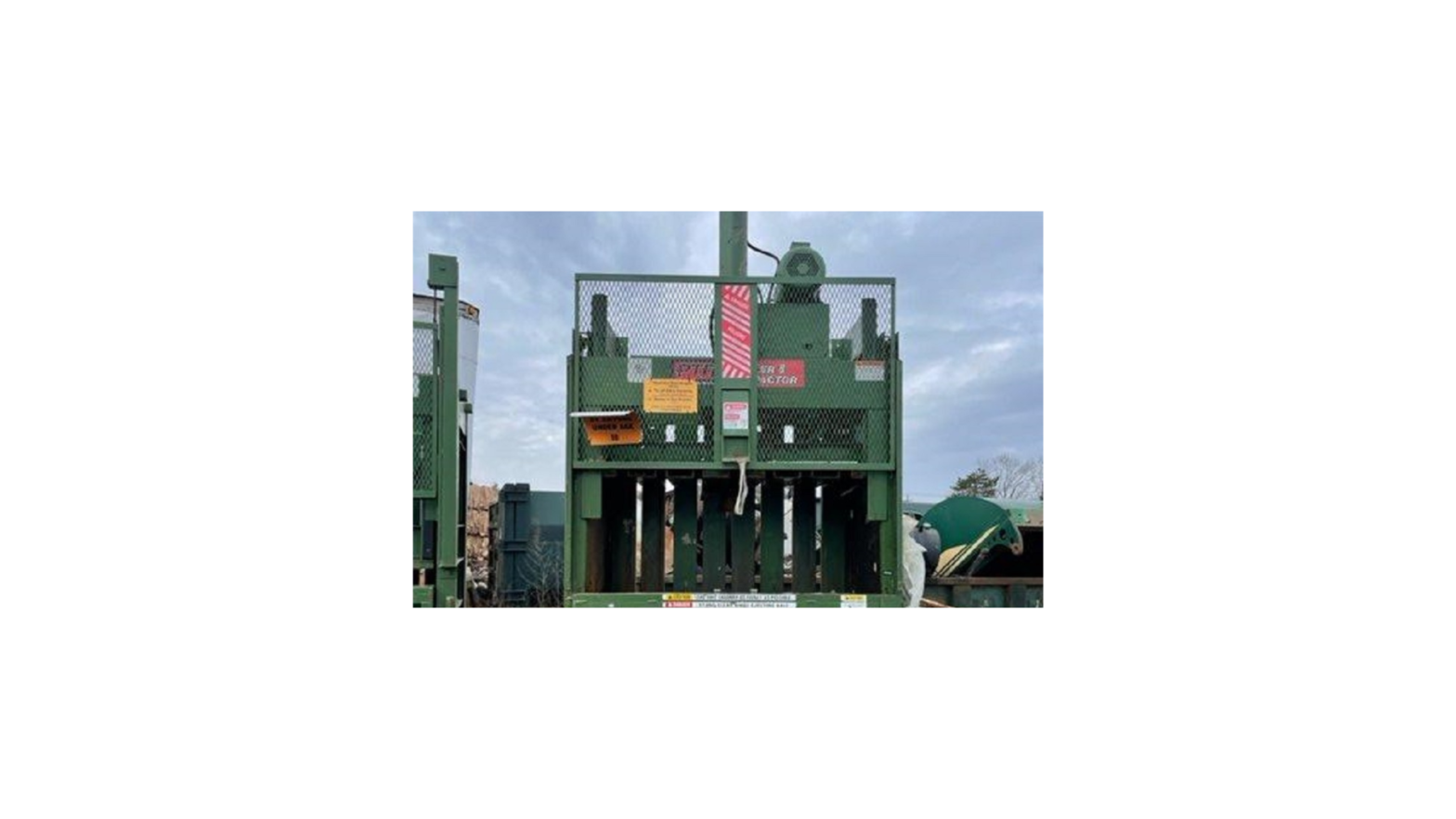
Recycling balers play a critical role in sustainable waste management by compacting and baling recyclable materials, making them easier to transport, store, and recycle. These machines are essential components in the recycling industry, helping businesses and organizations reduce waste volume, minimize landfill usage, and optimize recycling processes. This article examines the significance of recycling balers in promoting environmental sustainability and resource conservation, emphasizing their importance in the quest for a more sustainable future. Recycling Balers: An Essential Component in Sustainable Waste Management Recycling balers are sophisticated machines designed to streamline the process of waste management by compacting recyclable materials into dense bales. This transformation enables easier transportation and storage of materials, thereby optimizing logistical operations and reducing space requirements. These versatile machines are capable of processing a wide range of materials, including paper, plastic, and cardboard. By accommodating diverse material types, recycling balers offer businesses the flexibility to manage various waste streams efficiently, contributing to comprehensive waste management strategies. Benefits of Using Recycling Balers for Businesses The primary advantage of utilizing recycling balers lies in their ability to reduce waste volume and save valuable space. By compacting recyclable materials into dense bales, these machines minimize storage requirements, allowing businesses to optimize their available space for other purposes. Recycling balers offer significant cost savings through reduced hauling fees. By consolidating recyclable materials into compact bales, businesses can reduce the frequency of waste pickups and lower transportation costs, resulting in substantial savings over time. Perhaps most importantly, the use of recycling balers has a positive environmental impact by reducing the carbon footprint associated with waste management. By diverting recyclable materials from landfills and incinerators, recycling balers help mitigate greenhouse gas emissions and promote sustainable resource management practices. The Mark-Costello Co.: Providing Quality Recycling Equipment Established amidst the bustling streets of the Greater Los Angeles area in 1956, The Mark-Costello Co. emerged as a pioneering Sales Agency/Distributor. Initially focusing on the intricate realms of Centralized Lubrication Systems and Mechanical Power Transmissions, the company swiftly carved its niche in the industrial landscape. These foundational products laid the groundwork for what would evolve into our esteemed Industrial Division, solidifying our position as a major supplier of Industrial Centralized Lubrication Systems. The Mark-Costello Co. stands as a towering figure in the realm of recycling equipment, serving as a leading supplier of compactors, balers, medical waste processing equipment, and a comprehensive range of waste handling and recycling systems. The product portfolio spans a diverse array of solutions, catering to the evolving needs of businesses across the United States and beyond. From waste carts and drawers to hydraulic waste cart dumpers, the range of offerings exemplifies innovation and quality craftsmanship. The recycling equipment, including horizontal two-ram balers and vertical balers, sets the standard for efficiency and reliability in waste management. Meanwhile, medical waste sterilizers and disposal systems ensure the safe and compliant handling of hazardous materials in healthcare facilities. How to Choose the Right Recycling Baler for Your Business Selecting the appropriate recycling baler for your business is a critical decision that requires careful consideration of various factors. Here’s a detailed guide to help you navigate the process and make an informed choice: Assess Your Needs: Begin by assessing your business’s waste management requirements. Consider the type of materials you’ll be processing, the volume of waste generated, and the frequency of bale production. This information will help you determine the type, size, and capacity of the recycling baler that best suits your needs. Consider Budgetary Constraints: Establish a clear budget for your recycling baler investment. While considering upfront costs is important, also take into account long-term savings and return on investment. A higher initial investment in a quality baler may result in significant cost savings over time through reduced waste disposal fees and improved operational efficiency. Evaluate Maintenance Requirements: Evaluate the maintenance needs of the recycling baler. Consider factors such as servicing frequency, ease of maintenance, and availability of spare parts. Opt for a baler with low maintenance requirements and reliable support services to minimize downtime and ensure uninterrupted operation. Explore Customization Options: Look for a supplier that offers customization options to tailor the recycling baler to your specific business needs. Consider features such as increased capacity, specialized handling capabilities for specific materials, and integration with existing waste management systems. Customization ensures that the baler seamlessly integrates into your operations, maximizing efficiency and productivity. Research Supplier Reputation: Research the reputation and track record of potential suppliers before making a decision. Look for a supplier with a proven history of delivering high-quality, reliable recycling equipment and excellent customer service. Reading reviews and testimonials from other businesses can provide valuable insights into the supplier’s reliability and customer satisfaction. Evaluate After-Sales Support: Consider the level of after-sales support offered by the supplier. Ensure they provide comprehensive support services, including installation, training, maintenance, and technical support. A supplier that stands behind their products with excellent after-sales service will provide peace of mind and ensure the smooth operation of your recycling baler. Conclusion In conclusion, recycling balers are indispensable tools in the quest for sustainable waste management. By compacting recyclable materials into manageable bales, these machines not only optimize storage space but also deliver cost savings and environmental benefits. As businesses navigate the complexities of waste management, investing in quality equipment from trusted suppliers like The Mark-Costello Co. is key to achieving long-term success. With a commitment to excellence and innovation, The Mark-Costello Co. stands ready to support businesses in their journey towards sustainability and operational efficiency.
Space-Saving Wonders: How Apartment Trash Compactors Can Free Up Your Living Space
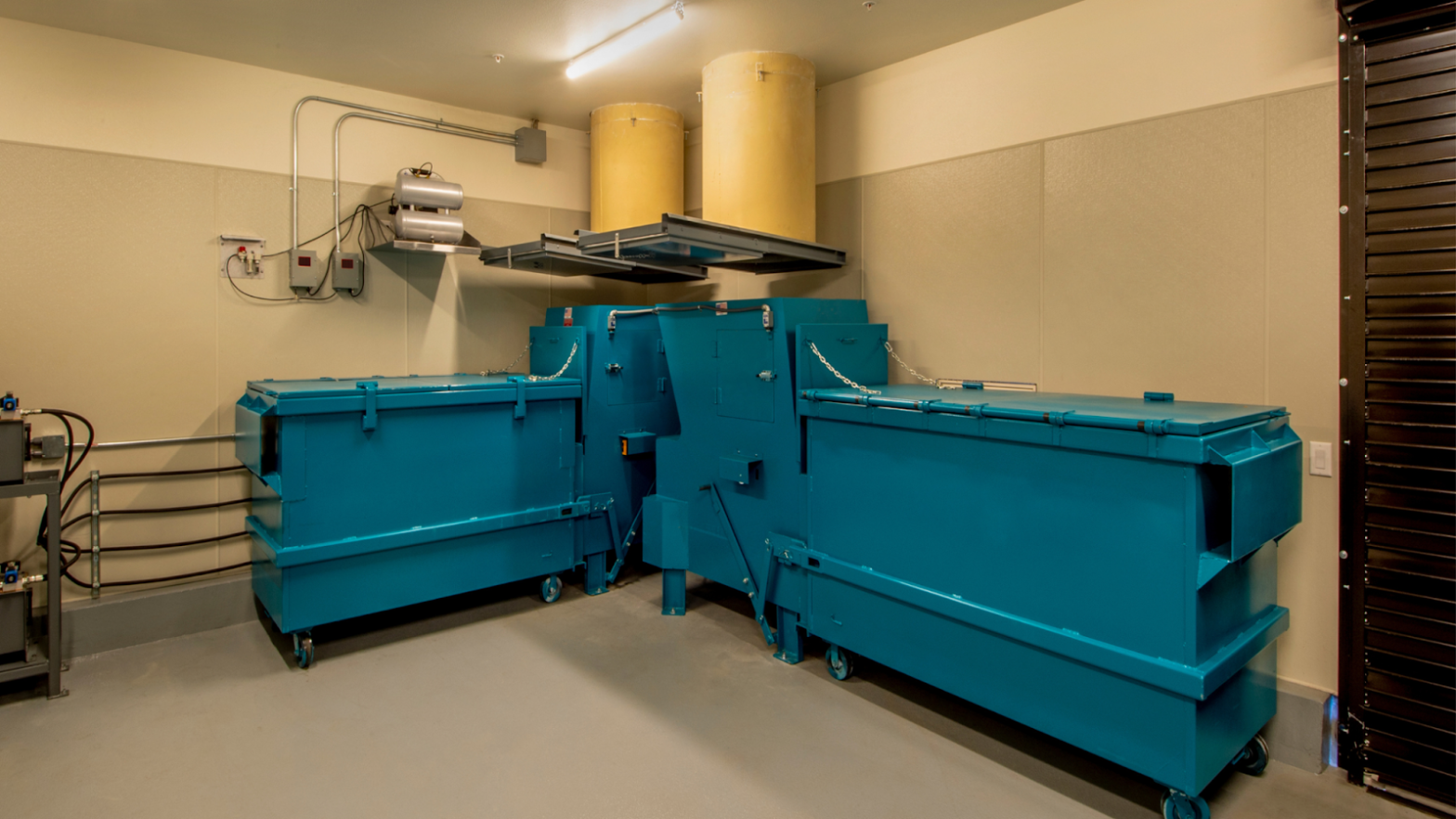
Imagine living in a bustling apartment building, where every inch of space is precious. Whether it’s a compact studio in a mid-rise or a sprawling unit in a high-density complex, urban living often means learning to do more with less. Shared hallways, communal trash rooms, and limited storage space can make the simple act of throwing out the garbage feel like a chore. Overflowing bins, unpleasant odors, and frequent trips to outdoor dumpsters can quickly add up to frustration, not to mention the safety and hygiene issues that can arise from poor waste handling. In a space where cleanliness and efficiency matter, effective waste management becomes a necessity, not a luxury. That’s where trash compactors step in, offering a smart, space-saving solution for residential buildings that want to streamline operations without sacrificing tenant comfort. From cozy apartment homes to expansive multi-family properties, managing waste is one of the most consistent and underestimated challenges. It’s not just about collecting garbage; it’s about how you handle it, where you store it, and how often it needs to be removed. Apartment trash compactors may not seem flashy, but they’re incredibly impactful. By compressing large volumes of trash into smaller, denser loads, these machines reduce the need for bulky bins and minimize clutter in shared areas. Fewer pickups also mean reduced labor, lower hauling costs, and improved sanitation for the building as a whole. In this blog, we’ll dive deeper into how these compactors work, why they’re essential for modern apartment living, and how they contribute to cleaner, more organized, and more livable communities. Let’s take a closer look at the space-saving power of apartment trash compactors and why they’re worth the investment. Benefits of Apartment Trash Compactors: Maximizing Available Space: One of the most impactful advantages of apartment trash compactors is how effectively they maximize available space in multi-family housing environments. In densely populated buildings, every square foot matters, especially in trash rooms or waste storage areas that are often tucked away in basement corners or utility corridors. Trash compactors work by compressing large volumes of loose waste into smaller, more manageable bundles. This reduction in volume translates into less frequent waste pickups and significantly more room for other uses. Property managers can reallocate that freed-up space for much-needed amenities like bike storage, additional recycling bins, or tenant lockers, small conveniences that make a big difference in the overall appeal and functionality of the property. This optimization of space is especially valuable in urban areas, where square footage is at a premium and operational efficiency is closely tied to tenant satisfaction. Reducing Odors and Pests: Another crucial benefit of apartment trash compactors is their role in controlling unpleasant odors and deterring pest infestations. Loose, unmanaged waste can quickly become a breeding ground for bacteria, mold, and vermin. Odors from food waste or other organic materials can spread through hallways or shared trash rooms, creating a persistent nuisance for residents. Compactors reduce this risk by tightly containing the waste, effectively sealing in smells and making it harder for pests like rats, cockroaches, and flies to access discarded food and debris. This containment helps create a more sanitary environment and reduces the need for ongoing pest control interventions, which can be both costly and disruptive. Cleaner trash areas also signal to residents that the property is well-maintained and thoughtfully managed, reinforcing a sense of trust and security. Improving Overall Cleanliness: Maintaining clean and orderly common areas is essential for any residential property aiming to attract and retain tenants. Apartment trash compactors contribute significantly to overall cleanliness by minimizing the amount of loose garbage found in hallways, trash chutes, or around dumpsters. Because compacted waste is easier to handle and less prone to overflowing, maintenance staff can spend less time cleaning up spills, scattered trash, or improperly bagged waste. This leads to a more polished, hygienic appearance in shared spaces such as lobbies, stairwells, and service areas. When residents consistently encounter tidy and well-kept surroundings, it creates a sense of community pride and accountability. This improved atmosphere not only enhances the daily living experience but also contributes to the long-term value and reputation of the property. Increasing Efficiency in Waste Management: Increasing Efficiency in Waste Management: Trash compactors also streamline operations for maintenance teams and property managers by increasing the overall efficiency of waste management. Rather than dealing with constant trips to haul overflowing garbage or juggling unpredictable waste volumes, staff can follow a more structured and less labor-intensive schedule. Fewer trips to empty bins or coordinate pickups translates to lower labor costs and less wear and tear on service elevators or utility corridors. This efficiency also frees up staff time to focus on preventative maintenance, landscaping, or resident support tasks, areas that contribute directly to property value and resident satisfaction. In the long run, more efficient waste handling not only improves internal operations but also reflects positively in resident feedback and online property reviews. Enhancing Environmental Sustainability: Beyond operational and aesthetic advantages, apartment trash compactors offer tangible environmental benefits. By reducing the volume of waste sent to landfills, compactors help lower the environmental footprint of a property. Compacted trash takes up significantly less space, which conserves valuable landfill real estate and extends the life of these facilities. Additionally, less frequent waste pickups mean fewer fuel-consuming truck trips, thereby lowering carbon emissions tied to waste transport. Some compactors even come with integrated recycling features or dual-stream capabilities that make it easier for residents to separate recyclable items, encouraging more eco-conscious behavior. This alignment with sustainability goals not only helps meet regulatory standards but also resonates with modern renters, especially younger generations, who prioritize environmental responsibility in their living choices. Promoting Resident Satisfaction: Perhaps one of the most important, yet often overlooked, benefits of apartment trash compactors is the positive impact they have on resident satisfaction. A clean, organized, and odor-free living environment directly influences how residents perceive the quality of their home. No one wants to navigate around trash piles or deal with pest issues …
Optimize Your Manufacturing Process with Stainless Steel Conveyor Belts
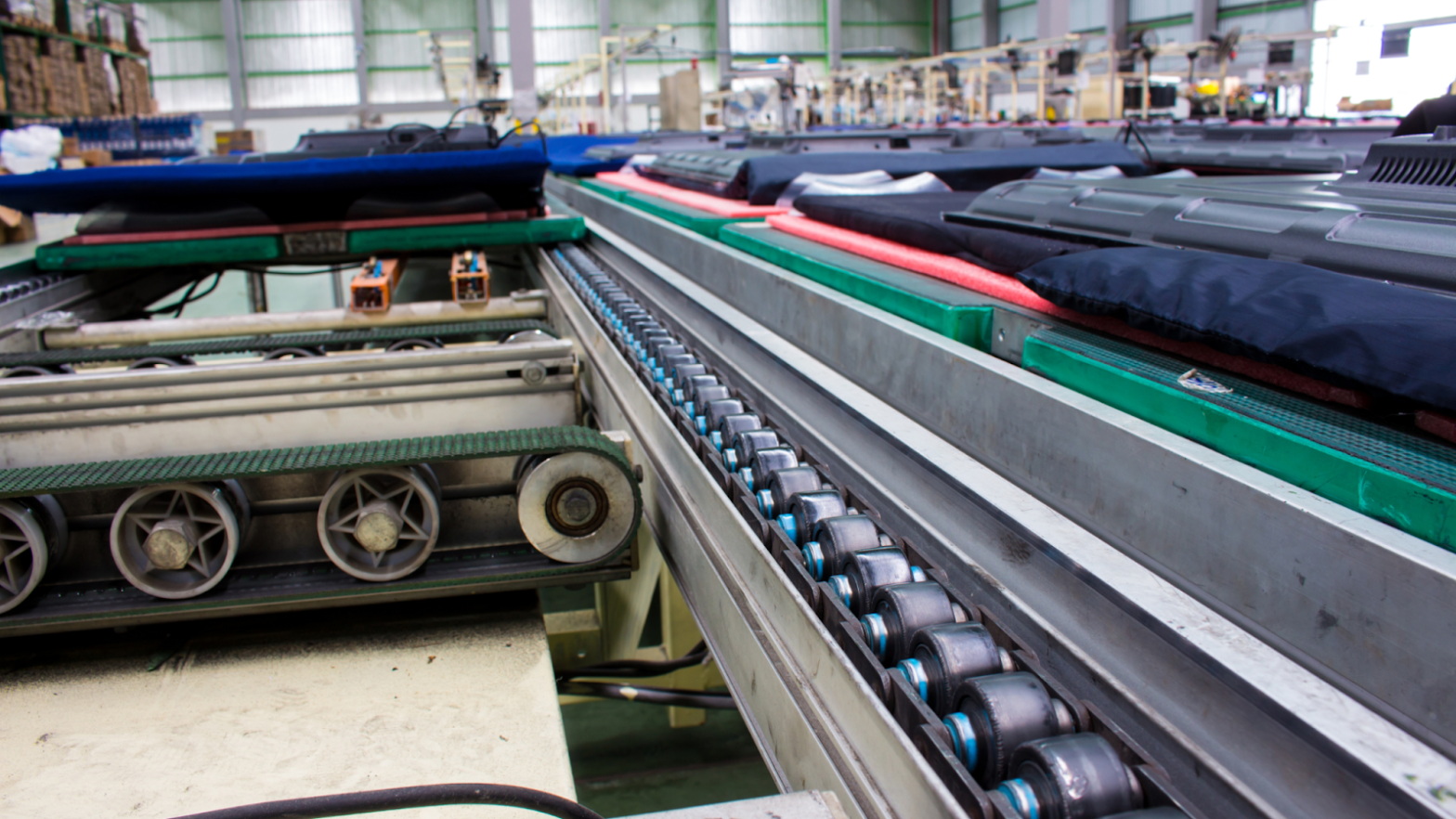
Stainless steel conveyor belts have long been recognized as a vital component in optimizing manufacturing processes across various industries. With their durability, cleanliness, and resistance to corrosion, these belts offer a superior solution for efficiently moving materials in production facilities. By utilizing stainless steel conveyor belts, businesses can achieve higher levels of productivity, safety, and quality in their operations. This article delves into the benefits and applications of stainless steel conveyor belts, highlighting their importance in streamlining manufacturing processes. Benefits of Stainless Steel Conveyor Belts Stainless steel conveyor belts are the unsung heroes of modern manufacturing, offering a multitude of benefits that streamline operations and elevate efficiency. From their unparalleled durability to hygienic properties and cost-effectiveness, these conveyor belts are the cornerstone of optimized material handling processes. Durability and Longevity Stainless steel conveyor belts are engineered to endure the most challenging industrial environments, making them an indispensable asset in manufacturing facilities worldwide. Their remarkable durability stems from the inherent properties of stainless steel, a material renowned for its resilience and strength. These belts are crafted to withstand extreme temperatures, heavy loads, and abrasive materials without compromising performance. Furthermore, stainless steel conveyor belts exhibit exceptional resistance to corrosion, rust, and wear and tear, ensuring prolonged service life even in the harshest operating conditions. Whether subjected to moisture, chemicals, or abrasive substances, these belts maintain their structural integrity, providing reliable and uninterrupted operation over time. Hygienic Properties In industries where cleanliness is paramount, such as healthcare and food processing, stainless steel conveyor belts offer unparalleled hygienic advantages. Their smooth and non-porous surface facilitates effortless cleaning and sanitation, minimizing the risk of bacterial contamination and cross-contamination. This inherent hygienic feature makes stainless steel conveyor belts particularly well-suited for handling medical waste, where stringent sanitation protocols are mandatory to ensure safety and compliance. With the ability to withstand rigorous cleaning procedures and disinfectants, these belts maintain pristine hygiene standards, safeguarding product quality and consumer health. Cost-Effectiveness Investing in stainless steel conveyor belts translates into long-term cost savings and operational efficiency for businesses. One of the key cost-saving benefits lies in their low maintenance requirements. Unlike traditional conveyor belts that often require frequent repairs and replacements due to wear and tear, stainless steel belts are virtually maintenance-free, reducing downtime and associated labor costs. Moreover, stainless steel conveyor belts represent a sound long-term investment for companies seeking sustainable and reliable material handling solutions. Their robust construction and longevity ensure a prolonged service life, minimizing the need for costly replacements and upgrades. By opting for stainless steel conveyor belts, businesses can enjoy significant cost savings over the operational lifespan of the equipment, enhancing profitability and competitiveness in the market. How Stainless Steel Conveyor Belts Can Optimize Manufacturing Processes at The Mark-Costello Co. The transformative power of stainless steel conveyor belts in revolutionizing manufacturing processes at The Mark-Costello Co. Let’s explore how these advanced conveyor systems enhance material handling efficiency, drive productivity gains, and offer customizable solutions.