
Blog
Revolutionizing Material Handling: The Rise of Automated Conveyor Systems
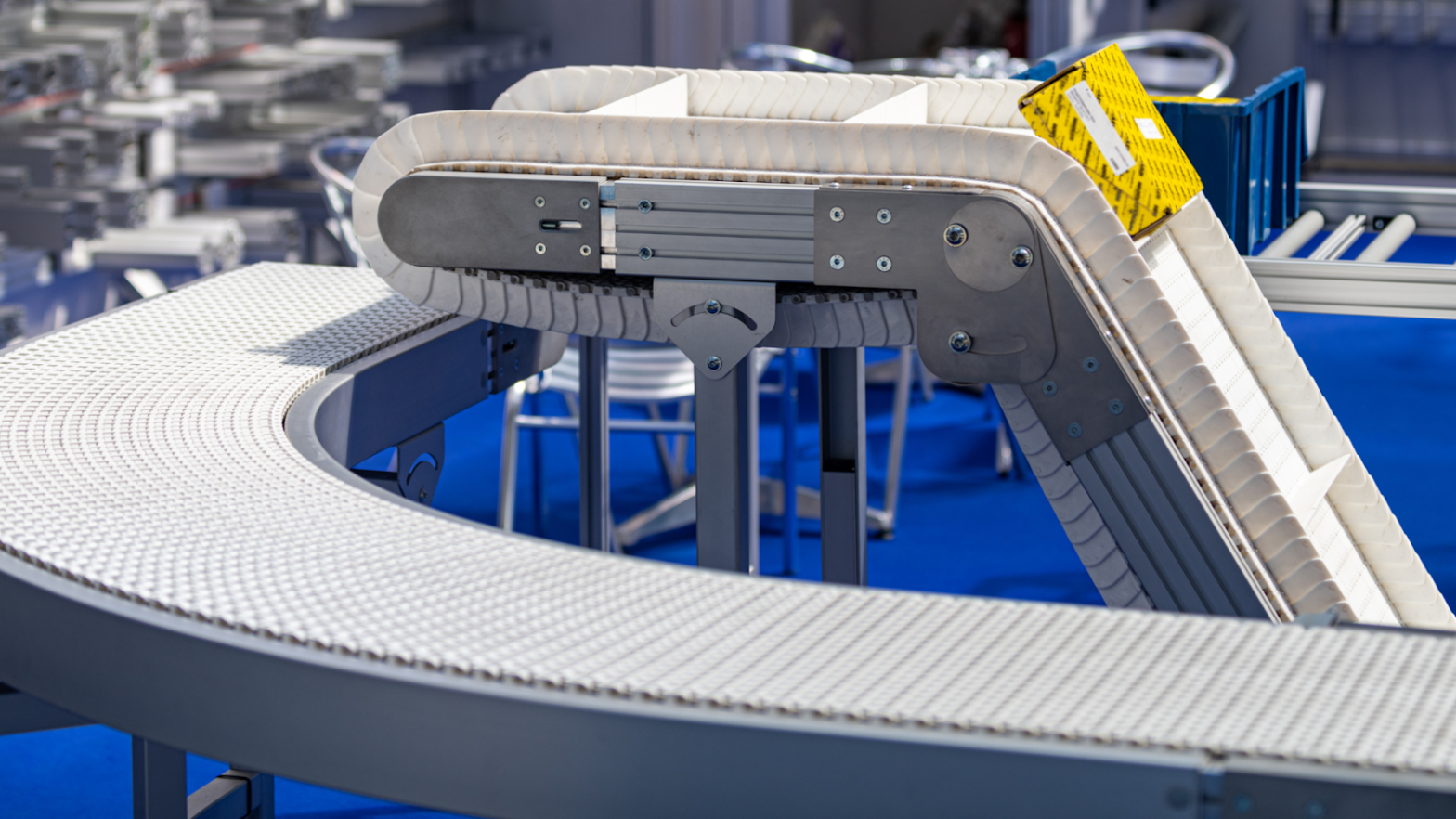
In an era characterized by rapid movement and progression, efficiency emerges as a fundamental catalyst for organizational growth. This principle holds particularly true within the domain of material handling and logistics. Every second counts and businesses are constantly seeking innovative solutions to streamline their operations. Automated conveyor systems emerging as a game-changing technology that is revolutionizing the way goods are moved and managed. In this blog, we’ll explore the rise of automated conveyor systems and their transformative impact on modern material handling practices. What Is An Automated Conveyor System: An automated conveyor system is a sophisticated network of conveyor belts, rollers, and other components that work together to transport goods from one location to another in a facility, such as a warehouse, distribution center, or manufacturing plant. Unlike traditional conveyor systems that rely on manual operation and oversight, automated conveyor systems leverage advanced technology to automate and optimize material handling processes. At the heart of an automated conveyor system are conveyor belts, which serve as the primary means of transporting goods along designated paths within the facility. These belts are typically made of durable materials such as rubber or plastic and are driven by motors or pulleys to propel the goods forward. In addition to conveyor belts, automated conveyor systems may incorporate various components and features to enhance functionality and efficiency. These may include: * Sensors: Sensors are strategically placed along the conveyor system to detect the presence of goods, monitor their position and speed, and ensure smooth and safe operation. For example, proximity sensors can detect when a package approaches a certain point on the conveyor and trigger actions such as diverting it to a different path or stopping the conveyor altogether. * Actuators: Actuators are devices that initiate mechanical movement or action in response to signals from sensors or control systems. In automated conveyor systems, actuators may be used to adjust the speed or direction of conveyor belts, activate sorting mechanisms, or engage safety features. * Control Systems: Control systems serve as the brain of the automated conveyor system, coordinating the operation of various components and ensuring that goods are transported efficiently and according to predefined parameters. These systems may include programmable logic controllers (PLCs), human-machine interfaces (HMIs), and software applications that allow operators to monitor and control the system in real-time. * Sorting And Diverting Mechanisms: In facilities where goods need to be sorted or diverted to different destinations, automated conveyor systems may incorporate sorting and diverting mechanisms such as pop-up wheels, tilt trays, or pushers. These mechanisms automatically redirect goods along alternate paths based on predetermined criteria, such as destination, size, or weight. * Integration With Other Technologies: Automated conveyor systems are often integrated with other technologies such as robotics, barcode scanners, and warehouse management systems (WMS) to create seamless and efficient material handling processes. For example, robotic arms may be stationed along the conveyor system to perform tasks such as palletizing, packing, or labeling, while barcode scanners and WMS software track and manage inventory in real time. Advantages of Automated Conveyor Systems: Automated conveyor systems offer a myriad of benefits that are reshaping the landscape of material handling. Firstly, they significantly increase efficiency by automating repetitive tasks, reducing the need for manual labor, and minimizing the risk of errors. This leads to improved productivity and throughput, allowing businesses to handle larger volumes of goods in less time. Additionally, automated conveyor systems help to reduce labor costs by optimizing workforce allocation and freeing up employees to focus on more strategic tasks. Furthermore, safety is paramount in any workplace, and automated conveyor systems contribute to a safer working environment by minimizing the risk of accidents and injuries associated with manual material handling. With advanced sensors and safety features, these systems can detect obstructions and hazards, ensuring smooth and safe operation at all times. Moreover, automated conveyor systems offer enhanced accuracy and reliability, leading to fewer errors in order fulfillment, inventory management, and shipping processes. * Integration With Industry 4.0 Technologies: One of the most exciting developments in automated conveyor systems is their integration with Industry 4.0 technologies. By harnessing the power of robotics, artificial intelligence, and data analytics, these systems are becoming smarter, more responsive, and more interconnected than ever before. For example, robotic arms can be integrated into conveyor systems to perform tasks such as sorting, picking, and packing with incredible speed and precision. Meanwhile, AI algorithms analyze data from sensors and cameras to optimize routing, predict maintenance needs, and identify opportunities for process improvement. This seamless integration of technologies creates a truly smart and adaptive material handling network that can adapt to changing conditions and demands in real-time. * Applications Across Industries: Automated conveyor systems are finding applications across a wide range of industries, from e-commerce and distribution centers to manufacturing facilities and airports. In e-commerce, these systems enable rapid order fulfillment and efficient warehouse management, allowing companies to meet the growing demand for online shopping. In manufacturing, automated conveyor systems facilitate the movement of raw materials, components, and finished products along assembly lines, improving efficiency and reducing production times. At airports, these systems streamline baggage handling processes, ensuring timely and accurate delivery of luggage to passengers. Each industry presents its own unique set of challenges and opportunities, and automated conveyor systems are helping businesses overcome these obstacles and stay ahead of the curve. * Customization And Scalability One of the key advantages of automated conveyor systems is their ability to be customized and scaled to meet the specific needs of each business. Whether it’s adapting to different product sizes, shapes, and weights, or integrating with existing equipment and infrastructure, these systems offer unparalleled flexibility and versatility. This customization allows businesses to tailor their material handling processes to suit their unique requirements, optimizing workflow efficiency and maximizing productivity. Moreover, automated conveyor systems are inherently scalable, meaning they can easily adapt to changes in production demands, seasonal fluctuations, and market trends. This scalability ensures that businesses can future-proof their operations and remain agile in a …
Continue reading “Revolutionizing Material Handling: The Rise of Automated Conveyor Systems”
Industrial Waste Handling: Challenges and Modern Solutions

Industrial waste handling poses significant challenges for businesses across various sectors, requiring sophisticated and sustainable solutions to ensure compliance with strict regulations and promote environmental stewardship. The proper management of industrial waste is essential not only for mitigating potential risks to human health and the environment but also for optimizing operational efficiency and cost-effectiveness. This article explores the complexities of industrial waste handling, highlighting the challenges faced by industries and the innovative solutions that are revolutionizing waste management practices. Challenges in Industrial Waste Handling Industrial waste handling poses multifaceted challenges that demand innovative solutions to ensure responsible management and environmental stewardship. The industrial sector generates a vast array of waste streams, each presenting unique disposal challenges. Medical facilities, for instance, produce hazardous materials and biohazardous substances, necessitating specialized handling to mitigate health risks and ensure regulatory compliance. Similarly, industrial operations yield a diverse range of waste, including chemicals, oils, plastics, and other byproducts, each with its own set of disposal requirements. The sheer volume and variety of industrial waste underscore the importance of implementing robust waste management strategies to safeguard public health and environmental integrity. One of the foremost challenges in industrial waste handling lies in the absence of efficient methods for sorting and processing diverse waste streams. Traditional approaches often rely on manual sorting, which is labor-intensive, time-consuming, and prone to errors. Moreover, the lack of standardized protocols for waste classification and segregation further complicates the process, leading to inefficiencies and increased operational costs. Without effective sorting and processing mechanisms in place, businesses struggle to manage their waste effectively, exacerbating environmental pollution and regulatory non-compliance risks. Traditional disposal methods, such as landfilling and incineration, impose significant financial burdens on businesses due to high operational and regulatory compliance costs. Landfilling, while widely practiced, contributes to environmental degradation and poses long-term liabilities in terms of soil and groundwater contamination. Similarly, incineration, though touted as a solution for waste volume reduction, emits harmful pollutants and may not be viable for certain waste types, such as plastics. The exorbitant costs associated with traditional disposal methods underscore the urgency of exploring alternative, more sustainable waste management strategies. Modern Solutions Offered by The Mark-Costello Co. In response to the pressing challenges of industrial waste handling, The Mark-Costello Co. pioneers a suite of modern solutions designed to revolutionize waste management practices. Recycling Equipment for Medical Waste: Autoclaves for Sterilization: The Mark-Costello Co. provides state-of-the-art autoclaves engineered to sterilize medical waste effectively. Utilizing high-pressure steam, these autoclaves ensure thorough sterilization of hazardous materials and biohazardous substances, rendering them safe for disposal or recycling. By employing cutting-edge sterilization technology, businesses can mitigate health risks and comply with stringent regulatory requirements, safeguarding public health and environmental integrity. Shredders for Safe Destruction: In addition to sterilization, The Mark-Costello Co. offers advanced shredders capable of safely destroying sensitive medical waste. These shredders employ robust shredding mechanisms to reduce medical waste to manageable fragments, preventing unauthorized access and ensuring secure disposal. By incorporating shredding technology into their waste management arsenal, businesses can protect confidential information, minimize liability risks, and uphold patient privacy with confidence. Recycling Equipment for Industrial Waste: Compactors to Reduce Volume: The Mark-Costello Co. introduces cutting-edge compactors engineered to reduce the volume of industrial waste efficiently. These compactors utilize hydraulic pressure to compress waste materials, minimizing storage space requirements and facilitating cost-effective transportation and disposal. By compacting industrial waste at the source, businesses can optimize storage capacity, streamline logistics, and reduce operational costs associated with waste handling and disposal. Balers to Compact Recyclable Materials: In addition to waste volume reduction, The Mark-Costello Co. offers advanced balers designed to compact recyclable materials for efficient recycling and resource recovery. These balers employ robust compaction mechanisms to compress recyclable materials such as plastics, cardboard, and metals into dense bales, facilitating storage, transportation, and processing. By baling recyclable materials onsite, businesses can maximize recycling rates, minimize landfill waste, and contribute to a more sustainable, circular economy. Advanced Sorting Technology: The Mark-Costello Co. leverages cutting-edge AI technology to revolutionize waste sorting processes, enhancing efficiency and accuracy. By integrating AI-powered sorting systems into waste management operations, businesses can automate the sorting of various waste streams based on material composition, size, and other parameters. This advanced sorting technology enables precise segregation of recyclable and non-recyclable materials, optimizing resource recovery and minimizing contamination. By harnessing the power of AI, businesses can streamline waste sorting processes, improve recycling yields, and maximize the value of their waste streams. Benefits Of Choosing The Mark-Costello Co. Established in the vibrant Greater Los Angeles area in 1956, The Mark-Costello Co. embarked on a journey as a Sales Agency/Distributor, focusing on crafting, delivering, and maintaining engineered systems in Centralized Lubrication Systems and Mechanical Power Transmissions. Over time, these product lines evolved into the bedrock of our esteemed Industrial Division. Our commitment to excellence has solidified our position as a leading supplier of Industrial Centralized Lubrication Systems, catering to the diverse needs of industries. Let’s delve into the compelling reasons why choosing The Mark-Costello Co. for your waste management needs is a decision backed by unparalleled benefits: At The Mark-Costello Co., we understand the significance of cost-effectiveness in today’s competitive landscape. Our solutions are meticulously engineered to deliver maximum efficiency at minimal costs, providing businesses with tangible savings opportunities. By opting for our cost-effective waste management systems, businesses can optimize their operational budgets without compromising on quality or performance, ensuring long-term financial viability and profitability. Sustainability lies at the heart of everything we do at The Mark-Costello Co. From our product design and manufacturing processes to our waste management solutions, we prioritize environmental stewardship and sustainability. By embracing environmentally friendly practices such as waste reduction, recycling, and energy efficiency, our solutions enable businesses to minimize their ecological footprint and contribute to a greener, more sustainable future for generations to come. Improper handling or disposal of waste poses significant risks to both public health and the environment. At The Mark-Costello Co., we mitigate these risks by offering comprehensive waste management solutions that adhere to stringent …
Continue reading “Industrial Waste Handling: Challenges and Modern Solutions”
The Future of Material Handling: Predictions For Stainless Steel Conveyor Belt Innovations
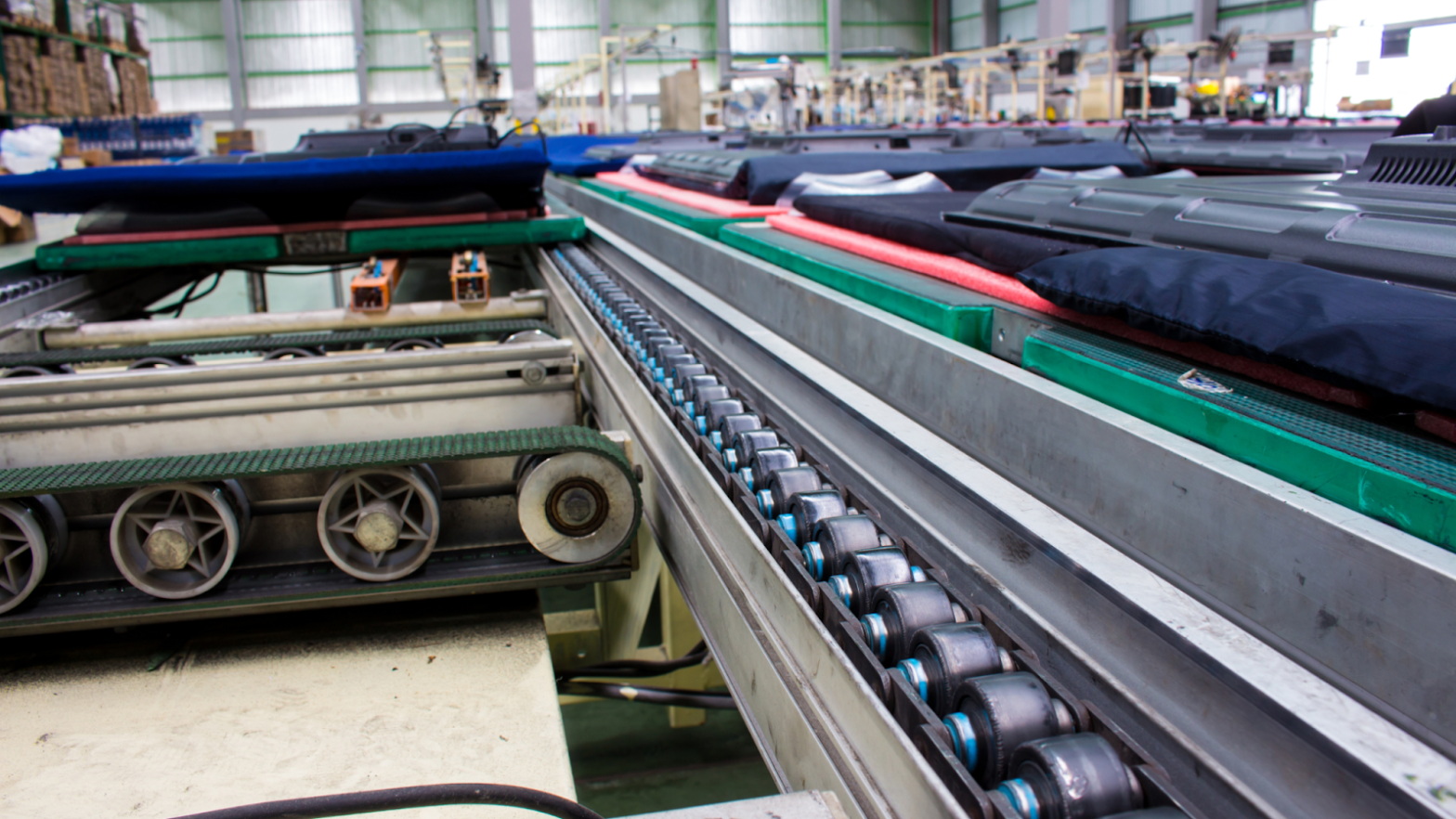
Material handling is a cornerstone of modern industrial operations, facilitating the movement, storage, and processing of goods across various industries. At the heart of efficient material handling systems lie stainless steel conveyor belts, revolutionizing the way goods are transported and processed. Imagine a bustling factory floor or a busy warehouse, where goods need to move swiftly and seamlessly to keep operations running smoothly. That’s where material handling comes into play. It’s all about getting things from point A to point B efficiently. And at the heart of it all is the stainless steel conveyor belt – a true game-changer in the world of industry. Today, we’re diving into the future of material handling by looking at what’s next for stainless steel conveyor belts. These belts are getting smarter, tougher, and more versatile, promising to make our lives easier and our businesses more efficient. So, let’s take a closer look at what’s on the horizon for these essential pieces of equipment. In this blog, we delve into the future of material handling by exploring predictions for stainless steel conveyor belt innovations and their impact on industrial operations. Emerging Trends in Conveyor Belt Technology: Conveyor belts are getting smarter and more efficient, thanks to some exciting new trends in technology. * Enhanced Durability: Manufacturers are coming up with conveyor belts that can handle tougher conditions. They’re using stronger materials and better designs to make belts that last longer and can carry heavier loads without breaking down. * Improved Sanitation Features: Keeping things clean is crucial, especially in industries like food processing and pharmaceuticals. That’s why conveyor belts now come with features like self-cleaning mechanisms and easy-to-wash surfaces, making them a breeze to maintain and reducing the risk of contamination. * Increased Automation: Automation is the name of the game in modern industry, and conveyor belts are no exception. With advanced sensors and control systems, belts can now adjust their speed and direction automatically, optimizing efficiency and reducing the need for manual intervention. * Integration With Smart Technology: The future of conveyor belts is looking smart. They’re being integrated with Internet of Things (IoT) platforms, allowing them to communicate with other equipment and systems in real-time. This opens up a world of possibilities for monitoring, maintenance, and optimization. Applications Across Industries: Stainless steel conveyor belts are incredibly versatile tools that find applications across a wide range of industries, each benefiting from their unique features and capabilities. * Food Processing: In the food industry, stainless steel conveyor belts play a critical role in ensuring food safety and hygiene. These belts are designed with smooth surfaces and easy-to-clean materials, making them ideal for transporting food products without the risk of contamination. They are used for conveying raw ingredients, processed foods, and packaging materials, contributing to efficient and hygienic food processing operations. * Pharmaceuticals: Pharmaceutical manufacturing requires strict adherence to cleanliness and sterility standards to ensure product quality and safety. Stainless steel conveyor belts provide a sterile and contamination-free environment for drug production, with features such as smooth surfaces and corrosion-resistant materials. They are used for transporting pharmaceutical ingredients, tablets, capsules, and other medical products, maintaining the integrity of the manufacturing process and complying with regulatory requirements. * Automotive Manufacturing: In the automotive industry, stainless steel conveyor belts are utilized for various assembly and production processes. These belts offer durability, reliability, and resistance to harsh chemicals and oils commonly found in automotive manufacturing environments. They are used for conveying automotive parts, components, and assemblies through various stages of production, facilitating efficient assembly line operations and ensuring product quality and consistency. * Packaging And Distribution: Stainless steel conveyor belts play a crucial role in packaging and distribution operations, where they are used to transport packaged goods, parcels, and containers. These belts offer strength, durability, and smooth operation, allowing for the efficient movement of goods along conveyor lines. They are commonly used in warehouses, distribution centers, and shipping facilities to streamline the packaging, sorting, and distribution processes, improving productivity and reducing labor costs. * Warehousing And Logistics: In warehousing and logistics, stainless steel conveyor belts are essential for the efficient movement and storage of goods. These belts are used for loading and unloading trucks, sorting packages, and transporting goods within warehouses and distribution centers. They offer versatility, reliability, and flexibility, enabling companies to optimize their warehousing and logistics operations and meet the demands of modern supply chains. * Environmental And Regulatory Considerations: As environmental concerns and regulatory requirements continue to shape the landscape of material handling practices, stainless steel conveyor belts are evolving to meet these challenges. Manufacturers are increasingly using eco-friendly materials and designing belts with hygienic features to ensure compliance with stringent food safety standards. Additionally, advancements in conveyor belt technology aim to minimize energy consumption and reduce environmental impact, aligning with sustainability initiatives across industries. * Collaborative Partnerships And Industry Initiatives: The future of stainless steel conveyor belt innovations hinges on collaborative partnerships between manufacturers, industry associations, and regulatory agencies. By working together, stakeholders can drive innovation, share best practices, and establish industry standards for conveyor belt design and operation. Initiatives such as research and development collaborations, training programs, and regulatory compliance initiatives are essential for fostering continuous improvement and ensuring the safety and reliability of conveyor systems. Conclusion: In conclusion, the future of material handling is bright with the promise of stainless steel conveyor belt innovations. Predictions for the future include advancements in smart technology, predictive maintenance, and integration with Internet of Things (IoT) platforms. As industrial operations continue to evolve, stainless steel conveyor belts will remain at the forefront of innovation, enabling businesses to achieve greater efficiency, reliability, and sustainability in their material handling processes. As a trusted provider of stainless steel conveyor belts, The Mark-Costello Co. is committed to delivering cutting-edge solutions that meet the evolving needs of modern material handling operations, driving progress and prosperity for businesses around the world.