Blog
Evaluating The Need For Medical Waste Grinders In Modern Healthcare
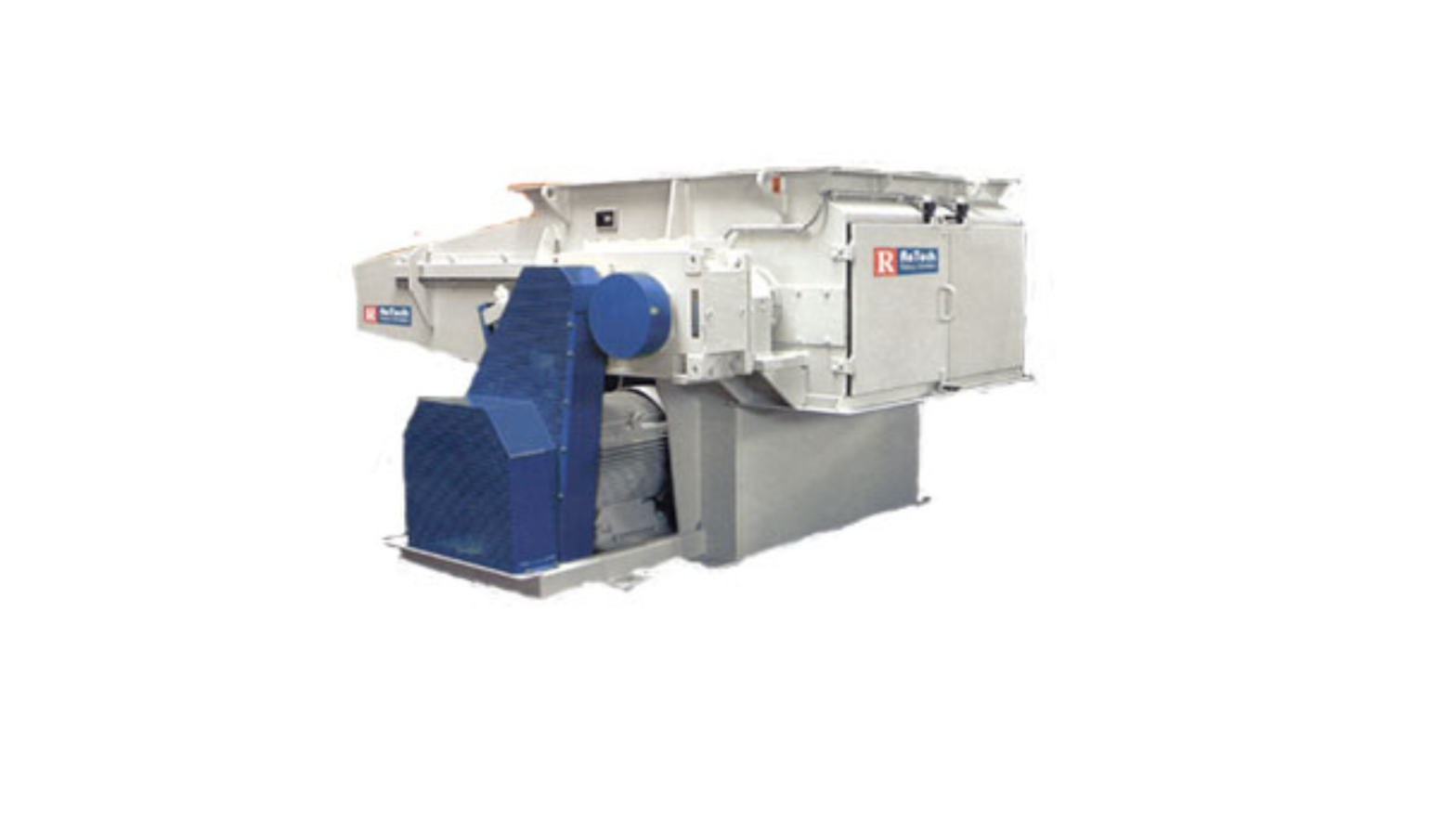
Medical waste is a growing concern in today’s healthcare environment. It encompasses a wide range of materials, including used syringes, soiled bandages, disposable surgical instruments, diagnostic swabs, and even biological samples like tissue or blood. As hospitals, clinics, laboratories, and long-term care facilities continue to generate significant volumes of waste every day, the need for efficient and responsible disposal has become more urgent than ever. Improper disposal doesn’t just create a sanitation problem; it can lead to environmental contamination, spread disease, and result in serious regulatory violations. This makes safe, compliant, and sustainable waste handling a critical component of modern healthcare operations. Traditional disposal methods like incineration and landfilling have long been the standard, but they come with major drawbacks. Incineration releases toxic pollutants and greenhouse gases into the air, while landfilling creates the risk of soil and groundwater contamination over time. Both methods are costly to maintain and often require complex logistics, permitting, and ongoing monitoring. Worse yet, these methods treat medical waste as an afterthought rather than an opportunity for smarter, safer, and more sustainable practices. As regulatory pressure grows and environmental standards become stricter, many healthcare facilities are realizing that outdated disposal methods are no longer acceptable from a cost, safety, or sustainability perspective. In response to these challenges, healthcare leaders are actively searching for innovative, practical, and eco-conscious alternatives. One promising solution gaining widespread attention is the use of medical waste grinders. These machines are designed to shred and reduce the volume of medical waste by breaking it down into much smaller, more manageable pieces. This process not only improves the efficiency of storage and transport but also helps reduce the risk of exposure to hazardous materials. By making the waste unrecognizable and significantly reducing its volume, grinders make it easier for facilities to meet regulatory requirements and improve workplace safety at the same time. Medical waste grinders represent a smarter and more efficient way to handle biomedical waste in hospitals, clinics, and other healthcare settings. They help transform how waste is managed at the source, offering a cleaner, more secure, and often more cost-effective approach. Whether integrated with sterilization systems or used as a standalone solution before disposal, grinders are helping facilities reduce their environmental footprint and improve operational workflows. Their ability to streamline the disposal process while mitigating many of the risks associated with traditional methods is a key reason why more healthcare organizations are considering them as a vital part of their waste management strategy. This blog will dive deeper into why medical waste grinders are not just helpful, but essential, in the future of healthcare waste management. We’ll explore the wide-ranging benefits they provide, from minimizing contamination risks to lowering disposal costs and supporting sustainability goals. We’ll also examine the specific advantages they bring to healthcare environments, highlight real-world success stories where these machines have made a measurable difference, and consider how evolving waste disposal technologies are shaping the future of healthcare. For organizations seeking expert guidance in this area, Mark Costello stands out as a trusted name in medical waste management solutions. With decades of experience and a commitment to innovation, Mark Costello offers customized grinder systems and disposal technologies designed to meet the complex demands of today’s healthcare facilities. Their solutions help reduce risk, improve compliance, and support more responsible waste practices across the board. Whether you’re upgrading your existing system or starting from scratch, their expertise ensures you’re making the right choice for your facility, your staff, and the environment. Understanding Medical Waste Grinders Understanding medical waste grinders is crucial for anyone involved in healthcare waste management, as these machines play a vital role in ensuring safety, compliance, and efficiency. Medical waste grinders are specifically designed to handle hazardous and potentially infectious waste generated in hospitals, clinics, laboratories, and other healthcare settings. They work by shredding and grinding items such as needles, syringes, surgical instruments, and other contaminated tools into tiny, unrecognizable fragments. This thorough mechanical process serves a dual purpose: it drastically reduces the volume of waste, making storage and transportation more manageable, and it prepares the waste for further treatment, often as part of a sterilization or disinfection step. In many systems, grinding is integrated with steam sterilization, which not only physically breaks down the waste but also neutralizes harmful pathogens and contaminants, thereby minimizing the risk of infection or environmental exposure during handling and disposal. The use of medical waste grinders brings a wide range of benefits to healthcare facilities, making them an essential component of modern waste management protocols. One of the most important advantages is enhanced safety. By grinding sharp objects into small, blunt particles, these machines effectively eliminate the risk of accidental injuries caused by handling used needles or broken glass. This is particularly critical for healthcare workers, custodial staff, and waste management teams who might otherwise be exposed to dangerous materials. Additionally, medical waste grinders significantly reduce the overall volume of waste, which in turn lowers the cost of disposal. Since waste hauling and processing are typically charged based on weight or volume, compacting materials through grinding means fewer trips and smaller loads, translating to substantial savings over time. Furthermore, these grinders support environmentally responsible practices by reducing the need for incineration, which can release harmful emissions, and by limiting the use of landfills, which are already under pressure from various waste streams. By processing waste on-site in a controlled and sanitized manner, medical waste grinders help healthcare facilities maintain compliance with local and federal regulations while promoting sustainability. Overall, medical waste grinders offer a comprehensive solution that makes waste management not only safer and more efficient but also more aligned with public health and environmental standards. Their ability to decontaminate, downsize, and neutralize potentially harmful materials right at the source enables healthcare organizations to operate more smoothly and with greater peace of mind. From reducing liability and improving staff safety to cutting disposal expenses and lowering ecological impact, these machines contribute significantly to the overall effectiveness and responsibility of a …
Continue reading “Evaluating The Need For Medical Waste Grinders In Modern Healthcare”
Ensure Efficient Waste Disposal With Paramount Medical Waste Services

Proper disposal of medical waste isn’t just about following the rules—it’s crucial for keeping the public safe and healthy. Mark Costello is a trusted name in waste management, providing comprehensive solutions to ensure medical facilities meet all safety, health, and environmental standards. Our team specializes in safely collecting and disposing of hazardous medical waste, ensuring it’s handled properly from start to finish. In this blog, we’re going to dig into why it’s so important to dispose of medical waste efficiently and how Paramount Medical Waste Services can help your facility manage this vital part of healthcare operations. We’ll cover the types of waste we deal with, the advanced technologies we use, and the compliance steps we take to protect public health and the environment. We’ll also discuss the customized solutions we provide to various healthcare facilities, making sure each one meets its specific waste disposal needs effectively. Introduction To Paramount Medical Waste Services With decades of expertise in the field, Mark Costello has emerged as a premier provider in the medical waste management sector. Our extensive experience positions us as leaders in handling every aspect of medical waste, from collection and transportation to final treatment. Equipped with cutting-edge technology and staffed by highly trained professionals, Mark Costello ensures the safe and responsible management of your medical waste. We understand the critical importance of proper medical waste disposal in safeguarding public health and protecting the environment. That’s why you can rely on us for dependable and efficient service in handling and disposing of your medical waste. Our commitment to excellence ensures that your medical waste is managed with the utmost care and attention, providing peace of mind for both healthcare providers and the community. The Challenge Of Medical Waste Management Managing medical waste presents a complex challenge for healthcare facilities worldwide. Mark Costello understands the importance of effective medical waste management and offers solutions to address this critical issue. Medical waste, including sharps, infectious materials, and pharmaceuticals, requires special handling and disposal to prevent environmental contamination and protect public health. Healthcare facilities must adhere to strict rules and guidelines to ensure the safe and proper handling of medical waste. Dealing with the volume of waste, sorting different types, determining storage locations, transportation methods, and proper treatment all contribute to the complexities of medical waste management. To address these challenges and maintain safety and cleanliness, healthcare providers need robust strategies and systems for managing medical waste. Mark Costello provides comprehensive waste management solutions tailored to the unique needs of healthcare facilities. Our expertise and advanced technologies ensure that medical waste is handled safely and efficiently, mitigating risks to public health and the environment. With Mark Costello’s support, healthcare providers can effectively manage medical waste and prioritize the well-being of both people and the planet. Benefits Of On-Site Medical Waste Sterilization Effectively managing medical waste is a critical concern for healthcare facilities, and the introduction of on-site medical waste sterilization systems is revolutionizing waste management practices. Mark Costello leads this transformation, offering state-of-the-art sterilization solutions designed to comply with exact environmental regulations while providing a cost-effective, safe, and efficient alternative to traditional waste management methods. On-site sterilization systems empower healthcare facilities with greater control over their waste management processes. This approach ensures the safety of staff and patients while also promoting environmental sustainability. By processing waste on-site, hospitals and clinics can reduce costs associated with outsourcing waste management services. This makes on-site sterilization particularly appealing for facilities seeking to enhance their waste management systems, allowing them to meet regulatory requirements and improve overall operational safety and efficiency with the support of Mark Costello’s innovative solutions. Innovations And Advancements In Medical Waste Sterilization Technology New technology is changing how we handle medical waste, and Mark Costello is leading the way. Keeping medical waste sterilized is super important to keep everyone safe. Stuff like better cleaning chemicals, microwave tech, and improved sterilization methods are making waste management faster, better, and safer for the environment. These changes help hospitals and clinics get rid of waste more responsibly, which is something we cares a lot about. By using these new methods, medical facilities not only keep dangerous stuff from hurting the environment but also make their waste management systems better overall. And there’s still room for more improvement as research continues. Mark Costello is always working on new ideas to make waste management even better, with a focus on being kinder to the environment. This ongoing progress promises to bring even better ways to handle waste, making sure people stay healthy and the planet stays safe. Integration Of Paramount Medical Waste Services Into Healthcare Facilities The integration of waste management services into healthcare facilities is a crucial aspect of maintaining cleanliness and safety standards. Mark Costello, a leading provider of waste management solutions, plays a pivotal role in this integration process. As healthcare facilities strive to ensure the proper handling and disposal of medical waste, Mark Costello offers a comprehensive approach to addressing these needs. From collection to disposal,Our innovative solutions and expertise help healthcare facilities streamline their waste management processes, ensuring compliance with regulatory requirements and promoting a safe environment for patients and staff alike. Conclusion In conclusion, getting rid of waste properly is super important in medical places, and picking the right service provider is a big deal. Mark Costello stands out as a dependable ally for healthcare facilities, offering them a reliable, efficient, and compliant solution for handling their waste. It’s essential for more healthcare facilities to recognize the value of these services and seriously consider making the switch. With our unwavering dedication to innovation and improvement, the future of waste management in medical settings appears promising, with a focus on sustainability and environmental friendliness. Our discussions about waste disposal with Mark Costello have highlighted the significant impact it can have. It’s not just a matter of throwing out trash; it’s about transforming facilities to become safer, more efficient, and more environmentally responsible. Through Mark Costello, healthcare facilities have the opportunity to revolutionize …
Continue reading “Ensure Efficient Waste Disposal With Paramount Medical Waste Services”
Industrial Recycling: The Untapped Potential For Sustainable Development

With companies expanding and consuming vast amounts of resources, the importance of industrial recycling cannot be overstated. In this article, we’ll explore how establishing robust recycling programs within factories can significantly reduce waste, mitigate environmental impact, and pave the way for a more sustainable future. We’ll delve into the transformative power of collaboration between industries and recycling centers, as well as the role of cutting-edge technologies in reshaping waste management practices. Furthermore, we’ll uncover how embracing industrial recycling isn’t just an environmental win—it’s also a smart financial move that can enhance corporate reputation and ensure compliance with regulations. As awareness of sustainability grows, the potential of industrial recycling, exemplified by companies like Mark Costello, emerges as a potent tool for effecting positive change and achieving lasting environmental goals. Join us on this journey to discover the untapped potential of industrial recycling and its profound impact on our planet’s well-being. The Current State Of Industrial Recycling The current state of industrial recycling reflects a growing emphasis. At present, the landscape of industrial recycling is a mix of progress and challenges. Many industries are doing their part by setting up recycling programs to cut down on waste and help the environment. These efforts are making a big difference by reducing waste and saving resources, which is awesome. But, there’s still work to be done. Some industries struggle to recycle certain kinds of waste because they don’t have the right setup. Plus, rules about recycling can be different in different places, which can make things confusing. And there are some technical challenges, too, like how to handle really complicated or dirty materials. But even with these challenges, more and more people are realizing how important industrial recycling is. If we keep coming up with new ideas, investing in better recycling systems, and working together, we can keep making progress toward a greener, more sustainable future. Benefits Of Industrial Recycling Industrial recycling is a big deal for the environment and sustainable development. When industries set up good recycling programs, they can cut down on waste. It means less stuff ends up in landfills, which is better for the planet. Recycling materials also helps save resources, like metals and plastics, and uses less energy than making things from scratch. That’s good news for fighting climate change and keeping the air clean. Plus, when we recycle, it creates opportunities for businesses and jobs, and encourages new ways of managing resources. So, industrial recycling isn’t just good for the environment—it’s also good for the economy and helps companies look good in the eyes of the public and regulators. By embracing industrial recycling, we’re taking important steps toward a cleaner, more sustainable future for everyone. Challenges And Barriers To Industrial Recycling Industrial recycling is a key player in our efforts to make the world more sustainable. It revolves around the concept of taking materials that would normally end up in landfills and finding new ways to reuse them. This practice is crucial because it helps reduce waste, saves valuable resources, and decreases environmental pollution. However, even though the benefits of recycling are clear, implementing it effectively comes with its own set of challenges. One major issue with industrial recycling is the inconsistency in recycling facilities across different regions. Some places have advanced systems, while others lack the necessary infrastructure, making it hard for both businesses and individuals to engage in recycling effectively. The rules and regulations about what can be recycled vary widely from one area to another, often confusing people and leading to lower recycling rates and more waste. To really improve industrial recycling, we need to address these challenges directly. This means investing in more recycling centers, making recycling rules consistent across different areas, and educating both the public and industries on how to recycle properly and why it matters. Opportunities For Improvement And Innovation Industrial recycling offers plenty of opportunities for improvement and innovation that could make it much more environmentally friendly. Right now, if industries start exploring new ways to recycle materials, improve their waste management techniques, and adopt the latest technologies, they can make a significant positive impact on the environment. For instance, by finding more efficient methods to process and reuse waste materials, industries can reduce the amount of waste that ends up in landfills. Moreover, by implementing advanced technologies, they can enhance sorting and recycling processes, which can lead to better recovery of usable materials and less environmental degradation. The Role Of On-Site Waste Sterilization In Industrial Recycling Industrial recycling offers plenty of opportunities for improvement and innovation that could make it much more environmentally friendly. Right now, if industries dig into new recycling techniques, better their waste management, and start using the latest tech, they can really help the planet. For example, by developing more effective ways to process and reuse waste, we can cut down on what goes to landfills. Also, by using advanced technology, industries can improve how they sort and recycle materials, leading to more efficient recovery and less harm to the environment. These steps toward better sustainability are vital for protecting our planet—they help save natural resources, reduce pollution, and shrink the carbon footprint of industrial activities. By adopting these practices, industries not only help make the planet healthier but also meet the increasing consumer demand for sustainable practices. Enhancing recycling methods can make our future greener and make industries more sustainable, benefiting both the environment and businesses. Promoting Sustainable Development Through Industrial Recycling Sustainable development means making sure we meet our needs today without stopping future generations from meeting theirs. Industrial recycling plays a huge role in this. It helps us use resources more carefully and cuts down on our environmental impact. By improving recycling in industries, we can save more natural resources, reduce the amount of waste we create, and cut down on pollution. This is not only great for the environment but also makes good business sense. Efficient recycling can help companies save money and open up new chances for them to …
Continue reading “Industrial Recycling: The Untapped Potential For Sustainable Development”