
Category Archives: Industrial trash compactor
Choosing the Right Industrial Waste Compactor for Your Facility’s Needs
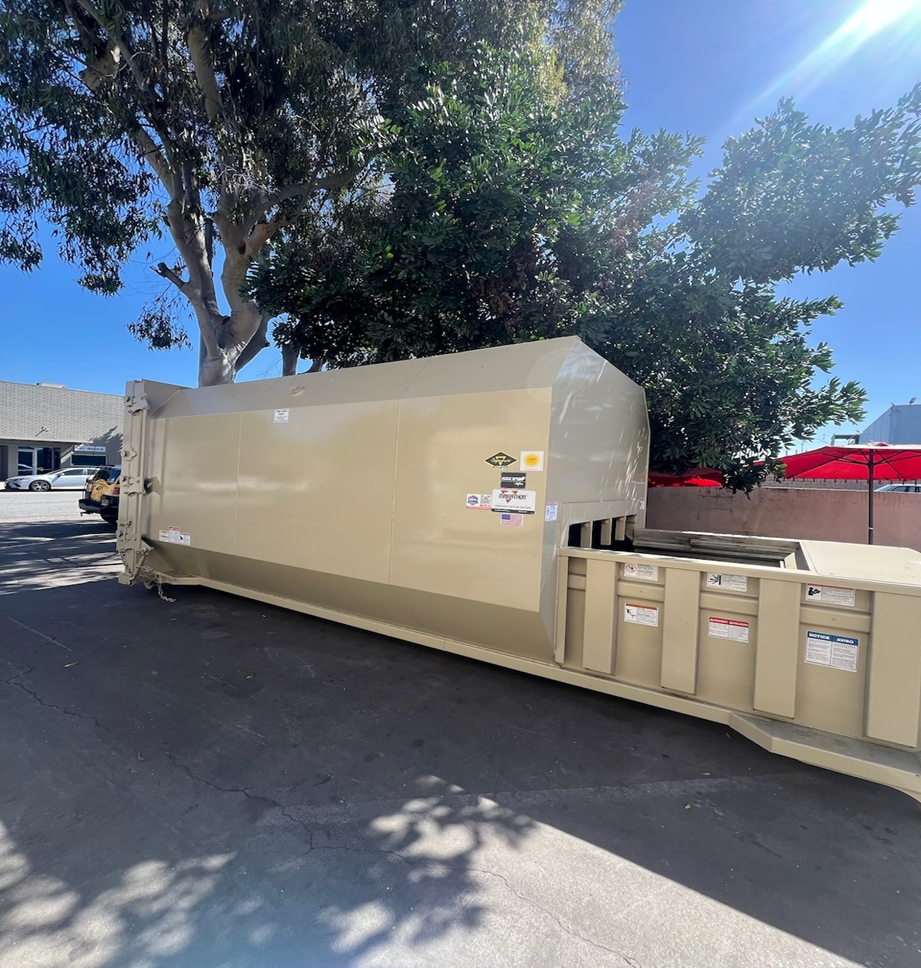
Managing high-volume waste efficiently is one of the ongoing challenges facilities deal with, whether you run a manufacturing plant, a distribution center, or a large retail operation. An industrial waste compactor can turn an overflowing, chaotic waste area into a streamlined part of daily operations, but only if you choose equipment that actually matches your facility’s needs. The stakes of this decision go beyond convenience. Waste handling touches safety, cost, and even how efficiently your facility runs day to day. A compactor that is too small becomes a bottleneck, while one that is oversized ties up capital and floor space that could be used elsewhere. Taking the time to understand your options upfront makes the difference between a purchase you are happy with for years and one you regret within months. What Is an Industrial Waste Compactor An industrial waste compactor is a powered machine that compresses bulky or high-volume waste into a smaller, denser form, making it far easier and cheaper to haul away. There are several types available, including stationary compactors that sit permanently on site, self-contained compactors for wet waste, and vertical models built for tighter footprints. Mark Costello Co.’s broader lineup of industrial waste compactors covers most of these configurations. Signs Your Facility Needs a Compactor Upgrade A few warning signs tend to show up before facilities finally invest in a proper compactor. Hauling costs creep up because bins are being emptied more often than necessary. Bins overflow, creating safety hazards and drawing complaints from staff or neighbors. Waste volume grows steadily as operations expand, and the equipment that once handled it comfortably starts falling behind. Another sign worth paying attention to is how much staff time gets absorbed by waste handling. If employees are regularly breaking down boxes, hand-carrying overflow to secondary bins, or making repeated trips to a dumpster that is already full, that labor cost adds up quickly, even if it never shows up as a single line item on a budget report. A properly sized compactor removes most of that manual work from the equation. Safety incidents, even minor ones, are another signal worth taking seriously. If staff is climbing on top of bins to pack down waste, or if forklifts are regularly navigating around overflow piles, that is a clear sign the current setup has outgrown its equipment. Waiting for a more serious incident before addressing the problem rarely ends up being the cheaper path. Factors to Consider Before Choosing a Compactor Waste type and volume, since food waste, packaging, and industrial scrap all behave differently under compaction. Available space and facility layout, which affect whether a stationary or vertical unit makes more sense Power requirements, since larger units need adequate electrical service to run efficiently Expected growth, so the equipment you choose today still fits your needs a few years from now Material density or composition Budget conversations tend to come up early, and rightly so, but it is worth resisting the urge to decide on price alone. The cheapest unit on paper can end up costing more over time if it cannot keep pace with your waste volume or requires frequent repairs. A more useful approach is to compare equipment based on cost per ton of waste processed over its expected lifespan, which gives a much clearer picture of long-term value than the upfront purchase price alone. Comparing Compactor Types for Different Industries Manufacturing facilities often generate heavy, bulky scrap that calls for a rugged stationary unit like the Ramjet 400 Ultra, while retail locations with lighter, more consistent waste streams may do just fine with a smaller footprint model. Warehousing and distribution operations that generate a mix of cardboard and general waste sometimes pair a compactor with a baler, such as the options covered on the 2-ram balers and industrial waste compactors page, to handle both waste streams efficiently. Long-Term Benefits of the Right Compactor Choosing equipment that fits your facility properly pays off well beyond the initial installation. Hauling frequency drops because more waste fits into every load, which directly reduces hauling costs. Work areas stay cleaner and safer, since waste is contained rather than piling up around dock doors. Over time, better compaction also supports stronger sustainability numbers, since dense, compacted loads make more efficient use of every hauling trip. There is also a durability angle that is easy to underestimate. Industrial compactors are built to run cycle after cycle for years, often with minimal downtime if they are maintained on a reasonable schedule. Facilities that invest in a well-built unit from the start typically spend far less on repairs over the life of the equipment compared to those that try to stretch an undersized or aging unit past its limits. Facility managers evaluating new equipment often find it helpful to review the considerations when buying a compaction equipment guide before making a final decision, since it covers many of the practical questions that come up during the buying process. Safety should never be an afterthought with this kind of equipment. The Occupational Safety and Health Administration applies machine safeguarding requirements to compactors and balers used to handle refuse, so it is worth confirming that any equipment you install meets current safety standards and is properly guarded. Working with a Supplier You Can Trust Equipment quality matters, but so does the relationship you build with the company supplying and servicing it. A facility that generates waste around the clock cannot afford long delays when a compactor goes down, so it is worth asking any potential supplier about typical response times, parts availability, and whether they offer preventive maintenance plans. A supplier who treats service as an afterthought is a real risk once your operation depends on that equipment running every single day. It also helps to ask about training. Staff who were never properly shown how the machine works can operate even the best compactor unsafely. A good supplier will walk your team through safe loading practices, lockout and tagout procedures, and what to do …
Continue reading “Choosing the Right Industrial Waste Compactor for Your Facility’s Needs”
Top Benefits of Using An Industrial Waste Compactor In San Diego
Did you know that unorganized waste can cost businesses thousands of dollars every year—not just in disposal fees, but in lost efficiency and hidden operational costs? It’s easy to overlook just how much waste impacts your bottom line until it’s too late. For businesses in San Diego, where every square foot counts and sustainability is a growing priority, finding smarter ways to manage waste isn’t just a nice-to-have—it’s a necessity. We understand how overwhelming waste management can feel, but there’s a solution that’s turning chaos into control for businesses across the city: industrial waste compactors. These powerful tools don’t just reduce waste volume—they transform the way businesses handle waste, unlocking savings, efficiency, and sustainability like never before.Let’s dive into the top benefits and see why an industrial waste compactor in San Diego could be the missing piece in your business strategy. Cost Savings on Waste Disposal One of the most immediate and noticeable benefits of using an industrial waste compactor is the significant cost savings it offers on waste disposal. By compressing waste into smaller, denser volumes, compactors reduce the number of pickups required. With fewer hauls, businesses can cut down on transportation fees, landfill charges, and associated costs. Beyond direct savings, compactors help businesses optimize their waste management budgets. The funds saved on waste disposal can be reallocated to other operational needs, such as upgrading equipment, enhancing employee training, or expanding services. Over time, the cost-efficiency of industrial compactors translates into a substantial return on investment, making them a smart financial choice for any business. Enhanced Space Utilization Space is a valuable commodity for businesses in San Diego, where high real estate costs demand efficient use of every square foot. Industrial waste compactors help maximize space by significantly reducing the area needed for waste storage. With less room dedicated to bins and dumpsters, businesses can repurpose valuable space for other operational needs, such as inventory storage, parking, or customer-facing areas. Compactors also contribute to better facility organization. By keeping waste contained and out of sight, they create a cleaner, more organized workspace that enhances productivity and reflects positively on your business to employees and customers alike. Environmental Impact and Sustainability San Diego’s commitment to sustainability and green initiatives makes industrial waste compactors a perfect fit for local businesses. By compacting waste, these machines reduce the overall volume of material sent to landfills, conserving landfill space and minimizing environmental impact. Fewer waste pickups mean fewer trucks on the road, which directly translates into lower greenhouse gas emissions. Businesses using compactors can take pride in reducing their carbon footprint while contributing to San Diego’s environmental goals. Additionally, compactors align with corporate sustainability initiatives, demonstrating a commitment to eco-friendly practices that can enhance your brand’s reputation. Improved Workplace Safety and Cleanliness Maintaining a clean and safe work environment is crucial for any business. Industrial waste compactors play a key role in achieving this by keeping waste securely contained. This minimizes the risk of spills, pests, and unpleasant odors that can disrupt operations and create health hazards. An organized waste management system also reduces the likelihood of accidents. Loose debris and clutter are common causes of workplace injuries, particularly in industries like manufacturing and retail. By compacting waste into manageable volumes, compactors keep work areas tidy and improve overall safety for employees and visitors. Increased Operational Efficiency Streamlining waste management processes can have a profound impact on overall operational efficiency. Industrial waste compactors simplify waste handling, allowing employees to focus on core tasks rather than dealing with overflowing bins or coordinating frequent pickups. With fewer waste hauls required, businesses experience less disruption to daily operations, saving valuable time and ensuring smoother workflows. Compactors provide a consistent and reliable solution for managing large volumes of waste, helping businesses maintain efficiency even during peak activity periods. Compliance with Local Regulations San Diego businesses must adhere to specific waste management laws and regulations to avoid fines and penalties. Industrial waste compactors can help ensure compliance by keeping waste management practices in line with local requirements. By compacting waste and organizing disposal processes, businesses can maintain accurate documentation and reporting, simplifying the process of meeting regulatory standards. Compactors provide peace of mind, allowing you to focus on growing your business while staying compliant with waste disposal laws. Types of Industrial Waste Compacting Solutions At The Mark-Costello Co., we offer a variety of industrial waste compacting solutions to suit the diverse needs of San Diego businesses. Self-contained compactors are ideal for managing wet and liquid-rich waste, making them a popular choice for restaurants, grocery stores, and facilities that handle organic materials. Their sealed design prevents leaks and odors, ensuring a clean and hygienic workspace. Stationary Compactors are perfect for managing dry, bulky waste, such as cardboard, packaging materials, and manufacturing debris. These machines are built for high-volume operations, making them a reliable choice for warehouses, retail centers, and industrial facilities. For businesses with unique requirements, we also offer customized compactors designed to handle specific waste types or fit within limited spaces. Client Testimonials: A Testament to Excellence At Mark Costello, client satisfaction and quality service are at the core of everything we do. Over the years, we have been privileged to serve a diverse clientele, and their feedback continually motivates us to deliver outstanding results. Here’s a notable testimonial from a valued client that speaks to our commitment and dedication: Carlos Miranda Luna President, MWT Inc. English Translation: *”Greetings, This letter is to thank you for your services to our company. Your teamwork has been very attentive and diligent in the way it has been carried out. We are very pleased with the teamwork, the price, and the quality of your services. We expect to continue an excellent business relationship with you in the near future.* Sincerely, Carlos Miranda Luna”* Original in Spanish: *”Saludos, La presente es para agradecer sus servicios a nuestra compañia. Su equipo de trabajo ha sido muy atento y diligente en las gestiones realizadas. Estamos muy complacidos con el equipo, el precio y …
Continue reading “Top Benefits of Using An Industrial Waste Compactor In San Diego”
Choosing The Right Stationary Compactor For Your Facility

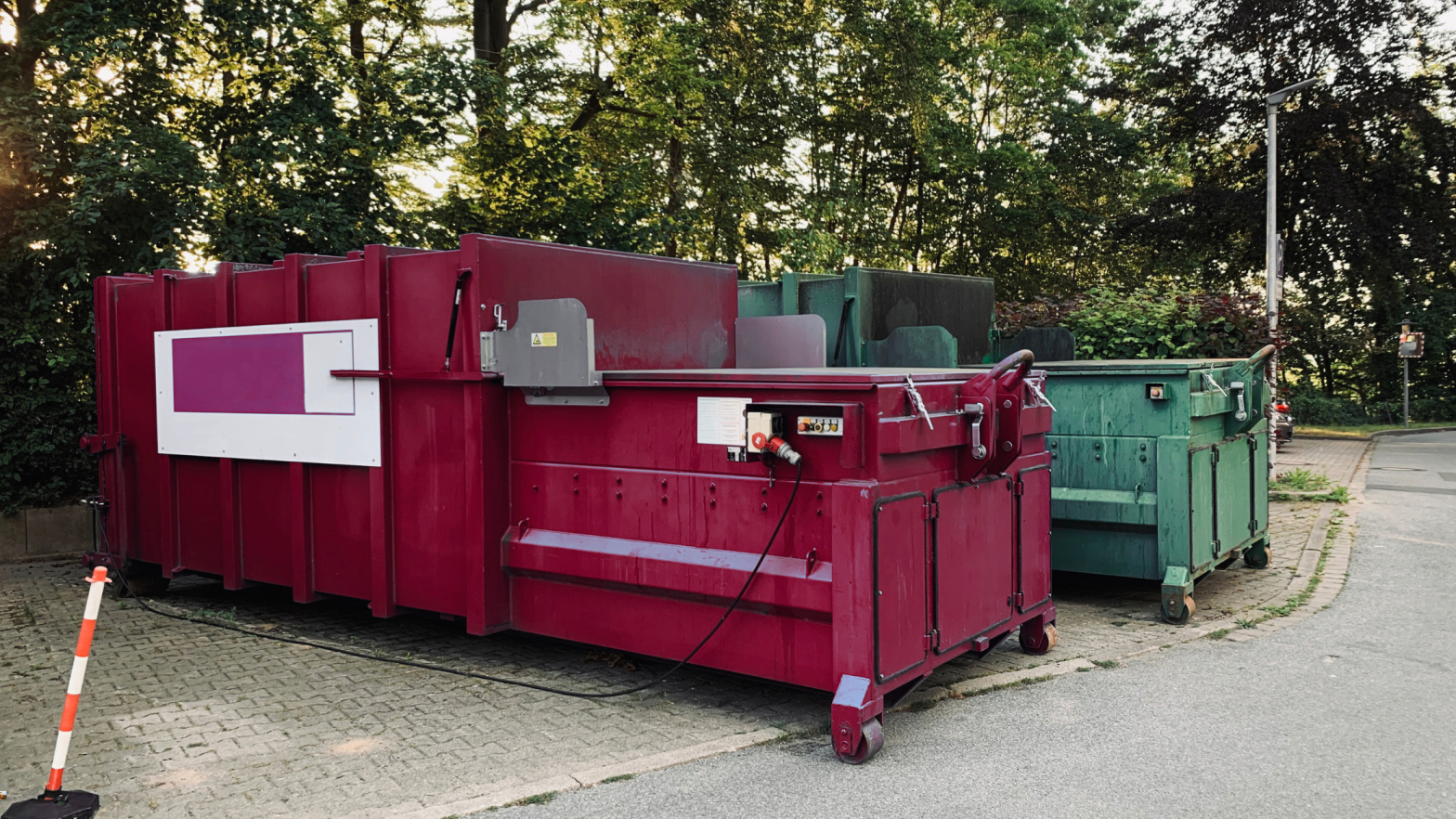
We all know that effective waste management is essential for the smooth operation of any facility, whether it’s a bustling warehouse, a high-traffic retail outlet, or a fast-paced industrial site. Proper waste management goes beyond simply keeping the floors clean; it plays a critical role in maintaining a safe work environment, meeting regulatory compliance, and creating a more productive space for employees. When waste piles up or is handled inefficiently, it can lead to safety hazards, unpleasant odors, and unnecessary clutter that slows down operations. That’s why having a reliable waste disposal system in place isn’t just a convenience, it’s a necessity for businesses that want to operate smoothly and sustainably. Dealing with waste efficiently not only keeps your facility clean and organized, but it also has a direct impact on reducing operational costs and enhancing your environmental responsibility. When waste is allowed to accumulate or isn’t managed properly, it often leads to increased labor, higher hauling fees, and even penalties for non-compliance with local or state regulations. On the other hand, implementing a structured waste management plan can lead to significant savings over time. By compacting waste and minimizing its footprint, facilities can cut down on the number of pickups required, reduce the need for frequent cleaning or maintenance, and demonstrate a commitment to green practices, something that’s increasingly important to customers and stakeholders alike. A stationary compactor can be a game-changer in this effort. These powerful machines are designed to compress large volumes of waste into tightly packed bales or containers, making storage and disposal much more manageable. Instead of dealing with overflowing dumpsters or frequent waste pickups, facilities with stationary compactors enjoy a streamlined waste process that minimizes disruptions to daily operations. Whether you’re dealing with cardboard boxes, plastic wrap, packaging materials, or general refuse, a stationary compactor dramatically reduces the volume of waste, making it easier to store and transport. It’s a smart solution for facilities that generate consistent levels of waste and want to maintain order and cleanliness without constant oversight. However, choosing the right stationary compactor isn’t always straightforward. With a wide variety of models, sizes, and configurations available, the selection process can feel overwhelming, especially if you’re not entirely sure what your facility needs. Some compactors are designed for dry waste, while others can handle wet materials or mixed loads. You also need to consider the size of the waste stream, how often waste is collected, and how much space you have available for installation. The wrong choice could result in inefficiencies, increased maintenance, or even operational downtime. That’s why it’s crucial to assess your facility’s unique requirements before making a decision. Understanding the volume and type of waste you generate, the layout of your site, and your desired level of automation can help you narrow down your options to the most effective solution. Let’s take a closer look at what you need to consider to find the perfect stationary compactor for your facility’s needs. From waste type and volume to space limitations and loading methods, each factor plays a role in choosing the right equipment. By evaluating these elements thoroughly, you’ll be better prepared to invest in a compactor that not only meets your current demands but also scales with your business as it grows. Whether you’re replacing an outdated system or implementing a new waste strategy from scratch, the right compactor can make a noticeable difference in your day-to-day operations, improving efficiency, reducing waste-related costs, and helping you meet your environmental goals. Key Considerations for Choosing a Stationary Selecting the right stationary compactor for your facility involves a thoughtful, multi-step evaluation of your waste management needs, operational limitations, and long-term goals. Making the best choice doesn’t just improve waste handling; it can also reduce operational costs, increase safety, and align with your facility’s environmental commitments. Below, we expand on the key factors you should consider to ensure your investment delivers both immediate and ongoing value. First and foremost, it’s essential to assess the volume and type of waste your facility generates on a regular basis. Facilities that deal with large quantities of dense, heavy waste, such as manufacturing plants, distribution centers, or food processing facilities, typically require high-capacity compactors designed to handle continuous and demanding usage. These machines must be robust enough to compress materials like cardboard, wooden pallets, food scraps, or packaging waste without frequent service interruptions. Conversely, smaller facilities such as retail stores, office buildings, or hospitality venues may only need compactors with moderate capacity, as their waste streams tend to be lighter and less frequent. Taking the time to accurately quantify your waste volume and understanding its composition ensures you select a compactor that matches your operational output without over- or under-investing in equipment. This results in more efficient waste processing and fewer pickups, which can significantly lower disposal costs.The next crucial factor is space availability and installation logistics. Not every compactor fits every facility layout, so understanding your physical constraints is vital. Begin by evaluating the designated waste management area to determine how much room you can allocate for a stationary compactor. You’ll want to ensure there’s enough clearance for both the compactor itself and for the collection trucks that will service it. This includes access routes, maneuverability, and any necessary safety buffers. If the space is limited, compact models with vertical configurations or smaller footprints may be ideal. Additionally, consider whether the compactor will be placed inside a building or outdoors, as this will influence the model you choose. Outdoor units need to be weather-resistant and securely enclosed, while indoor units should be well-ventilated and compatible with your facility’s infrastructure. Don’t overlook installation requirements such as proximity to electrical hookups, foundation preparation, or any custom anchoring or chute systems that may be needed for efficient operation. Accounting for these details early in the planning process can help avoid costly delays and modifications later. Environmental considerations and regulatory compliance are also pivotal in the selection process. With increasing pressure to reduce environmental footprints and …
Continue reading “Choosing The Right Stationary Compactor For Your Facility”