
Blog
How Balers for Cardboard Are Revolutionizing Waste Management
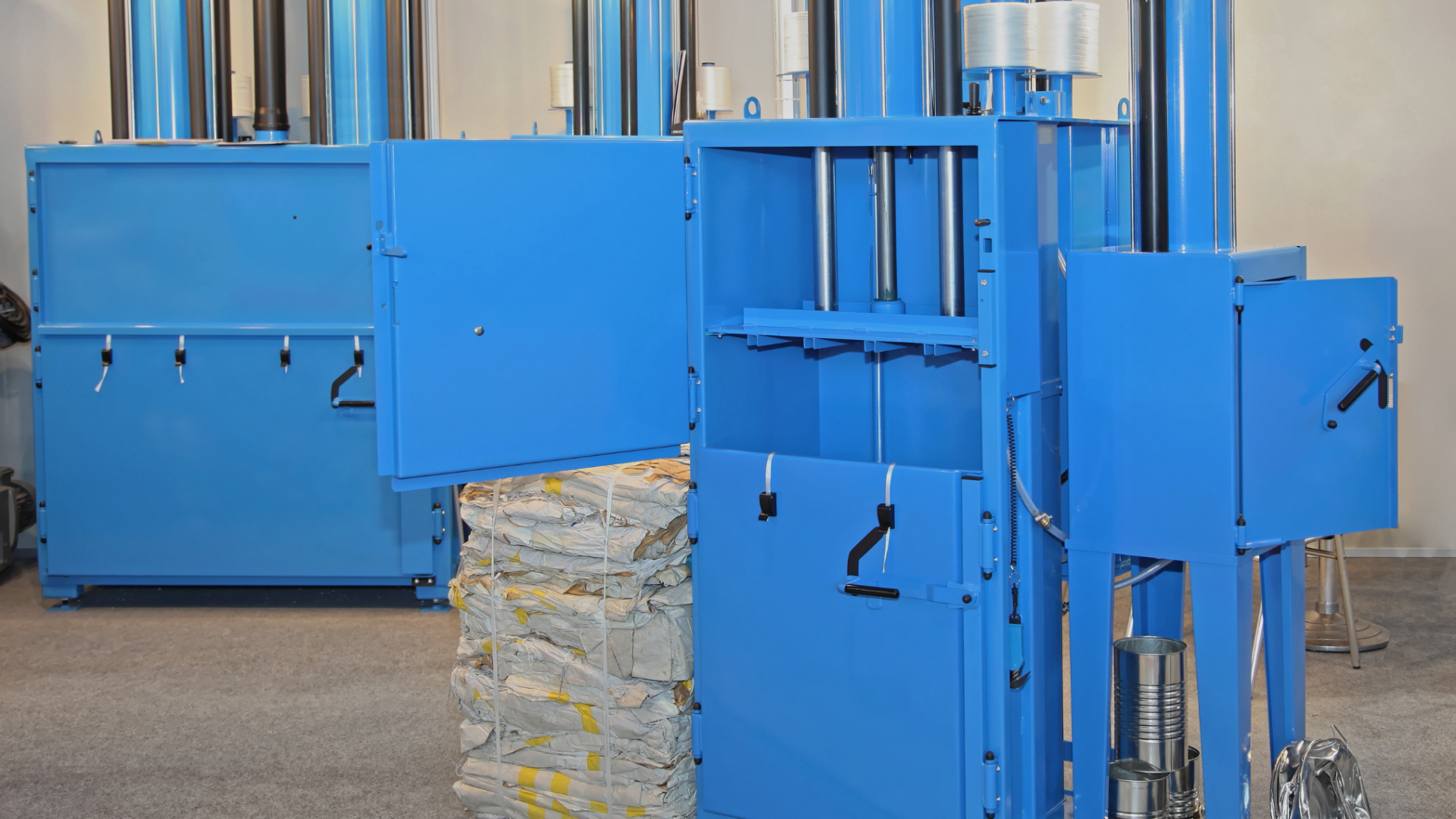
Cardboard is a persistent and growing challenge for businesses across a range of industries, especially those deeply involved in retail, shipping, logistics, and manufacturing. With the surge in e-commerce and product packaging demands, the amount of cardboard used, and subsequently discarded, has skyrocketed. Pallets of goods arrive daily, wrapped in cardboard, and without an efficient system to process this material, it quickly piles up and overwhelms storage areas. Unfortunately, much of this excess cardboard still ends up in landfills, where it contributes to environmental degradation, releasing methane as it breaks down and taking up valuable space that could otherwise be preserved. This reality underscores the urgent need for businesses to rethink how they handle such waste, especially as pressure grows from regulators, consumers, and communities to operate more sustainably. In response to this mounting issue and growing environmental awareness, forward-thinking businesses are shifting toward smarter, more responsible waste management practices. Environmental sustainability is no longer just a buzzword; it’s a necessity and a competitive advantage. Companies are being judged not only by the products they offer or the services they provide, but also by how they manage their resources and reduce their ecological footprint. In this context, the importance of reducing cardboard waste becomes clear. Rather than treating cardboard as a disposable byproduct of operations, businesses are now recognizing it as a recyclable resource that, when properly managed, can contribute to their sustainability goals and improve their operational efficiency. A particularly effective and increasingly popular solution to the cardboard waste dilemma is the adoption of cardboard balers. These machines, including the high-performance options offered by trusted names like Mark Costello, have proven to be a game-changer in commercial and industrial waste management. Balers work by compacting loose, bulky cardboard into dense, uniform bales, drastically reducing the volume of material that must be handled. This compression not only makes cardboard easier to store and transport but also increases its value for recycling. In essence, balers transform a messy problem into a neat, manageable, and even profitable solution. For businesses that generate high volumes of cardboard waste, the efficiency gains are immediate and significant, turning what was once a costly disposal issue into a streamlined recycling process. The environmental benefits of using cardboard balers are just as compelling as the operational advantages. By drastically cutting down the amount of loose cardboard sent to landfills, these machines help reduce the demand for landfill space and curb harmful emissions associated with decomposition. Moreover, compacted cardboard is much easier for recycling centers to process, ensuring a higher likelihood that it will be reused instead of discarded. This supports the circular economy by keeping valuable materials in use longer and reducing the need for virgin paper production, which in turn saves trees, water, and energy. The simple act of baling cardboard has ripple effects that extend far beyond the individual business, contributing to larger environmental conservation efforts and helping to meet regional and national sustainability targets. In addition to the ecological impact, businesses also stand to benefit financially from integrating balers into their waste management systems. Loose cardboard takes up considerable space in dumpsters and bins, which means more frequent pickups and higher hauling fees. By baling the material, companies can dramatically reduce the number of pickups required and lower their overall waste disposal costs. Some businesses even generate revenue by selling their compacted bales to recycling centers, adding a new income stream from what was previously a liability. Over time, these savings can offset the initial investment in a baler, making it a financially savvy move in addition to an environmentally responsible one. When considering long-term operational costs, the return on investment in a quality baler becomes increasingly clear. Companies like Mark Costello are playing a pivotal role in this shift, offering not only top-of-the-line balers but also comprehensive waste management solutions tailored to the needs of modern businesses. With decades of experience and a commitment to innovation, Mark Costello helps businesses of all sizes implement equipment and systems that fit seamlessly into their workflows. Their machines are designed for durability, ease of use, and maximum efficiency, ensuring that companies can manage their cardboard waste with minimal disruption and maximum effectiveness. What sets Mark Costello apart is their dedication to client success, not just selling equipment, but providing the guidance, support, and customization needed to ensure that each solution truly works for the long haul. By integrating balers into their operations, businesses are not only addressing the practical challenges of cardboard waste but are also taking a meaningful step toward environmental leadership. This kind of proactive approach signals to customers, employees, and stakeholders that the business is committed to doing its part for the planet. It reinforces a brand’s values and enhances its reputation in a marketplace that increasingly rewards sustainability and social responsibility. The impact of this decision is both immediate and far-reaching, less waste, lower costs, and a smaller carbon footprint. It’s a win-win scenario that aligns environmental stewardship with operational excellence. As we move forward in a world that demands smarter, greener solutions to everyday challenges, innovations like cardboard balers are more than just machines; they are tools of transformation. They represent a shift in how we think about waste, not as a burden but as an opportunity for improvement. With the help of companies like Mark Costello, businesses are leading the charge toward a cleaner, more efficient future. The decision to bale cardboard might seem simple, but its effects are anything but small. It’s a foundational step in reimagining how we handle materials in a sustainable, circular economy. And it’s one that businesses can take today to build a more resilient, eco-conscious tomorrow. Introduction to Balers for Cardboard Cardboard balers are invaluable tools revolutionizing waste management for businesses of all sizes, and The Mark-Costello Co. is at the forefront of this important transformation. In nearly every industry, from retail to manufacturing, cardboard packaging is a constant byproduct of daily operations. If you’ve ever peeked into the backroom of a grocery …
Continue reading “How Balers for Cardboard Are Revolutionizing Waste Management”
Unveiling The Technological Advancements In Consolidated Sterilizer Systems
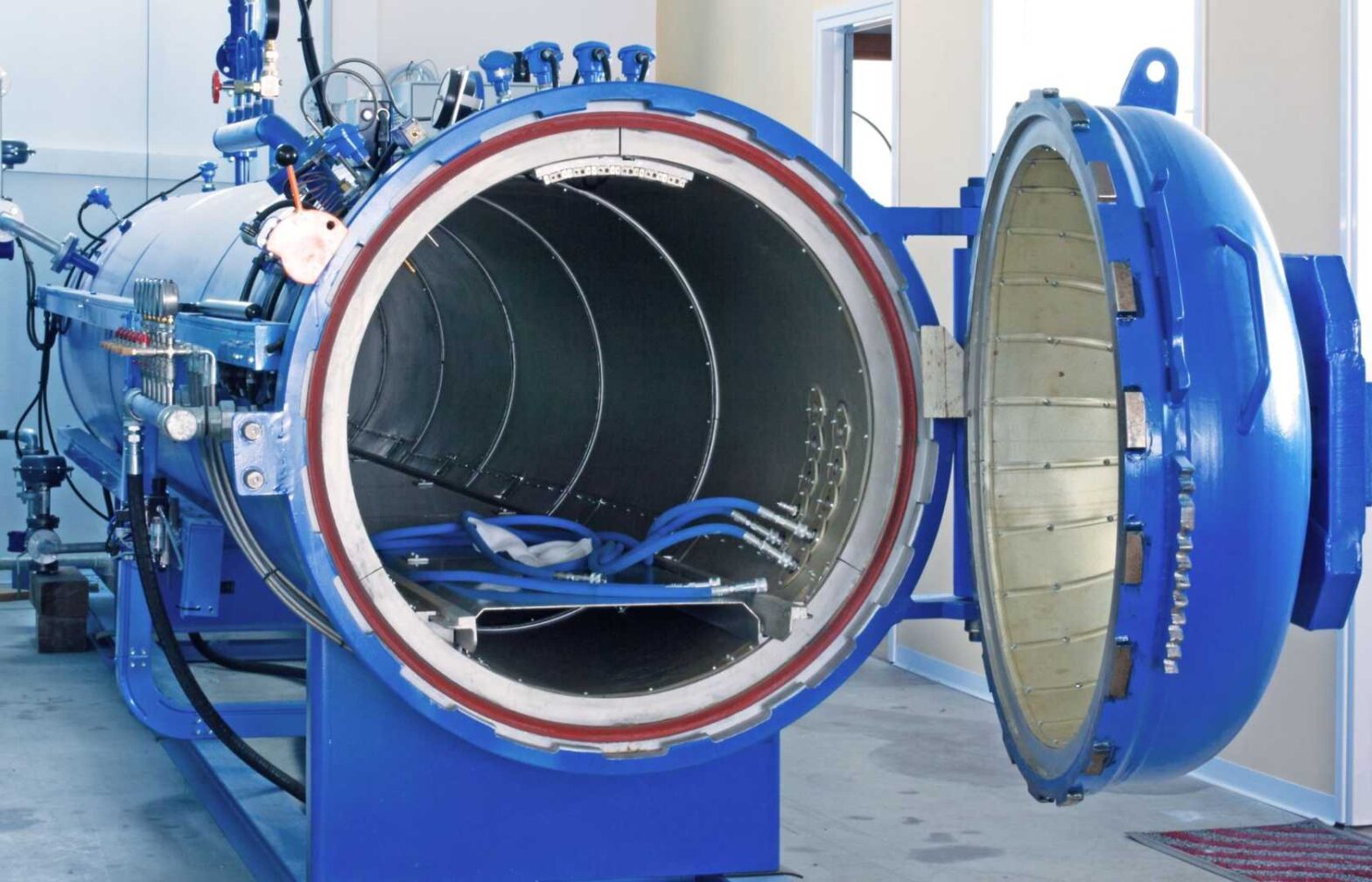
In the world of healthcare today, where speed and safety are key, keeping everything clean and free from germs is absolutely essential. Sterilization is crucial because it ensures that all medical tools and equipment are germ-free, which helps protect patients by preventing the spread of infections. As the healthcare industry continues to evolve and improve, so too must the technologies we rely on to keep things sterile. Mark Costello is a leader in the sterilization technology sector. They’re not just keeping up with current methods—they’re revolutionizing them. Their advanced sterilization solutions are changing the game in medical facilities, making the process more effective and efficient. We stands out in this field, leading the charge with some of the most innovative sterilization equipment available today. Their commitment to developing high-quality, reliable, and efficient systems has not only met industry standards but pushed them forward. In this blog, we’re going to dive deep into the impressive technological advancements that consolidated sterilizer systems has brought to the table. We’ll explore how these cutting-edge innovations are enhancing sterilization practices and, as a result, significantly improving the quality of medical care. So, let’s get into how these advancements are making a real difference in keeping our healthcare environments safer than ever. Evolution of Sterilization Technology Sterilization technology has really advanced over the years. Back in the day, the methods were pretty basic—think boiling water or using open flames to kill germs on medical tools. As time passed, the techniques got a bit more sophisticated. We started using things like autoclaves, which are kind of like giant pressure cookers for sterilizing equipment, and chemical sterilants to get the job done. But even these improved methods weren’t perfect. They often gave inconsistent results, and they could use a lot of energy, which wasn’t great for the environment or the hospital’s utility bills. Now, the world of sterilization technology is in a much better place. Today’s systems are way more efficient, reliable, and eco-friendly. They’re designed to give us better control over the process and uphold higher safety standards. This means that the modern sterilization processes are much more effective than the old-school methods. They ensure that medical tools are consistently free from germs, which is crucial for patient safety and overall health. Innovative Features in Consolidated Sterilizer Systems Consolidated sterilizer systems are packed with advanced features that make sterilization easier, safer, and more efficient. These systems offer precise control over sterilization settings, ensuring every cycle is perfect for the specific load. They are also designed to be energy-efficient, which helps reduce costs and is better for the environment. These sterilizers come with built-in data logging and monitoring capabilities, which help ensure compliance with regulations and maintain high quality. These innovative features are transforming the way medical facilities handle sterilization, making processes smoother and more reliable. Enhanced Safety and Efficiency When it comes to sterilization, safety and efficiency are crucial. Consolidated sterilizer systems have made significant advancements in both areas. These systems are designed to speed up sterilization cycles, allowing medical instruments to be ready for use faster, which is vital in busy healthcare settings. Automation features make these systems easy to use and help reduce human error. Safety mechanisms and fail-safe protocols ensure that the sterilization process is reliable and secure, protecting both users and patients. Customization and Adaptability Customization and adaptability are crucial in meeting the diverse needs of different industries. As technology advances, sterilizer systems have become significantly more efficient and flexible, allowing for the development of tailored solutions that address the unique requirements of each industry segment. This ongoing technological evolution means that sterilizer systems can now be fine-tuned to meet specific demands, whether it’s in healthcare, pharmaceuticals, or food processing. By focusing on customization and adaptability, manufacturers are demonstrating a strong commitment to improving the performance and effectiveness of sterilization processes. This not only ensures that industries can operate more smoothly but also that they can maintain high standards of safety and cleanliness. The ability to adapt and customize sterilizer systems means that businesses can confidently meet regulatory requirements and respond to changing needs, ultimately leading to better outcomes and greater efficiency across various sectors. Looking Towards the Future Consolidated sterilizer systems are setting the pace in the sterilization technology industry. These are revolutionizing the way we think about keeping things clean, especially in critical areas like healthcare and scientific research. With their cutting-edge technologies, they’re making sterilization processes more efficient, reliable, and easier to manage. Whether it’s through smarter automation or breakthroughs in sterilization methods, they’re leading the charge toward a future where cleanliness is next-level. Conclusion In conclusion, we at Mark Costello are truly setting new standards in the field of sterilization technology. Our commitment to innovation isn’t just about keeping up with current practices; it’s about advancing them to new heights. This dedication is transforming how essential sectors like healthcare and scientific research operate, allowing them to achieve greater safety and efficiency by harnessing the latest advancements to maintain impeccably clean and sterile environments. The impact of our technological progress reaches beyond these sectors. Businesses that depend on reliable and efficient processes stand to benefit immensely from our cutting-edge solutions. By partnering with us, they ensure that their operations are supported by the most advanced sterilization technology available, enhancing their productivity and operational safety. As we continue to lead the development of smarter, more effective sterilization solutions, we are witnessing a substantial shift towards cleaner, safer operational practices across various domains. The future looks incredibly promising as our technology evolves, providing a glimpse into a world where cleanliness and safety are more deeply integrated into our daily lives than ever before. At Mark Costello, we’re excited about the innovations we’re bringing to the table next, committed to improving global standards of cleanliness and health.
How Modern Garbage Compactor Machines are Revolutionizing Waste Management
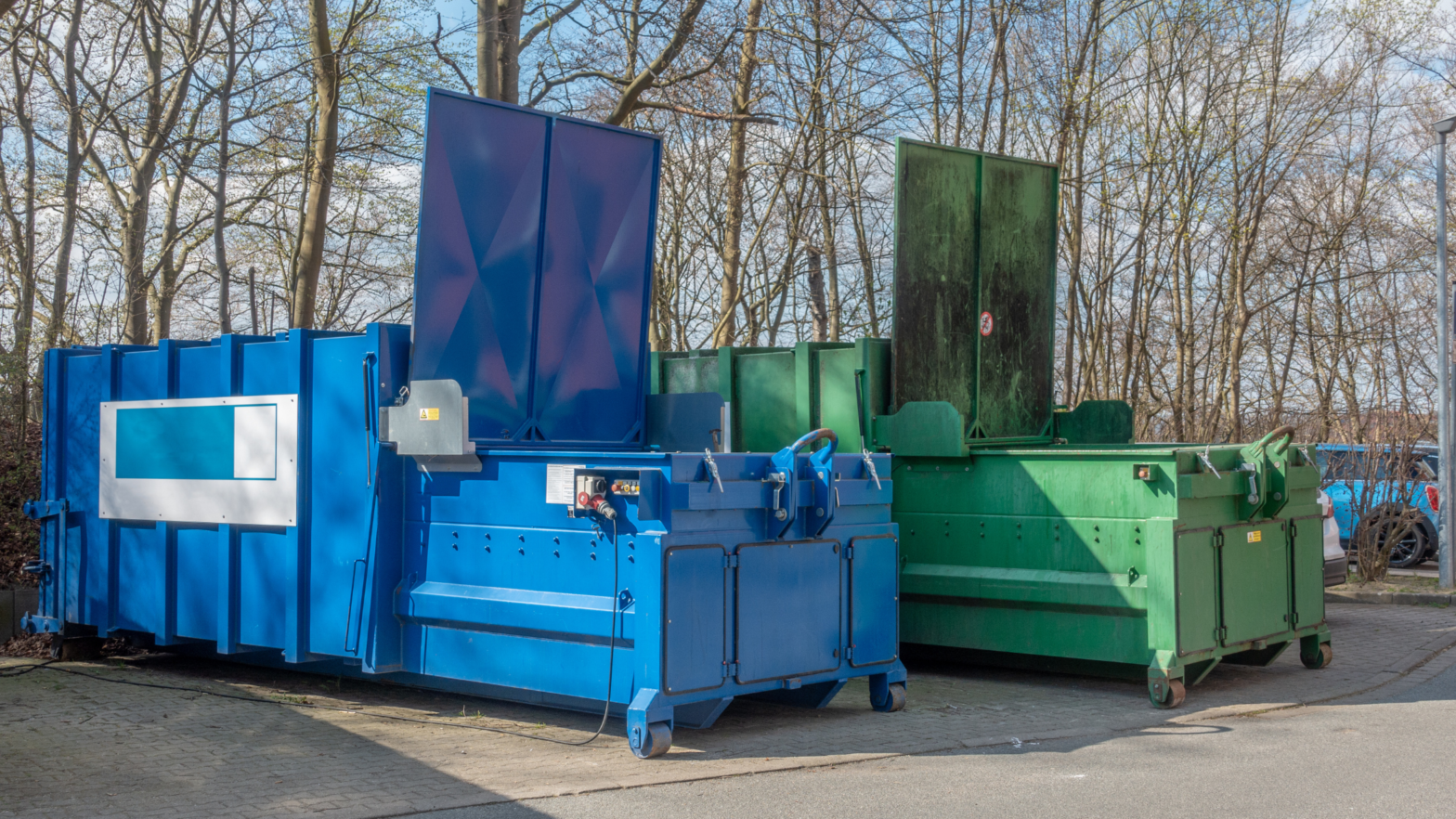
Modern garbage compactor machines have significantly transformed the landscape of waste management by streamlining the process of waste compaction, reducing volume, and increasing efficiency in waste disposal operations. These innovative machines are equipped with advanced technology and automation features that not only enhance productivity but also contribute to environmental sustainability by minimizing the carbon footprint associated with waste transportation and disposal. This article delves into the impact of modern garbage compactor machines on waste management practices, highlighting their role in revolutionizing the way we handle and process waste materials. Advantages of Modern Garbage Compactors Modern garbage compactors are at the forefront of revolutionizing waste management practices, offering a myriad of benefits that improve both operational efficiency and environmental sustainability. Garbage compactors are designed to handle large volumes of waste efficiently, thanks to their remarkable ability to compress substantial amounts of trash into smaller, more manageable sizes. This compression capability maximizes the capacity of collection vehicles, reducing the frequency of trips to disposal sites. As a result, waste management companies can save valuable time and minimize labor costs, optimizing their operational workflows for greater efficiency. One of the most significant advantages of modern garbage compactors lies in their ability to minimize environmental impact. By compressing trash into denser, more compact forms, these machines reduce the space required for landfill disposal. This reduction in landfill space utilization not only extends the lifespan of existing landfill sites but also mitigates the need for the expansion of landfill infrastructure. Moreover, fewer trips are needed for waste collection due to the optimized capacity of compacted trash, resulting in decreased emissions and a cleaner, healthier environment. Types of Modern Garbage Compactors Modern garbage compactors come in various forms, each tailored to specific waste management needs and environments. Garbage trucks equipped with built-in compaction systems are a cornerstone of waste collection. These trucks feature integrated mechanisms that compress trash as it’s loaded, maximizing the truck’s capacity and reducing trips to disposal sites. The benefits are manifold: increased efficiency, cost savings, and environmental benefits compared to traditional trucks. By compacting trash on-site, these trucks optimize space and save time, fuel, and labor costs. Moreover, fewer trips mean reduced emissions, contributing to a cleaner environment. Ideal for small spaces or remote areas, portable trash compactors offer versatility and efficiency. These compactors compress waste into dense packages, making them suitable for indoor or outdoor use. Their maneuverability and compact size allow deployment in various environments, from commercial buildings to construction sites. Whether managing waste in urban settings or remote rural areas, portable trash commander provide an efficient and convenient solution. Challenges Faced by Waste Management Industry Despite the advancements in waste management technology, the industry still grapples with several challenges: The waste management industry confronts several formidable challenges as it endeavors to efficiently manage the ever-growing volume of waste generated by society. The burgeoning global population is a significant driver behind the escalating volumes of waste. As more individuals inhabit urban areas and adopt modern lifestyles, the demand for goods and services surges, consequently resulting in heightened waste production. This trend places immense pressure on existing waste management infrastructure, necessitating innovative solutions to handle the escalating quantities of waste effectively. One of the gravest challenges faced by the waste management industry is the proliferation of improper disposal methods, which contribute to environmental pollution. Inadequate waste disposal practices, such as illegal dumping and improper landfill management, pose significant threats to environmental health and ecosystem integrity. Pollution stemming from mismanaged waste not only compromises air, soil, and water quality but also jeopardizes public health and wildlife habitats. The utilization of traditional waste management methods, such as landfilling and incineration, entails considerable costs for waste management companies and municipalities. Landfilling, in particular, demands vast tracts of land and necessitates stringent environmental regulations to mitigate adverse impacts on surrounding ecosystems. Moreover, incineration, while offering a means of waste volume reduction, generates air pollutants and ash residues that necessitate costly disposal measure How Modern Garbage Compact Machines are Addressing These Challenges Modern garbage compact machines are pivotal in mitigating the challenges faced by the waste management industry, offering innovative solutions to efficiently manage waste streams and promote sustainability. Garbage compact machines are adept at efficiently handling larger volumes of waste, thanks to their advanced compaction capabilities. By compressing waste into denser forms, these machines optimize storage space and enhance transportation efficiency. This enables waste management companies to streamline their operations and accommodate the ever-increasing volumes of waste generated by growing populations and urbanization. One of the primary objectives of modern garbage compact machines is to minimize the reliance on landfill disposal. By compacting waste into smaller, more manageable sizes, these machines reduce the space required for landfilling, thereby extending the lifespan of existing landfill sites. This reduction in landfill usage helps alleviate the environmental burden associated with landfilling, including land degradation, groundwater contamination, and methane emissions. Modern garbage compact machines offer cost-effective solutions for waste management, helping to optimize operational efficiency and reduce overall costs. By maximizing the capacity of waste collection vehicles and minimizing the frequency of trips to disposal sites, these machines help waste management companies save on fuel, labor, and maintenance expenses. Additionally, the reduction in landfill usage translates to potential cost savings associated with landfill disposal fees and compliance with regulatory requirements. Future Outlook In the future, the waste management industry anticipates substantial growth, buoyed by factors such as population expansion and urbanization. Technological advancements are set to play a pivotal role, in enhancing functionality across waste management processes. Moreover, there’s a notable trend toward expanding into developing countries, where modern waste management solutions are increasingly sought after to address mounting environmental challenges and support sustainable development initiatives. Conclusion In conclusion, modern garbage compactors are revolutionizing the waste management industry by offering increased efficiency, reduced environmental impact, and cost-effective solutions. As the industry continues to evolve, it is essential for businesses to adopt modern waste management solutions to stay ahead of the curve. At The Mark-Costello Co., we are …
Continue reading “How Modern Garbage Compactor Machines are Revolutionizing Waste Management”