
Category Archives: Stainless Steel Conveyor Belt
Why Steel Belt Conveyors Are Essential for Heavy-Duty Material Handling?

Handling heavy materials in industrial settings is no small task. Whether it’s moving scrap metal, industrial waste, bulk raw materials, or high-temperature debris, businesses need a conveyor system that can withstand extreme conditions and continuous operation. Many industries struggle with material handling inefficiencies due to conveyor systems that wear out quickly, break under pressure, or fail to operate reliably in harsh environments. These inefficiencies lead to increased downtime, higher maintenance costs, and reduced productivity. Steel belt conveyors have become the go-to solution for industries that demand durability, efficiency, and long-term reliability. Unlike rubber or plastic conveyor belts, which degrade under heavy loads or high temperatures, steel belt conveyors are built to handle extreme conditions, withstand abrasion, and maintain smooth material flow. This makes them an essential investment for businesses seeking to optimize their material handling processes. An Overview of Steel Belt Conveyors and Their Importance in Material Handling Steel belt conveyors are heavy-duty conveyor systems designed for transporting large, sharp, or high-temperature materials that would quickly damage traditional conveyor belts. They feature a stainless steel or carbon steel belt, which moves materials along a frame supported by rollers or a solid surface. These conveyors are widely used in industries that require high-strength, corrosion-resistant, and temperature-tolerant solutions. Unlike rubber, fabric, or plastic belts, steel belts offer exceptional strength, durability, and resistance to environmental stressors. They do not warp, tear, or degrade when exposed to heat, chemicals, or sharp objects, making them ideal for industries like metal recycling, waste management, foundries, and heavy manufacturing. Because steel belts maintain their integrity over time, businesses can reduce maintenance costs, minimize operational downtime, and increase overall efficiency. Steel belt conveyors are commonly used in industries such as scrap metal processing, automotive manufacturing, mining, recycling, and bulk material handling. These sectors rely on tough and reliable material transport solutions to keep operations running smoothly without frequent interruptions. The Benefits of Steel Belt Conveyors for Heavy-Duty Applications Durability and Strength One of the most significant advantages of steel belt conveyors is their superior durability. These conveyors are designed to handle extreme loads, resist impact, and endure harsh environmental conditions. Unlike rubber belts, which can stretch, tear, or break under pressure, steel belts are built to last. In industries that deal with hot materials, heavy metal components, or abrasive substances, a standard conveyor system simply won’t cut it. Steel belts can withstand high temperatures, sharp edges, and heavy loads without sustaining significant wear and tear. This durability extends the service life of the conveyor system, reducing the frequency of repairs and replacements, which ultimately lowers maintenance costs. Steel belts are also corrosion-resistant, especially when made from stainless steel. This makes them ideal for industries that operate in wet, humid, or chemically aggressive environments, such as food processing plants, chemical manufacturing facilities, and waste treatment centers. Efficiency and Productivity Steel belt conveyors enhance operational efficiency by ensuring smooth and continuous material flow. Unlike traditional conveyor systems, which can become clogged, jammed, or overloaded, steel belt conveyors handle high volumes of materials with ease. Their ability to operate in tough environments reduces downtime and enhances overall productivity. The high-load capacity of steel belt conveyors means businesses can transport more materials in less time, improving throughput and optimizing workflow. Their customizable configurations allow companies to tailor their conveyor systems to meet specific operational needs, whether that involves angled inclines, automated sorting, or integration with other machinery. Another key efficiency advantage is the reduced need for frequent repairs. Traditional belts often experience wear and tear, leading to unplanned maintenance and disruptions. With steel belt conveyors, businesses can increase uptime and maintain a more consistent production schedule. Versatility in Industrial Applications Steel belt conveyors are used across multiple industries due to their versatility and ability to handle diverse materials. They are commonly found in recycling centers, steel mills, mining operations, and waste processing plants, where materials such as scrap metal, molten steel, construction debris, and bulk waste need to be transported efficiently. These conveyors can also be integrated into automated systems, enabling businesses to streamline operations further. Many industries use steel belt conveyors in conjunction with robotic handling systems, crushers, and balers to create a seamless material processing workflow. Their ability to handle both heavy loads and fine materials makes them ideal for a wide range of applications. Environmental and Safety Advantages In addition to improving efficiency, steel belt conveyors also offer environmental and safety benefits. Because they are designed to reduce material spillage, they help keep facilities cleaner and safer. Unlike rubber belts, which can become a fire hazard in high-temperature environments, steel belts do not burn or release toxic fumes, making them much safer for use in foundries and other heat-intensive industries. Steel belt conveyors also help companies reduce their environmental footprint by improving material handling efficiency and minimizing waste losses. In recycling and waste processing facilities, steel belt conveyors play a critical role in sorting, transporting, and processing materials for reuse, supporting sustainable waste management practices. Key Features to Look for in a Steel Belt Conveyor When investing in a steel belt conveyor, businesses should consider several critical features to ensure they are selecting the right system for their needs. Belt thickness and material composition are essential, as different industries require different levels of durability and resistance. Stainless steel and carbon steel options provide varying degrees of corrosion resistance, heat tolerance, and load-bearing capacity. The load-bearing capacity and belt width should match the type of materials being transported. For extremely heavy loads, reinforced steel belts with higher weight limits are recommended. Heat and impact resistance is crucial for industries dealing with molten metal, high-temperature processes, or abrasive materials. Modern steel belt conveyors come with automated controls and smart monitoring systems, allowing businesses to track performance, adjust speeds, and detect potential issues before they cause downtime. Investing in a customizable conveyor system ensures that businesses can tailor their solution to meet specific operational demands. The Mark-Costello Co.: Your Trusted Partner for Steel Belt Conveyor Solutions We specialize in providing high-performance …
Continue reading “Why Steel Belt Conveyors Are Essential for Heavy-Duty Material Handling?”
Why Stainless Steel Conveyor Belts Are An Industry Game-Changer
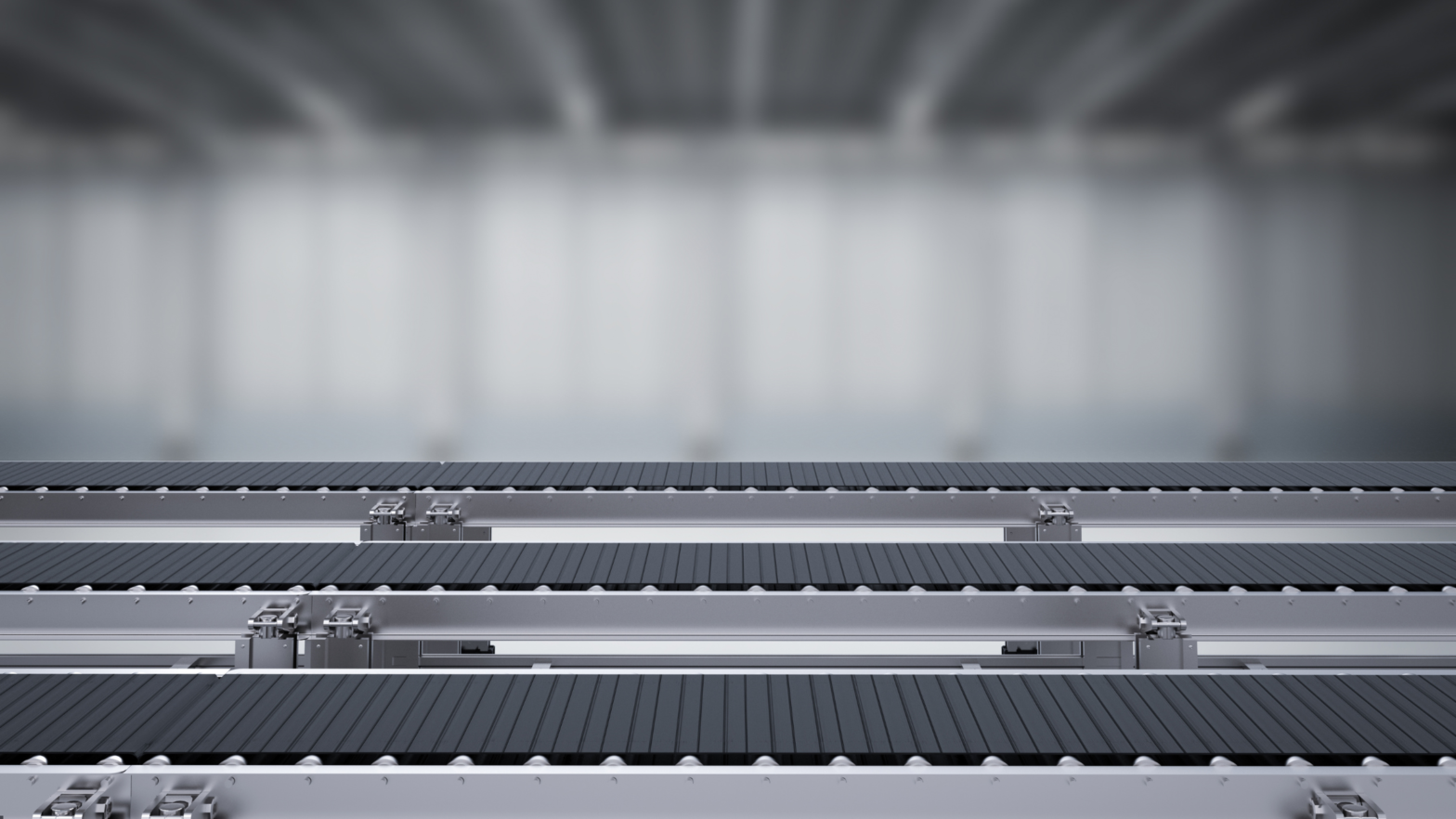
Stainless steel conveyor belts are conveyor systems crafted from high-grade stainless steel, designed to meet the demands of modern industrial operations. Built for performance and reliability, these belts ensure the smooth and efficient movement of materials and products across production lines, warehouses, or processing facilities. Their construction uses premium stainless steel that offers exceptional mechanical strength, ensuring they can perform consistently under high-stress environments. Whether the job involves transporting heavy loads, moving delicate goods, or operating in high-speed settings, stainless steel conveyor belts deliver the durability and stability that industries require to keep their operations running at peak efficiency. One of the standout qualities of stainless steel conveyor belts is their unmatched durability and resistance to wear and tear. Unlike other materials, stainless steel maintains its structural integrity even in extreme working conditions, such as exposure to high or low temperatures, moisture, and chemicals. This makes them particularly useful in industries where constant cleaning, exposure to water, or contact with harsh substances is part of the daily workflow. Their corrosion-resistant properties mean they won’t rust or degrade easily, allowing for a longer lifespan and reduced maintenance costs. Additionally, their smooth, non-porous surface not only supports cleanliness but also minimizes the risk of contamination, a critical factor in sectors like food processing, pharmaceuticals, and electronics manufacturing. Ease of cleaning is another major advantage that makes stainless steel conveyor belts an industry favorite. In environments where hygiene is a top priority, such as food and beverage production or medical product handling, the ability to thoroughly sanitize equipment quickly is essential. Stainless steel belts can be cleaned efficiently without requiring specialized solutions or extended downtime. They can withstand hot water, steam cleaning, and various sanitizing agents without losing their strength or shape. This ease of maintenance not only ensures compliance with strict industry regulations but also reduces operational interruptions, keeping productivity levels high and production schedules on track. The versatility of stainless steel conveyor belts extends to a wide range of industries. In food processing plants, they handle raw ingredients and packaged goods without absorbing odors or flavors, ensuring product quality and safety. In pharmaceutical manufacturing, they transport sensitive materials in sterile conditions, safeguarding against contamination. Heavy-duty manufacturing facilities rely on these belts for moving components, assemblies, or finished products across long distances or multiple workstations with minimal wear. Even in high-tech industries such as electronics production, stainless steel belts offer precision handling of delicate components, maintaining accuracy and reliability throughout the process. This adaptability, combined with their strength, makes stainless steel conveyor belts a smart investment for companies looking to streamline workflows across different applications. Advantages Of Stainless Steel Stainless steel offers a lot of great benefits that make it a favorite in many industries. Here are some key advantages: Durability And Strength If you need something that’s incredibly strong, durable, and built to perform under pressure, stainless steel is one of the most reliable materials available. Known for its exceptional resistance to bending, breaking, and deforming, it’s a preferred choice in settings where structural integrity is critical. Stainless steel can withstand heavy loads, endure high-pressure environments, and resist constant wear and tear without losing its shape or strength. Even after years of use, it maintains its performance, which is why it’s valued in demanding industries. Its ability to hold up under extreme temperatures, moisture, and corrosive conditions makes it a trusted solution for projects that require long-lasting resilience. This toughness makes stainless steel a go-to material for construction, automotive, and manufacturing industries, where components are often exposed to harsh conditions on a daily basis. In construction, it’s used for everything from support beams and bridges to architectural details that must endure weather and environmental stress. In the automotive sector, stainless steel’s strength ensures that parts can handle vibration, impact, and long-term use without failure. In manufacturing, where machinery runs for hours or even days at a time, stainless steel provides the durability needed to keep operations running smoothly without frequent repairs or replacements. Corrosion Resistance One of the best things about stainless steel is that it doesn’t rust or tarnish easily, even when exposed to wet, humid, or harsh environments for long periods of time. This exceptional durability comes from the chromium content in stainless steel, which forms a thin, invisible layer on the surface that protects it from oxidation and corrosion. Unlike many other metals that require constant upkeep or protective coatings, stainless steel can maintain its strength and shine with minimal maintenance, making it a cost-effective choice in the long run. Whether it’s facing heavy rainfall, salty sea air, or regular cleaning with water and chemicals, stainless steel stands up to the challenge without losing its appearance or integrity. This is why it’s such a reliable option for outdoor structures, marine applications like boats, and areas where cleanliness and hygiene are essential, such as food processing plants and hospitals. Stainless steel’s resistance to rust and tarnish is truly one of its standout features, setting it apart from materials that might weaken or degrade quickly over time. Metals like iron or untreated steel can begin to corrode almost immediately when exposed to moisture, oxygen, or certain chemicals, often requiring frequent repairs, repainting, or replacement. Stainless steel, on the other hand, maintains its polished appearance and structural integrity even under constant environmental stress. This makes it an ideal choice for applications where strength, safety, and appearance must be preserved over many years. Outdoor structures like bridges, railings, and sculptures that endure sun, rain, snow, and pollution can still look as impressive after decades as they did on the day they were installed. The same qualities make stainless steel an excellent investment for both functional and decorative purposes, offering long-lasting beauty and dependability no matter the setting. Hygienic Properties Stainless steel is widely recognized for being exceptionally easy to clean and for its natural resistance to bacteria, which makes it one of the most trusted materials in environments where hygiene is non-negotiable. This includes high-traffic and high-standard settings like commercial kitchens, …
Continue reading “Why Stainless Steel Conveyor Belts Are An Industry Game-Changer”
Optimize Your Manufacturing Process with Stainless Steel Conveyor Belts
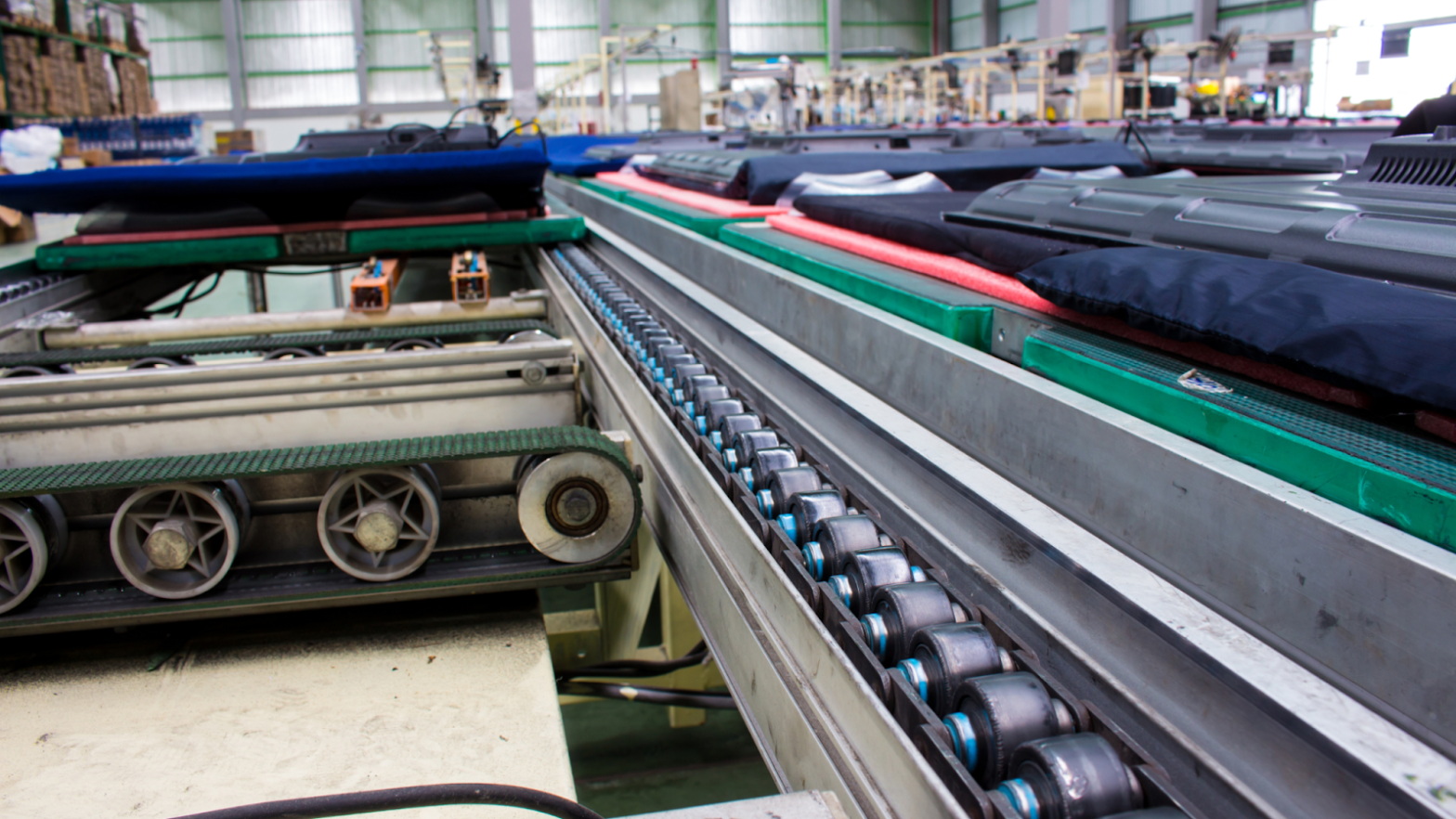
Stainless steel conveyor belts have long been recognized as a vital component in optimizing manufacturing processes across various industries. With their durability, cleanliness, and resistance to corrosion, these belts offer a superior solution for efficiently moving materials in production facilities. By utilizing stainless steel conveyor belts, businesses can achieve higher levels of productivity, safety, and quality in their operations. This article delves into the benefits and applications of stainless steel conveyor belts, highlighting their importance in streamlining manufacturing processes. Benefits of Stainless Steel Conveyor Belts Stainless steel conveyor belts are the unsung heroes of modern manufacturing, offering a multitude of benefits that streamline operations and elevate efficiency. From their unparalleled durability to hygienic properties and cost-effectiveness, these conveyor belts are the cornerstone of optimized material handling processes. Durability and Longevity Stainless steel conveyor belts are engineered to endure the most challenging industrial environments, making them an indispensable asset in manufacturing facilities worldwide. Their remarkable durability stems from the inherent properties of stainless steel, a material renowned for its resilience and strength. These belts are crafted to withstand extreme temperatures, heavy loads, and abrasive materials without compromising performance. Furthermore, stainless steel conveyor belts exhibit exceptional resistance to corrosion, rust, and wear and tear, ensuring prolonged service life even in the harshest operating conditions. Whether subjected to moisture, chemicals, or abrasive substances, these belts maintain their structural integrity, providing reliable and uninterrupted operation over time. Hygienic Properties In industries where cleanliness is paramount, such as healthcare and food processing, stainless steel conveyor belts offer unparalleled hygienic advantages. Their smooth and non-porous surface facilitates effortless cleaning and sanitation, minimizing the risk of bacterial contamination and cross-contamination. This inherent hygienic feature makes stainless steel conveyor belts particularly well-suited for handling medical waste, where stringent sanitation protocols are mandatory to ensure safety and compliance. With the ability to withstand rigorous cleaning procedures and disinfectants, these belts maintain pristine hygiene standards, safeguarding product quality and consumer health. Cost-Effectiveness Investing in stainless steel conveyor belts translates into long-term cost savings and operational efficiency for businesses. One of the key cost-saving benefits lies in their low maintenance requirements. Unlike traditional conveyor belts that often require frequent repairs and replacements due to wear and tear, stainless steel belts are virtually maintenance-free, reducing downtime and associated labor costs. Moreover, stainless steel conveyor belts represent a sound long-term investment for companies seeking sustainable and reliable material handling solutions. Their robust construction and longevity ensure a prolonged service life, minimizing the need for costly replacements and upgrades. By opting for stainless steel conveyor belts, businesses can enjoy significant cost savings over the operational lifespan of the equipment, enhancing profitability and competitiveness in the market. How Stainless Steel Conveyor Belts Can Optimize Manufacturing Processes at The Mark-Costello Co. The transformative power of stainless steel conveyor belts in revolutionizing manufacturing processes at The Mark-Costello Co. Let’s explore how these advanced conveyor systems enhance material handling efficiency, drive productivity gains, and offer customizable solutions. Michael KelleherMichael Kelleher is an experienced content strategist at The Mark-Costello Co, with over five years of expertise in creating compelling, data-driven content for diverse industries. His focus on delivering high-quality blog posts and content strategies has helped businesses elevate their online presence and connect with their target audience effectively. www.mark-costello.com/