
Blog
How Industrial Recyclers Are Transforming The Waste Landscape

We all know that waste management is a huge issue all over the world. With the global population growing rapidly and urban areas expanding at unprecedented rates, the volume of waste being generated is becoming unmanageable. It’s not just households throwing away garbage; businesses, factories, construction sites, and industrial plants are all contributing massive amounts of waste every single day. From plastics and metals to hazardous byproducts and excess packaging, the sheer scale of what we’re discarding is staggering. And as our consumption habits become more intense, the problem only worsens. With more people and industries popping up every day, the amount of trash we produce is skyrocketing. Every new building, product line, and piece of infrastructure adds to the waste stream. Whether it’s consumer electronics, fast fashion, or packaged goods, each innovation comes with environmental consequences. We’re using more resources than ever before, and unfortunately, a lot of what we consume ends up as waste. Traditional waste systems are overwhelmed, and without significant intervention, the burden on our environment and communities will continue to grow. Traditional ways of dealing with waste, like dumping it in landfills or burning it, just aren’t cutting it anymore. Landfills are reaching capacity, and many regions are running out of viable space to bury waste. Not only do these sites release methane, a powerful greenhouse gas, but they also pose long-term risks to soil and water systems through leachate contamination. Incineration, while reducing volume, releases harmful pollutants and requires enormous amounts of energy. These outdated methods are increasingly seen as unsustainable, especially when we consider the environmental toll and the missed opportunity to recover valuable materials from what we throw away. They take up too much space and cause a lot of pollution. Modern cities and towns face growing resistance from residents when new landfills are proposed, and for good reason. These sites are eyesores, emit foul odors, and often decrease property values. Additionally, incineration plants can release dioxins and other toxic substances that affect air quality and public health. The environmental cost of continuing to rely on these disposal methods is far too high, especially when we have better options on the table, options that reduce pollution, conserve natural resources, and create economic opportunities. That’s where industrial recyclers come in; they’re game changers in the waste management scene. Industrial recyclers are stepping in with innovative approaches that go beyond simply collecting and separating materials. They’re transforming the entire lifecycle of waste by finding ways to turn discarded products and byproducts into reusable resources. Whether it’s reprocessing metals from old machinery, recovering solvents from manufacturing waste, or turning food waste into compost, industrial recycling offers scalable, sustainable solutions. These recyclers are not only helping to divert waste from landfills but are also reducing the need to extract new raw materials, leading to a more circular and efficient economy. In this blog, we’ll dive into how industrial recyclers are shaking things up and making a big difference. We’ll explore the cutting-edge technologies they’re using, like AI-powered sorting systems, chemical recycling processes, and advanced shredding equipment, that make it possible to recover materials that were once considered unrecyclable. We’ll also highlight how these practices are leading to cleaner air, reduced emissions, and healthier communities. By showing real-world examples of how industries are working hand-in-hand with recyclers, we’ll demonstrate the real impact these collaborations are having on sustainability goals across sectors. We’ll look at some cool new recycling technologies, talk about the positive impact on the environment, and see how these recyclers are teaming up with various industries to reduce waste. From aerospace to agriculture, industrial recyclers are becoming trusted partners in waste reduction strategies. They’re helping companies rethink how they design, produce, and dispose of materials, turning sustainability from a buzzword into a concrete business advantage. These efforts aren’t just good for the planet, they’re also cutting costs, improving operational efficiency, and helping brands meet the expectations of eco-conscious consumers and regulators alike. Innovative Recycling Technologies Recycling is getting a major boost thanks to the rapid development of new technologies, especially in industrial settings. Industrial recyclers are now leading the charge by implementing sophisticated processes that make recycling more precise, cost-effective, and scalable. Material recovery facilities (MRFs) have undergone a significant transformation in recent years, replacing manual sorting lines with high-tech systems. These facilities now use advanced equipment such as automated optical sorters, eddy current separators, and powerful electromagnets to distinguish and extract different types of recyclable materials from large volumes of mixed waste. Optical sorters, for example, use near-infrared sensors and cameras to identify the chemical composition and color of various materials, ensuring more accurate separation of items like plastics and paper. This level of automation not only boosts efficiency but also reduces human error and contamination. As a result, more valuable resources such as high-grade plastics, non-ferrous metals, cardboard, and clear glass can be reclaimed and reprocessed into new consumer and industrial products. By maximizing recovery, these systems reduce the demand for virgin raw materials, conserving energy and protecting ecosystems that would otherwise be disrupted by mining, drilling, or logging activities. Composting is another innovative and environmentally friendly technique that is gaining traction alongside traditional recycling efforts. This process focuses on organic waste materials, such as food scraps, yard trimmings, coffee grounds, and agricultural leftovers, that are often discarded in landfills where they contribute to methane emissions. Instead of letting this biodegradable material go to waste, composting facilities use natural biological processes to break it down with the help of oxygen, moisture, and microorganisms. Over time, this decomposition produces nutrient-rich compost that acts as a powerful soil amendment. Compost helps restore essential nutrients to depleted soils, improves moisture retention, and enhances plant growth, making it a valuable tool for farmers, landscapers, and gardeners. Large-scale composting operations often utilize aerated static piles, windrow systems, or in-vessel composters to accelerate the breakdown process while minimizing odors and pests. By diverting organic matter from landfills and converting it into a beneficial resource, composting contributes significantly to …
Continue reading “How Industrial Recyclers Are Transforming The Waste Landscape”
The Role of Consolidated Sterilizer Systems In Modern Laboratories

Sterilization is a key part of keeping any laboratory safe and running smoothly. In a setting where precision is everything, even the smallest contaminant can compromise results or put staff at risk. Proper sterilization ensures that all equipment, tools, and materials are completely free from harmful microorganisms and debris, creating a controlled environment where experiments and tests can be carried out with confidence. This process is not only essential for protecting the health and safety of lab personnel, but it also plays a critical role in maintaining the integrity and accuracy of research findings. Moreover, laboratories must adhere to strict regulatory and industry standards, and a consistent, effective sterilization process is a major component of compliance. Without it, labs risk facing operational setbacks, failed audits, or even safety violations that can jeopardize their reputation and productivity. This is where consolidated sterilizer systems come in as a modern, all-in-one solution. Unlike relying on multiple separate machines or outdated sterilization methods, consolidated systems bring together every aspect of sterilization into one comprehensive, streamlined package. These advanced units are designed to handle everything from small, delicate instruments to large-scale equipment, making them adaptable to the varied needs of different laboratories. They are engineered to meet and exceed the rigorous requirements of today’s scientific and medical environments, combining cutting-edge technology with user-friendly operation. The result is a more organized, efficient, and reliable approach to sterilization, one that can dramatically reduce the time, labor, and oversight needed to keep your lab in compliance and running at peak performance. Built to meet high standards, consolidated sterilizer systems offer unmatched flexibility and efficiency that can transform the way your lab operates daily. With customizable cycles, programmable settings, and the ability to handle different load sizes and material types, these systems make it easier than ever to tailor sterilization to your lab’s unique workflow. This flexibility means that urgent items can be sterilized quickly without disrupting scheduled cycles, and sensitive instruments can be treated with the appropriate care to prolong their lifespan. Efficiency gains are equally important, by reducing cycle times, optimizing energy use, and consolidating sterilization tasks into fewer steps, these systems free up valuable time and resources that can be redirected toward core research and operational priorities. Over time, this improved workflow not only boosts productivity but also helps reduce costs and minimize equipment downtime. Key Features And Benefits Modern laboratories face increasing demands for precision, safety, and efficiency, making effective sterilization methods more important than ever. Consolidated sterilizer systems rise to meet these needs by offering a combination of performance, reliability, and advanced technology that makes them indispensable for today’s lab environments. Built from high-quality, durable materials, these systems are designed to withstand years of continuous use without compromising their functionality. They are engineered to minimize the risk of contamination, equipment failure, and costly downtime, factors that can disrupt critical research or testing schedules. Equipped with state-of-the-art technology, they ensure sterilization is carried out consistently and thoroughly, meeting rigorous industry standards every time. With quick cycle times and the capacity to handle large loads of instruments, glassware, and other materials, consolidated sterilizers help labs operate at peak productivity, enabling more processes to be completed in less time without sacrificing safety or quality. One of the most appreciated aspects of these sterilizers is their exceptional ease of use. Modern designs feature straightforward, user-friendly control panels and intuitive operating systems, making it possible for any trained member of the laboratory staff to operate the equipment confidently. The inclusion of automated processes greatly reduces the potential for human error while ensuring each sterilization cycle is performed with the same high standard of care. This automation not only saves time for busy teams but also allows staff to focus on other essential tasks, increasing overall workflow efficiency. By lowering the learning curve and streamlining operations, consolidated sterilizers make it easy to maintain strict sterilization protocols without adding unnecessary complexity to daily routines. Compliance And Regulatory Standards Meeting regulatory standards is one of the most critical responsibilities for any laboratory, and consolidated sterilizer systems provide a highly efficient way to comply with even the most stringent requirements. In the world of scientific research, healthcare, and pharmaceutical production, agencies such as the FDA, EPA, and OSHA establish detailed guidelines to protect both public health and worker safety. Consolidated sterilizer systems are specifically engineered to align with these regulations by incorporating advanced features like precise controls for temperature, pressure, and sterilization duration. They also support validated sterilization cycles that can be tailored to different types of instruments and materials, ensuring that no step in the process falls short of compliance. This level of precision not only supports day-to-day lab operations but also builds confidence that every sterilization procedure meets or exceeds industry expectations. By integrating such systems into their workflow, labs significantly reduce the risk of facing serious consequences such as hefty fines, prolonged legal disputes, or reputational harm that could impact relationships with clients, partners, and regulatory bodies. Regulatory non-compliance can halt operations entirely, leading to costly downtime and loss of productivity. With reliable sterilizers in place, laboratories can safeguard their accreditation status, which is essential for maintaining credibility in competitive industries. The assurance that all sterilization processes are both effective and compliant also frees lab managers and technicians to focus on advancing their core research or testing goals rather than worrying about potential procedural lapses or regulatory breaches. Customization Options Consolidated sterilizer systems are designed with a high level of customization, allowing laboratories to tailor them precisely to their operational needs. One of the most important customization factors is the size of the sterilization chamber. Labs can select compact chambers for smaller workloads, ideal for facilities with limited space or those that process a modest volume of instruments daily. Conversely, larger chambers are available for high-volume environments where multiple loads or bulky equipment need to be sterilized at once. This ensures that every lab, regardless of size or specialty, can find a system that optimizes workflow and maximizes productivity. …
Continue reading “The Role of Consolidated Sterilizer Systems In Modern Laboratories”
Why Stainless Steel Conveyor Belts Are An Industry Game-Changer
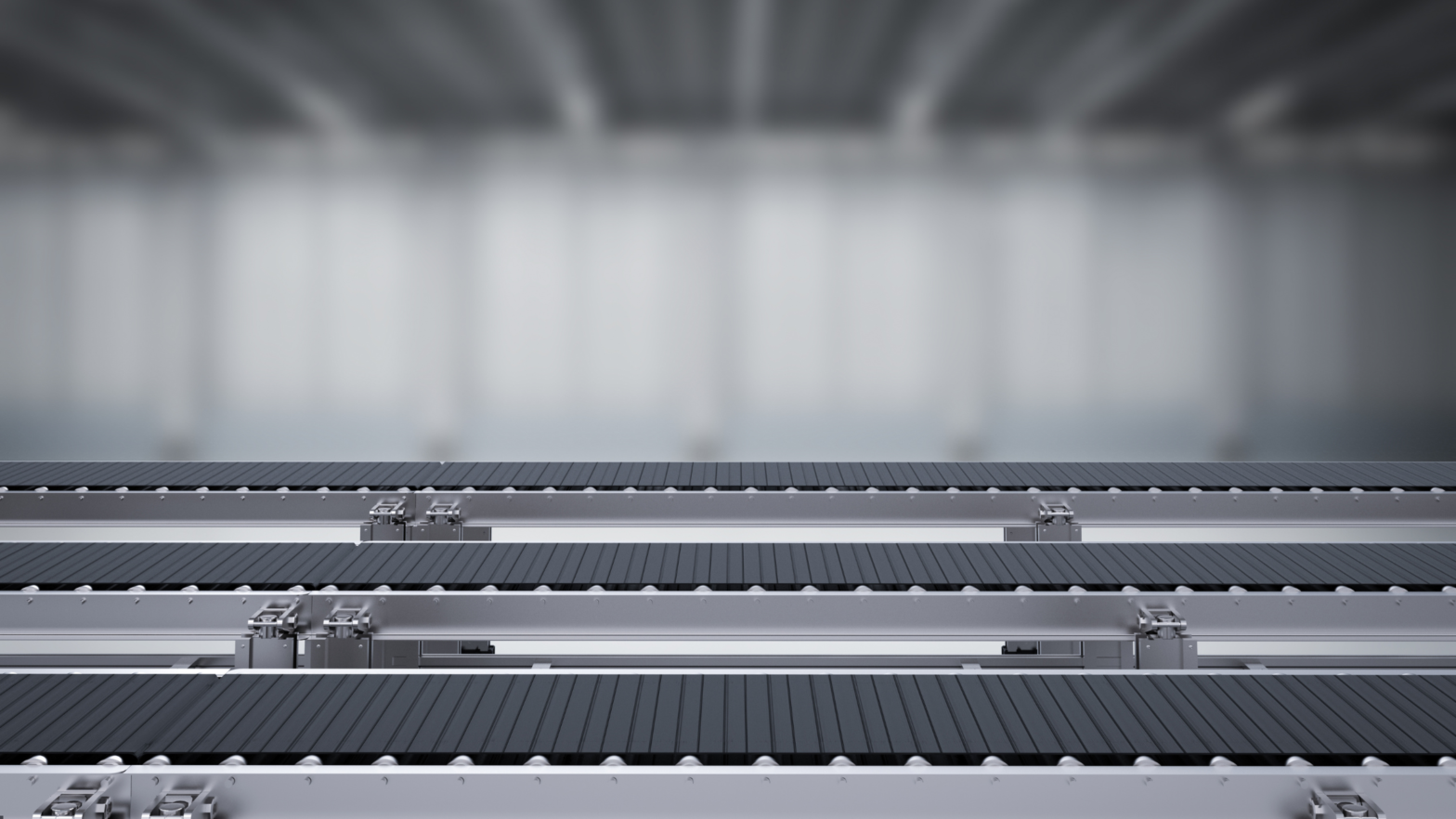
Stainless steel conveyor belts are conveyor systems crafted from high-grade stainless steel, designed to meet the demands of modern industrial operations. Built for performance and reliability, these belts ensure the smooth and efficient movement of materials and products across production lines, warehouses, or processing facilities. Their construction uses premium stainless steel that offers exceptional mechanical strength, ensuring they can perform consistently under high-stress environments. Whether the job involves transporting heavy loads, moving delicate goods, or operating in high-speed settings, stainless steel conveyor belts deliver the durability and stability that industries require to keep their operations running at peak efficiency. One of the standout qualities of stainless steel conveyor belts is their unmatched durability and resistance to wear and tear. Unlike other materials, stainless steel maintains its structural integrity even in extreme working conditions, such as exposure to high or low temperatures, moisture, and chemicals. This makes them particularly useful in industries where constant cleaning, exposure to water, or contact with harsh substances is part of the daily workflow. Their corrosion-resistant properties mean they won’t rust or degrade easily, allowing for a longer lifespan and reduced maintenance costs. Additionally, their smooth, non-porous surface not only supports cleanliness but also minimizes the risk of contamination, a critical factor in sectors like food processing, pharmaceuticals, and electronics manufacturing. Ease of cleaning is another major advantage that makes stainless steel conveyor belts an industry favorite. In environments where hygiene is a top priority, such as food and beverage production or medical product handling, the ability to thoroughly sanitize equipment quickly is essential. Stainless steel belts can be cleaned efficiently without requiring specialized solutions or extended downtime. They can withstand hot water, steam cleaning, and various sanitizing agents without losing their strength or shape. This ease of maintenance not only ensures compliance with strict industry regulations but also reduces operational interruptions, keeping productivity levels high and production schedules on track. The versatility of stainless steel conveyor belts extends to a wide range of industries. In food processing plants, they handle raw ingredients and packaged goods without absorbing odors or flavors, ensuring product quality and safety. In pharmaceutical manufacturing, they transport sensitive materials in sterile conditions, safeguarding against contamination. Heavy-duty manufacturing facilities rely on these belts for moving components, assemblies, or finished products across long distances or multiple workstations with minimal wear. Even in high-tech industries such as electronics production, stainless steel belts offer precision handling of delicate components, maintaining accuracy and reliability throughout the process. This adaptability, combined with their strength, makes stainless steel conveyor belts a smart investment for companies looking to streamline workflows across different applications. Advantages Of Stainless Steel Stainless steel offers a lot of great benefits that make it a favorite in many industries. Here are some key advantages: Durability And Strength If you need something that’s incredibly strong, durable, and built to perform under pressure, stainless steel is one of the most reliable materials available. Known for its exceptional resistance to bending, breaking, and deforming, it’s a preferred choice in settings where structural integrity is critical. Stainless steel can withstand heavy loads, endure high-pressure environments, and resist constant wear and tear without losing its shape or strength. Even after years of use, it maintains its performance, which is why it’s valued in demanding industries. Its ability to hold up under extreme temperatures, moisture, and corrosive conditions makes it a trusted solution for projects that require long-lasting resilience. This toughness makes stainless steel a go-to material for construction, automotive, and manufacturing industries, where components are often exposed to harsh conditions on a daily basis. In construction, it’s used for everything from support beams and bridges to architectural details that must endure weather and environmental stress. In the automotive sector, stainless steel’s strength ensures that parts can handle vibration, impact, and long-term use without failure. In manufacturing, where machinery runs for hours or even days at a time, stainless steel provides the durability needed to keep operations running smoothly without frequent repairs or replacements. Corrosion Resistance One of the best things about stainless steel is that it doesn’t rust or tarnish easily, even when exposed to wet, humid, or harsh environments for long periods of time. This exceptional durability comes from the chromium content in stainless steel, which forms a thin, invisible layer on the surface that protects it from oxidation and corrosion. Unlike many other metals that require constant upkeep or protective coatings, stainless steel can maintain its strength and shine with minimal maintenance, making it a cost-effective choice in the long run. Whether it’s facing heavy rainfall, salty sea air, or regular cleaning with water and chemicals, stainless steel stands up to the challenge without losing its appearance or integrity. This is why it’s such a reliable option for outdoor structures, marine applications like boats, and areas where cleanliness and hygiene are essential, such as food processing plants and hospitals. Stainless steel’s resistance to rust and tarnish is truly one of its standout features, setting it apart from materials that might weaken or degrade quickly over time. Metals like iron or untreated steel can begin to corrode almost immediately when exposed to moisture, oxygen, or certain chemicals, often requiring frequent repairs, repainting, or replacement. Stainless steel, on the other hand, maintains its polished appearance and structural integrity even under constant environmental stress. This makes it an ideal choice for applications where strength, safety, and appearance must be preserved over many years. Outdoor structures like bridges, railings, and sculptures that endure sun, rain, snow, and pollution can still look as impressive after decades as they did on the day they were installed. The same qualities make stainless steel an excellent investment for both functional and decorative purposes, offering long-lasting beauty and dependability no matter the setting. Hygienic Properties Stainless steel is widely recognized for being exceptionally easy to clean and for its natural resistance to bacteria, which makes it one of the most trusted materials in environments where hygiene is non-negotiable. This includes high-traffic and high-standard settings like commercial kitchens, …
Continue reading “Why Stainless Steel Conveyor Belts Are An Industry Game-Changer”