Category Archives: Wet Waste Compactor

What to Consider When Selecting Waste Compactors for Consistent and Space-Efficient Operations

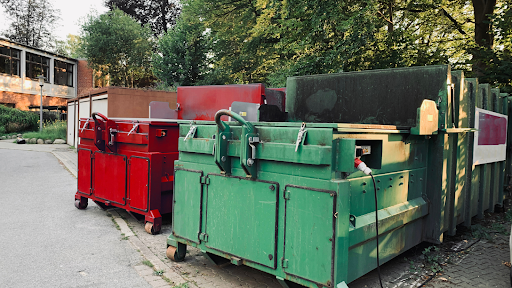
Across industrial, commercial, and regulated facilities, waste has become more than a byproduct of work. It has become a daily operational challenge shaped by rising volume, shrinking space, and the demand for consistency. As production cycles accelerate and throughput increases, waste accumulates faster than many facilities were designed to manage. Space constraints add quite a pressure. Stockrooms tighten. Dock areas fill. Temporary waste storage begins to feel permanent. What was once manageable now interrupts movement, workflow, and safety. Waste handling shifts from a background task to a constant distraction. This is why waste compactors should be viewed as infrastructure rather than equipment. Selecting the right system is not a simple purchase decision. It is a structural choice that affects efficiency, safety, compliance, labor use, and long-term resilience. In this discussion, we explore what to consider when selecting waste compactors for consistent and space-efficient operations. We will examine performance, layout, reliability, safety, regulatory alignment, scalability, and total operational impact. The goal is not speed, but clarity. Not more equipment, but better systems that fit the way work actually happens. Understanding Operational Waste Profiles Every effective compaction strategy begins with understanding what we throw away. Waste is not uniform, and assumptions create mismatches that lead to inefficiency. Daily waste volume matters, but so does composition. Dry waste, such as cardboard and packaging, behaves differently from wet waste containing food or organic material. Mixed waste introduces variability. Regulated waste adds layers of containment and compliance requirements. Consistency matters. Bulky materials compact differently from fragmented waste. High moisture content affects density and leakage risk. Contamination can reduce compaction efficiency and create downstream issues. These factors directly influence compactor performance. Selecting waste compactors requires aligning equipment design with real waste behavior rather than theoretical averages. When systems reflect reality, compaction becomes predictable. When they do not, bottlenecks form quietly and persist. Space Constraints and Facility Layout Considerations Space shapes every operational decision. Available floor area, ceiling height, and access points determine what compaction systems are viable. Indoor compactors offer control and protection but require sufficient clearance and ventilation. Outdoor compactors free internal space but introduce weather exposure and access considerations. Dock-mounted systems integrate with shipping flows but demand careful coordination with logistics. Placement matters as much as type. A compactor positioned too far from waste generation increases transport effort. One place without clear access creates congestion. Poor layout undermines even well-designed equipment. The goal is balance. Minimizing waste storage footprints while maintaining accessibility. Allowing waste to move naturally through the facility without crossing critical work zones. Space efficiency emerges when placement supports flow rather than resisting it. Compaction Performance and Throughput Needs Compaction performance defines whether waste handling supports or interrupts operations. Force and chamber size determine how effectively volume is reduced. Low-volume operations may require modest capacity. High-volume facilities demand robust throughput. Peak generation periods reveal weaknesses quickly. An underpowered compactor fills too fast, causing overflow and repeated handling. Throughput must match reality, not averages. Waste does not arrive evenly. It surges during production peaks, shipping cycles, or seasonal demand. Waste compactors must absorb these surges without creating bottlenecks. Matching capacity to peak conditions ensures continuity. Compaction becomes a steady background process rather than an emergency response. Consistency and Reliability of Daily Operations Consistency is the quiet foundation of efficiency. When compaction cycles behave predictably, waste handling becomes routine rather than reactive. Reliable equipment supports scheduling. Labor allocation stabilizes. Hauling services can be planned rather than expedited. Small efficiencies accumulate. Frequent breakdowns disrupt more than waste flow. They create safety risks as waste accumulates. They pull labor into unplanned tasks. They erode trust in systems. Durable construction and stable performance matter because waste handling is daily work. Reliability is not a feature we notice when present. It is a problem we feel when absent. Safety Features and Risk Reduction Waste handling carries inherent risk. Heavy loads. Moving components. Contamination. Poorly designed systems amplify these hazards. Essential safety features include interlocks that prevent operation during loading, emergency stops that respond instantly, and controlled loading systems that limit exposure. These elements reduce reliance on perfect behavior in imperfect conditions. Proper waste compactors reduce manual handling by consolidating waste movement. Less lifting. Fewer transfers. Lower exposure to hazards. Safety is not separate from efficiency. It supports compliance, insurance stability, and workforce confidence. When safety is built into design, it becomes part of the daily rhythm rather than constant vigilance. Compliance and Regulatory Alignment Regulations shape waste handling in ways that are consistent, enforceable, and non-negotiable. Requirements around containment, leakage prevention, and controlled processing exist to protect people and the environment, and they leave little room for improvisation. When systems fall short, even briefly, exposure increases and compliance risk follows. Well-designed waste compactors support compliance by enforcing containment at every stage of handling. Waste remains enclosed rather than accumulating loosely across the facility. Controlled compaction reduces the likelihood of leaks, spills, and unauthorized access. Equipment designed with regulatory alignment in mind simplifies inspections because processes are visible, repeatable, and documented. When deviations occur, they are easier to identify and correct before they escalate. Compliant systems reduce uncertainty across operations. Facilities operate with confidence instead of constant caution. Liability exposure narrows. Audits become routine rather than disruptive. Stability replaces risk, even under regulatory scrutiny. Labor Efficiency and Workflow Integration Labor follows waste unless systems redirect it. Manual handling consumes time and energy that could be applied elsewhere. Centralized compaction reduces transport tasks. Waste moves once instead of repeatedly. Work areas remain cleaner. Workflow consistency improves across shifts. When waste compactors integrate naturally into operations, they support rhythm rather than interruption. Labor efficiency becomes an outcome of design, not pressure. Over time, these gains protect productivity and morale. Maintenance, Serviceability, and Longevity Equipment uptime depends on more than mechanical capability. It depends on access, clarity, and serviceability. When maintenance is difficult, it is often delayed, allowing small issues to grow into operational disruptions. Component quality plays a defining role in how systems age. Durable parts wear predictably, making performance …

Top Benefits of Using A Wet Waste Compactor For Businesses

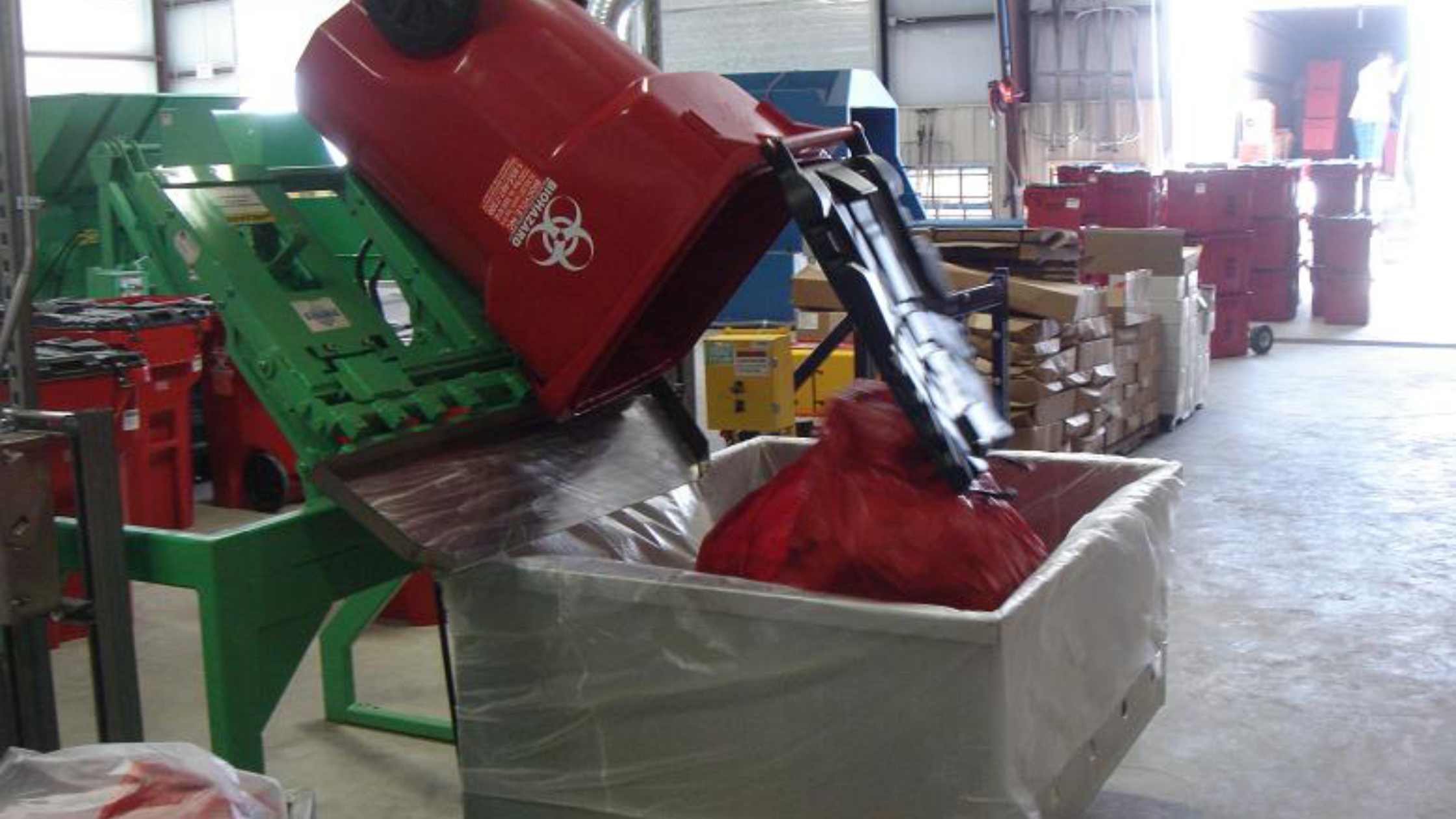
Every business produces waste, but not all waste is created equal. If you’ve ever walked past your dumpster on a summer day and been hit with an eye-watering stench, chances are you’re dealing with wet waste. That sour smell, the oozing fluid, the pests buzzing around, it’s all tied to the one type of waste most businesses struggle to control. So, what exactly is wet waste? It’s the heavy, soggy material packed with moisture, think leftover food, kitchen scraps, spoiled produce, dairy residue, coffee grounds, and organic packaging. This kind of waste doesn’t just smell bad, it creates logistical and financial headaches. Wet waste is dense and decomposes quickly, making it a magnet for bacteria, pests, and mess. The worst part? It’s expensive to haul because waste removal services often charge by weight. That’s why more businesses are turning to a Wet Waste Compactor, a powerful solution that reduces volume, contains odors, and cuts down on hauling costs. Industries like hospitality, healthcare, food service, food processing, and grocery retail are hit hardest. These environments generate high volumes of wet waste daily, and when that waste isn’t handled properly, it can backfire in the form of leaks, safety hazards, pest problems, and compliance issues. Managing wet waste with regular bins and dumpsters is like trying to carry soup in a paper bag. Sooner or later, it’s going to leak, smell, or break down, and someone will have to deal with the fallout. That’s why businesses serious about hygiene, efficiency, and cost savings are turning to a better solution: the wet waste compactor.   What Is A Wet Waste Compactor And How Does It Work?   Let’s get straight to the point: a wet waste compactor is your first line of defense against messy, costly, and inefficient waste management. It’s a powerful machine designed specifically to compress moisture-heavy waste and contain it in a safe, leakproof, and odor-controlled environment. Unlike dry waste compactors, which are typically used for cardboard and packaging, a wet waste compactor is built to handle food scraps, liquids, and other organic waste. These machines use high-pressure hydraulics to compress the waste into a tightly packed container, reducing volume while sealing in moisture and odors. It’s not just about space, it’s about sanitation and control. Key to a wet waste compactor’s effectiveness is its liquid-tight construction. These units are made with sealed chambers and reinforced steel to prevent any leakage during or after the compaction process. Inside, a drainage system collects excess liquids in a separate reservoir, which can be cleaned or disposed of separately. This not only improves hygiene but also prevents the waste from reabsorbing its own runoff, something that can happen in traditional bins or dumpsters. The rugged design of a quality compactor ensures it can handle the daily grind. From heavy-duty castor wheels and corrosion-resistant metal to sealed doors and automated controls, every component is built to withstand the abuse of moisture-rich materials and the operational demands of busy commercial settings. If you’ve ever wished for a way to contain the chaos of leaking trash bags, foul odors, and overflowing bins, this is it. A wet waste compactor doesn’t just make waste smaller; it makes your entire facility cleaner, safer, and easier to manage.   Major Benefits of Using A Wet Waste Compactor   You might be wondering, beyond keeping things cleaner, what real difference does a wet waste compactor make for your business? The answer: a lot more than most people realize. While it’s easy to view waste as just another back-end task, how you handle it directly impacts your bottom line, your hygiene standards, and even your environmental footprint. Wet waste compactors aren’t just about convenience; they’re about turning a messy, expensive challenge into a streamlined, efficient system that works for you, not against you. 1. Cut Down Hauling Costs, Dramatically: Here’s the financial truth: wet waste is heavy, and waste management companies charge by weight or pickup frequency. When you reduce waste volume through compaction, you instantly lower the number of times your waste needs to be hauled away. That means fewer pickups, lower fuel charges, and reduced tipping fees. Over the course of a year, this can save thousands of dollars, especially for businesses generating high volumes of organic waste daily. With a wet waste compactor, you’re no longer paying to remove a bunch of unnecessary air and water. You’re getting real value by optimizing every haul. And in industries like foodservice or healthcare, where waste is both constant and messy, that adds up fast. 2. Cleaner Workspaces and Healthier Environments: Nothing drags down morale or sanitation scores like a smelly, leaking dumpster behind your building. Wet waste is notorious for creating hazardous conditions, from slippery floors to airborne bacteria. When it’s not contained properly, it attracts rats, insects, and unpleasant odors that can drift into public areas or kitchens. A wet waste compactor solves this by sealing waste inside a leakproof, odor-resistant container. Liquids are drained and stored separately, meaning no more trash juice trickling across your loading dock or kitchen floor. Your waste becomes cleaner to handle, easier to transport, and far less likely to cause accidents, illnesses, or code violations. 3. Save Space and Simplify Operations: Space is a premium in almost every commercial setting. When you’re using oversized dumpsters or waste bins filled with loose, uncompressed wet waste, you’re wasting valuable square footage that could be used for inventory, equipment, or customer seating. Wet waste compactors free up space by reducing the size of waste loads and centralizing waste into one manageable unit. That means less clutter, better flow, and fewer staff hours spent moving trash from point A to point B. You also reduce the time and effort required for waste handling, which lowers labor costs and improves productivity. 4. Build A More Sustainable Business Model: In an age of growing environmental awareness, reducing your waste footprint is more than a good idea; it’s an expectation. Wet waste compactors help your business become more sustainable …