
Blog
On-Site Medical Waste Sterilization: How Hospitals Can Cut Treatment Costs by Thousands
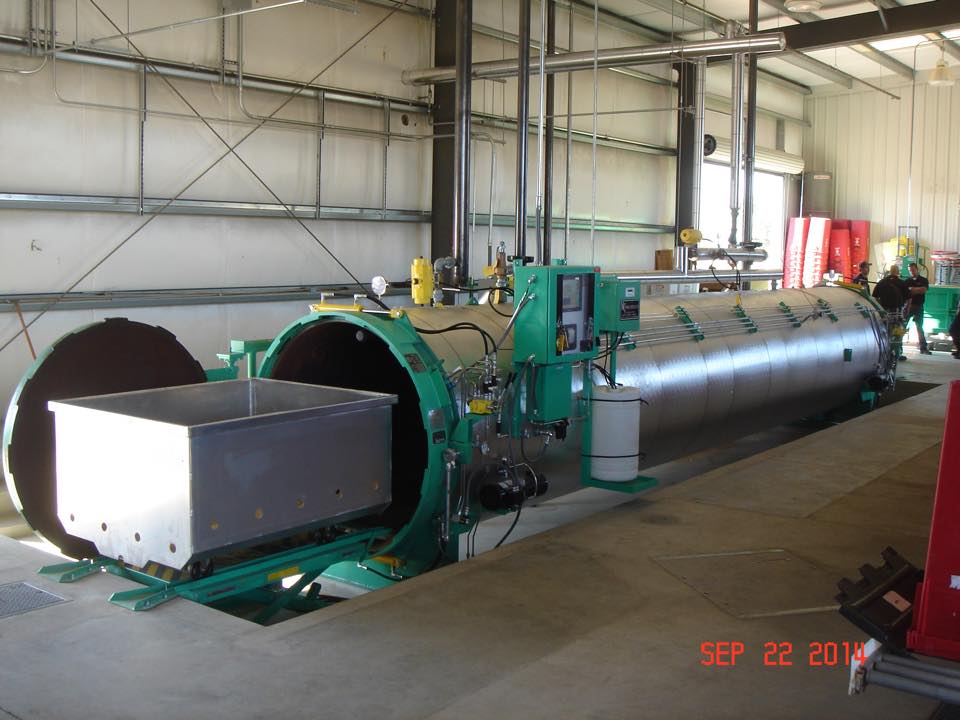
Every month, hospitals across the country write large checks to third-party medical waste haulers without questioning whether there is a better option. On-site medical waste sterilization offers a fundamentally different approach, one where facilities treat their own regulated waste, reclassify it as ordinary solid waste, and dramatically reduce what they pay for disposal. For many hospitals, the shift from off-site hauling to on-site treatment represents one of the most significant operational cost reductions available, without changing a single clinical practice or patient care protocol. Why Off-Site Medical Waste Disposal Keeps Getting More Expensive The cost structure of off-site regulated medical waste disposal works against high-volume generators in almost every way. Third-party haulers charge by the pound or by the container, and rates for regulated medical waste run substantially higher than for ordinary commercial trash. On top of per-unit pricing, facilities also absorb pickup frequency fees, fuel surcharges, compliance documentation costs, and, in many cases, minimum service contracts that do not flex when waste volume drops. The EPA notes that regulated medical waste requires specific handling, documentation, and treatment methods across the entire chain from generation to final disposal. Every link in that chain carries a cost, and off-site vendors pass all of it back to the generating facility, along with their margin. What makes this particularly frustrating is that the waste haulers often collect it in a way that poses little active risk by the time it reaches a remote treatment facility. Sterilization, the same process an on-site autoclave performs in a matter of hours, is what makes regulated waste safe. Facilities paying a hauler to transport their waste across town and process it through an autoclave at a remote location are effectively funding transportation, handling, and vendor profit on top of the treatment itself. Bringing that treatment inside removes every one of those added costs from the equation. What On-Site Medical Waste Sterilization Actually Changes On-site medical waste sterilization moves the treatment step inside the facility. A sterilizer or autoclave installed on-site treats regulated waste before it leaves the building. Once treated, that waste exits the regulated stream and qualifies, in most states, as ordinary municipal solid waste that standard haulers pick up at a fraction of what specialized medical waste haulers charge. The change is fundamental. Instead of paying premium rates to a regulated waste hauler for collection, transport, and treatment, a facility pays the operating costs of its own equipment plus standard solid waste disposal fees for the treated output. For facilities generating significant regulated waste volume, the financial shift is substantial and begins immediately after the system goes into service. Beyond direct cost reduction, on-site treatment gives facilities meaningful operational control. Pickup schedules, storage requirements, and chain-of-custody documentation all become simpler when treatment happens in-house. Facilities no longer depend on a single vendor’s schedule, pricing decisions, or capacity constraints. Breaking Down Where the Savings Actually Come From The financial case for on-site medical waste sterilization rests on several overlapping savings that compound over time. Hauling cost reduction is the largest single saving. Regulated medical waste hauling costs significantly more per pound than ordinary solid waste disposal. When treated waste exits the regulated stream, a facility shifts that volume to a standard waste contract at dramatically lower per-unit costs. For hospitals generating hundreds or thousands of pounds of regulated waste each month, that difference accumulates quickly. Volume reduction through size reduction equipment adds another layer of savings. Autoclaved waste is still physically bulky. Running treated material through a medical waste size reduction system compresses and shreds it into a much smaller volume, reducing both the weight and cubic yardage that goes to disposal. Less volume means fewer pickups, and fewer pickups mean lower ongoing disposal costs month after month. Reduced handling labor follows from fewer specialized pickups and simpler logistics. Less time managing regulated waste containers, coordinating with haulers, and completing chain-of-custody paperwork means staff attention and labor hours redirected toward clinical and operational priorities. Cost predictability replaces the variability of hauler pricing. Hauler rates can shift with fuel costs, regulatory changes, or contract renegotiation cycles. Equipment operating costs, by contrast, are largely fixed and foreseeable, making multi-year budget planning substantially more reliable. For most facilities, equipment investment pays back within two to four years. After that, the savings continue for the full operational lifespan of the system, which, with proper maintenance, typically spans two decades or more. What a Complete On-Site Treatment System Looks Like A fully functional on-site medical waste sterilization setup involves more than a single autoclave. A well-designed system integrates several components that work together to move waste safely, efficiently, and in compliance with applicable regulations. The sterilizer or autoclave forms the core treatment unit. The medical waste autoclave needs to be sized for the facility’s daily and peak waste volumes, with enough cycle capacity to process incoming waste without creating a backlog in storage areas. Cart dumpers and loading equipment allow staff to transfer waste from collection carts directly into the autoclave without handling individual bags manually. This protects workers from exposure risk, speeds the loading process, and reduces the chance of container damage or spills. Post-treatment shredders or grinders reduce treated waste volume and render treated material unrecognizable before it enters the solid waste stream. Conveyors can move treated waste automatically from the autoclave to the shredder, eliminating additional manual handling steps. Control and monitoring systems log cycle data automatically, capturing temperature, pressure, and dwell time for every treatment cycle. This creates the compliance documentation regulators require and simplifies the recordkeeping burden that falls on facility staff. The medical waste disposal systems that bring these components together into an integrated workflow deliver better outcomes than assembling components piecemeal from multiple vendors, because each element is selected and configured to work efficiently with the others. Navigating Permits and Compliance for On-Site Treatment Permitting is a legitimate consideration that facilities should address early in the planning process. State requirements vary considerably. Some states require a specific permit …
What Is a Medical Waste Autoclave and How Does It Work?
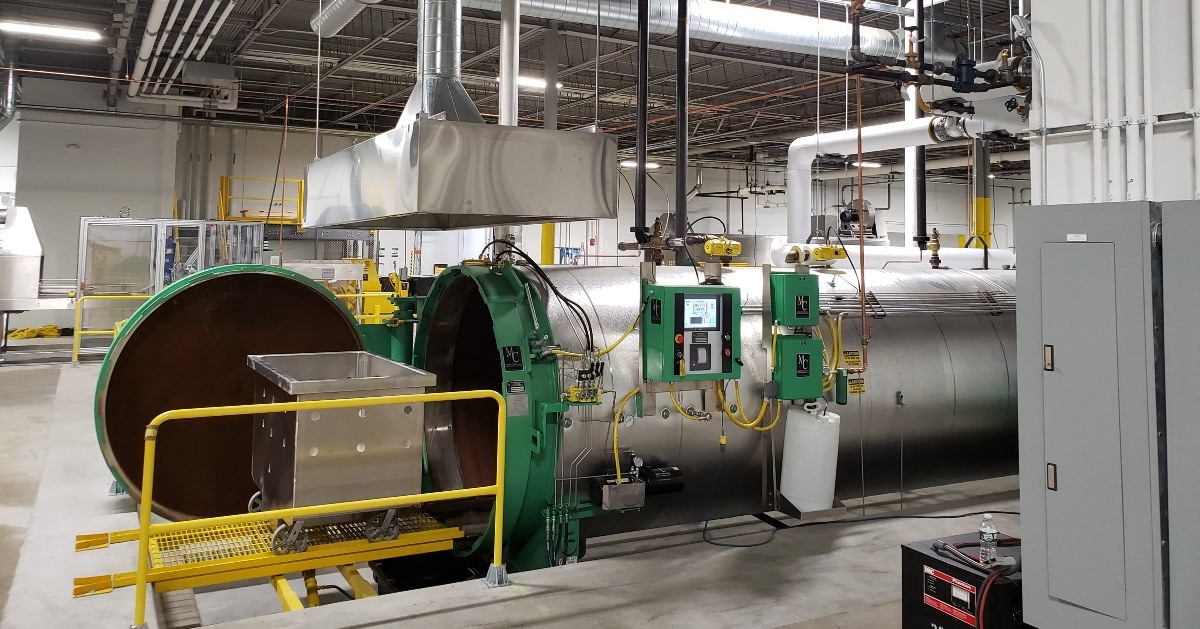
Every day, hospitals, clinics, and laboratories across the country generate hundreds of pounds of waste that cannot go anywhere near a regular trash bin. Sharps, blood-soaked dressings, microbiological cultures, and pathological specimens all fall into the category of regulated medical waste, and disposing of them incorrectly carries serious legal and public health consequences. A medical waste autoclave is the most trusted technology for neutralizing this waste before it leaves a healthcare facility, and understanding how it works gives administrators the foundation to make smart decisions about compliance, equipment, and long-term costs. What Counts as Medical Waste, Anyway? Not every piece of trash generated inside a hospital qualifies as regulated medical waste. Standard paper, food packaging, and general office waste generally do not. But the categories that do fall under regulation are strictly defined, and mishandling them carries real penalties. The EPA classifies regulated medical waste as materials including sharps, microbiological cultures, blood and blood products, pathological waste, and any materials that have come into contact with infectious substances. Once a facility generates these materials, federal and state rules govern how they must be contained, treated, and ultimately disposed of. The health risks driving those regulations are serious. Exposure to improperly handled medical waste can transmit bloodborne pathogens, including hepatitis B, hepatitis C, and HIV. OSHA’s Bloodborne Pathogens Standard requires healthcare employers to maintain written exposure control plans and specific procedures for handling contaminated materials from the point of generation through final disposal. Facilities that fall short of these obligations face fines, enforcement actions, and significant legal exposure. Here is the important upside: once regulated medical waste is properly sterilized, most states allow it to be reclassified as ordinary municipal solid waste and disposed of through standard channels. That reclassification is exactly what a medical waste autoclave makes possible, and it sits at the center of why on-site autoclaving has become the standard approach for facilities serious about controlling compliance and disposal costs simultaneously. So What Is a Medical Waste Autoclave? A medical waste autoclave is a sealed pressure vessel that uses high-temperature saturated steam to destroy the pathogens present in regulated medical waste. The science is straightforward: sufficient heat and moisture, applied for long enough, kill bacteria, viruses, fungi, and even highly heat-resistant bacterial endospores, rendering contaminated materials biologically inert and safe for routine disposal. Autoclaves have served healthcare settings for well over a century, originally sterilizing surgical instruments and laboratory equipment. Medical waste autoclaves apply the same proven science at a much larger scale, processing full loads of bagged waste rather than individual instruments. They remain the preferred method over alternatives like incineration, chemical treatment, or microwave sterilization because they produce no toxic emissions, work across a wide range of waste types, carry well-established regulatory acceptance in virtually every state, and offer a cost-effective compliance path that facilities can sustain long-term. The medical waste autoclave systems available today range from compact units suited to smaller clinical settings to large-capacity systems built for major hospital campuses, giving facilities options that match their specific volume and operational footprint. How the Sterilization Cycle Actually Works The sterilization process inside a medical waste autoclave follows a precise sequence, and every step in that sequence matters for treatment effectiveness. Loading. Staff load bagged medical waste into the chamber, typically in biohazard-labeled red bags or rigid sharps containers. How waste gets loaded affects how thoroughly steam reaches every part of the load. Operators follow specific guidelines on bag weight, fill levels, and chamber loading patterns to avoid creating dense pockets that block steam penetration. Air removal. This step is more critical than most people realize. Any air remaining in the chamber creates zones where steam cannot fully contact the waste, leaving cold spots where pathogens can survive. The method of air removal depends on the autoclave configuration, covered in the next section. Steam introduction and temperature rise. With air removed, pressurized steam enters the chamber, and the temperature climbs rapidly. The most common treatment temperature is 121°C (250°F) at 15 psi, though some systems run at 134°C (273°F) for faster cycle times. Dwell phase. The chamber holds at the target temperature and pressure for a set period, typically 30 to 60 minutes at 121°C. This is where sterilization occurs. Heat and moisture penetrate the waste load and destroy microbial life throughout, including the most resistant organisms. Exhaust and cool-down. Steam vents from the chamber, pressure drops, and temperature falls to a safe level before the door opens. The treated waste can now exit the regulated medical waste stream. Three factors determine whether a cycle achieves sterilization: temperature, time, and steam penetration. A cycle that reaches the right temperature but cuts the dwell phase short, or one where poor air removal leaves cold zones, may fail to fully sterilize the load. Proper equipment design, correct loading practices, and routine validation testing work together to prevent these failures. Gravity Displacement vs. Pre-Vacuum Autoclaves Medical waste autoclaves fall into two main configurations, and the right choice depends on the waste type and volume a facility generates. Gravity displacement autoclaves introduce steam from the top of the chamber. Steam, being less dense than air, naturally forces air downward and out through a drain at the bottom. These systems are mechanically simpler, generally less expensive upfront, and easier to maintain over time. They work reliably for waste loads that are not too densely packed, where steam can migrate through the load without significant obstruction. Pre-vacuum (prevacuated) autoclaves use a mechanical vacuum pump to actively pull air out of the chamber before steam enters. Mechanical air removal is faster and more thorough than relying on gravity displacement, and it allows steam to penetrate dense, tightly packed bags of mixed regulated waste far more effectively. For the kind of heavy, compacted loads that large hospitals generate daily, pre-vacuum systems deliver more consistent sterilization across every part of the load and do it faster, which matters when throughput is a priority. Most smaller clinics and lower-volume facilities operate …
Continue reading “What Is a Medical Waste Autoclave and How Does It Work?”
How a Garbage Compactor Works in Daily Operations Explained
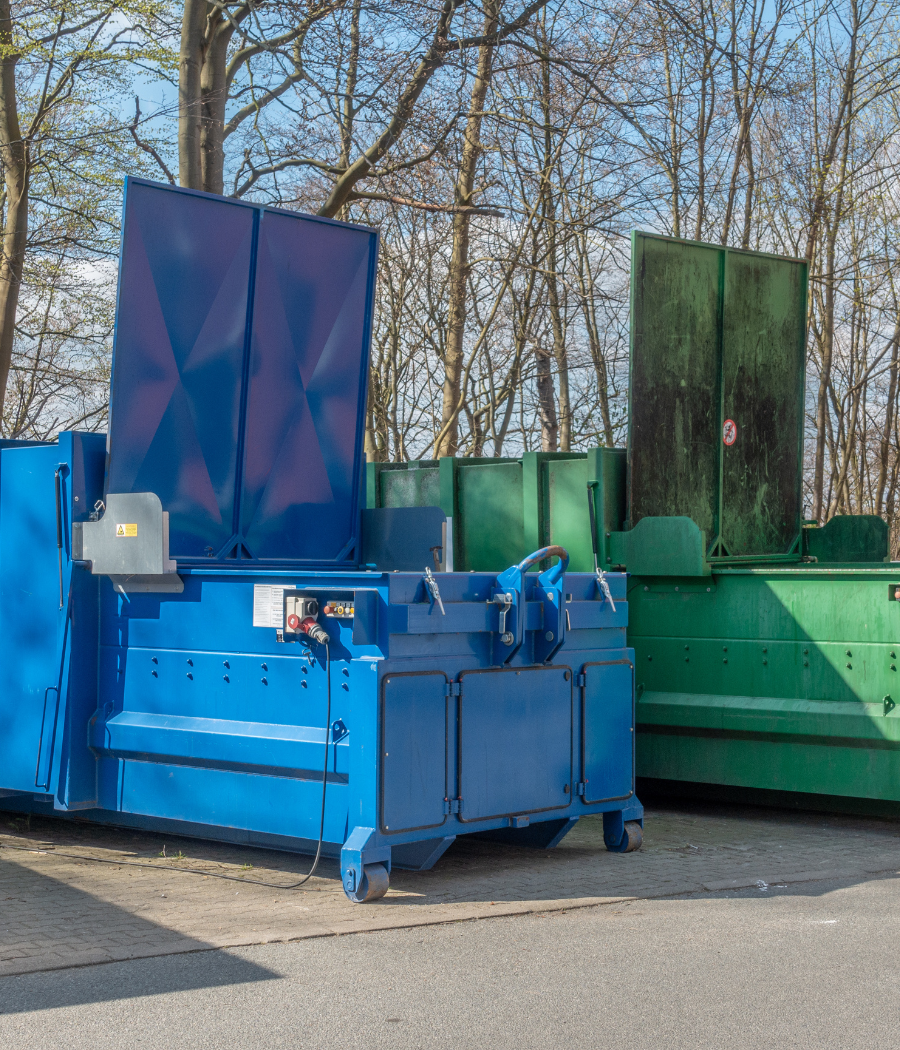
Garbage Compactor Works in Daily Operations is a concept that has become increasingly relevant as businesses face mounting pressure to manage waste efficiently and responsibly. In commercial and industrial environments, waste accumulation is no longer just a logistical concern. It directly impacts operational efficiency, workplace safety, and environmental compliance. Without streamlined systems in place, waste can disrupt workflows, consume valuable space, and increase operational costs. Modern facilities are now shifting toward smarter solutions that integrate seamlessly into daily processes. Efficient waste handling is no longer optional but essential for maintaining productivity and meeting sustainability goals. Understanding how a garbage compactor works in daily operations allows businesses to make informed decisions and optimize their waste management strategies. This blog provides a clear and practical explanation of how these systems function, their components, and the role they play in daily workflows. It also explores the benefits, maintenance requirements, and factors that influence performance, helping businesses evaluate whether a compactor is the right fit for their operations. What is a Garbage Compactor, and Why Does it Matter? A garbage compactor is a machine designed to compress waste materials into smaller, more manageable volumes. Its primary function is to reduce the size of waste through mechanical or hydraulic force, making storage and disposal more efficient. In facilities where waste is generated continuously, compactors serve as a critical tool for maintaining order and efficiency. The role of compactors in modern waste management systems has grown significantly. Businesses across industries such as manufacturing, healthcare, retail, and logistics rely on these machines to streamline operations and maintain clean environments. The presence of a commercial compactor ensures that waste does not accumulate in ways that hinder productivity or create safety risks. Understanding how a Garbage Compactor Works in Daily Operations also highlights its importance in reducing waste volume. By compressing materials, the machine minimizes the frequency of waste collection and lowers transportation costs. This makes it a practical solution for organizations aiming to improve both efficiency and cost management. Core Components of a Garbage Compactor A garbage compactor is made up of several essential components that work together to perform the compaction process effectively. Each part plays a specific role, contributing to the overall efficiency and durability of the system. Compaction Chamber and Hydraulic System The compaction chamber is where waste is loaded and compressed. This area is designed to withstand significant pressure, ensuring consistent performance even under heavy use. The hydraulic system is responsible for generating the force needed to compress waste. It uses pressurized fluid to drive the compaction ram, which applies pressure to the waste material. Control Panel and Safety Features The control panel allows operators to manage the compactor’s functions with ease. Modern systems often include intuitive controls that simplify operation and reduce the likelihood of errors. Safety features are integrated into the design to protect operators and ensure compliance with industry standards. These features may include emergency stop buttons, interlock systems, and sensors that prevent operation when conditions are unsafe. Durable construction is essential for long-term use. Facilities that invest in high-quality equipment from providers like The Mark-Costello Co. benefit from reliable performance and reduced maintenance needs. Understanding these components is key to grasping how a Garbage Compactor Works in Daily Operations and why it remains a valuable asset in waste management systems. Step-by-Step Process of Daily Operations The daily operation of a garbage compactor follows a structured process designed to maximize efficiency and safety. Each step plays a role in ensuring that waste is managed effectively without disrupting workflow. Loading and Activation Waste is first loaded into the compaction chamber, either manually or through automated systems. Once the chamber reaches a certain level, the operator activates the compaction cycle using the control panel. This process is designed to be straightforward, allowing staff to operate the equipment with minimal training. Compression and Storage During the compaction cycle, the hydraulic system applies force to compress the waste. This process achieves significant size reduction, transforming bulky materials into dense, compact forms. The compacted waste is then stored within the container until it is ready for disposal or recycling. Integration into Daily Workflows Compactors are typically used multiple times throughout the day, depending on the volume of waste generated. Their integration into daily workflows ensures that waste is managed continuously rather than accumulating over time. This consistent operation is a key aspect of how a Garbage Compactor Works in Daily Operations, as it supports efficiency and cleanliness across the facility. Types of Garbage Compactors Used in Operations Different types of compactors are designed to meet specific operational needs. Selecting the right type is essential for achieving optimal performance and efficiency. Stationary and Self-Contained Compactors Stationary compactors are commonly used for dry waste such as cardboard and packaging materials. They are ideal for facilities with high volumes of recyclable waste. Self-contained compactors, on the other hand, are designed for wet waste and include sealed containers to prevent leaks and odors. Vertical Compactors and Specialized Equipment Vertical compactors are suitable for smaller facilities with limited space. They offer efficient compaction in a compact design, making them a practical choice for businesses with moderate waste volumes. Some facilities may also use complementary equipment such as a waste baler or a medical waste sterilizer to address specific waste management needs. Understanding the differences between these systems helps businesses determine how a Garbage Compactor Works in Daily Operations within their specific environment and ensures that the selected equipment aligns with operational requirements. Benefits of Using a Garbage Compactor Daily The daily use of a garbage compactor offers several advantages that extend beyond simple waste reduction. These benefits contribute to improved efficiency, cost savings, and environmental responsibility. Space and Cost Efficiency One of the primary benefits is the reduction in waste volume, which frees up valuable space within the facility. This also leads to fewer waste pickups, resulting in lower transportation costs. Businesses that implement efficient compaction systems often experience noticeable improvements in operational efficiency. Improved Cleanliness and Productivity Compactors help …
Continue reading “How a Garbage Compactor Works in Daily Operations Explained”