
Category Archives: Automated Conveyor Systems
How Automated Conveyor Systems Are Revolutionizing Manufacturing
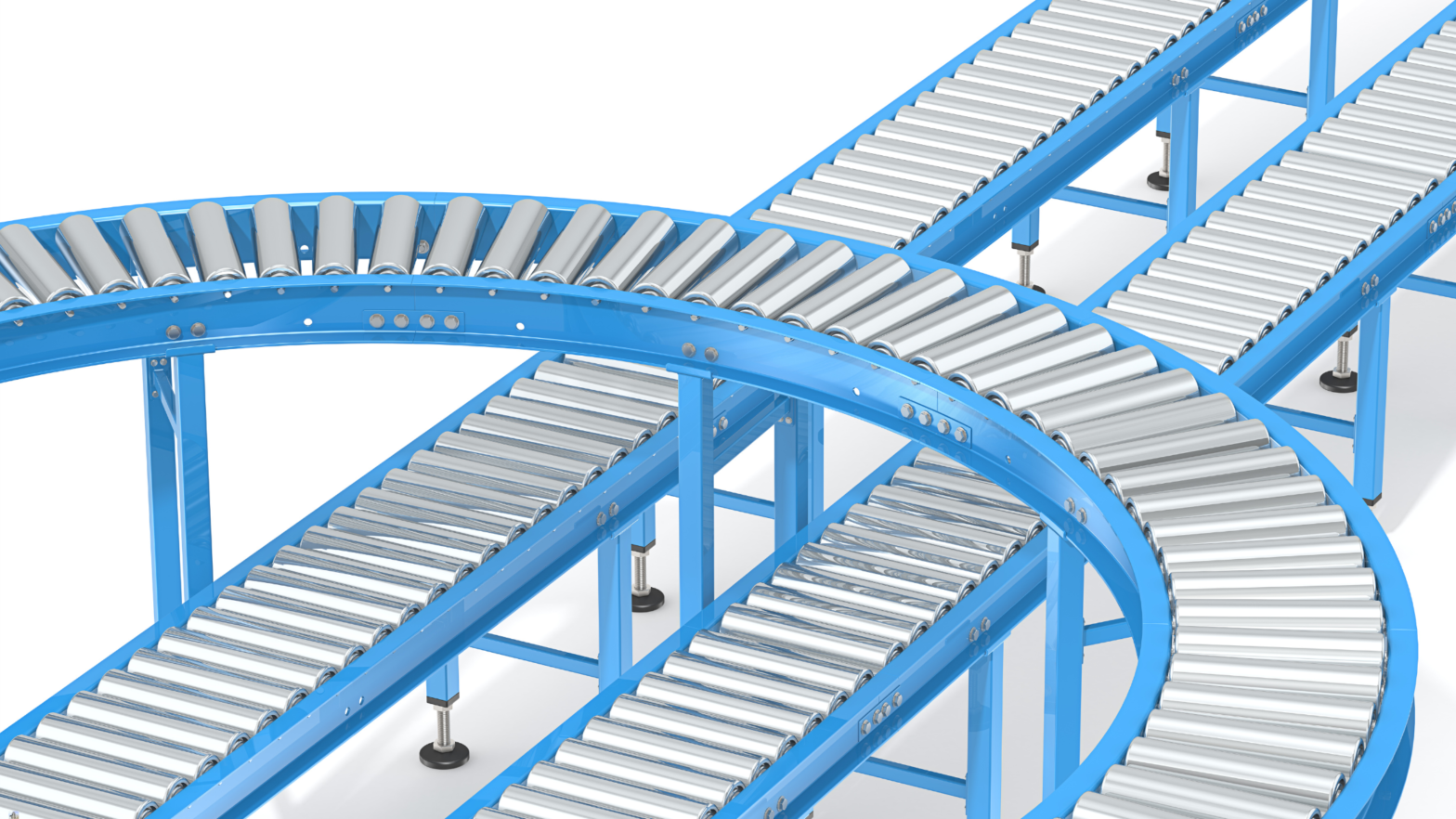
Ordering a product online and receiving it within a day or two has become a norm we often take for granted. The efficiency behind this convenience is largely due to advanced automated systems working tirelessly in the background. In manufacturing, automated conveyor systems play a crucial role in this seamless operation, ensuring that products move smoothly and efficiently from one stage to the next. These systems are reshaping the industry by enhancing production efficiency, reducing costs, and offering flexibility to adapt to changing demands. Let’s explore how automated conveyor systems are revolutionizing manufacturing and making these rapid deliveries possible. Boosting Production Efficiency with Automated Conveyor Systems Automated conveyor systems are a game-changer when it comes to improving production efficiency in manufacturing. By taking over the repetitive and labor-intensive task of moving materials and products, these systems streamline the entire production process, allowing businesses to achieve higher output and better use of resources. Reducing Manual Labor One of the most significant ways automated conveyor systems improve efficiency is by reducing the need for manual labor. In a traditional setup, workers are responsible for transporting materials between different stages of production. This not only takes time but also increases the risk of human error and injury. Automated systems handle these tasks seamlessly, freeing up employees to focus on more skilled and value-added activities. This shift not only boosts productivity but also enhances job satisfaction and safety for workers. Minimizing Downtime Automated conveyor systems are designed to operate continuously, without the need for frequent breaks or interruptions. This continuous operation minimizes downtime and keeps the production line moving smoothly. In contrast, manual processes can be slowed down by breaks, shift changes, or unexpected absences. With automated systems, materials and products move consistently and predictably, reducing the chances of bottlenecks and production delays. Enhancing Precision and Consistency Precision is crucial in manufacturing, and automated conveyor systems excel in delivering consistent and accurate material handling. These systems are equipped with sensors and automation controls that ensure materials are placed exactly where they need to be, every time. This level of precision reduces waste, improves product quality, and ensures that each stage of production receives the right materials at the right time. Consistency in material handling translates to a more reliable and efficient production process overall. Optimizing Space Utilization Space is often a limited resource in manufacturing facilities. Automated conveyor systems can be designed to optimize the use of available space, making it easier to manage the flow of materials even in tight or complex layouts. Modular design options allow these systems to be tailored to specific facility requirements, ensuring that every inch of space is used efficiently. This optimized space utilization can lead to more streamlined workflows and better overall facility management. Increasing Throughput By automating the material handling process, conveyor systems significantly increase throughput. They can move materials and products at a consistent speed, reducing the time it takes to complete each production cycle. This increased speed and efficiency mean that manufacturers can produce more units in less time, meeting higher demand without compromising on quality. The ability to scale up production quickly and efficiently is a key competitive advantage in today’s fast-paced market. Improving Inventory Management Automated conveyor systems also play a crucial role in improving inventory management. By providing real-time data on the movement and status of materials, these systems help manufacturers keep track of inventory levels more accurately. This visibility allows for better planning and forecasting, reducing the risk of overproduction or stockouts. Improved inventory management contributes to a more efficient production process and helps maintain a steady supply of materials and products. Adapting to Changing Demands Flexibility is another critical advantage of automated conveyor systems. These systems can be quickly reconfigured to adapt to changing production demands, whether it’s scaling up for a large order or switching to a different product line. This adaptability ensures that manufacturers can respond swiftly to market changes and customer needs without significant downtime or retooling. Being able to pivot quickly and efficiently is essential for maintaining competitiveness in a dynamic industry. Keeping Your Conveyor System in Top Shape Regular maintenance is key to ensuring the longevity and optimal performance of your automated conveyor system. Essential tasks include inspecting and cleaning components, checking and adjusting sensors, and lubricating moving parts to prevent wear and tear. Periodic audits help identify potential issues before they become serious, allowing for timely adjustments. Implementing a preventive maintenance schedule can significantly extend the system’s lifespan and enhance efficiency. Utilizing trained technicians ensures smooth operation and minimizes disruptions. Modern monitoring tools, provide real-time data on system performance and alert you to immediate issues. Prioritizing regular maintenance keeps your conveyor system reliable and efficient, supporting your manufacturing productivity and success. The Mark Costello’s Expertise in Conveyor Systems When it comes to designing and implementing automated conveyor systems, The Mark Costello Company stands out with its exceptional expertise. We begin with a consultative approach, thoroughly assessing your manufacturing needs to recommend solutions that are perfectly tailored to your specific requirements. This personalized method ensures that the conveyor systems they design are not only efficient but also fully aligned with your operational goals. Once a solution is agreed upon, Our certified technicians handle the installation and rigorous testing to guarantee optimal performance from day one. But our commitment doesn’t stop there; we provide ongoing support services to maintain and enhance system reliability over time. Numerous success stories highlight their impact, with clients reporting significant improvements in efficiency and return on investment. Our comprehensive approach and proven track record make them a trusted partner in advancing manufacturing efficiency through automated conveyor systems. Conclusion Automated conveyor systems are truly revolutionizing manufacturing operations. They streamline material handling, reduce manual labor and operational costs, and offer unmatched flexibility and scalability. With advanced features like sensor integration, modular design, and industry-specific customization, these systems enhance efficiency and reliability in ways traditional conveyors cannot. The Mark Costello Company’s consultative approach and comprehensive services stand as a leading provider of …
Continue reading “How Automated Conveyor Systems Are Revolutionizing Manufacturing”
Revolutionizing Material Handling: The Rise of Automated Conveyor Systems
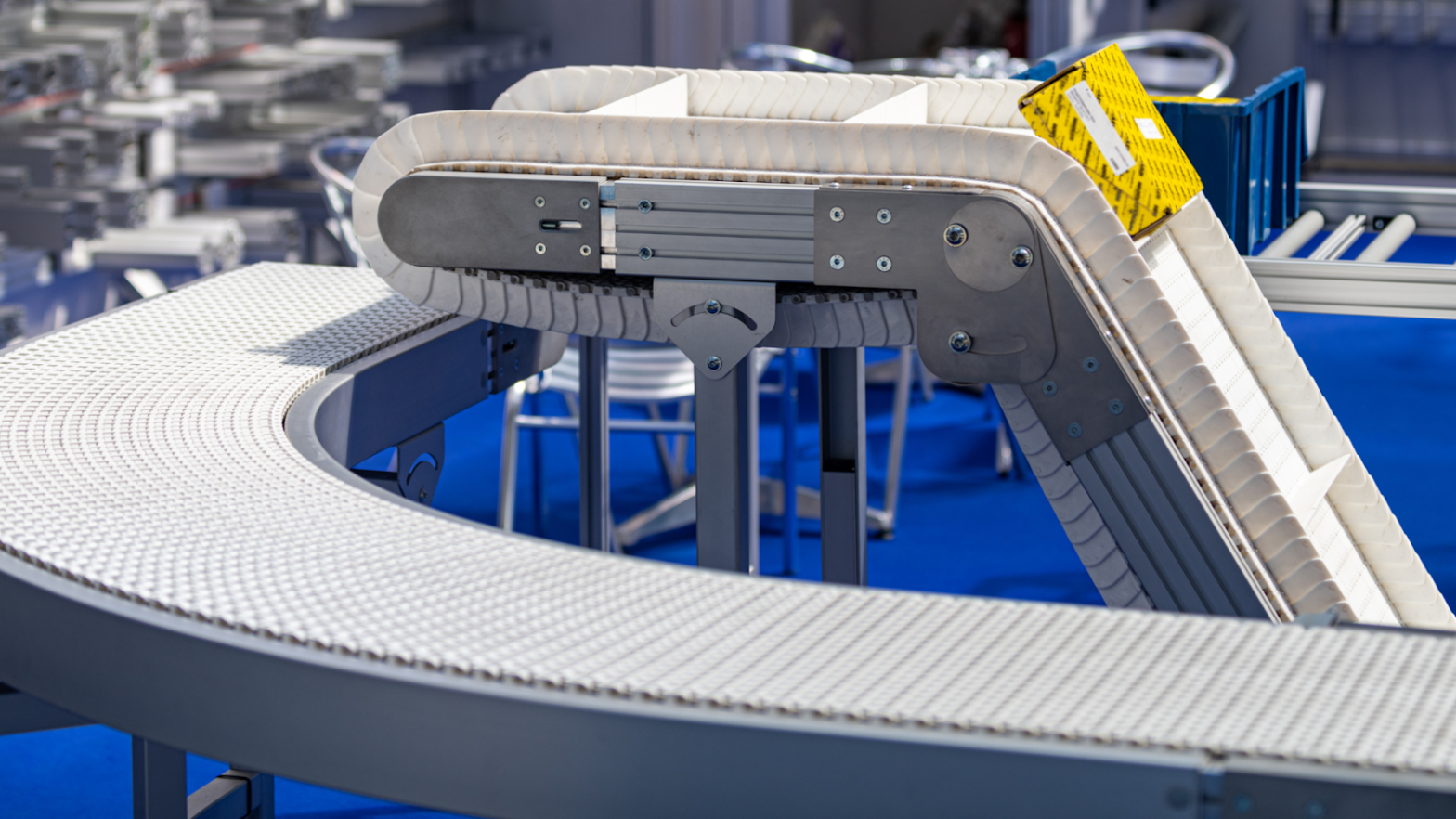
In an era characterized by rapid movement and progression, efficiency emerges as a fundamental catalyst for organizational growth. This principle holds particularly true within the domain of material handling and logistics. Every second counts and businesses are constantly seeking innovative solutions to streamline their operations. Automated conveyor systems emerging as a game-changing technology that is revolutionizing the way goods are moved and managed. In this blog, we’ll explore the rise of automated conveyor systems and their transformative impact on modern material handling practices. What Is An Automated Conveyor System: An automated conveyor system is a sophisticated network of conveyor belts, rollers, and other components that work together to transport goods from one location to another in a facility, such as a warehouse, distribution center, or manufacturing plant. Unlike traditional conveyor systems that rely on manual operation and oversight, automated conveyor systems leverage advanced technology to automate and optimize material handling processes. At the heart of an automated conveyor system are conveyor belts, which serve as the primary means of transporting goods along designated paths within the facility. These belts are typically made of durable materials such as rubber or plastic and are driven by motors or pulleys to propel the goods forward. In addition to conveyor belts, automated conveyor systems may incorporate various components and features to enhance functionality and efficiency. These may include: * Sensors: Sensors are strategically placed along the conveyor system to detect the presence of goods, monitor their position and speed, and ensure smooth and safe operation. For example, proximity sensors can detect when a package approaches a certain point on the conveyor and trigger actions such as diverting it to a different path or stopping the conveyor altogether. * Actuators: Actuators are devices that initiate mechanical movement or action in response to signals from sensors or control systems. In automated conveyor systems, actuators may be used to adjust the speed or direction of conveyor belts, activate sorting mechanisms, or engage safety features. * Control Systems: Control systems serve as the brain of the automated conveyor system, coordinating the operation of various components and ensuring that goods are transported efficiently and according to predefined parameters. These systems may include programmable logic controllers (PLCs), human-machine interfaces (HMIs), and software applications that allow operators to monitor and control the system in real-time. * Sorting And Diverting Mechanisms: In facilities where goods need to be sorted or diverted to different destinations, automated conveyor systems may incorporate sorting and diverting mechanisms such as pop-up wheels, tilt trays, or pushers. These mechanisms automatically redirect goods along alternate paths based on predetermined criteria, such as destination, size, or weight. * Integration With Other Technologies: Automated conveyor systems are often integrated with other technologies such as robotics, barcode scanners, and warehouse management systems (WMS) to create seamless and efficient material handling processes. For example, robotic arms may be stationed along the conveyor system to perform tasks such as palletizing, packing, or labeling, while barcode scanners and WMS software track and manage inventory in real time. Advantages of Automated Conveyor Systems: Automated conveyor systems offer a myriad of benefits that are reshaping the landscape of material handling. Firstly, they significantly increase efficiency by automating repetitive tasks, reducing the need for manual labor, and minimizing the risk of errors. This leads to improved productivity and throughput, allowing businesses to handle larger volumes of goods in less time. Additionally, automated conveyor systems help to reduce labor costs by optimizing workforce allocation and freeing up employees to focus on more strategic tasks. Furthermore, safety is paramount in any workplace, and automated conveyor systems contribute to a safer working environment by minimizing the risk of accidents and injuries associated with manual material handling. With advanced sensors and safety features, these systems can detect obstructions and hazards, ensuring smooth and safe operation at all times. Moreover, automated conveyor systems offer enhanced accuracy and reliability, leading to fewer errors in order fulfillment, inventory management, and shipping processes. * Integration With Industry 4.0 Technologies: One of the most exciting developments in automated conveyor systems is their integration with Industry 4.0 technologies. By harnessing the power of robotics, artificial intelligence, and data analytics, these systems are becoming smarter, more responsive, and more interconnected than ever before. For example, robotic arms can be integrated into conveyor systems to perform tasks such as sorting, picking, and packing with incredible speed and precision. Meanwhile, AI algorithms analyze data from sensors and cameras to optimize routing, predict maintenance needs, and identify opportunities for process improvement. This seamless integration of technologies creates a truly smart and adaptive material handling network that can adapt to changing conditions and demands in real-time. * Applications Across Industries: Automated conveyor systems are finding applications across a wide range of industries, from e-commerce and distribution centers to manufacturing facilities and airports. In e-commerce, these systems enable rapid order fulfillment and efficient warehouse management, allowing companies to meet the growing demand for online shopping. In manufacturing, automated conveyor systems facilitate the movement of raw materials, components, and finished products along assembly lines, improving efficiency and reducing production times. At airports, these systems streamline baggage handling processes, ensuring timely and accurate delivery of luggage to passengers. Each industry presents its own unique set of challenges and opportunities, and automated conveyor systems are helping businesses overcome these obstacles and stay ahead of the curve. * Customization And Scalability One of the key advantages of automated conveyor systems is their ability to be customized and scaled to meet the specific needs of each business. Whether it’s adapting to different product sizes, shapes, and weights, or integrating with existing equipment and infrastructure, these systems offer unparalleled flexibility and versatility. This customization allows businesses to tailor their material handling processes to suit their unique requirements, optimizing workflow efficiency and maximizing productivity. Moreover, automated conveyor systems are inherently scalable, meaning they can easily adapt to changes in production demands, seasonal fluctuations, and market trends. This scalability ensures that businesses can future-proof their operations and remain agile in a …
Continue reading “Revolutionizing Material Handling: The Rise of Automated Conveyor Systems”
