
Blog
How Automated Conveyor Systems Are Revolutionizing Manufacturing
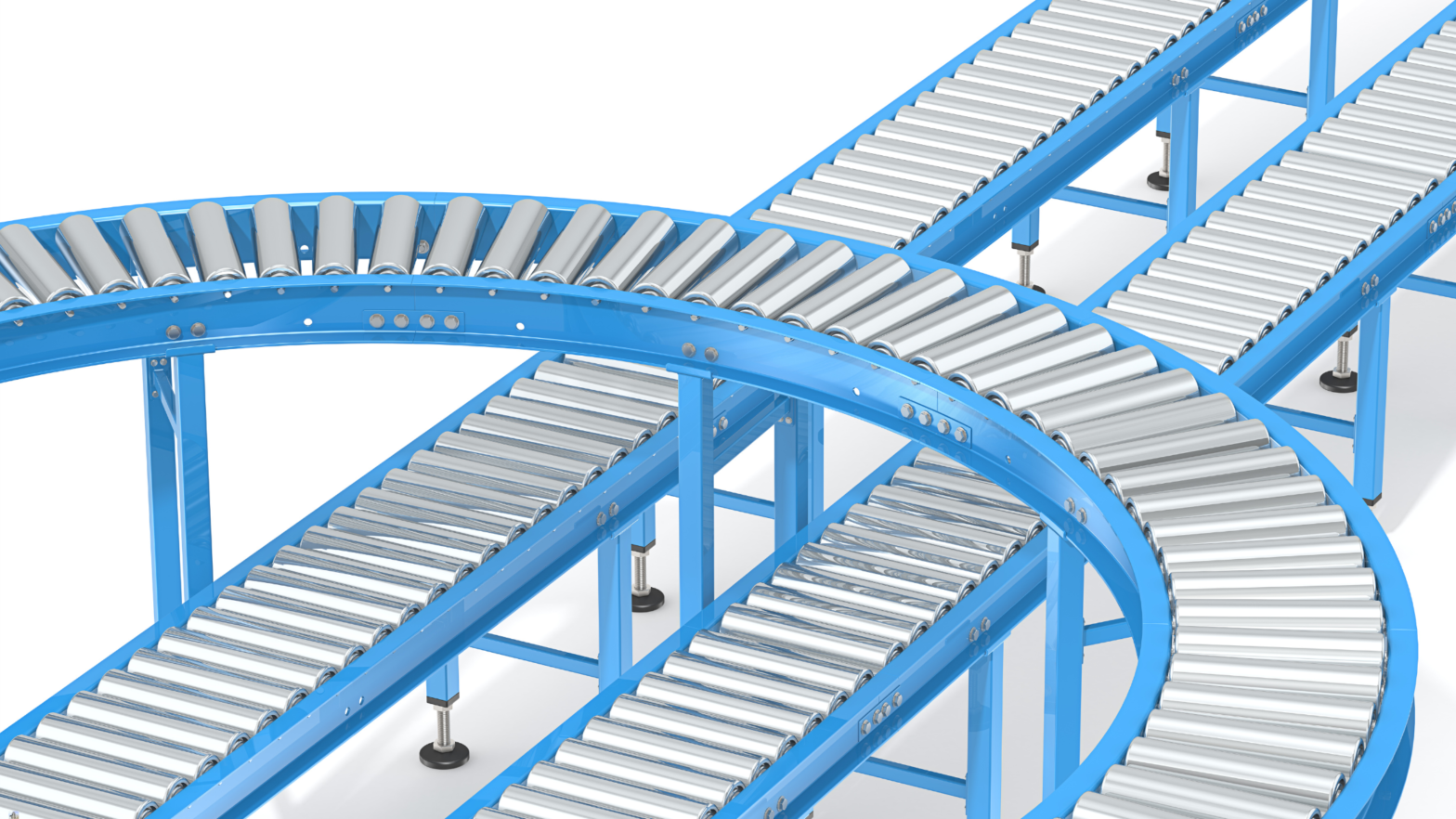
Ordering a product online and receiving it within a day or two has become a norm we often take for granted. The efficiency behind this convenience is largely due to advanced automated systems working tirelessly in the background. In manufacturing, automated conveyor systems play a crucial role in this seamless operation, ensuring that products move smoothly and efficiently from one stage to the next. These systems are reshaping the industry by enhancing production efficiency, reducing costs, and offering flexibility to adapt to changing demands. Let’s explore how automated conveyor systems are revolutionizing manufacturing and making these rapid deliveries possible. Boosting Production Efficiency with Automated Conveyor Systems Automated conveyor systems are a game-changer when it comes to improving production efficiency in manufacturing. By taking over the repetitive and labor-intensive task of moving materials and products, these systems streamline the entire production process, allowing businesses to achieve higher output and better use of resources. Reducing Manual Labor One of the most significant ways automated conveyor systems improve efficiency is by reducing the need for manual labor. In a traditional setup, workers are responsible for transporting materials between different stages of production. This not only takes time but also increases the risk of human error and injury. Automated systems handle these tasks seamlessly, freeing up employees to focus on more skilled and value-added activities. This shift not only boosts productivity but also enhances job satisfaction and safety for workers. Minimizing Downtime Automated conveyor systems are designed to operate continuously, without the need for frequent breaks or interruptions. This continuous operation minimizes downtime and keeps the production line moving smoothly. In contrast, manual processes can be slowed down by breaks, shift changes, or unexpected absences. With automated systems, materials and products move consistently and predictably, reducing the chances of bottlenecks and production delays. Enhancing Precision and Consistency Precision is crucial in manufacturing, and automated conveyor systems excel in delivering consistent and accurate material handling. These systems are equipped with sensors and automation controls that ensure materials are placed exactly where they need to be, every time. This level of precision reduces waste, improves product quality, and ensures that each stage of production receives the right materials at the right time. Consistency in material handling translates to a more reliable and efficient production process overall. Optimizing Space Utilization Space is often a limited resource in manufacturing facilities. Automated conveyor systems can be designed to optimize the use of available space, making it easier to manage the flow of materials even in tight or complex layouts. Modular design options allow these systems to be tailored to specific facility requirements, ensuring that every inch of space is used efficiently. This optimized space utilization can lead to more streamlined workflows and better overall facility management. Increasing Throughput By automating the material handling process, conveyor systems significantly increase throughput. They can move materials and products at a consistent speed, reducing the time it takes to complete each production cycle. This increased speed and efficiency mean that manufacturers can produce more units in less time, meeting higher demand without compromising on quality. The ability to scale up production quickly and efficiently is a key competitive advantage in today’s fast-paced market. Improving Inventory Management Automated conveyor systems also play a crucial role in improving inventory management. By providing real-time data on the movement and status of materials, these systems help manufacturers keep track of inventory levels more accurately. This visibility allows for better planning and forecasting, reducing the risk of overproduction or stockouts. Improved inventory management contributes to a more efficient production process and helps maintain a steady supply of materials and products. Adapting to Changing Demands Flexibility is another critical advantage of automated conveyor systems. These systems can be quickly reconfigured to adapt to changing production demands, whether it’s scaling up for a large order or switching to a different product line. This adaptability ensures that manufacturers can respond swiftly to market changes and customer needs without significant downtime or retooling. Being able to pivot quickly and efficiently is essential for maintaining competitiveness in a dynamic industry. Keeping Your Conveyor System in Top Shape Regular maintenance is key to ensuring the longevity and optimal performance of your automated conveyor system. Essential tasks include inspecting and cleaning components, checking and adjusting sensors, and lubricating moving parts to prevent wear and tear. Periodic audits help identify potential issues before they become serious, allowing for timely adjustments. Implementing a preventive maintenance schedule can significantly extend the system’s lifespan and enhance efficiency. Utilizing trained technicians ensures smooth operation and minimizes disruptions. Modern monitoring tools, provide real-time data on system performance and alert you to immediate issues. Prioritizing regular maintenance keeps your conveyor system reliable and efficient, supporting your manufacturing productivity and success. The Mark Costello’s Expertise in Conveyor Systems When it comes to designing and implementing automated conveyor systems, The Mark Costello Company stands out with its exceptional expertise. We begin with a consultative approach, thoroughly assessing your manufacturing needs to recommend solutions that are perfectly tailored to your specific requirements. This personalized method ensures that the conveyor systems they design are not only efficient but also fully aligned with your operational goals. Once a solution is agreed upon, Our certified technicians handle the installation and rigorous testing to guarantee optimal performance from day one. But our commitment doesn’t stop there; we provide ongoing support services to maintain and enhance system reliability over time. Numerous success stories highlight their impact, with clients reporting significant improvements in efficiency and return on investment. Our comprehensive approach and proven track record make them a trusted partner in advancing manufacturing efficiency through automated conveyor systems. Conclusion Automated conveyor systems are truly revolutionizing manufacturing operations. They streamline material handling, reduce manual labor and operational costs, and offer unmatched flexibility and scalability. With advanced features like sensor integration, modular design, and industry-specific customization, these systems enhance efficiency and reliability in ways traditional conveyors cannot. The Mark Costello Company’s consultative approach and comprehensive services stand as a leading provider of …
Continue reading “How Automated Conveyor Systems Are Revolutionizing Manufacturing”
The Benefits of Using an Automatic Lubrication System For Your Machinery

Think about how you take care of your car. You know that regular oil changes are essential to keep it running smoothly and avoid big problems later on. The same goes for the machinery in your business. Just like your car, your equipment needs regular lubrication to work well. But, let’s be honest, manually lubricating machines can be a hassle—it’s time-consuming, messy, and often gets overlooked. This is where automatic lubrication systems come into play. These systems make it easy to keep your machines well-lubricated without all the fuss. They save you time, reduce labor costs, and help your machinery last longer while preventing unexpected breakdowns. In this blog, we’ll discuss why proper lubrication is important, the benefits of using automatic systems, and how The Mark Costello Company can help you keep everything running smoothly. How Automatic Lubrication Systems Work Automatic lubrication systems streamline the process of keeping machinery well-lubricated, ensuring optimal performance and longevity. These systems operate through several key components: a pump, reservoir, and distribution network. The reservoir holds the lubricant, while the pump moves it through the network of tubes and fittings to the machinery parts needing lubrication. The process starts with the reservoir filled with the appropriate lubricant, such as oil or grease. The pump draws the lubricant and distributes it through the network. Metering devices at various points ensure each component receives the exact amount of lubricant needed, preventing over- or under-lubrication. Automatic lubrication systems are programmable to operate at specific intervals, maintaining consistent lubrication even during machinery operation. This automation saves time and reduces downtime, enhancing productivity. Advanced systems include sensors for real-time monitoring, detecting issues like blockages or leaks and alerting maintenance personnel. These systems can be customized to fit different machinery types, from small tools to large industrial equipment. This flexibility ensures tailored solutions for various operational needs. In summary, automatic lubrication systems deliver precise, continuous lubrication, improving maintenance efficiency, reducing downtime, and extending equipment lifespan. Implementing these systems leads to smoother operations and cost savings for businesses. Exploring the Types of Automatic Lubrication Systems When it comes to automatic lubrication systems, there are several types designed to meet the specific needs of different machinery. Single-line systems are straightforward and ideal for small to medium-sized machinery. They deliver lubricant through a single distribution line, making them easy to install and maintain. Dual-line systems, on the other hand, are more complex and suitable for large, heavy-duty machinery. They use two main lines to deliver lubricant, providing redundancy and ensuring reliability even if one line fails. Progressive systems are versatile and work well for a variety of machinery sizes and types. They distribute lubricant in a sequential manner, ensuring each part receives the right amount before moving on to the next. While single-line systems are cost-effective and simple, they might not be sufficient for very large or critical machinery. Dual-line systems offer high reliability but come with higher installation and maintenance costs. Progressive systems strike a balance, offering precision and adaptability, but require careful monitoring to ensure all parts are adequately lubricated. Understanding these differences can help you choose the best system for your equipment, ensuring optimal performance and longevity. Why Automatic Lubrication Systems Are Innovative? Automatic lubrication systems bring a host of benefits that can significantly improve the efficiency and longevity of your machinery. These systems are a valuable investment for any business relying on heavy equipment. Consistent and Precise Lubrication One of the standout advantages is their ability to deliver consistent and precise lubrication to critical components. Unlike manual lubrication, which can be inconsistent and prone to human error, automatic systems ensure that each part receives the exact amount of lubricant it needs. This precision helps to minimize wear and tear, reduce the risk of breakdowns, and keep your machinery running smoothly. Regular and accurate lubrication also means less friction, leading to lower energy consumption and better overall efficiency. Goodbye to Manual Lubrication Tasks Manual lubrication can be a time-consuming and messy task. It often requires stopping the machinery, which can lead to downtime and lost productivity. With these interruptions become a thing of the past. These systems continuously lubricate your equipment while it’s in operation, eliminating the need for manual intervention. This not only frees up your workforce to focus on more critical tasks but also reduces labor costs. Additionally, by removing the human element from the lubrication process, the risk of errors and accidents is significantly lowered. Enhanced Equipment Reliability and Productivity When your machinery is properly lubricated, it runs more reliably and efficiently. Automatic lubrication systems ensure that lubrication is applied consistently, which helps to maintain the performance of your equipment. This continuous operation without the need for frequent stops for manual lubrication means your machinery can operate at peak efficiency for longer periods. The result is increased productivity and reduced downtime. Moreover, well-lubricated machines experience fewer breakdowns, leading to lower maintenance costs and extended equipment lifespan. Reduced Maintenance Costs Frequent breakdowns and repairs can quickly add up, straining your maintenance budget. It helps reduce these costs by ensuring that your machinery is always properly lubricated. This reduces the wear and tear on components, leading to fewer breakdowns and less frequent need for repairs. Over time, this translates to significant cost savings and a better return on investment. Environmental Benefits Another advantage of this is their positive impact on the environment. By ensuring that the right amount of lubricant is applied precisely where it’s needed, these systems help to reduce waste. This efficient use of lubricants means fewer spills and leaks, which can be harmful to the environment. Many automatic lubrication systems are designed to work with eco-friendly lubricants, further minimizing their environmental footprint. The Mark Costello’s Automatic Lubrication Solutions The Mark Costello Company offers a wide range of automatic lubrication systems tailored to different machinery types and applications. We provide expert installation, maintenance, and support services by certified technicians to ensure your system runs smoothly. Our commitment to customer satisfaction is evident through numerous case studies and …
Continue reading “The Benefits of Using an Automatic Lubrication System For Your Machinery”
Innovative Medical Waste Disposal Solutions In Los Angeles

Ever wondered what happens to the mountains of medical waste generated every day in a city like Los Angeles? It’s not something we often think about, but the process of disposing of medical waste is a critical part of keeping our communities safe and healthy. From used syringes to contaminated bandages, medical waste must be handled with utmost care to prevent health risks and environmental damage. Medical waste disposal solutions in Los Angeles are more than just a routine task for healthcare facilities—it’s a crucial component of public safety and environmental protection. Traditional disposal methods, however, often struggle to meet the demands of modern healthcare, especially in a bustling metropolis like Los Angeles. Healthcare providers must manage large volumes of waste while adhering to strict regulations, which is no easy feat. In this blog, we will explore the challenges of traditional medical waste disposal and highlight the innovative solutions offered by The Mark Costello. By the end, you’ll understand why modern waste management practices are essential and how The Mark Costello is leading the way with their advanced approaches. Medical Waste Disposal Process The process begins at the point of generation, where medical waste is produced in healthcare facilities such as hospitals, clinics, and laboratories. This waste includes a variety of materials, from used syringes and surgical gloves to contaminated dressings and biological samples. The first crucial step is segregation. Medical waste must be separated from regular waste and sorted into specific categories such as sharps, infectious waste, pathological waste, and pharmaceutical waste. Proper segregation at the source is vital for effective disposal. Once segregated, the waste is collected and stored in designated containers. These containers are color-coded and clearly labeled to indicate the type of waste they hold. For example, red containers are typically used for biohazardous waste, while yellow containers might be used for sharps. The containers are stored in a secure, designated area within the healthcare facility until they are ready for transportation. This storage area must meet specific safety standards to prevent accidental exposure or contamination. Transportation is a critical phase in the medical waste disposal process. The waste must be transported from the healthcare facility to a treatment or disposal site. The transportation of medical waste is regulated to ensure safety. Specially licensed and trained personnel handle the transport, using vehicles equipped to prevent leaks and spills. The transportation process must comply with local, state, and federal regulations. The treatment of medical waste is where innovative technologies play a significant role. The primary goal is to render the waste non-infectious and safe for final disposal. One of the most effective treatment methods is autoclave sterilization. This process uses high-pressure steam to sterilize infectious waste, killing pathogens and making the waste safe for further handling or disposal. Autoclaving is particularly effective for items like surgical instruments and contaminated dressings. After treatment, the waste is either disposed of or repurposed. Treated waste can often be sent to landfills, as it no longer poses a biological risk. However, some waste, especially plastics and metals, can be recycled. Another innovative approach is waste-to-energy conversion, where treated medical waste is used to generate energy. This method not only reduces the volume of waste sent to landfills but also provides a sustainable source of energy. Challenges In Medical Waste Disposal Managing medical waste poses several significant challenges, particularly with traditional disposal methods that may not adequately address modern healthcare demands. One key challenge involves health and safety risks for both healthcare workers and the broader community. Handling medical waste, which often includes infectious materials like used needles and contaminated dressings, exposes healthcare personnel to potential injuries and infections. Moreover, improper disposal can lead to public health risks, highlighting the critical need for effective waste management solutions that prioritize safety. Environmental impact is another pressing concern associated with medical waste disposal. Traditional methods such as incineration can release harmful pollutants into the air, contributing to air quality issues and environmental degradation. Improper disposal practices can contaminate soil and water sources, posing long-term risks to ecosystems and public health. Compliance with strict regulations further complicates these challenges, as healthcare facilities must navigate complex regulatory frameworks at the local, state, and federal levels. Non-compliance can result in fines, legal liabilities, and reputational damage, underscoring the importance of adhering to stringent waste disposal guidelines. Solutions Offered by The Mark Costello The cornerstone of The Mark Costello’s approach is autoclave sterilization. This technology uses high-pressure steam to treat infectious waste effectively. By subjecting waste to intense steam, autoclaves destroy harmful pathogens, ensuring that the waste is safe to handle and dispose of. This method is crucial for protecting healthcare workers and the community from the risks associated with infectious materials. Another innovative offering from The Mark Costello is waste-to-energy technology. This approach converts medical waste into usable energy through controlled combustion or gasification processes. Not only does this method reduce the volume of waste destined for landfills, but it also contributes to sustainable energy production. By harnessing the energy potential of medical waste, healthcare facilities can minimize their environmental footprint while promoting resource efficiency. Recognizing that every healthcare facility has unique waste management needs, The Mark Costello offers customizable plans. These plans are tailored to the specific requirements of each facility, taking into account factors such as waste volume, types of waste generated, and regulatory compliance. By collaborating closely with healthcare providers, The Mark Costello ensures that their waste management solutions are practical, efficient, and fully aligned with regulatory standards. Conclusion The importance of innovative medical waste disposal solutions in Los Angeles cannot be overstated. As healthcare facilities strive to provide the best care for their patients, managing medical waste safely and efficiently remains a critical component of their operations. The challenges of traditional waste disposal methods—ranging from health risks to environmental impact and regulatory compliance—underscore the need for advanced solutions. The Mark Costello stands out as a leader in this field, offering cutting-edge technologies and customized plans that address these challenges effectively. Our commitment …
Continue reading “Innovative Medical Waste Disposal Solutions In Los Angeles”