
Blog
Top Waste Carts For Efficient Waste Management

Efficient waste management is much more than simply throwing things away—it’s about creating a smart, sustainable system that helps your business handle waste from start to finish. This includes organizing how waste is collected, sorted, and disposed of in ways that align with both environmental goals and regulatory compliance. A well-planned approach not only helps meet environmental standards but also significantly cuts down on costs and reduces workplace hazards. Sorting waste into recyclable, compostable, and non-recyclable categories plays a major role in reducing landfill contributions and supporting a circular economy, where materials are reused instead of discarded. To make this system successful, it’s essential to get employees involved through proper training and clear communication. When people understand how and why to sort materials correctly, compliance goes up, and so does the company’s environmental impact in a positive way. In today’s business world, the ability to manage waste effectively is part of a larger effort to operate responsibly and gain consumer trust. Technology has become a powerful ally in modern waste management, allowing businesses to optimize processes and gather real-time data. Smart compactors, cloud-based tracking, and automated alerts are just a few tools that help companies monitor efficiency and make better decisions. This is especially important when managing complex waste streams like international waste, where compliance with global regulations is critical. These tools not only reduce human error but also provide insights that can lead to long-term waste reduction. Still, technology and processes alone aren’t enough. Having the right partner can elevate your entire approach. That’s where The Mark-Costello Co. comes in—offering tailored waste management systems backed by decades of experience. Whether you’re looking to reduce waste volume, maintain safety standards, or meet international guidelines, their innovative solutions and dedicated support can help you build a cleaner, safer, and more efficient operation from the ground up. Key Types of Waste Carts When it comes to managing waste effectively, picking the right type of waste cart can make a big difference. Whether you’re running a commercial facility, a healthcare center, a school, or an industrial warehouse, the efficiency of your waste collection process often depends on the carts you use. Waste cart dumpers aren’t a one-size-fits-all deal—different types are designed for different needs and environments. Understanding the key types of waste carts can help you choose the best one for your business, making sure waste is collected, sorted, and disposed of in a way that saves time, meets compliance standards, and supports a cleaner workplace overall. Standard Waste Carts: Standard waste carts are your go-to option for everyday waste collection needs. Designed for general use, they are highly adaptable and can be seen in a variety of environments, from office buildings and retail stores to apartment complexes and schools. These carts usually feature durable plastic construction, making them resistant to wear and tear from daily use. They also come equipped with sturdy wheels that allow for smooth maneuverability, secure lids that help contain odors and pests, and reinforced handles for easy lifting and transport. For businesses looking for a reliable, no-fuss solution, standard waste carts offer a solid balance of cost-effectiveness and performance. Recycling Carts: As businesses place a growing emphasis on sustainability and eco-friendly practices, recycling carts have taken center stage. These carts are specially designed to make separating and managing recyclable materials more intuitive and efficient. Many recycling carts feature built-in dividers or come with multiple color-coded compartments, allowing users to sort paper, plastics, metals, and glass right at the point of disposal. This not only improves the effectiveness of your recycling program but also reduces cross-contamination between waste streams—an issue that often undermines recycling efforts. By encouraging proper sorting at the source, recycling carts help your business meet green initiatives and regulatory goals with ease. Heavy-Duty Carts: When dealing with bulk waste, sharp debris, or extremely heavy materials, standard carts may not hold up. That’s where heavy-duty carts come in. These carts are engineered to take on the toughest tasks in harsh environments such as construction zones, manufacturing plants, warehouses, and landscaping operations. Constructed from reinforced high-density polyethylene or rugged metal, heavy-duty carts are capable of hauling larger volumes without cracking, warping, or collapsing. Many models also include industrial-grade wheels, reinforced axle support, and optional lids to secure contents during transport. Choosing heavy-duty waste carts ensures that even the most demanding cleanup tasks can be managed safely and efficiently. Specialty Carts: Not all waste is created equal, and some types require more specialized handling. Specialty carts are designed to meet specific requirements for industries dealing with hazardous, sensitive, or regulated materials. For example, hospitals and laboratories may rely on medical waste carts with locking lids and antimicrobial coatings to prevent contamination. Food service operations might use carts designed for organic waste, featuring leak-resistant liners and odor control. Facilities managing hazardous chemicals may require spill-proof containment carts that comply with OSHA or EPA standards. These purpose-built carts protect both your employees and your facility, ensuring that niche waste streams are managed responsibly and in full compliance with safety regulations. Mobile Waste Carts: In large-scale facilities such as distribution centers, educational campuses, theme parks, or airports, the ability to move waste from one location to another efficiently becomes crucial. Mobile waste carts are specifically built to handle this task. These carts are lightweight yet durable, featuring ergonomic handles, swivel caster wheels, and balanced designs that allow for easy navigation through tight spaces or across uneven surfaces. Some models come with tow hitches for use with utility vehicles, further improving efficiency. Whether you’re servicing multiple collection points or managing waste during events, mobile carts ensure quick, hassle-free transport with minimal physical strain on workers. Choosing the Right Cart for Waste Cart Dumpers: Ultimately, the type of waste cart you choose can significantly impact your facility’s workflow, safety, and environmental compliance. Whether you’re using manual removal or integrating waste cart dumpers for automated disposal, matching the right cart type to your operation ensures a smoother process from start to finish. …
Continue reading “Top Waste Carts For Efficient Waste Management”
Why Choose Industrial Recyclers For Your Business
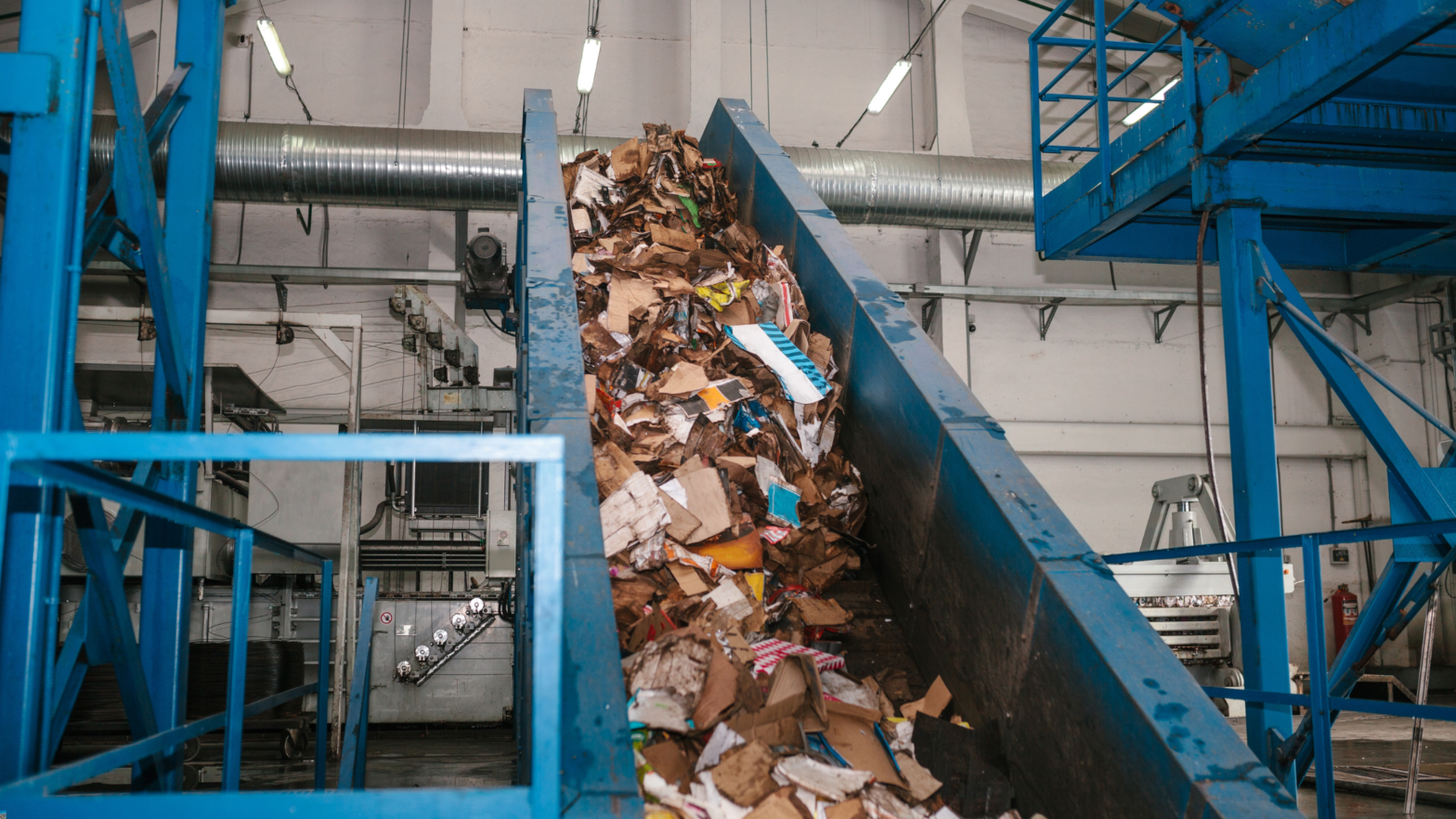
Industrial recyclers play an essential and often underappreciated role in the way modern businesses manage waste. In a world where environmental responsibility is no longer optional but a necessity, these professionals provide a critical service by handling the leftover materials from various industrial processes, such as scrap metals, used plastics, cardboard, electronics, and even certain chemicals. Instead of sending these byproducts to overflowing landfills or incinerators, industrial recyclers work to recover, repurpose, and reintegrate them into the production cycle. This transformation of waste into reusable resources not only conserves valuable raw materials but also significantly reduces the environmental footprint of manufacturing and industrial operations. In many cases, these efforts can contribute to achieving broader sustainability goals, which are becoming increasingly important in today’s competitive and eco-conscious market. When businesses choose to partner with industrial recyclers, the benefits extend far beyond basic environmental stewardship. For starters, effective recycling programs can substantially cut down on traditional waste disposal costs, which tend to add up quickly when dealing with bulk materials or hazardous waste. In many cases, companies can also turn what used to be considered waste into a new revenue stream, selling recyclable materials like aluminum, copper, or high-grade plastics to markets that demand them. This dual advantage of cost savings and potential income makes recycling an economically sound strategy. Additionally, by reducing the volume of waste sent to landfills, companies can often streamline their operations, optimize space, and improve overall workplace efficiency. Beyond the financial and environmental incentives, there’s also the matter of legal and regulatory compliance. Industrial waste is heavily monitored by both local and federal agencies, and failure to adhere to proper disposal guidelines can result in steep fines, legal complications, or even temporary shutdowns. Industrial recyclers help mitigate these risks by ensuring that all waste is handled, processed, and documented according to the applicable regulations. They understand the intricate requirements of different industries, whether it’s manufacturing, automotive, food processing, or construction, and can provide tailored recycling programs that meet or exceed regulatory standards. In doing so, they offer businesses peace of mind, knowing they’re staying ahead of compliance concerns and maintaining a strong reputation with regulators and the community. In this blog, we’ll take a deeper dive into why industrial recycling matters in today’s economy and environmental landscape. We’ll unpack the broader impact of recycling on natural resource conservation, climate change mitigation, and global supply chains. Then, we’ll look at the specific benefits that recycling can bring to your business, from improving your bottom line to enhancing your corporate social responsibility (CSR) profile. We’ll also walk through the key factors you should consider when choosing a recycling partner, such as industry experience, processing capabilities, transparency in reporting, and customer service support. Finally, we’ll highlight how recycling partners that offer full-service waste management solutions can make your operations more efficient and sustainable in the long run. By the end of this blog, you’ll have a clear understanding of how a strong recycling strategy can strengthen your business in multiple ways, environmentally, economically, and operationally. More importantly, you’ll see why working with a reliable and experienced company like Mark Costello can set your business up for long-term success. With decades of experience and a commitment to waste reduction and sustainable innovation, Mark Costello offers more than just recycling; they offer a partnership in building a cleaner, smarter, and more responsible future for your business. Benefits of Industrial Recycling Environmental Impact: One of the most significant benefits of industrial recycling lies in its long-term positive impact on the environment. When businesses choose to recycle materials like metals, plastics, cardboard, and paper, they reduce the volume of waste that would otherwise be sent to overflowing landfills. This decision contributes directly to lowering the environmental burden on surrounding ecosystems and communities. Additionally, recycling helps preserve finite natural resources by reducing the need for raw material extraction, such as mining for metals or logging for paper. This conservation process is critical for maintaining biodiversity and ensuring that essential resources remain available for future generations. Another major advantage is the reduction in greenhouse gas emissions. When materials decompose in landfills or are incinerated, they release harmful gases such as methane and carbon dioxide. Recycling, on the other hand, typically consumes less energy and emits fewer pollutants than manufacturing with virgin materials. As concerns about climate change grow, industrial recycling offers a practical way for businesses to actively participate in environmental stewardship and help mitigate global warming. Cost Savings: Industrial recycling can lead to significant cost savings for businesses, especially those that generate large volumes of waste regularly. The costs associated with traditional waste disposal, such as transportation, tipping fees, and landfill taxes, can quickly add up and cut into a company’s bottom line. By recycling a portion of this waste, businesses can reduce the frequency and volume of landfill-bound shipments, thereby lowering these associated expenses. Moreover, certain materials, like metals and high-quality plastics, hold substantial market value even after their initial use. Companies can sell these recyclable materials to specialized processors or manufacturers, effectively turning waste into a new source of revenue. In some cases, businesses may also qualify for government incentives or rebates for implementing sustainable waste management practices. Over time, the savings accrued from reduced disposal costs, combined with potential profits from reselling recyclables, can make industrial recycling not just an environmentally responsible choice but also a financially strategic one. Compliance With Regulations: In an era where environmental regulations are growing more complex and stringent, maintaining compliance is not optional; it’s essential. Industrial recycling plays a critical role in helping businesses meet federal, state, and local environmental requirements. Regulatory bodies are increasingly holding companies accountable for the waste they generate and how it is managed. Non-compliance can result in heavy fines, legal challenges, or even shutdowns. By investing in industrial recycling systems and working with certified recyclers, businesses can ensure their waste disposal methods meet all necessary regulations. These systems often include documentation and reporting tools that help demonstrate compliance during inspections …
Continue reading “Why Choose Industrial Recyclers For Your Business”
Choosing The Right Stationary Compactor For Your Facility

We all know that effective waste management is essential for the smooth operation of any facility, whether it’s a bustling warehouse, a high-traffic retail outlet, or a fast-paced industrial site. Proper waste management goes beyond simply keeping the floors clean; it plays a critical role in maintaining a safe work environment, meeting regulatory compliance, and creating a more productive space for employees. When waste piles up or is handled inefficiently, it can lead to safety hazards, unpleasant odors, and unnecessary clutter that slows down operations. That’s why having a reliable waste disposal system in place isn’t just a convenience, it’s a necessity for businesses that want to operate smoothly and sustainably. Dealing with waste efficiently not only keeps your facility clean and organized, but it also has a direct impact on reducing operational costs and enhancing your environmental responsibility. When waste is allowed to accumulate or isn’t managed properly, it often leads to increased labor, higher hauling fees, and even penalties for non-compliance with local or state regulations. On the other hand, implementing a structured waste management plan can lead to significant savings over time. By compacting waste and minimizing its footprint, facilities can cut down on the number of pickups required, reduce the need for frequent cleaning or maintenance, and demonstrate a commitment to green practices, something that’s increasingly important to customers and stakeholders alike. A stationary compactor can be a game-changer in this effort. These powerful machines are designed to compress large volumes of waste into tightly packed bales or containers, making storage and disposal much more manageable. Instead of dealing with overflowing dumpsters or frequent waste pickups, facilities with stationary compactors enjoy a streamlined waste process that minimizes disruptions to daily operations. Whether you’re dealing with cardboard boxes, plastic wrap, packaging materials, or general refuse, a stationary compactor dramatically reduces the volume of waste, making it easier to store and transport. It’s a smart solution for facilities that generate consistent levels of waste and want to maintain order and cleanliness without constant oversight. However, choosing the right stationary compactor isn’t always straightforward. With a wide variety of models, sizes, and configurations available, the selection process can feel overwhelming, especially if you’re not entirely sure what your facility needs. Some compactors are designed for dry waste, while others can handle wet materials or mixed loads. You also need to consider the size of the waste stream, how often waste is collected, and how much space you have available for installation. The wrong choice could result in inefficiencies, increased maintenance, or even operational downtime. That’s why it’s crucial to assess your facility’s unique requirements before making a decision. Understanding the volume and type of waste you generate, the layout of your site, and your desired level of automation can help you narrow down your options to the most effective solution. Let’s take a closer look at what you need to consider to find the perfect stationary compactor for your facility’s needs. From waste type and volume to space limitations and loading methods, each factor plays a role in choosing the right equipment. By evaluating these elements thoroughly, you’ll be better prepared to invest in a compactor that not only meets your current demands but also scales with your business as it grows. Whether you’re replacing an outdated system or implementing a new waste strategy from scratch, the right compactor can make a noticeable difference in your day-to-day operations, improving efficiency, reducing waste-related costs, and helping you meet your environmental goals. Key Considerations for Choosing a Stationary Selecting the right stationary compactor for your facility involves a thoughtful, multi-step evaluation of your waste management needs, operational limitations, and long-term goals. Making the best choice doesn’t just improve waste handling; it can also reduce operational costs, increase safety, and align with your facility’s environmental commitments. Below, we expand on the key factors you should consider to ensure your investment delivers both immediate and ongoing value. First and foremost, it’s essential to assess the volume and type of waste your facility generates on a regular basis. Facilities that deal with large quantities of dense, heavy waste, such as manufacturing plants, distribution centers, or food processing facilities, typically require high-capacity compactors designed to handle continuous and demanding usage. These machines must be robust enough to compress materials like cardboard, wooden pallets, food scraps, or packaging waste without frequent service interruptions. Conversely, smaller facilities such as retail stores, office buildings, or hospitality venues may only need compactors with moderate capacity, as their waste streams tend to be lighter and less frequent. Taking the time to accurately quantify your waste volume and understanding its composition ensures you select a compactor that matches your operational output without over- or under-investing in equipment. This results in more efficient waste processing and fewer pickups, which can significantly lower disposal costs.The next crucial factor is space availability and installation logistics. Not every compactor fits every facility layout, so understanding your physical constraints is vital. Begin by evaluating the designated waste management area to determine how much room you can allocate for a stationary compactor. You’ll want to ensure there’s enough clearance for both the compactor itself and for the collection trucks that will service it. This includes access routes, maneuverability, and any necessary safety buffers. If the space is limited, compact models with vertical configurations or smaller footprints may be ideal. Additionally, consider whether the compactor will be placed inside a building or outdoors, as this will influence the model you choose. Outdoor units need to be weather-resistant and securely enclosed, while indoor units should be well-ventilated and compatible with your facility’s infrastructure. Don’t overlook installation requirements such as proximity to electrical hookups, foundation preparation, or any custom anchoring or chute systems that may be needed for efficient operation. Accounting for these details early in the planning process can help avoid costly delays and modifications later. Environmental considerations and regulatory compliance are also pivotal in the selection process. With increasing pressure to reduce environmental footprints and …
Continue reading “Choosing The Right Stationary Compactor For Your Facility”