
Blog
Why Waste Compactors Are Essential For Sustainable Waste Management

Waste management is often overlooked until we encounter overflowing trash bins or litter in public spaces. It’s easy to take clean surroundings for granted—until the system fails. When trash starts piling up or spills into parks, sidewalks, or commercial zones, the consequences are hard to ignore. As our cities become more densely populated and industries continue to scale, the volume of waste being generated increases significantly. This isn’t just a matter of aesthetics or convenience; it’s a growing environmental and logistical concern. Left unmanaged, waste can contribute to pollution, attract pests, and strain public infrastructure, leading to broader health and sustainability issues that affect entire communities. Urbanization and industrial development bring undeniable benefits—economic growth, job creation, and innovation—but they also produce a larger environmental footprint. From packaging waste in retail to organic waste in food services and construction debris in infrastructure projects, each sector contributes to the mounting waste problem. Without efficient strategies in place, cities can find themselves overwhelmed by the sheer volume of trash. This leads to increased operational costs, overburdened landfills, and environmental degradation, which can have long-term consequences on public health, water sources, and ecosystems. Tackling this challenge requires a shift toward more sustainable, scalable waste management practices. At The Mark-Costello Co., we understand the pressure to balance waste management efficiency with environmental responsibility. Sustainable waste management isn’t just a buzzword—it’s a necessity for thriving cities and responsible businesses. It involves a systemic approach that includes waste reduction, reuse, recycling, and responsible disposal. When executed effectively, these strategies help conserve natural resources like timber, water, and minerals while reducing greenhouse gas emissions that come from decomposing waste or incineration. Waste compactors play a pivotal role in addressing these challenges by offering an efficient, eco-friendly solution to handle the increasing volume of waste. By compressing trash at the source, compactors reduce the size of waste loads, which in turn reduces pickup frequency, lowers emissions, and improves landfill use. Our compactors are designed to support these efforts by keeping workspaces cleaner, reducing odors and pests, and helping businesses meet environmental standards. Whether you’re managing waste in a retail environment, manufacturing site, or high-traffic facility, our solutions are built for results. Let’s explore why waste compactors are becoming a cornerstone of sustainable waste management strategies across industries. What Are Waste Compactors? Waste compactors are specialized machines designed to compress solid waste into smaller, more manageable volumes. These machines apply powerful mechanical force to condense various types of waste—such as cardboard, plastic, food scraps, and mixed refuse—into tightly packed units. This process significantly reduces the overall size of the waste, allowing for greater storage capacity in bins and containers. The compacted waste not only takes up less space but also helps maintain a cleaner, more organized environment by controlling odors, preventing pest issues, and minimizing the visual impact of overflowing bins. Waste compactors are widely used across numerous sectors, including commercial, industrial, and municipal settings, where waste generation is consistently high. From retail centers and distribution hubs to hospitals, schools, and manufacturing plants, compactors help organizations maintain hygiene, optimize storage, and handle waste more responsibly. By compacting waste at the source, these machines offer substantial advantages over traditional waste collection methods that rely on frequent pickups and large disposal loads. With compacted waste taking up less space, businesses can reduce the number of scheduled waste collections, which in turn cuts down on hauling costs, fuel usage, and greenhouse gas emissions. This translates into long-term cost savings and less disruption to daily operations, especially in high-traffic areas. Compactors also reduce the need for multiple waste bins and open dumpsters, improving site safety and cleanliness. Moreover, compacting waste directly at the point of generation makes transportation more efficient and reduces landfill contributions. As a result, waste contribute to a more sustainable and environmentally conscious waste management strategy, supporting both regulatory compliance and corporate sustainability goals. Whether dealing with general refuse or recyclable materials, compactors streamline operations and promote a smarter approach to modern waste handling. Key Benefits of Waste Compactors in Sustainable Waste Management Reduced Waste Volume: One of the most immediate and measurable benefits of using waste compactors is their ability to drastically reduce the volume of waste materials. By applying mechanical force to compress trash, compactors can shrink the physical size of waste by up to 70% or more. This means that significantly more waste can be stored within a single container or bin, maximizing space utilization and minimizing clutter. As a direct result, facilities that use compactors require fewer waste receptacles on-site, and those bins don’t need to be emptied as frequently. This reduced frequency of disposal not only saves time and labor but also leads to operational efficiencies in waste collection routes. Whether in commercial centers, manufacturing plants, or public spaces, compacted waste helps streamline overall waste handling logistics while maintaining tidier environments. Lower Carbon Emissions: Waste collection trucks, many of which run on diesel fuel, are among the leading contributors to carbon emissions within urban infrastructure. These vehicles consume large amounts of fuel during repeated collection trips, releasing harmful pollutants like carbon dioxide (CO₂), nitrogen oxides, and particulate matter into the air. By reducing the frequency of waste pickups, compactors significantly help decrease the number of truck trips needed, directly cutting down on fuel consumption and emissions. This not only lowers the carbon footprint of a waste management system but also supports cleaner air and healthier living conditions, especially in metropolitan areas already burdened with high levels of pollution. With fewer garbage trucks on the road, cities also experience less traffic congestion and noise pollution, creating a more livable urban environment while contributing to global climate goals. Optimized Landfill Usage: Another long-term advantage of using compactors is their role in optimizing landfill capacity. Since compacted waste occupies far less space compared to loose waste, landfills can accommodate larger quantities without reaching capacity as quickly. This improved space utilization is crucial, as many landfills across the world are approaching their limits. By prolonging …
Continue reading “Why Waste Compactors Are Essential For Sustainable Waste Management”
Maximizing Waste Management With Stationary Compactors
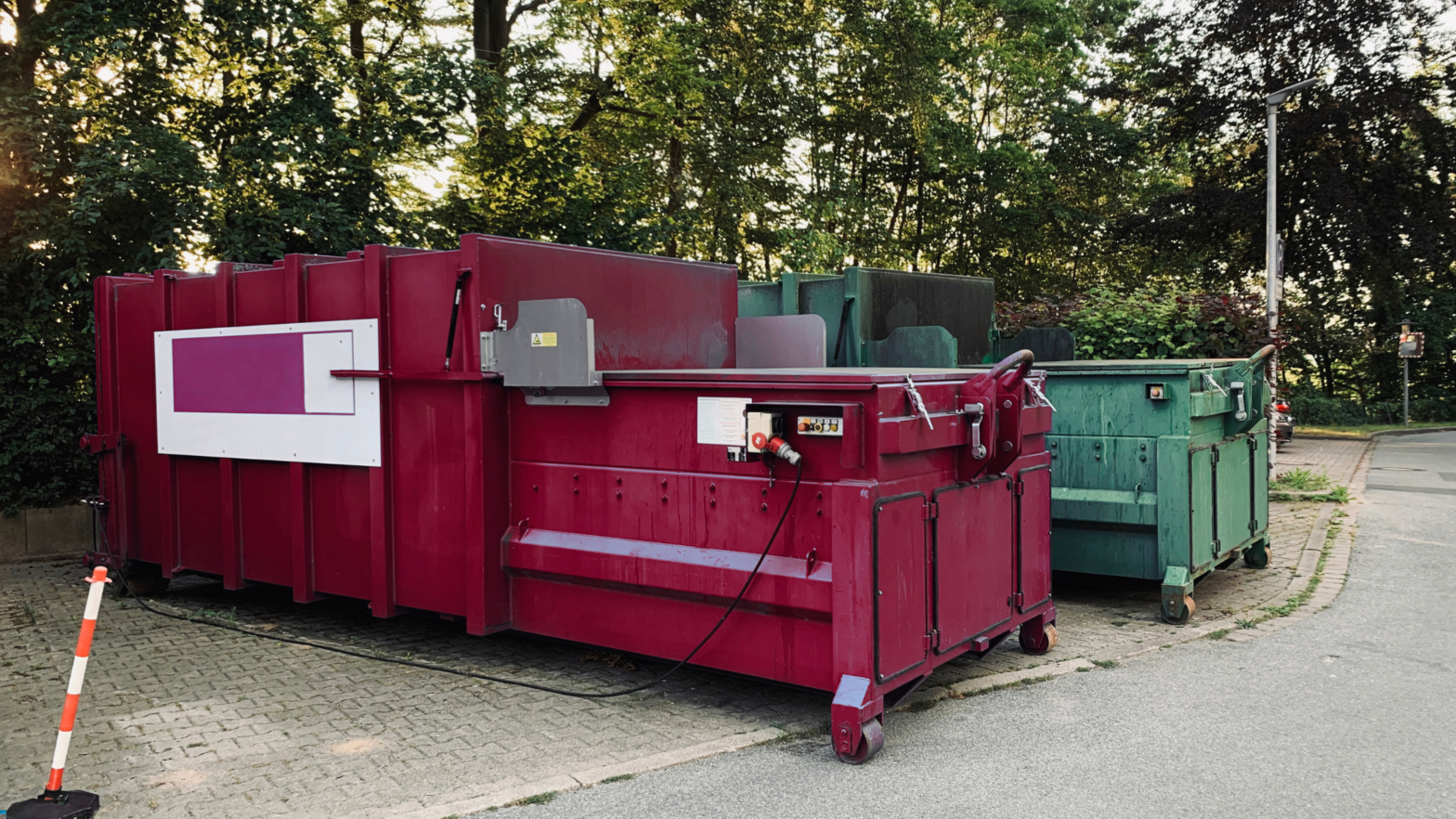
Effective waste management is a crucial aspect of running any business, from small retail stores to large industrial facilities. One of the most efficient tools available to help businesses manage their waste is the stationary compactor. These powerful machines play a pivotal role in reducing waste volume, lowering disposal costs, and minimizing environmental impact. In this blog, we’ll explore how stationary compactors can enhance your waste management system, discuss their key benefits, and guide you on choosing the right compactor for your needs. Understanding The Role of Stationary Compactors In Modern Waste Management Stationary compactors are a key part of modern waste management, helping businesses handle waste more efficiently and cost-effectively. These machines compress large amounts of waste into smaller sizes, making it easier to manage and reducing the need for frequent waste pickups. This not only saves space but also helps keep work areas cleaner and more organized. For businesses that produce a lot of waste, stationary compactors can make a big difference by cutting down on disposal costs and supporting sustainability efforts. By adding these compactors to their waste management systems, companies can improve efficiency and make their waste handling processes smoother and more effective. How Stationary Compactors Streamline Waste Handling Stationary compactors make waste handling much easier and more efficient. By compressing waste into smaller, denser bundles, these machines significantly reduce the amount of space that trash takes up. This means businesses can go longer between waste collections, saving time and money. Instead of making multiple trips to the dumpster or landfill, compacted waste can be collected less frequently, which cuts down on disposal costs. These compactors also help keep work areas cleaner and more organized. With less waste piling up, there’s a lower chance of overflowing bins or messy spaces, which can lead to safety issues or attract pests. Plus, since the waste is compacted, it’s easier to transport, making the whole waste-handling process more straightforward. For businesses that generate a lot of waste, like those in retail, manufacturing, or hospitality, stationary compactors are a great tool. They allow for more effective waste management, freeing up staff and resources for other important tasks. Companies can increase efficiency and sustainability by incorporating waste handling equipment like stationary compactors into their operations to streamline waste handling processes.. Long-Term Benefits of Stationary Compactors For Your Business Investing in a stationary compactor can bring a range of long-term benefits to your business. Here are some of the key advantages that can really make a difference in your operations and overall costs. Significant Cost Savings One of the biggest perks of using a stationary compactor is the cost savings. By reducing the volume of your waste, you can cut down on how often you need waste collection services. Fewer pickups mean lower disposal costs, which can add up to big savings over time. Improved Operational Efficiency Stationary compactors make your waste management processes more efficient, allowing your staff to focus on more important tasks instead of constantly dealing with waste. Compacted waste is easier to store and transport, which saves time and effort, making your operations run more smoothly. Better Use of Space By compressing waste into smaller, denser bundles, stationary compactors free up valuable space that would otherwise be taken up by large waste containers. This extra space can be used for other needs, like additional storage, work areas, or even expanding customer-facing spaces. Environmental Benefits Stationary compactors help your business meet sustainability goals by reducing the amount of waste that ends up in landfills. This not only conserves landfill space but also lowers the carbon footprint from waste collection and disposal. Durability And Long-Term Use High-quality stationary compactors are built to last, providing a durable and reliable solution for managing waste. With regular maintenance, these machines can keep working effectively for years, reducing the need for frequent equipment replacements and offering a better return on your investment. The Future of Waste Management: Where Stationary Compactors Fit In The future of waste management is all about being more sustainable, efficient, and innovative, and stationary compactors are going to be a big part of that shift. As businesses look for ways to reduce their environmental impact, stationary compactors offer a practical solution by compressing waste, which means fewer pickups and lower carbon emissions. Plus, with new technology making these compactors smarter and more efficient—like remote monitoring and automated controls—they’re becoming even more cost-effective. As waste management becomes more complex and heavily regulated, stationary compactors will continue to be a key tool for businesses looking to handle large amounts of waste responsibly and efficiently. In the evolving world of waste management, these compactors will help businesses stay ahead by managing waste in a way that’s both smart and sustainable. Choose Mark Costello For Reliable and Efficient Stationary Compactors When it comes to stationary compactors, you can count on Mark Costello for reliability and efficiency. With our years of experience in the waste management industry, we know what businesses need and offer high-quality compactors that are built to last. Our stationary compactors are designed to help you get the most out of your waste management by reducing waste volume, lowering disposal costs, and keeping your workspace cleaner and more organized. We don’t just provide equipment—we offer solutions that are customized to fit your specific needs. Plus, our support team is always ready to help ensure your compactor runs smoothly and meets your expectations. Choosing Mark Costello means choosing a partner who’s dedicated to helping your business run more efficiently and sustainably. Conclusion To wrap it up, stationary compactors are an excellent way to maximize your waste management efforts. They reduce the volume of waste, lower disposal costs, and help your business meet its sustainability goals by cutting down on environmental impact. By making waste handling more efficient, these compactors also help create a cleaner and safer workspace. If you’re looking to improve your waste management system and invest in your business’s long-term efficiency, stationary compactors are a smart choice. At Mark Costello, …
Continue reading “Maximizing Waste Management With Stationary Compactors”
Key Features And Benefits of Stainless Steel Conveyor Belts
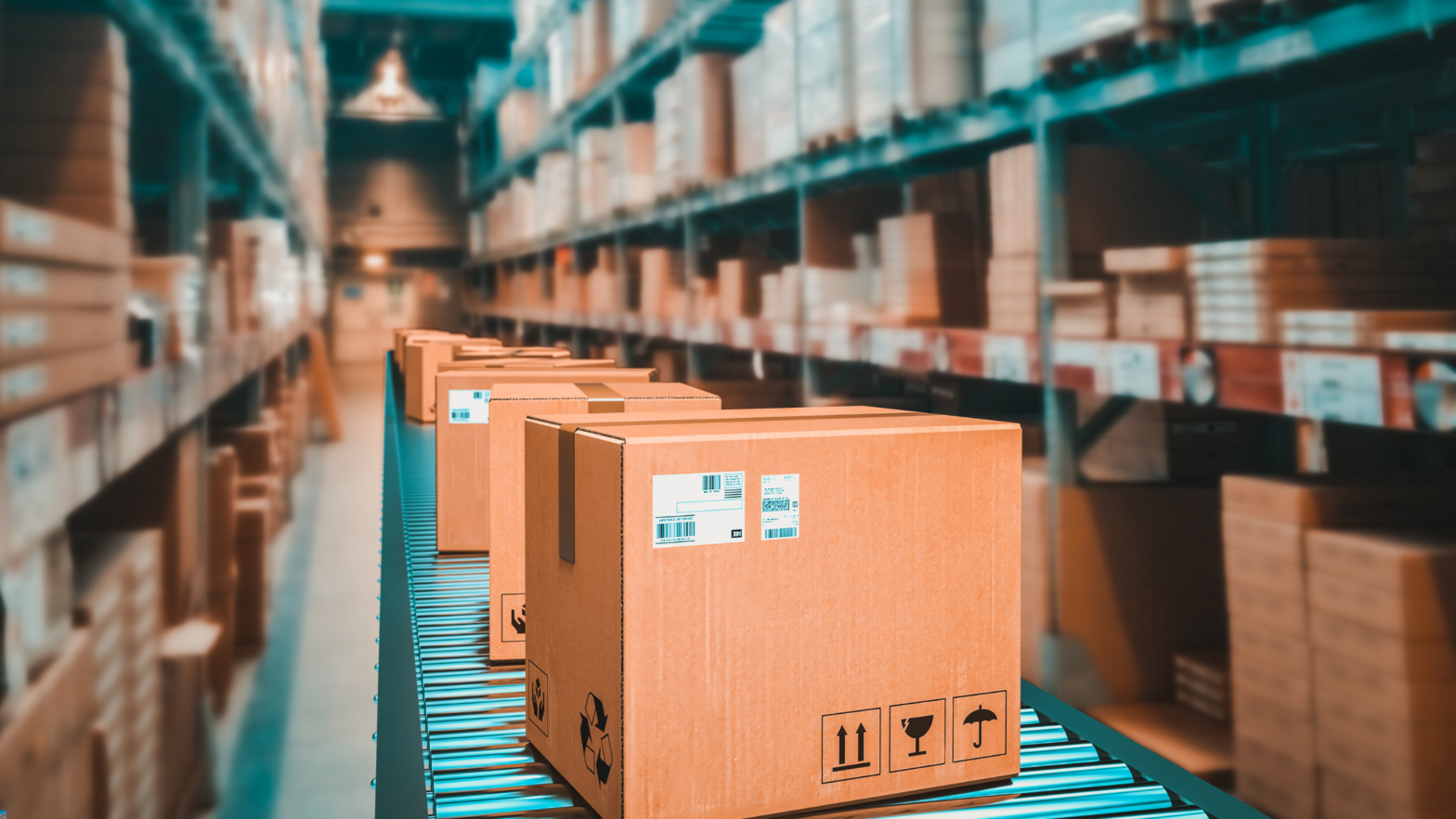
Stainless steel conveyor belts are a go-to choice for many industries because they’re incredibly durable, strong, and versatile. These belts are engineered to perform in environments where conventional materials would quickly wear down. Whether it’s exposure to extreme heat, intense mechanical stress, or abrasive materials, stainless steel stands its ground. Unlike plastic or rubber belts, which can degrade under harsh conditions, stainless steel maintains its structural integrity. That makes it the ideal solution in demanding industrial applications. From large-scale warehouses to complex production lines, the strength of stainless steel allows it to move heavy loads efficiently without stretching, sagging, or cracking. It’s this unmatched durability that makes stainless steel conveyor belts a long-term investment rather than a short-term fix. These belts are built to handle tough conditions, whether you’re dealing with heavy loads, high temperatures, or corrosive materials. In industries like metal processing, chemical manufacturing, or automotive production, conveyor belts are constantly exposed to punishing elements. High-temperature ovens, oil sprays, abrasive particles, and corrosive substances are common in these environments. Stainless steel belts can withstand temperatures far higher than most synthetic materials, making them ideal for processes like heat treating or baking. Their corrosion-resistant properties also ensure performance in humid, acidic, or chemically reactive conditions. Whether it’s the salt-laden air in coastal facilities or the exposure to acidic compounds in a lab, stainless steel holds up where others fail. This resilience reduces breakdowns and production downtime, both of which can be costly. They’re especially popular in food processing, pharmaceuticals, and manufacturing because they resist rust and corrosion, ensuring they stay reliable and hygienic over the long haul. In these industries, cleanliness and product safety aren’t just preferences; they’re regulatory requirements. Stainless steel’s natural resistance to oxidation and rust makes it one of the few materials capable of meeting strict hygiene standards without constant maintenance. In food processing, for example, conveyor belts often come into direct contact with ingredients and must withstand repeated washdowns with hot water and harsh cleaning agents. Similarly, in pharmaceutical settings, contamination can jeopardize entire batches of product. Stainless steel’s non-porous surface prevents bacteria from embedding and allows for thorough sanitization. That means products stay safe, and compliance with FDA, USDA, or GMP standards becomes easier to maintain. Their smooth surfaces are easy to clean, making them ideal for maintaining strict sanitation standards. The smooth, flat construction of stainless steel conveyor belts minimizes cracks and crevices where dirt, food particles, or bacteria could collect. This clean design supports quick and effective cleaning, reducing the risk of cross-contamination. It also supports the use of automated cleaning systems, such as CIP (Clean-in-Place) or SIP (Sterilize-in-Place) setups, which are common in highly regulated industries. Because stainless steel doesn’t absorb moisture or oils, it dries quickly and remains odor-free. This ease of cleaning not only ensures hygiene but also improves operational efficiency by reducing the time and labor required between production cycles. For businesses prioritizing cleanliness, stainless steel belts offer a dependable and easy-to-maintain solution. Because they’re so robust, they require less maintenance and fewer replacements, which saves you money and keeps your operations running smoothly. One of the most overlooked benefits of stainless steel conveyor belts is the cost savings they deliver over time. While the initial investment may be higher than other belt materials, the long-term savings are significant. Stainless steel belts are less likely to stretch, snap, or fray, which means fewer emergency repairs and replacements. This reliability translates into less downtime and more consistent production output. Maintenance teams also spend less time on inspections and part replacements, freeing them to focus on other critical tasks. For operations that run 24/7 or depend on tight production schedules, these time and cost savings can be game-changing. In this blog, we’ll dive into the key features and benefits of stainless steel conveyor belts, helping you understand why they might be the perfect fit for your business. If you’re working in an environment where durability, sanitation, and performance matter, then stainless steel belts may be the upgrade your conveyor system needs. We’ll explore everything from material grades and belt types to application-specific advantages. Whether you run a bakery that needs oven-resistant belts or a pharmaceutical facility focused on sterility, understanding the full range of stainless steel’s capabilities will help you make a smarter investment. If you’re considering upgrading your conveyor system, Mark Costello is here to help you find the best options for your needs. With decades of experience in waste and material handling systems, we understand the nuances of different industrial environments. Our team can guide you through selecting the right stainless steel conveyor belts based on your operation’s temperature ranges, load capacity, and hygiene standards. We’re not just here to sell you a product; we’re here to help you implement a system that performs day after day. Let us show you how the right conveyor solution can boost efficiency, cut long-term costs, and improve the reliability of your entire operation. Benefits of Stainless Steel Conveyor Belts Durability and Longevity: Stainless steel conveyor belts are widely recognized for their outstanding durability, making them an ideal choice for heavy-duty industrial applications. These belts are engineered to endure constant use, high-stress environments, and the transportation of heavy or abrasive materials without compromising their integrity. Whether they’re used in automotive manufacturing, construction, or metal processing, stainless steel belts remain structurally sound even under pressure. Unlike belts made from synthetic materials or lower-grade metals, stainless steel doesn’t easily crack, warp, or degrade over time. Their long lifespan translates into fewer replacements and reduced operational disruptions, providing a long-term solution that businesses can rely on. When your production line demands continuous, round-the-clock performance, a stainless steel conveyor belt won’t let you down. Corrosion Resistance: One of the most critical benefits of stainless steel is its inherent corrosion resistance. In industries where conveyor systems are regularly exposed to harsh conditions, like moisture, cleaning agents, saline environments, or chemical substances, this characteristic becomes indispensable. Stainless steel conveyor belts are made with alloy compositions that include …
Continue reading “Key Features And Benefits of Stainless Steel Conveyor Belts”