Category Archives: Waste Management
What Makes Pharmaceutical Waste Processing Equipment Different From Standard Medical Waste Handling
It is easy to assume every type of medical waste gets treated the same way. Bag it, sterilize it, dispose of it, done. Pharmaceutical waste breaks that assumption, and pharmaceutical waste processing equipment exists because leftover drugs carry chemical and regulatory challenges that ordinary red-bag handling simply cannot manage. Expired medications, partially used vials, and chemotherapy residues behave nothing like a soiled dressing, and treating them as if they did can put a facility on the wrong side of federal law. Understanding that difference is the first step toward a safer, cleaner, and fully compliant operation. Why Drug Waste Is Not Just Another Red Bag Standard infectious waste is dangerous because of what lives on it, namely the bacteria and viruses that heat can destroy. Pharmaceutical waste is dangerous because of what it is made of. Active ingredients, solvents, heavy metals, and controlled substances all stay chemically active long after a drug expires, and steam treatment does nothing to neutralize them. A vial of cytotoxic medication remains hazardous even when it is perfectly sterile. Regulators treat these streams differently for good reason. The EPA manages hazardous waste pharmaceuticals under a dedicated set of rules known as Subpart P, which even bans flushing these materials down the drain at healthcare facilities. In California, pharmaceutical waste is also a named category under the state program overseen by the California Department of Public Health, so facilities have to track and handle it with extra care. That is a world away from how a clinic manages a bin of gauze and gloves. The variety within drug waste makes the picture even more complex. A single pharmacy might generate expired tablets, leftover injectables, partially used IV bags, trace chemotherapy residue, and aerosol canisters in the same week. Each of those carries its own hazards and its own disposal pathway, and a few of them count as acutely hazardous in very small amounts. Lumping them together oversimplifies a problem that regulators have deliberately made detailed, which is why a thoughtful, equipment-supported approach beats a one-size-fits-all bin every time. Where Standard Medical Waste Handling Falls Short Picture a typical red-bag workflow. Staff collect infectious waste, an autoclave sterilizes it, and the treated material heads to a landfill as ordinary solid waste. That sequence works beautifully for biohazards, yet it leaves drug residues completely untouched. Sterilizing a hazardous medication does not make it safe, and sending it to a landfill or, worse, down a sink can push pharmaceutical compounds straight into soil and water systems. This is the gap that purpose-built equipment fills. Proper pharmaceutical processing keeps these materials contained, controls how they break down, and supports the documentation regulators expect. Facilities that already run on-site treatment can see how drug-specific handling fits alongside their existing medical waste disposal systems, rather than forcing one process to cover every waste stream. There is a financial angle here, too. When a facility lumps pharmaceutical waste in with ordinary infectious waste, it often pays to dispose of everything at the higher hazardous rate, which wastes money on material that does not need it. Sorting and processing drug waste properly lets a facility route each stream to the right, most cost-effective endpoint. Good equipment makes that separation practical instead of a tedious manual chore, so compliance and cost control end up pulling in the same direction rather than against each other. What Specialized Processing Equipment Brings to the Table Good pharmaceutical waste processing equipment does several jobs at once. It contains material securely from the moment it enters the system, it reduces volume through controlled size reduction, and it prepares waste for the specific treatment or destruction method each drug category requires. Size reduction matters more than people expect, because shredding and grinding render pills and packaging unusable, which also helps prevent diversion and tampering. Mark-Costello builds this capability into its waste handling lineup. The medical waste grinder and shredder equipment breaks down bulky and mixed materials into a consistent, manageable form, while dedicated size reduction systems give facilities the throughput they need without sacrificing containment. The result is a workflow that keeps hazardous drugs locked down, documented, and ready for compliant disposal at every step. Matching Equipment to the Type of Facility No two operations generate the same drug waste. A hospital pharmacy juggles controlled substances, IV preparations, and chemotherapy agents. A manufacturer deals in larger batches and off-spec products. A retail or outpatient clinic handles smaller but steady volumes of expired stock. The right equipment scales to fit that profile, so a facility never overpays for capacity it cannot use or, just as risky, never outgrows a system that can no longer keep up. Choosing wisely starts with an honest look at what you generate and how often. The setting also shapes how the equipment has to perform. A hospital running around the clock needs a system that keeps pace without constant attention, while a smaller clinic may prioritize a compact footprint and simple operation. Throughput, containment, and ease of documentation all carry different weights depending on the facility, and the best choice balances them against real-world volume rather than a sales sheet. A short conversation about daily output, peak periods, and the specific drug categories in play usually points straight to the equipment that fits, which saves money and prevents the frustration of a poor match down the road. Common Mistakes Facilities Make With Drug Waste Even careful operations stumble in predictable ways. The most common mistake is treating every drug as if it belongs in the same container, which ignores the fact that some medications carry far stricter rules than others. Another frequent slip is relying on memory or informal habits instead of a documented process, so when an inspector asks for proof, the records simply are not there. A third is letting equipment age past the point where it can reliably contain and reduce material, which quietly raises the risk of spills and tampering. These mistakes share a root cause, namely a system that was never …
How a Hospital Waste Autoclave System Destroys Dangerous Pathogens Before Waste Ever Leaves the Building
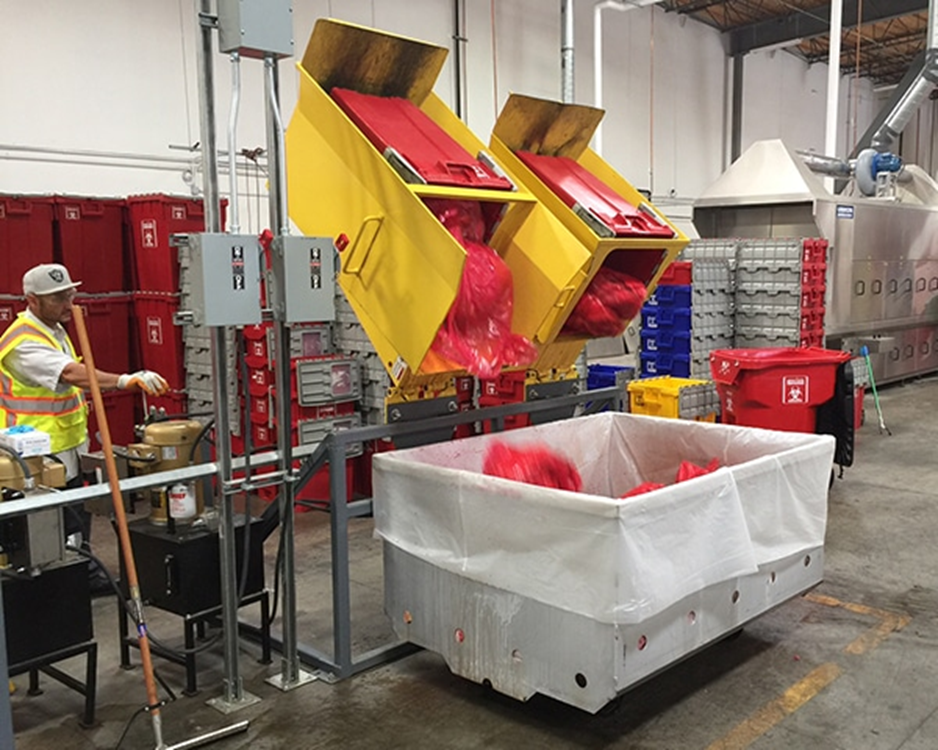
Every red bag that leaves a hospital carries a hidden story. Inside sits a mix of soiled dressings, used sharps, lab cultures, and other materials that can spread infection the moment someone handles them carelessly. A hospital waste autoclave system rewrites that story at the source, because it neutralizes dangerous pathogens inside the building long before a single bag ever reaches a collection truck. Most people walk past that sealed steel chamber without a second thought, yet the work happening inside protects staff, patients, and the surrounding community every single day. So what really goes on behind that door, and why does treating waste on-site matter so much? The Real Danger Hiding in Hospital Waste Bins A busy hospital generates a constant stream of biohazardous material. Think blood-soaked gauze, surgical trimmings, contaminated gloves, used needles, and live laboratory cultures. Until something treats that material, every bag stays potentially infectious, and a torn liner, a careless lift, or a single needle stick can expose a nurse, a custodial worker, or a hauler to serious illness. Federal rules exist precisely because these risks are real. The OSHA Bloodborne Pathogens standard spells out how facilities must handle materials that may carry blood or other infectious fluids, and it places the responsibility squarely on the employer. Volume only raises the stakes, since a mid-sized hospital can fill dozens of containers a day. The goal of any strong waste program is simple. Render that material harmless as early as possible, ideally before it ever leaves the loading dock. What Actually Happens Inside the Chamber An autoclave works on a principle that sounds almost too simple. Saturated steam, high heat, and pressure together destroy living organisms. The cycle starts when the unit seals the load and forces the air out, because trapped air creates cold pockets where pathogens can survive. Once the air is gone, pressurized steam floods the chamber and drives the temperature up to roughly 250 to 270 degrees Fahrenheit. Pressure does the heavy lifting here. It lets steam reach deep into bags, around dense loads, and into the hollow centers of tubing, so heat touches every surface. The unit then holds that temperature long enough to kill bacteria, viruses, fungi, and the tough spores that ordinary disinfectants leave behind. Built-in monitoring tracks temperature and time across the full cycle, and many facilities add chemical indicators and biological spore tests to confirm the load reached true sterilization. You can see how this technology fits into a complete setup on the medical waste autoclaves page, which sits alongside the broader range of medical waste sterilizers built for healthcare environments. It helps to picture a single cycle from start to finish. An operator loads the chamber, seals the door, and starts the run. The unit first conditions the load by pulsing steam to push out trapped air, then it ramps up to the target temperature and holds it for a set exposure time. After the hold, the chamber vents and the pressure drops back to normal, so staff can safely remove the load. The whole sequence usually takes under an hour, and a busy facility runs several cycles a day. Because the machine controls each stage automatically, the outcome stays consistent from one load to the next, which is exactly what a hospital needs when lives depend on the result. Consistency also makes record-keeping simple. Every cycle produces a printout or digital log that captures the temperature curve and the time held, so a facility can show, load by load, that its waste reached true sterilization. That trail matters during inspections, and it gives infection-control teams confidence that nothing slipped through. A reliable autoclave does not just treat waste; it documents its own work, which removes a great deal of guesswork from the entire operation. Why Treating Waste On Site Beats Shipping It Out Off-site disposal means someone hauls untreated, infectious waste across public roads, often several times a week. Every one of those trips adds cost, paperwork, and liability. On-site treatment flips that model. Once an autoclave finishes its cycle, the load becomes non-infectious solid waste that a facility can compact and dispose of through normal channels, which slashes the number of specialized pickups. The benefits stack up quickly. Hauling invoices shrinks, the chain of custody gets shorter and safer, and staff no longer wait on a third party to clear a growing pile of red bags. A complete approach often pairs sterilization with size reduction so the treated material takes up less space, and the medical waste disposal systems Mark-Costello designs bring those steps together. Facilities that want the full picture of how heat-based treatment integrates with daily housekeeping can explore hospital waste sterilization in more detail. The federal view reinforces the value of early treatment, too, since the EPA notes that the disease-causing potential of medical waste is greatest right at the point where it is generated. Signs Your Current Setup Is Falling Behind Equipment ages, and waste volumes climb, so a system that worked five years ago may quietly cost you today. Watch for a few telltale signs. Hauling invoices keep creeping upward, cycle times stretch longer than they used to, breakdowns interrupt the workflow, and documentation gaps start showing up during inspections. Any one of these points to a setup that no longer matches the facility, and it usually signals a good moment to reassess capacity, reliability, and treatment validation before a small problem turns into a compliance headache. Where an Autoclave Fits in the Bigger Waste Picture Sterilization rarely works alone. The strongest hospital programs surround the autoclave with a few supporting steps that make the whole operation smoother. Carts and lift systems bring waste to the unit without heavy manual handling, size reduction shrinks the treated load so it takes up less space, and clear staging keeps treated and untreated material from ever mixing. When these pieces work together, the autoclave becomes the center of a clean, predictable flow rather than a standalone box in the corner. Staffing …
What Is a Medical Waste Autoclave and How Does It Work?
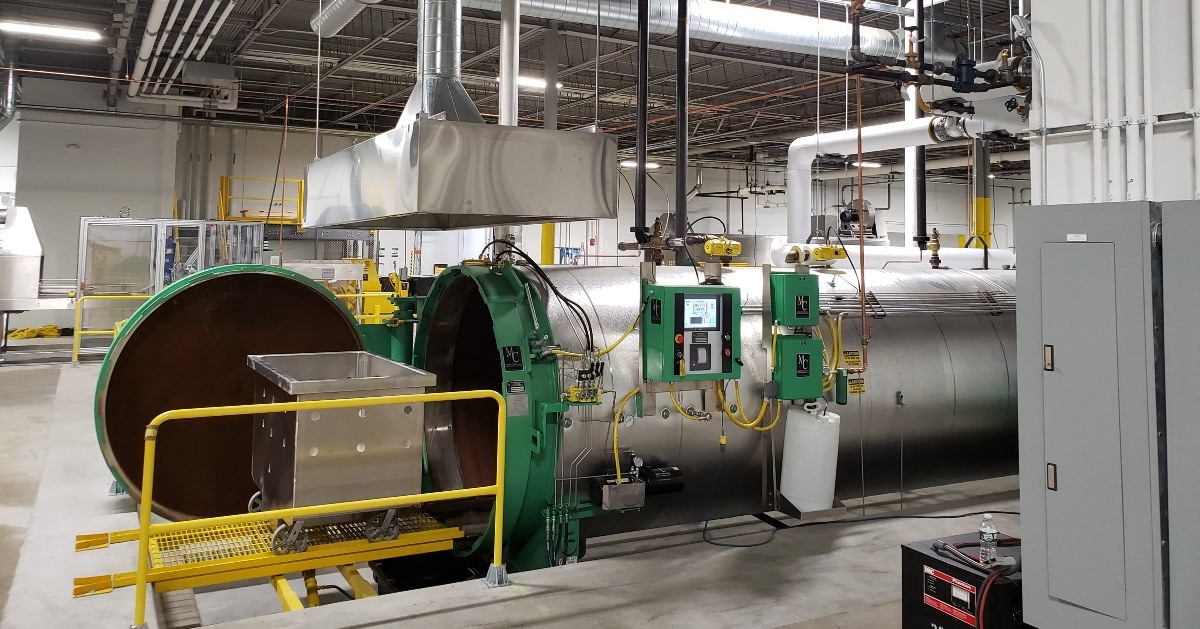
Every day, hospitals, clinics, and laboratories across the country generate hundreds of pounds of waste that cannot go anywhere near a regular trash bin. Sharps, blood-soaked dressings, microbiological cultures, and pathological specimens all fall into the category of regulated medical waste, and disposing of them incorrectly carries serious legal and public health consequences. A medical waste autoclave is the most trusted technology for neutralizing this waste before it leaves a healthcare facility, and understanding how it works gives administrators the foundation to make smart decisions about compliance, equipment, and long-term costs. What Counts as Medical Waste, Anyway? Not every piece of trash generated inside a hospital qualifies as regulated medical waste. Standard paper, food packaging, and general office waste generally do not. But the categories that do fall under regulation are strictly defined, and mishandling them carries real penalties. The EPA classifies regulated medical waste as materials including sharps, microbiological cultures, blood and blood products, pathological waste, and any materials that have come into contact with infectious substances. Once a facility generates these materials, federal and state rules govern how they must be contained, treated, and ultimately disposed of. The health risks driving those regulations are serious. Exposure to improperly handled medical waste can transmit bloodborne pathogens, including hepatitis B, hepatitis C, and HIV. OSHA’s Bloodborne Pathogens Standard requires healthcare employers to maintain written exposure control plans and specific procedures for handling contaminated materials from the point of generation through final disposal. Facilities that fall short of these obligations face fines, enforcement actions, and significant legal exposure. Here is the important upside: once regulated medical waste is properly sterilized, most states allow it to be reclassified as ordinary municipal solid waste and disposed of through standard channels. That reclassification is exactly what a medical waste autoclave makes possible, and it sits at the center of why on-site autoclaving has become the standard approach for facilities serious about controlling compliance and disposal costs simultaneously. So What Is a Medical Waste Autoclave? A medical waste autoclave is a sealed pressure vessel that uses high-temperature saturated steam to destroy the pathogens present in regulated medical waste. The science is straightforward: sufficient heat and moisture, applied for long enough, kill bacteria, viruses, fungi, and even highly heat-resistant bacterial endospores, rendering contaminated materials biologically inert and safe for routine disposal. Autoclaves have served healthcare settings for well over a century, originally sterilizing surgical instruments and laboratory equipment. Medical waste autoclaves apply the same proven science at a much larger scale, processing full loads of bagged waste rather than individual instruments. They remain the preferred method over alternatives like incineration, chemical treatment, or microwave sterilization because they produce no toxic emissions, work across a wide range of waste types, carry well-established regulatory acceptance in virtually every state, and offer a cost-effective compliance path that facilities can sustain long-term. The medical waste autoclave systems available today range from compact units suited to smaller clinical settings to large-capacity systems built for major hospital campuses, giving facilities options that match their specific volume and operational footprint. How the Sterilization Cycle Actually Works The sterilization process inside a medical waste autoclave follows a precise sequence, and every step in that sequence matters for treatment effectiveness. Loading. Staff load bagged medical waste into the chamber, typically in biohazard-labeled red bags or rigid sharps containers. How waste gets loaded affects how thoroughly steam reaches every part of the load. Operators follow specific guidelines on bag weight, fill levels, and chamber loading patterns to avoid creating dense pockets that block steam penetration. Air removal. This step is more critical than most people realize. Any air remaining in the chamber creates zones where steam cannot fully contact the waste, leaving cold spots where pathogens can survive. The method of air removal depends on the autoclave configuration, covered in the next section. Steam introduction and temperature rise. With air removed, pressurized steam enters the chamber, and the temperature climbs rapidly. The most common treatment temperature is 121°C (250°F) at 15 psi, though some systems run at 134°C (273°F) for faster cycle times. Dwell phase. The chamber holds at the target temperature and pressure for a set period, typically 30 to 60 minutes at 121°C. This is where sterilization occurs. Heat and moisture penetrate the waste load and destroy microbial life throughout, including the most resistant organisms. Exhaust and cool-down. Steam vents from the chamber, pressure drops, and temperature falls to a safe level before the door opens. The treated waste can now exit the regulated medical waste stream. Three factors determine whether a cycle achieves sterilization: temperature, time, and steam penetration. A cycle that reaches the right temperature but cuts the dwell phase short, or one where poor air removal leaves cold zones, may fail to fully sterilize the load. Proper equipment design, correct loading practices, and routine validation testing work together to prevent these failures. Gravity Displacement vs. Pre-Vacuum Autoclaves Medical waste autoclaves fall into two main configurations, and the right choice depends on the waste type and volume a facility generates. Gravity displacement autoclaves introduce steam from the top of the chamber. Steam, being less dense than air, naturally forces air downward and out through a drain at the bottom. These systems are mechanically simpler, generally less expensive upfront, and easier to maintain over time. They work reliably for waste loads that are not too densely packed, where steam can migrate through the load without significant obstruction. Pre-vacuum (prevacuated) autoclaves use a mechanical vacuum pump to actively pull air out of the chamber before steam enters. Mechanical air removal is faster and more thorough than relying on gravity displacement, and it allows steam to penetrate dense, tightly packed bags of mixed regulated waste far more effectively. For the kind of heavy, compacted loads that large hospitals generate daily, pre-vacuum systems deliver more consistent sterilization across every part of the load and do it faster, which matters when throughput is a priority. Most smaller clinics and lower-volume facilities operate …
Continue reading “What Is a Medical Waste Autoclave and How Does It Work?”