
Blog
Why Solar-Powered Garbage Compactors Are the Future of Waste Management

Waste management is an issue that affects all of us—whether we live in bustling cities or quiet rural towns. As populations grow and consumption increases, so does the amount of waste we generate. Traditional waste disposal methods, such as open dumpsters and frequent garbage truck pickups, are not only inefficient but also harmful to the environment. Overflowing bins, excessive fuel consumption, and rising operational costs make it clear that we need a better, more sustainable way to manage our waste. That’s where solar-powered garbage compactors come in. These innovative waste management solutions use solar energy to compact waste, reducing volume and increasing efficiency. By leveraging renewable energy and smart technology, they minimize waste collection trips, lower costs, and significantly reduce environmental impact. More and more cities, businesses, and public spaces are adopting these compactors as a step toward a cleaner and more sustainable future. Understanding Solar-Powered Garbage Compactors Solar-powered garbage compactors are exactly what they sound like—waste bins equipped with a compaction mechanism powered by solar energy. Unlike traditional trash bins that fill up quickly and require frequent emptying, these compactors compress waste, allowing them to hold up to five times more garbage than standard bins. At the heart of these compactors are solar panels, which capture and store energy from the sun to power the compaction process. Many models also come with smart sensors that detect when the bin is full and send automated alerts to waste management teams, ensuring timely collection without unnecessary pickups. This combination of solar power and automation makes these compactors a game-changer in waste management. The Benefits of Solar-Powered Garbage Compactors Managing waste efficiently is a growing challenge for cities, businesses, and public spaces. Overflowing trash bins, frequent waste collection trips, and rising operational costs make traditional waste management methods inefficient and unsustainable. Solar-powered garbage compactors offer a smart solution by using renewable energy to compress waste, reducing collection frequency, cutting costs, and minimizing environmental impact. These compactors not only help keep public spaces cleaner but also contribute to sustainability efforts by lowering carbon emissions and reducing landfill waste. Let’s explore the key benefits of adopting solar-powered garbage compactors and how they are transforming waste management. Environmental Benefits One of the biggest advantages of solar-powered garbage compactors is their positive impact on the environment. Unlike traditional waste bins that require constant monitoring and frequent pickups, these compactors reduce the number of waste collection trips, cutting down on fuel consumption and greenhouse gas emissions from garbage trucks. Additionally, because the compactors compress waste, they help prevent landfill overflow—a growing concern in many cities. With less waste volume, fewer landfills are needed, and existing ones can be used more efficiently. These compactors also contribute to cleaner public spaces by reducing litter overflow, which improves air quality and helps control pests and odors. Economic Benefits Municipalities and businesses spend millions of dollars annually on waste collection. Traditional trash bins fill up quickly, requiring frequent pickups that drive up fuel, labor, and maintenance costs. Solar-powered compactors, on the other hand, reduce the need for frequent waste collection, saving money on fuel and truck operations. The initial investment in solar-powered compactors is quickly offset by the long-term savings they generate. Businesses, parks, and public spaces can benefit from lower operational costs, while cities can reallocate waste management budgets to other critical infrastructure projects. Operational Efficiency Efficiency is key in modern waste management, and solar-powered compactors offer several advantages over traditional waste bins. Thanks to real-time monitoring, waste management teams know exactly when a bin is full, reducing unnecessary collections. This not only improves operational efficiency but also allows cities and businesses to optimize waste collection routes, saving time and resources. Another significant advantage is the increased waste storage capacity. Because the compactors compress waste, they can hold four to five times more garbage than regular bins. This means fewer overflows, fewer complaints from residents, and cleaner, more organized public spaces. How Solar-Powered Compactors Are Revolutionizing Waste Management? Many cities, businesses, and organizations are already recognizing the benefits of solar-powered garbage compactors. Urban centers like New York, San Francisco, and Boston have integrated these compactors into their waste management systems to cut costs and improve cleanliness. Public parks, shopping malls, airports, and college campuses are also adopting these compactors as part of their sustainability initiatives. By reducing waste collection frequency and making better use of renewable energy, these compactors are playing a critical role in helping businesses and municipalities achieve their environmental goals. Overcoming Challenges in Implementation Despite the many benefits, transitioning to solar-powered garbage compactors does come with some challenges. The initial investment can be higher than traditional waste bins, which can deter some municipalities and businesses from making the switch. However, funding opportunities—such as government grants, public-private partnerships, and sustainability incentives—are available to help offset the costs. Another challenge is integrating these compactors into existing waste management systems. Waste management teams need to be trained to understand the new technology, optimize collection routes, and use the real-time monitoring systems effectively. However, with the right planning, cities and businesses can seamlessly incorporate solar-powered compactors into their existing waste disposal infrastructure. Public awareness is also key to successful adoption. Educating communities and employees on the benefits of these compactors can encourage responsible waste disposal habits and help maximize their effectiveness. Simple efforts like signage, community outreach, and digital campaigns can make a significant difference in encouraging widespread use. The Mark-Costello Co.: Leading the Way in Sustainable Waste Solutions We understand that waste management is evolving, and sustainability is no longer optional—it’s essential. As a leader in innovative waste management solutions, we provide high-quality, reliable solar-powered garbage compactors that help businesses, municipalities, and organizations take control of their waste efficiently and responsibly. Our compactors are designed with state-of-the-art solar technology, smart sensors, and durable materials, ensuring long-term performance and maximum efficiency. Whether you’re a city looking to optimize waste collection, a business aiming to reduce costs, or a public space seeking to improve cleanliness, we have the right solution for …
Continue reading “Why Solar-Powered Garbage Compactors Are the Future of Waste Management”
Maximizing Efficiency with Horizontal Balers for Waste Management

Waste management has become one of the biggest challenges for businesses and industrial facilities in recent years. As industries continue to expand, the volume of waste produced has skyrocketed, and traditional methods of waste disposal, like trash bins and occasional dumpster pickups, are no longer sufficient. Companies and organizations are increasingly seeking smarter, more efficient solutions to handle waste, reduce environmental impact, and cut operational costs. With the growing emphasis on sustainability, businesses are under pressure to adopt more environmentally friendly practices, such as recycling and reducing landfill waste. This is where horizontal balers come in. These advanced machines have revolutionized the waste management process by enabling businesses to handle large volumes of waste quickly and efficiently. Horizontal balers streamline waste handling, compressing materials into compact bales that are easier to store, transport, and recycle. In industries ranging from manufacturing to retail, horizontal balers have become crucial tools for optimizing waste disposal and improving recycling efforts, all while reducing costs and supporting sustainability initiatives. In this blog, we’ll explore how horizontal balers can help businesses maximize efficiency, save money, and improve their recycling processes. The Power and Purpose of Horizontal Balers Horizontal balers are powerful machines designed to compact large quantities of waste materials into tight, uniform bales. These bales can then be easily stored, transported, and processed for recycling. The key difference between horizontal balers and other types of balers, such as vertical balers, is the way the compaction force is applied. While vertical balers compress materials from the top down, horizontal balers apply horizontal pressure, resulting in denser and more uniform bales that can handle larger volumes of waste. Horizontal balers are particularly well-suited for industries that generate high volumes of waste, such as manufacturing plants, large retail operations, distribution centers, and recycling facilities. The capacity to handle a larger load at once, combined with the ability to automate the process, makes horizontal balers a great choice for businesses that need to streamline waste handling while improving efficiency. Unlike vertical balers, which are typically used in smaller, low-volume operations, horizontal balers are designed for high-throughput waste management. They are able to process large quantities of materials—like cardboard, paper, plastics, and metals—into dense bales that can be transported with ease. Horizontal balers are highly customizable and come in various sizes to accommodate different business needs, from small to medium-sized operations to large-scale industrial applications. Key Benefits of Using Horizontal Balers for Waste Management The benefits of using horizontal balers are numerous and can have a significant impact on a business’s waste management process. From increasing efficiency and reducing operational costs to supporting sustainability efforts, horizontal balers offer a comprehensive solution for waste handling. Below, we explore the key advantages of using these machines: Increased Waste Compaction Efficiency One of the most notable benefits of horizontal balers is their ability to compact large volumes of waste into smaller, dense bales. This compression process reduces the volume of waste by up to 80%, significantly lowering the space required for storage and transportation. In busy facilities where waste builds up quickly, horizontal balers help prevent overflow, keeping waste areas organized and free from clutter. Additionally, the reduction in waste volume decreases the frequency of waste pickups, which not only saves time but also cuts down on hauling and landfill fees. Businesses that generate large amounts of recyclable materials can now handle them more efficiently, improving both workflow and waste management. Optimized Recycling Process Horizontal balers optimize the recycling process by facilitating the separation, bundling, and compression of recyclable materials such as cardboard, plastics, paper, and metals. By compressing these materials into bales, businesses make it easier for recycling centers to process them and reduce the contamination of recyclables. This process not only helps improve recycling rates but also ensures that valuable materials are efficiently recovered and reused, contributing to the circular economy. The bales created by horizontal balers are also easier to store and transport, ensuring that recyclable materials reach the proper recycling facilities in a timely manner. For businesses committed to sustainability, horizontal balers are a key tool for optimizing recycling efforts and reducing environmental impact. Improved Workplace Cleanliness and Safety Horizontal balers help businesses maintain cleaner, safer workspaces by reducing clutter and waste buildup. Waste that is not compacted or contained can create tripping hazards, fire risks, and unsightly messes that compromise safety and overall cleanliness. By compressing waste into neat, uniform bales, horizontal balers keep waste organized and secure. This not only creates a cleaner work environment but also helps reduce the risk of accidents. For industries where cleanliness and safety are paramount, such as manufacturing plants or warehouses, horizontal balers are an essential tool in promoting a safer, more productive workplace. In addition, by automating the waste compaction process, businesses can save time and reduce the labor needed to manage waste manually. Cost Savings and Operational Efficiency The use of horizontal balers can significantly reduce operational costs by decreasing the frequency of waste collection and optimizing the waste compaction process. With less waste to haul and transport, businesses can cut back on transportation costs associated with waste management. In addition, horizontal balers help reduce labor costs by automating the compaction and bundling of waste. Rather than relying on manual labor to manage waste, businesses can use horizontal balers to streamline the process, freeing up resources for other tasks. Over time, these cost savings can add up, making horizontal balers a valuable long-term investment for businesses looking to improve their operational efficiency. Environmental Benefits In addition to improving operational efficiency and reducing costs, horizontal balers offer significant environmental benefits. By compacting waste and reducing its volume, horizontal balers help businesses decrease their carbon footprint by reducing the number of waste collection trips required. Fewer trips to the landfill mean fewer emissions from trucks, contributing to a reduction in greenhouse gas emissions. Furthermore, horizontal balers support businesses in meeting environmental regulations by making it easier to segregate recyclable materials and comply with sustainability initiatives. For companies focused on sustainability …
Continue reading “Maximizing Efficiency with Horizontal Balers for Waste Management”
The Benefits of a Trash Compactor: How It Can Simplify Waste Disposal
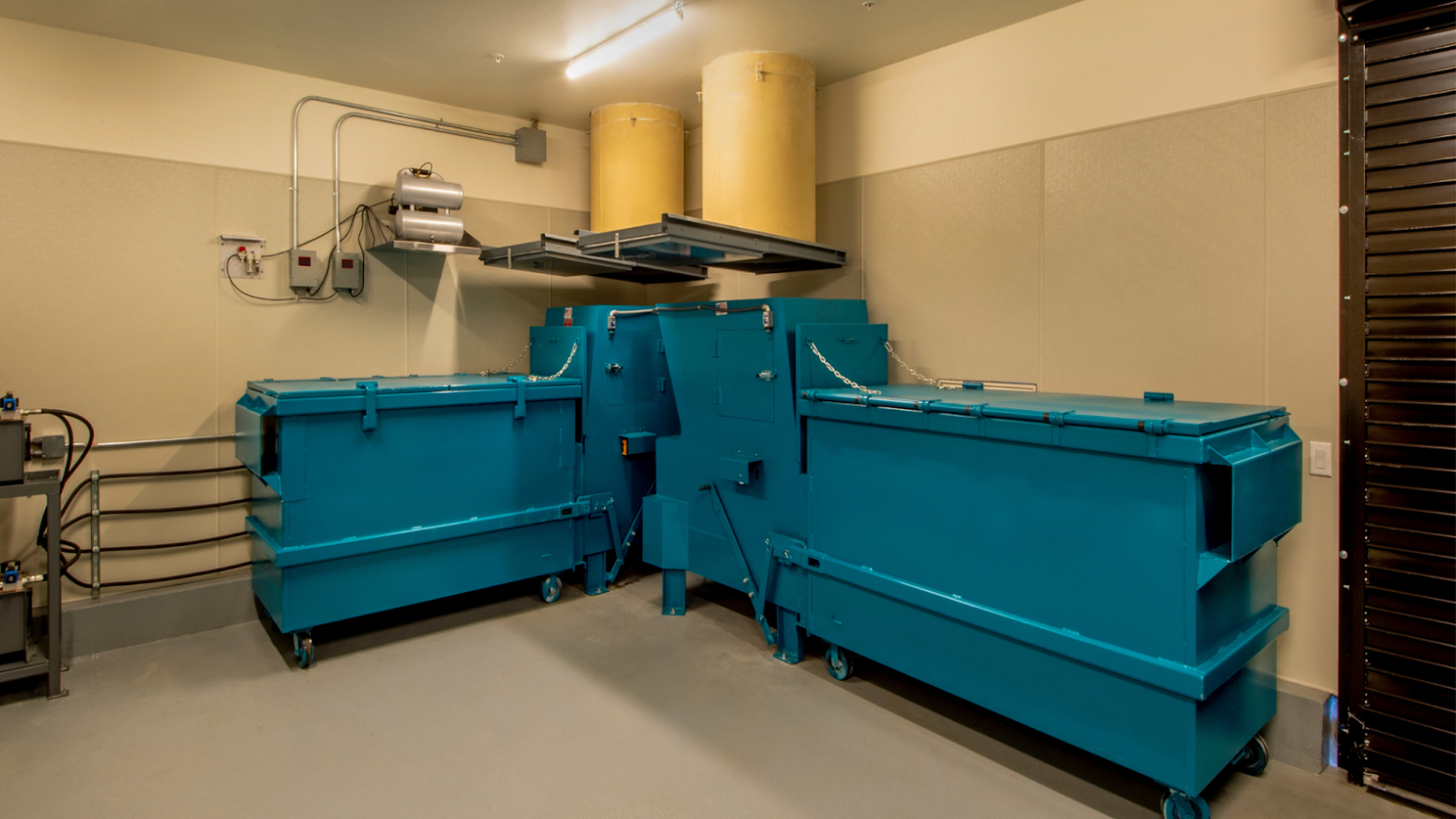
If you’re like most people, managing waste is something you deal with every single day—yet it never seems to get any easier. Whether it’s overflowing trash bins at home, piles of waste in commercial spaces, or unsightly dumpsters in apartment complexes, waste management can quickly become an overwhelming task. The constant cycle of throwing away trash, hauling bins, and dealing with unsanitary conditions becomes more of a hassle than it should be. And let’s not forget about the odors and the attraction of pests that often accompany improperly managed waste. Traditional waste disposal methods simply aren’t cutting it anymore. This is where a trash compactor can come to the rescue. If you’re tired of dealing with the same waste problems day in and day out, a trash compactor offers a streamlined solution that not only reduces the volume of waste but also improves cleanliness and sustainability. In this blog, we’ll break down the many benefits of using a trash compactor and how it can simplify waste disposal, whether you’re handling it at home, at a business, or in a multi-unit building. Exploring the Functionality of a Trash Compactor A trash compactor is a machine designed to reduce the volume of waste by compressing it into smaller, more manageable units. Instead of filling up bags and bins that pile up quickly and become unwieldy, a trash compactor uses mechanical force to condense the trash, making it much easier to store, manage, and dispose of. These compactors are commonly used in residential, commercial, and industrial spaces, and they can be customized to fit the unique waste disposal needs of each environment. There are several types of trash compactors, each designed to cater to different types of waste management: Residential Compacting Systems: These are smaller machines designed for home use. They help reduce the amount of trash in households, making it easier to manage waste without having to take out the trash constantly. Commercial and Industrial Compacting Systems: For larger businesses and industrial facilities, trash compactors can handle higher volumes of waste. These systems are built to withstand heavy use and are ideal for environments like restaurants, warehouses, and factories. Apartment and High-Rise Building Compactors: In multi-unit buildings, trash compactors are often placed in communal trash rooms. They help manage the waste from multiple units, making it more efficient to dispose of trash and keeping shared spaces cleaner. Regardless of the setting, a trash compactor is a powerful tool that simplifies waste disposal, saving both time and effort while reducing the environmental impact. The Key Benefits of a Trash Compactor One of the primary advantages of using a trash compactor is its ability to significantly reduce the volume of waste. By compressing trash into smaller, more manageable sizes, the compactor minimizes the need for large amounts of storage space. This is particularly useful in homes and businesses where waste can quickly pile up, taking up precious space in trash bins or dumpsters. With a compactor, you’ll find that fewer trash bags are needed, and waste storage areas remain organized and tidy. For example, instead of needing several trash bags or bins to hold the same amount of waste, a compactor condenses it into a smaller, denser form, reducing clutter and saving space. Another major benefit of a trash compactor is its ability to minimize odors and pest problems. Trash left in open bins or dumpsters can often emit foul odors that linger in the surrounding area, especially if waste is left for too long. This can be particularly problematic in communal spaces, such as apartment buildings or commercial properties, where multiple people share waste areas. A trash compactor helps contain odors by sealing the trash inside a compacted unit, preventing smells from escaping and spreading. Additionally, compacting trash reduces the attraction of rodents, insects, and other pests, which are often drawn to food waste and overflowing bins. By keeping trash sealed and contained, a compactor helps maintain a cleaner, more sanitary environment. In addition to improving hygiene, a trash compactor can also lead to lower waste collection costs. Traditional waste disposal methods often require frequent pickups, which can quickly add up in terms of hauling and landfill fees. However, because a trash compactor reduces the amount of waste, the frequency of collection can be decreased, leading to lower costs. Fewer trash pickups mean fewer trips to the landfill, which not only saves money but also reduces the carbon footprint associated with waste disposal. This makes trash compactors an environmentally friendly option for businesses and residential buildings looking to reduce both their waste and their expenses. Using a trash compactor can also enhance sustainability efforts. In today’s world, many people are looking for ways to reduce their environmental impact, and a trash compactor can help in this regard. By reducing the volume of waste, compactors make it easier to separate recyclable materials from general waste, encouraging responsible disposal. Additionally, because compactors reduce the number of pickups required, they help decrease the number of vehicles on the road, further reducing carbon emissions. For businesses and individuals who are committed to sustainability, a trash compactor offers a practical solution to waste reduction while supporting green initiatives. Finally, a trash compactor saves both time and effort. Managing waste can be a time-consuming task, especially if you are frequently taking trash out to the dumpster or sorting through overflowing bins. A compactor eliminates the need for daily trips to the trash collection area, as it reduces the amount of waste that needs to be disposed of at any given time. This is particularly helpful in high-traffic environments, such as apartment complexes or commercial spaces, where waste disposal can otherwise become a constant task. By simplifying the process, a trash compactor frees up time and energy for other activities. How to Use a Trash Compactor Effectively? To get the most out of your trash compactor, it’s important to use it correctly. One of the first things to consider is sorting your waste properly. While a compactor is designed …
Continue reading “The Benefits of a Trash Compactor: How It Can Simplify Waste Disposal”