Blog
Advanced Medical Waste Sterilization Systems for Healthcare Facilities
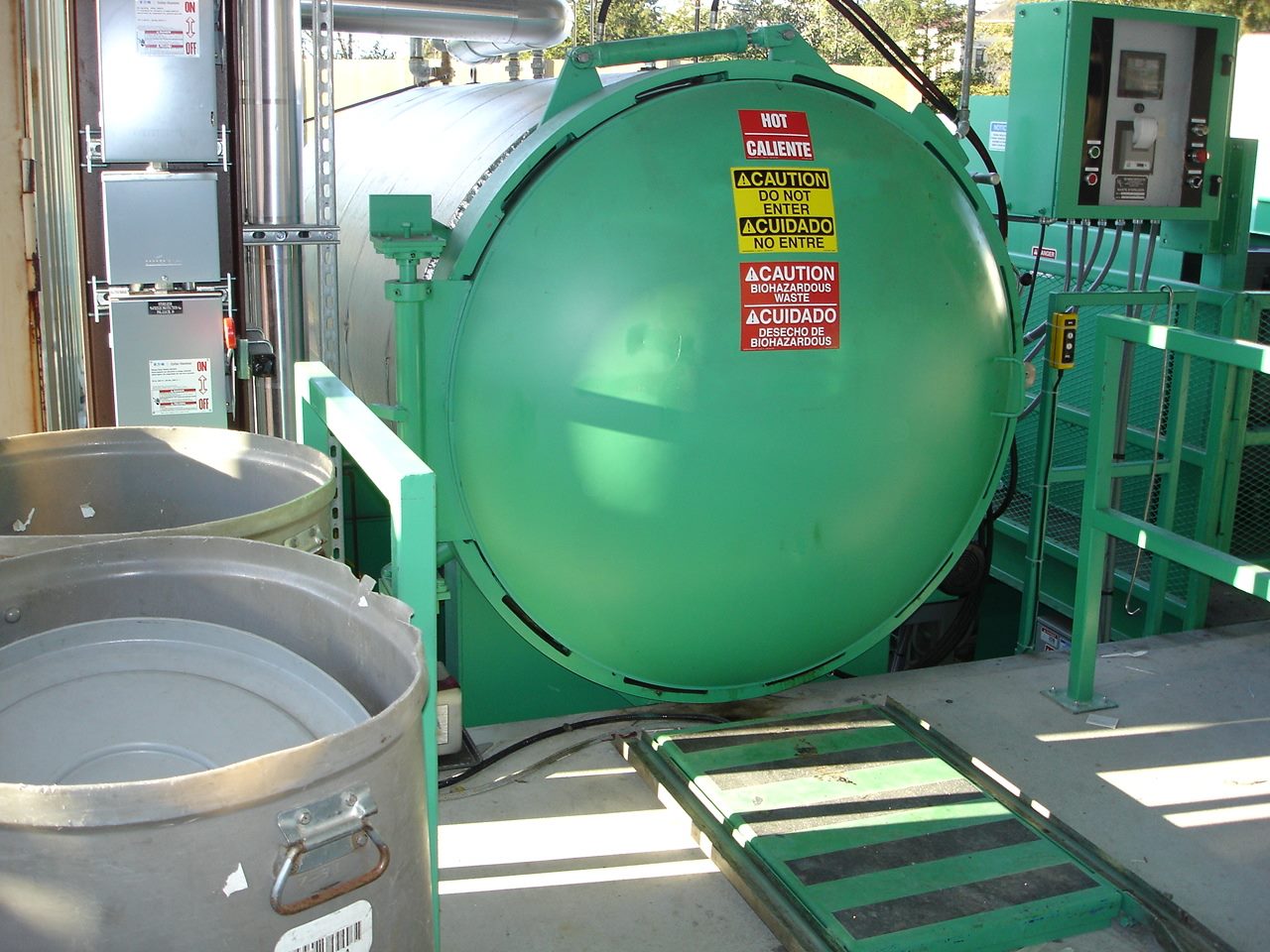
If you work in healthcare, you know managing medical waste is a daily challenge that goes beyond simply getting rid of garbage. The stakes are high—every piece of waste, from used gloves to contaminated sharps, carries the potential for harm if not handled properly. It’s not just about safety; it’s about protecting your staff, your patients, and the environment. As healthcare facilities grow and regulations become stricter, the need for effective, sustainable waste management solutions has never been greater. At The Mark-Costello Co., we’ve seen how advanced medical waste sterilization systems can make a real difference. These systems are designed to simplify the process, ensure safety, and support your facility’s commitment to sustainability. Let’s explore how they work and why they’re transforming healthcare waste management. Exploring Medical Waste Sterilization Systems Medical waste sterilization systems are specialized technologies designed to treat and neutralize hazardous medical waste. Unlike traditional disposal methods such as incineration or landfilling, sterilization systems use advanced processes like high-pressure steam, heat, and microwave energy to eliminate pathogens and make waste safe for disposal or recycling. At their core, these systems are built to address two critical needs: ensuring safety and reducing environmental impact. High-pressure steam autoclaves, for instance, use temperatures exceeding 250°F (121°C) to sterilize waste, effectively killing harmful microorganisms. Similarly, microwave systems utilize electromagnetic energy to neutralize infectious waste. What sets these systems apart is their ability to combine safety, efficiency, and eco-friendliness, making them the preferred choice for healthcare facilities looking to modernize their waste management practices. Benefits of Advanced Medical Waste Sterilization The benefits of using advanced medical waste sterilization systems go beyond just compliance. These systems redefine waste management by offering a host of advantages: Superior Pathogen Elimination: Advanced systems ensure complete sterilization, neutralizing all harmful pathogens and hazardous materials. This safeguards both healthcare workers and the surrounding community. Eco-Friendly Operations: Unlike incineration, sterilization systems significantly reduce emissions and waste byproducts. They align with sustainability initiatives, helping facilities meet environmental goals without compromising efficiency. Regulatory Compliance: With state and federal regulations becoming increasingly stringent, these systems help facilities meet and exceed waste management standards, minimizing the risk of fines and penalties. Cost Efficiency: While the initial investment may seem significant, the long-term savings on waste transportation, disposal fees, and regulatory compliance make these systems a cost-effective choice. We’re proud to offer sterilization solutions that deliver these benefits while making waste management safer and more sustainable. How Advanced Systems Work? Advanced medical waste sterilizer systems are designed to integrate seamlessly into healthcare workflows, ensuring that waste disposal is efficient and hassle-free. Here’s how the process typically works: Loading: Waste is collected and placed into the sterilization system, often using automated or semi-automated loading mechanisms to minimize manual handling. Sterilization: Depending on the technology, the system uses high-pressure steam, heat, or microwave energy to sterilize the waste, effectively neutralizing pathogens. Cooling and Compaction: After sterilization, the waste is cooled and compacted to reduce its volume, making it easier to handle and transport. Disposal or Recycling: The treated waste is either sent to a landfill as non-hazardous material or recycled, depending on the type of waste and facility policies. These systems are designed for ease of use, ensuring that healthcare facilities can maintain high safety standards without disrupting their daily operations. Applications Across Healthcare Facilities Advanced sterilization systems have become indispensable across various healthcare settings. Hospitals: With high patient volumes and diverse waste streams, hospitals require robust systems to manage large amounts of hazardous waste efficiently. Clinics and Labs: Smaller facilities benefit from compact sterilization systems that address their specific waste management needs without requiring excessive space or resources. Pharmaceutical Companies: These systems are crucial for safely handling hazardous materials, including expired medications and production waste. Research Institutions: From experimental waste to infectious materials, sterilization systems ensure that research facilities can safely dispose of sensitive waste without compromising safety or compliance. Choosing the Right Sterilization System for Your Facility Selecting the right sterilization system requires careful consideration of your facility’s specific needs. Factors like waste volume, space constraints, and operational requirements play a significant role in determining the best fit. For instance, small clinics may benefit from compact, portable systems that handle moderate waste volumes, while large hospitals might require high-capacity autoclaves designed for continuous operation. Features like automation, user-friendly controls, and energy efficiency can further enhance the system’s usability and cost-effectiveness. Scalability is another important factor, especially for growing healthcare organizations. At The Mark-Costello Co., we work closely with our clients to assess their needs and recommend solutions that deliver long-term value. Why Partner with The Mark-Costello Co. for Sterilization Solutions? When it comes to advanced medical waste sterilization, The Mark-Costello Co. is a trusted name in the industry. With decades of experience in waste management technology, we’ve built a reputation for delivering innovative, reliable, and eco-friendly solutions. Our range of sterilization systems is designed to meet the diverse needs of healthcare facilities, from small outpatient clinics to large-scale hospitals. Each system is built for durability, efficiency, and compliance, ensuring that your facility can handle waste safely and sustainably. What sets us apart is our commitment to partnership. From the initial consultation to ongoing support, we’re here to help you navigate the complexities of medical waste management and choose solutions that align with your goals. Proper medical waste disposal is more than a regulatory requirement—it’s a responsibility. With advanced sterilization systems, healthcare facilities can ensure safety, sustainability, and efficiency all at once. We’re dedicated to helping you meet these goals with cutting-edge technology and unmatched expertise. Let’s work together to transform waste management into an opportunity for progress.
How a Medical Waste Autoclave Ensures Safe Disposal
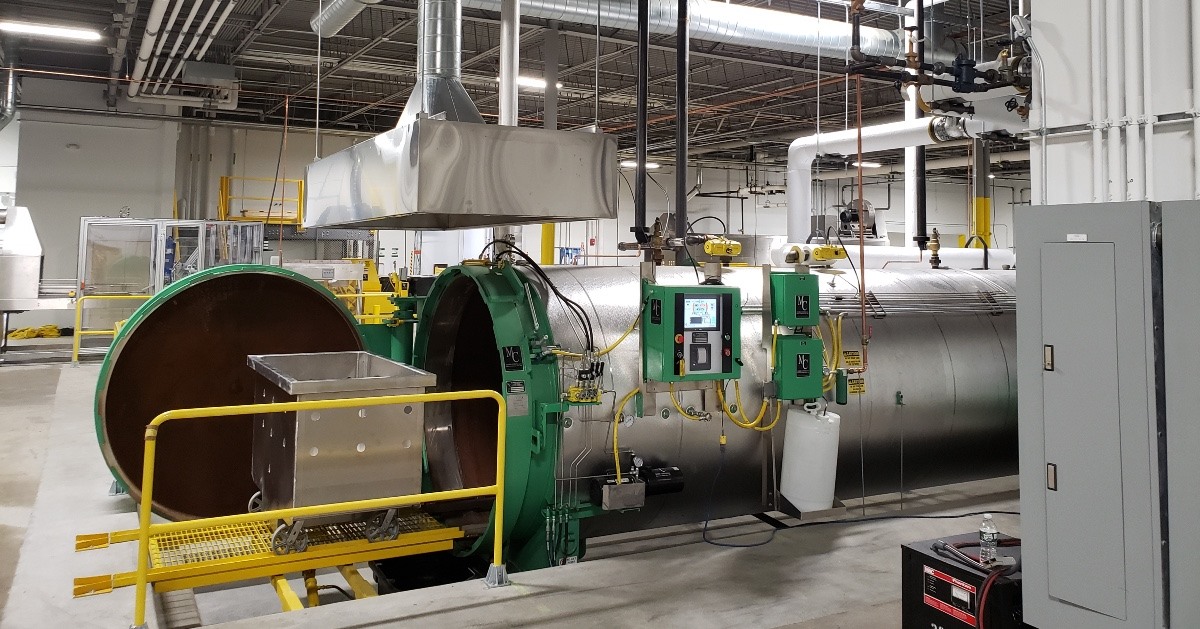
Healthcare facilities face countless challenges every day, but one issue often gets overlooked until it becomes a serious problem—managing medical waste. Whether it’s used syringes, contaminated bandages, or biohazard materials, the sheer volume of waste generated can feel overwhelming. Add in the risks of improper disposal, such as harm to public health or environmental damage, and the stakes get even higher. At Mark-Costello Co., we understand the pressures that come with ensuring medical waste is handled safely and responsibly. That’s where medical waste autoclaves come into play. These innovative devices provide a reliable, eco-friendly solution that not only simplifies disposal but also offers peace of mind. Let’s explore how medical waste autoclaves work and why they’re an essential tool for modern waste management. Understanding the Role of Medical Waste Autoclaves A medical waste autoclave is a specialized device that uses high-pressure steam to sterilize and treat waste. The process, known as autoclaving, involves exposing waste to steam at temperatures above 250°F (121°C). This kills harmful pathogens, neutralizes hazardous materials, and ensures the waste is safe for disposal or further processing. Unlike incineration, which releases harmful emissions into the air, autoclaving is a much cleaner process. It avoids the environmental drawbacks of burning waste while still ensuring that all dangerous materials are rendered harmless. Similarly, compared to landfilling, autoclaving reduces the risk of contamination and provides a more sustainable solution. With its ability to sterilize a wide variety of medical waste, from sharps to biohazardous materials, the medical waste autoclave has become a trusted tool for healthcare facilities worldwide. How Medical Waste Autoclaves Ensure Safety? Medical waste autoclaves are designed to address the unique challenges of healthcare waste management. Here’s how they ensure safety at every step: Complete Sterilization: The high-pressure steam used in autoclaves effectively eliminates pathogens, bacteria, and viruses. This ensures that the treated waste is no longer hazardous, providing peace of mind for healthcare workers and the surrounding community. Eco-Friendly Disposal: Unlike incineration, autoclaving doesn’t produce toxic emissions or ash. The sterilized waste can often be recycled or disposed of safely, aligning with environmental sustainability goals. Regulatory Compliance: Autoclaves help healthcare facilities meet strict regulatory requirements for waste disposal. By adhering to established guidelines, organizations can avoid fines and demonstrate their commitment to safety. Volume Reduction: After sterilization, many autoclaves compact the waste, significantly reducing its volume. This makes handling and transportation easier and more cost-effective. We prioritize safety in every autoclave we design, ensuring that our solutions protect both people and the planet. Applications of Medical Waste Autoclaves Medical waste autoclaves are versatile tools used in a wide range of settings. In hospitals, they play a critical role in treating infectious waste, such as used personal protective equipment (PPE), surgical instruments, and contaminated materials. Clinics and laboratories also rely on autoclaves to handle smaller but equally hazardous amounts of waste. Pharmaceutical companies and research facilities use specialized autoclaves to sterilize waste generated during drug development and testing. These settings often produce complex waste streams that require precise and reliable sterilization methods. By incorporating autoclaves into their waste management practices, healthcare providers not only enhance safety but also support sustainable practices that benefit the entire industry. Benefits of Using a Medical Waste Autoclave The advantages of medical waste autoclaves extend far beyond sterilization. Cost-Effective: Over time, autoclaves can save healthcare facilities significant money by reducing waste volume, cutting transportation costs, and avoiding regulatory fines. Environmentally Friendly: Autoclaves align with green initiatives by minimizing harmful emissions and allowing for safe recycling of sterilized materials. Safety for Healthcare Workers: By sterilizing waste on-site, autoclaves reduce the risk of exposure to dangerous pathogens, protecting the health and safety of medical staff. Scalability: Whether you run a small clinic or a large hospital, there’s an autoclave solution to match your needs. From compact models to high-capacity machines, these devices are built to handle varying waste volumes. We believe that every healthcare provider should have access to the tools they need to manage waste efficiently and responsibly. What to Look for in a Medical Waste Autoclave Selecting the right autoclave can make all the difference in your waste management strategy. Start by considering the size and capacity of the autoclave. Smaller facilities may need compact models, while larger operations require industrial-scale machines. Look for features like automatic loading systems, which streamline operations and reduce manual handling. User-friendly controls are another must-have, ensuring that your staff can operate the autoclave safely and effectively. Long-term durability and maintenance requirements are also key factors. At Mark-Costello Co., we design our autoclaves with energy efficiency and cost-effectiveness in mind, ensuring you get the most value out of your investment. Why Choose The Mark-Costello Co. for Your Medical Waste Autoclave Needs? When it comes to medical waste management, The Mark-Costello Co. is a name you can trust. With decades of experience in designing innovative solutions, we’ve earned our reputation as a leader in the field. Our range of medical waste autoclaves is built to meet the diverse needs of healthcare facilities, from small clinics to large hospitals. Each autoclave is engineered for maximum efficiency, safety, and reliability, ensuring that your waste disposal process is as seamless as possible. We don’t just sell equipment—we partner with you to create a waste management solution that fits your unique needs. From installation to ongoing support, our team is here to ensure your success every step of the way. If you’re ready to transform your waste management practices, we invite you to explore our offerings. Together, we can build a safer, greener future for healthcare.
Efficient Waste Management Solutions with a Vertical Baler
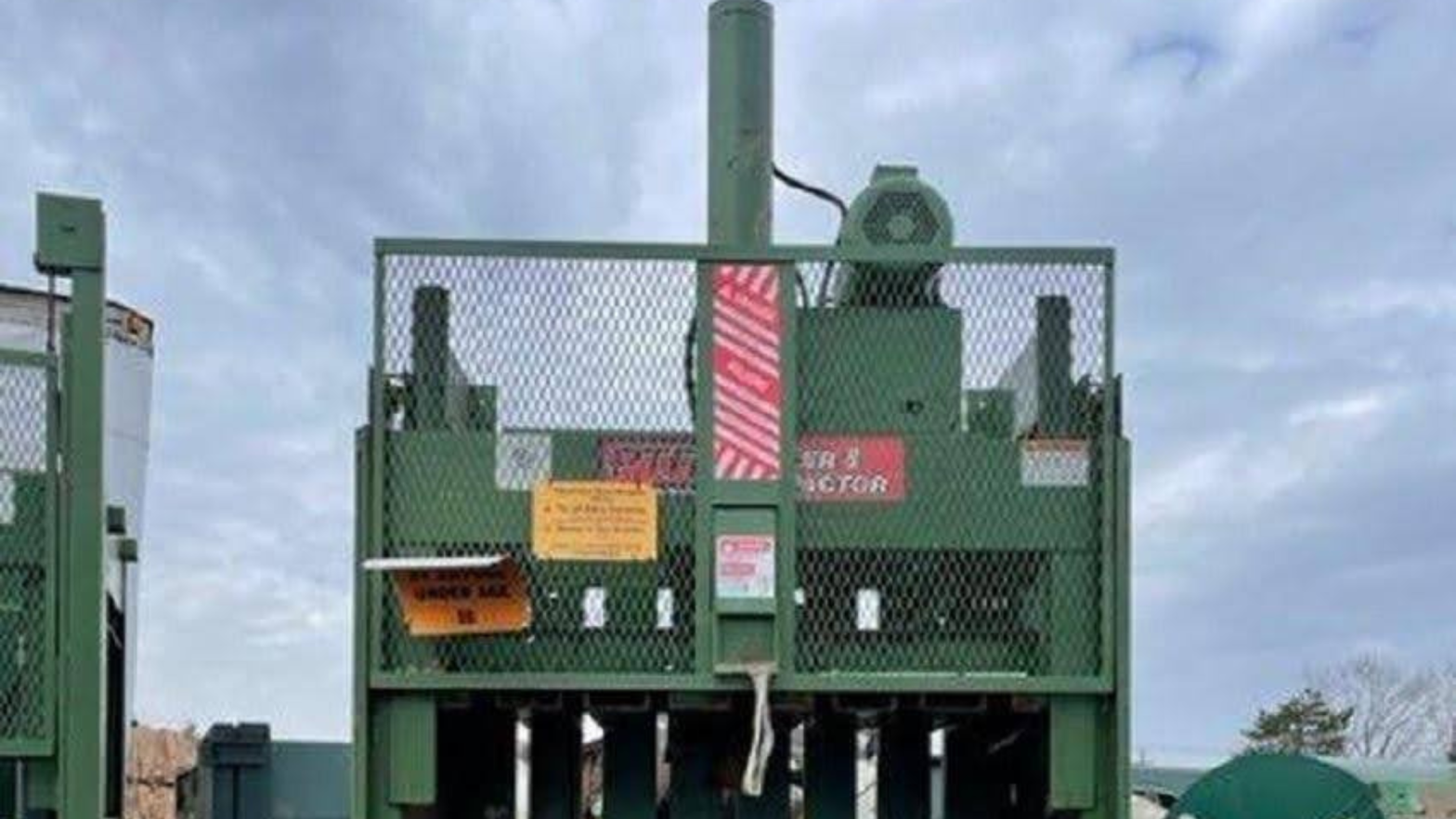
Did you know the average business wastes more on managing trash than on optimizing it? It’s one of those hidden inefficiencies that quietly drain resources while creating chaos behind the scenes. Overflowing dumpsters, cluttered storage areas, and skyrocketing disposal costs can feel like an endless cycle. We understand—it’s frustrating to watch valuable time, space, and money slip through the cracks. At Mark-Costello Co., we’ve helped businesses turn this frustration into opportunity. Vertical balers are a simple yet powerful way to take back control of waste management solutions. By compressing bulky materials into compact bales, you’ll save space, cut costs, and contribute to a greener planet—all while making your operations run smoother. Let’s explore how this game-changing tool can transform your business. What’s Behind the Magic of Vertical Balers? Vertical balers might look straightforward, but their functionality is nothing short of transformative. Here’s how they work: waste materials are loaded into the machine, hydraulics compress them into dense bales, and the result is a neatly packaged bundle that’s easy to store, transport, or recycle. We call vertical balers the “unsung heroes” of waste management because they tackle tasks that often go unnoticed. They’re capable of handling materials like cardboard, plastics, textiles, and more, turning what once seemed like unmanageable waste into an organized and efficient process. With our vertical balers, you’re not just compressing waste—you’re gaining control over your operations, reducing clutter, and promoting sustainability. Benefits of Vertical Balers: More Than Meets the Eye At Mark-Costello Co., we’ve seen firsthand how vertical balers transform businesses. By compressing bulky waste into compact bales, you free up valuable space that can be used more efficiently. This isn’t just about making things tidy; it’s about reclaiming resources that directly impact your bottom line. Our vertical balers also help you save money. Reducing waste volume translates to fewer pickups, which means lower transportation and disposal costs. Additionally, the recyclables you process can generate revenue, making waste management a cost-saving and income-generating activity. Another advantage is sustainability. Businesses today face increasing pressure to adopt eco-friendly practices, and our balers make it simple to meet those goals. By promoting recycling and reducing landfill contributions, you’re helping to create a greener future. With user-friendly controls and safety features, operating a baler is an effortless process, even for those new to the equipment. Surprising Places Where Vertical Balers Make an Impact Vertical balers aren’t just for large-scale factories or warehouses. We’ve provided baler solutions to businesses in industries you might not expect. Retail stores use balers to manage cardboard packaging efficiently, while restaurants and cafes compress their packaging waste to keep spaces clear and organized. We’ve also worked with hospitals, helping them maintain hygiene by compacting paper waste and medical packaging. Schools, universities, and even small businesses have embraced vertical balers for their versatility and space-saving benefits. These machines don’t just manage waste—they create opportunities for businesses to operate more smoothly and sustainably. How to Choose a Vertical Baler That Fits Like a Glove Choosing the right baler is essential, and We guide you through every step of the decision-making process. One of the first things to consider is the space you have available. Our vertical balers are designed to fit various settings, from compact models perfect for small businesses to industrial-sized balers for high-volume operations. It’s also important to evaluate the type of waste you generate most frequently. Whether you’re dealing with cardboard, plastics, or textiles, we’ll recommend a baler tailored to your needs. Safety and compliance features are equally critical. Our balers come equipped with advanced safety mechanisms, ensuring your employees can operate them with confidence and ease. We believe that investing in the right baler is about more than just managing waste—it’s about setting your business up for long-term efficiency and sustainability. Vertical Balers: The Secret to Being Eco-Friendly When you use a vertical baler, you’re not just compressing waste—you’re contributing to a larger environmental effort. At Mark-Costello Co., we’re proud to help businesses like yours reduce their carbon footprint. By turning recyclable materials into compact bales, you’re ensuring they’re easy to transport and process, minimizing the resources required for disposal. Our balers also help businesses keep waste out of landfills, reducing the strain on these overflowing sites. For companies with environmental targets, using a vertical baler aligns perfectly with corporate sustainability initiatives. Together, we can create a cleaner, greener future—one bale at a time. The Mark-Costello Co.: Your Partner in Efficient Waste Solutions At Mark-Costello Co., we’ve spent decades perfecting waste management solutions to meet the unique needs of businesses. Our vertical balers are designed with you in mind—combining durability, efficiency, and ease of use to ensure that every investment delivers long-term value. We’re not just providing equipment; we’re building partnerships. From helping you choose the right baler to offer ongoing support, our goal is to make your waste management process as seamless as possible. Ready to see the difference a vertical baler can make? Explore our range of solutions and let us help you take control of your waste. Visit us to learn more. Together, we can transform your approach to waste management, creating a cleaner and more efficient operation for your business.