Blog
How Does Industrial Sterilization Ensure Product Safety and Compliance?

Ever wonder how a tiny medical implant, a sealed bottle of eye drops, or your favorite packaged snack stays perfectly safe until the moment you use it? It’s not magic—it’s industrial sterilization doing its silent, powerful work behind the scenes. In a world where one microscopic contaminant can pose serious risks, sterilization is the unsung hero keeping industries like healthcare, pharmaceuticals, and food processing not only safe but fully compliant with strict regulations. But how exactly does this invisible process protect billions of products every day? And what ensures it’s done right every single time? Let’s peel back the curtain on industrial sterilization and explore how it guarantees safety, extends shelf life, and keeps manufacturers on the right side of the law. Understanding Industrial Sterilization Industrial sterilization is the process we use to eliminate all forms of microbial life from products and their packaging. This includes bacteria, viruses, fungi, and spores. The purpose is simple: make sure that by the time a product reaches the consumer, it’s 100% safe and free from contamination. This process is critical in industries where sterility can be the difference between health and harm. From medical devices and pharmaceuticals to food packaging and personal care items, sterilization is essential. We help companies in all these sectors ensure their products meet safety standards and regulatory requirements through reliable sterilization solutions. Methods of Industrial Sterilization There’s no one-size-fits-all method for sterilization. Depending on the product material, use case, and regulatory guidelines, different approaches are needed. One of the most traditional methods is heat sterilization—either steam or dry heat. Steam sterilization is widely used in hospitals and labs for instruments that can withstand moisture. Dry heat is slower but better for items that would be damaged by steam. Both are effective but limited to heat-tolerant materials. For more delicate items, chemical sterilization steps in. We often work with companies using ethylene oxide (EtO), hydrogen peroxide vapor, or peracetic acid to sterilize sensitive products like catheters or electronics. These chemicals are powerful and efficient, but they do require strict handling procedures to ensure operator safety and environmental compliance. Radiation sterilization is another method we see used, especially in the pharmaceutical and medical supply sectors. Gamma rays and electron beams can sterilize products even through their packaging, making this a preferred method for bulk, prepackaged items. It’s fast, effective, and scalable—but it also requires specialized equipment and safety protocols. Finally, filtration sterilization is ideal for liquids, gases, and materials that can’t tolerate heat or chemicals. This technique removes microorganisms by passing substances through a fine filter, ensuring purity without compromising the material. Ensuring Product Safety Through Sterilization The main objective of sterilization is to make products safe, but that doesn’t happen by chance. There are strict standards to follow, like the Sterility Assurance Level (SAL), which quantifies the probability of a viable microorganism surviving sterilization. Most industries aim for an SAL of 10⁶—that’s a one-in-a-million chance that a single organism remains. We help our clients meet this standard consistently. But killing microbes is only half the battle. Preventing recontamination is just as important. That’s why packaging design, handling procedures, and facility hygiene are critical. We advise our clients to implement airtight packaging systems, invest in training for clean handling, and maintain sanitary processing environments. Quality control is non-negotiable. Every sterilization cycle must be validated with biological and chemical indicators. We always recommend routine testing, detailed documentation, and automated monitoring systems to track each sterilization process. These steps ensure that every cycle performs as expected and every batch meets safety standards. Meeting Regulatory Compliance Sterilization isn’t just about safety—it’s about staying compliant with evolving regulatory standards. Regulatory bodies like the FDA, EPA, and ISO enforce strict rules around how sterilization should be performed, monitored, and documented. As a company deeply embedded in industrial sterilization, we know how crucial it is to stay aligned with these agencies. One of the key pillars of compliance is documentation and traceability. Companies must track every sterilization cycle, maintain detailed lot records, and generate validation reports that can stand up to audits. We help businesses streamline this documentation process with equipment and systems designed for traceability and transparency. Good Manufacturing Practices (GMP) and Standard Operating Procedures (SOPs) are equally important. These best practices ensure that every team member follows consistent, repeatable steps, minimizing risk and increasing accountability. Our equipment and support systems are built with these standards in mind, making it easier for teams to stay compliant without sacrificing productivity. Challenges in Industrial Sterilization Let’s be honest—industrial sterilization comes with its share of challenges. Regulations change, and staying up to date can be overwhelming. Product materials are becoming more complex, and not all sterilization methods are suitable for newer, mixed-material goods. On top of that, businesses are under pressure to operate efficiently while still meeting all compliance requirements. That’s a tricky balance to maintain. But this is where having the right partner makes all the difference. With decades of experience, we help companies navigate these challenges by providing adaptable, scalable solutions. Choosing the Right Sterilization Equipment Partner When it comes to selecting a sterilization system provider, reliability should be at the top of your list. But it doesn’t stop there. You need customizable equipment, comprehensive support, and commitment to environmental compliance. That’s what we deliver at The Mark-Costello Co. Whether you’re a growing biotech startup or an established food packaging company, your sterilization needs are unique—and we treat them that way. We work closely with our clients to tailor systems that fit their operations, meet their regulatory obligations, and support their sustainability goals. The Mark-Costello Co.: The Trusted Leader in Vertical Baling Solutions With over 60 years of industry experience, we have earned our reputation as a trusted leader in industrial waste and sterilization systems. Our equipment is built not just to perform but to perform safely, efficiently, and in full regulatory compliance. We don’t believe in shortcuts. Instead, we focus on delivering innovative solutions that reduce environmental impact and help businesses streamline their operations. …
Continue reading “How Does Industrial Sterilization Ensure Product Safety and Compliance?”
How Has Medical Waste Processing Evolved with Modern Technology

The volume of medical waste being generated around the world has increased dramatically over the last few decades, largely due to advances in modern healthcare. With more single-use devices, higher patient turnover, and increasingly complex medical procedures, hospitals and clinics are producing more waste than ever before. Managing this waste isn’t just about taking out the trash—it plays a crucial role in preventing infections, protecting the environment, and complying with strict regulations. As concerns around safety and sustainability have grown, so too has the need for smarter, more efficient medical waste processing solutions. Thankfully, modern technology has stepped up to the challenge, transforming the way we handle medical waste and introducing systems that are safer, cleaner, and far more effective than traditional methods. A Brief History of Medical Waste Processing Before modern advancements, medical waste processing was relatively straightforward—and risky. Incineration was the go-to method for destroying infectious materials. It was undeniably effective at killing pathogens, but it also released harmful pollutants into the air, raising serious environmental and health concerns. In many cases, waste was sorted and handled manually, putting workers at high risk of needlestick injuries and exposure to infectious materials. There were few standardized procedures, and regulation was minimal. That began to change in the late 1980s when improper waste disposal gained national attention in the U.S., leading to the Medical Waste Tracking Act of 1988. This legislation marked a turning point, prompting stricter oversight and laying the groundwork for modern regulations from agencies like the EPA, OSHA, and the World Health Organization. These developments fueled innovation in medical waste technology, pushing the industry to find cleaner, safer solutions. Key Technological Advancements in Medical Waste Processing The past two decades have seen a wave of technological breakthroughs that have redefined what’s possible in medical waste processing. One of the most significant advancements has been the widespread adoption of autoclaving. This process uses high-pressure steam to sterilize waste, effectively killing bacteria, viruses, and spores without the harmful emissions associated with incineration. Another impressive development is microwave treatment, which uses electromagnetic waves to heat and break down waste at the microbial level. This method is not only energy-efficient but also environmentally friendly. Advanced shredding and compacting technologies have also made a big difference. These systems reduce the volume of waste and make it safer to handle by breaking down sharp or hazardous materials into unrecognizable, inert fragments. On-site waste processing units have gained popularity as well, giving healthcare facilities the ability to treat waste where it’s generated. These self-contained units reduce the need for off-site transport, lowering the risk of contamination and cutting down operational costs. Finally, integrated monitoring and automation systems have made medical waste processing smarter than ever. With IoT-enabled controls, real-time data tracking, and automatic cycle validation, these systems ensure safety, efficiency, and compliance at every step. Environmental and Safety Benefits of Modern Technology The shift toward modern medical waste processing technology has brought significant environmental and safety benefits. Newer systems are designed to drastically reduce emissions, helping facilities lower their environmental impact while staying compliant with air quality regulations. Unlike incinerators of the past, autoclaves and microwave systems don’t produce toxic ash or release harmful gases into the atmosphere. Worker safety has also improved thanks to automated handling processes that limit exposure to hazardous materials. Waste is now often sterilized and shredded in sealed systems, minimizing the risk of spills, punctures, or accidental contact with pathogens. Cross-contamination is much less likely, and sanitation staff can perform their duties with greater confidence and protection. Additionally, advanced sorting capabilities are making it easier to identify recyclable waste, allowing more materials to be safely recovered and reused rather than ending up in landfills. Regulatory Compliance Made Easier Staying on the right side of healthcare and environmental regulations is a top priority for every medical facility, and modern technology has made that job much easier. Systems now come equipped with features like automated documentation, real-time logging, and digital reporting—making audits and inspections far less stressful. With built-in tracking, facilities can easily prove that every batch of waste has been treated according to EPA, OSHA, and state-specific guidelines. These systems also support traceability, allowing administrators to pinpoint exactly when and how waste was processed. This level of detail not only simplifies compliance but also reduces the risk of costly penalties or shutdowns due to non-compliance. In a world where regulations are constantly evolving, having smart, automated tools in place is a game-changer. Challenges in Adopting New Technologies While the benefits of modern medical waste technology are clear, the path to implementation isn’t always smooth. One of the biggest hurdles is the initial investment. Advanced systems can be expensive upfront, especially for smaller clinics or facilities with limited budgets. However, many organizations find that the long-term savings from reduced transportation costs, lower emissions fees, and fewer regulatory issues more than make up for the initial spend. Training is another key challenge. Introducing new equipment often requires staff to learn new processes and systems, which can slow operations if not handled properly. Ongoing maintenance is also crucial. High-tech equipment needs regular calibration and servicing to function correctly, and facilities need access to reliable support teams to avoid downtime. Despite these challenges, the move toward modern systems is well worth the effort, especially when infection control, compliance, and sustainability are on the line. Looking Ahead: The Future of Medical Waste Processing Looking to the future, medical waste processing is set to become even more intelligent, integrated, and environmentally responsible. Artificial intelligence (AI) is expected to play a growing role, with predictive maintenance and real-time optimization helping to keep systems running efficiently. These smart features will allow facilities to identify and fix potential issues before they lead to downtime or safety risks. Integration with hospital management systems is another promising development. In the future, waste tracking could be linked directly to patient care workflows, improving traceability and streamlining operations. Sustainability will continue to be a major focus, with new technologies aiming for zero-waste …
Continue reading “How Has Medical Waste Processing Evolved with Modern Technology”
Why Are Vertical Balers Essential for Efficient Recycling Operations?
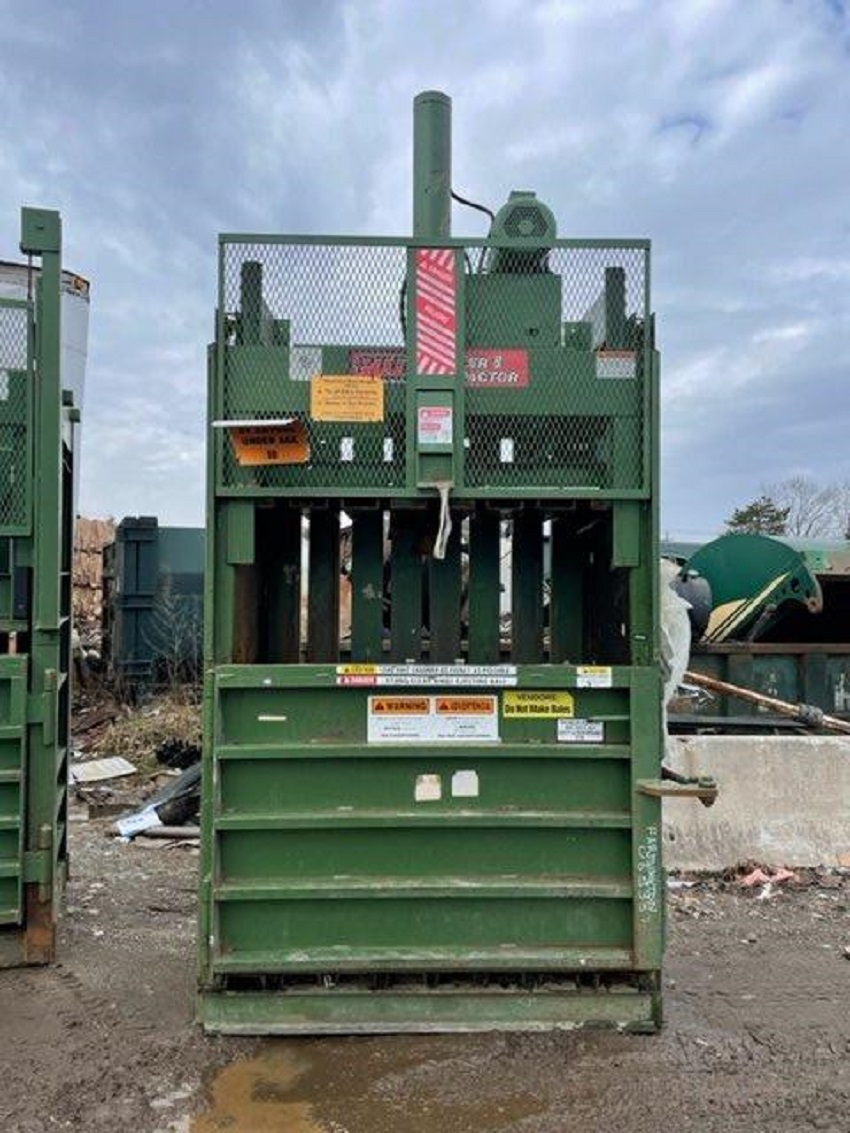
Waste management is no longer a back-end issue—it’s front and center in today’s commercial and industrial operations. With rising landfill costs, tighter environmental regulations, and increasing pressure to meet sustainability goals, businesses are rethinking how they handle recyclable materials. Whether it’s mountains of cardboard in a retail warehouse or plastic wrap from a logistics center, the volume adds up fast—and so do the headaches. That’s where vertical balers come in. These space-saving machines are workhorses in modern recycling workflows, turning bulky, loose recyclables into compact, manageable bales that are easier to store, transport, and even sell. But how do they work, and why are they becoming a must-have in so many industries? Let’s take a closer look at what makes vertical balers such an essential tool in efficient recycling operations. What Is a Vertical Baler? A vertical baler is a machine designed to compress recyclable materials—like cardboard, plastic, and paper—into dense, compact bales. These bales are much easier to handle and transport than loose materials, reducing clutter and optimizing recycling logistics. Here’s how it works in simple terms: materials are loaded into the chamber from the front. Once the chamber is full, the machine activates a vertical ram (hence the name) that compresses the materials with powerful downward force. After a few cycles, the bale is tied off using heavy-duty wire or strapping, and then ejected from the chamber—ready for pickup or storage. Vertical vs. Horizontal Balers You might be wondering, “What’s the difference between a vertical and a horizontal baler?” Great question. Vertical balers are upright machines that are ideal for businesses with limited floor space. They’re generally more affordable and suited for lower to medium waste volumes. Horizontal balers, on the other hand, are larger and typically used in high-volume or continuous-feed applications like recycling centers. For most commercial and industrial facilities, vertical balers strike the perfect balance of power, efficiency, and space-saving design. Benefits of Using Vertical Balers in Recycling Operations When it comes to managing recyclables efficiently, simply tossing materials into a bin doesn’t cut it anymore—especially in busy commercial and industrial settings. That’s where vertical balers shine. These machines do much more than just compress waste—they transform how businesses handle, store, and move recyclables. Whether you’re dealing with piles of cardboard, mountains of plastic wrap, or stacks of paper waste, a vertical baler can bring serious value to your operation. From cutting costs to freeing up space and boosting sustainability, the benefits are both immediate and long-term. Let’s break down why vertical balers are a game-changer for recycling efficiency. 1. Space Optimization: One of the most immediate benefits of using a vertical baler is the massive reduction in volume. These machines can compress recyclables by up to 90%, turning what used to be a mountain of boxes or plastic into neat, stackable bales. This frees up valuable floor space in your facility, allowing for better workflow, additional storage, or even just a cleaner, safer work environment. 2. Cost Efficiency: Waste hauling isn’t cheap, especially when you’re paying to transport air in loose boxes or bags. By baling your recyclables, you can significantly reduce pickup frequency and cut down on disposal costs. Plus, those compact bales of cardboard or plastic? They’re often valuable commodities. Many recycling vendors offer rebates or payments for baled materials, creating a potential revenue stream for your operation. 3. Operational Productivity: Cluttered workspaces slow down employees and increase safety risks. With a baler in place, materials are processed at the source and kept in check. It streamlines recycling efforts and helps keep your team focused on their core tasks rather than wrestling with overflowing bins. Clean facilities are efficient facilities, and vertical balers play a big role in that equation. 4. Environmental Responsibility: Using a vertical baler encourages responsible waste sorting and supports your sustainability goals. Whether you’re aiming to reduce landfill contributions or pursuing green certifications like LEED, baling is a big step forward. It makes recycling easier and more efficient—two things that go a long way toward meeting corporate environmental targets. 5. Compliance with Regulations: In many areas, businesses are subject to waste diversion laws and recycling mandates. Vertical balers help companies stay compliant by ensuring that recyclables are properly separated, stored, and prepared for pickup. Automated tracking and bale records can also support documentation requirements for audits or sustainability reporting. Industries That Benefit Most from Vertical Balers Vertical balers are incredibly versatile and used across a wide range of industries. Retail stores and supermarkets often use them to handle the endless supply of cardboard packaging. Warehouses and logistics centers benefit from managing shrink wrap and packing materials more efficiently. Manufacturing plants use balers to recycle production waste and reduce clutter on the floor. Hospitals and hotels utilize them to manage paper and plastic packaging. Even schools and government facilities are turning to balers to cut waste disposal costs and improve recycling programs. Wherever there’s volume—and a commitment to sustainability—there’s a case for a vertical baler. Key Features to Look for in a Vertical Baler Choosing the right vertical baler depends on your facility’s size, waste volume, and material type. But here are a few must-have features: A compact footprint with strong compression force to maximize volume reduction Safety interlocks and user-friendly controls to protect operators and streamline use A durable, high-quality build that can withstand heavy daily use Compatibility with a range of materials, including cardboard, plastic wrap, and paper Low-maintenance design and access to technical support for smooth operation The right baler should work as hard as your team does—and last for the long haul. Challenges and Considerations Of course, there are some things to think about before jumping in. First, you’ll need to train your team on safe and proper baler operation. It’s not complicated, but safety is always the priority. Second, you’ll want to choose a machine that matches your waste volume—too small, and it’ll be overwhelmed; too large, and you might overspend. Finally, think about bale storage and pickup logistics. Make sure your recycling …
Continue reading “Why Are Vertical Balers Essential for Efficient Recycling Operations?”