
Blog
Why Steel Belt Conveyors Are Essential for Heavy-Duty Material Handling?

Handling heavy materials in industrial settings is no small task. Whether it’s moving scrap metal, industrial waste, bulk raw materials, or high-temperature debris, businesses need a conveyor system that can withstand extreme conditions and continuous operation. Many industries struggle with material handling inefficiencies due to conveyor systems that wear out quickly, break under pressure, or fail to operate reliably in harsh environments. These inefficiencies lead to increased downtime, higher maintenance costs, and reduced productivity. Steel belt conveyors have become the go-to solution for industries that demand durability, efficiency, and long-term reliability. Unlike rubber or plastic conveyor belts, which degrade under heavy loads or high temperatures, steel belt conveyors are built to handle extreme conditions, withstand abrasion, and maintain smooth material flow. This makes them an essential investment for businesses seeking to optimize their material handling processes. An Overview of Steel Belt Conveyors and Their Importance in Material Handling Steel belt conveyors are heavy-duty conveyor systems designed for transporting large, sharp, or high-temperature materials that would quickly damage traditional conveyor belts. They feature a stainless steel or carbon steel belt, which moves materials along a frame supported by rollers or a solid surface. These conveyors are widely used in industries that require high-strength, corrosion-resistant, and temperature-tolerant solutions. Unlike rubber, fabric, or plastic belts, steel belts offer exceptional strength, durability, and resistance to environmental stressors. They do not warp, tear, or degrade when exposed to heat, chemicals, or sharp objects, making them ideal for industries like metal recycling, waste management, foundries, and heavy manufacturing. Because steel belts maintain their integrity over time, businesses can reduce maintenance costs, minimize operational downtime, and increase overall efficiency. Steel belt conveyors are commonly used in industries such as scrap metal processing, automotive manufacturing, mining, recycling, and bulk material handling. These sectors rely on tough and reliable material transport solutions to keep operations running smoothly without frequent interruptions. The Benefits of Steel Belt Conveyors for Heavy-Duty Applications Durability and Strength One of the most significant advantages of steel belt conveyors is their superior durability. These conveyors are designed to handle extreme loads, resist impact, and endure harsh environmental conditions. Unlike rubber belts, which can stretch, tear, or break under pressure, steel belts are built to last. In industries that deal with hot materials, heavy metal components, or abrasive substances, a standard conveyor system simply won’t cut it. Steel belts can withstand high temperatures, sharp edges, and heavy loads without sustaining significant wear and tear. This durability extends the service life of the conveyor system, reducing the frequency of repairs and replacements, which ultimately lowers maintenance costs. Steel belts are also corrosion-resistant, especially when made from stainless steel. This makes them ideal for industries that operate in wet, humid, or chemically aggressive environments, such as food processing plants, chemical manufacturing facilities, and waste treatment centers. Efficiency and Productivity Steel belt conveyors enhance operational efficiency by ensuring smooth and continuous material flow. Unlike traditional conveyor systems, which can become clogged, jammed, or overloaded, steel belt conveyors handle high volumes of materials with ease. Their ability to operate in tough environments reduces downtime and enhances overall productivity. The high-load capacity of steel belt conveyors means businesses can transport more materials in less time, improving throughput and optimizing workflow. Their customizable configurations allow companies to tailor their conveyor systems to meet specific operational needs, whether that involves angled inclines, automated sorting, or integration with other machinery. Another key efficiency advantage is the reduced need for frequent repairs. Traditional belts often experience wear and tear, leading to unplanned maintenance and disruptions. With steel belt conveyors, businesses can increase uptime and maintain a more consistent production schedule. Versatility in Industrial Applications Steel belt conveyors are used across multiple industries due to their versatility and ability to handle diverse materials. They are commonly found in recycling centers, steel mills, mining operations, and waste processing plants, where materials such as scrap metal, molten steel, construction debris, and bulk waste need to be transported efficiently. These conveyors can also be integrated into automated systems, enabling businesses to streamline operations further. Many industries use steel belt conveyors in conjunction with robotic handling systems, crushers, and balers to create a seamless material processing workflow. Their ability to handle both heavy loads and fine materials makes them ideal for a wide range of applications. Environmental and Safety Advantages In addition to improving efficiency, steel belt conveyors also offer environmental and safety benefits. Because they are designed to reduce material spillage, they help keep facilities cleaner and safer. Unlike rubber belts, which can become a fire hazard in high-temperature environments, steel belts do not burn or release toxic fumes, making them much safer for use in foundries and other heat-intensive industries. Steel belt conveyors also help companies reduce their environmental footprint by improving material handling efficiency and minimizing waste losses. In recycling and waste processing facilities, steel belt conveyors play a critical role in sorting, transporting, and processing materials for reuse, supporting sustainable waste management practices. Key Features to Look for in a Steel Belt Conveyor When investing in a steel belt conveyor, businesses should consider several critical features to ensure they are selecting the right system for their needs. Belt thickness and material composition are essential, as different industries require different levels of durability and resistance. Stainless steel and carbon steel options provide varying degrees of corrosion resistance, heat tolerance, and load-bearing capacity. The load-bearing capacity and belt width should match the type of materials being transported. For extremely heavy loads, reinforced steel belts with higher weight limits are recommended. Heat and impact resistance is crucial for industries dealing with molten metal, high-temperature processes, or abrasive materials. Modern steel belt conveyors come with automated controls and smart monitoring systems, allowing businesses to track performance, adjust speeds, and detect potential issues before they cause downtime. Investing in a customizable conveyor system ensures that businesses can tailor their solution to meet specific operational demands. The Mark-Costello Co.: Your Trusted Partner for Steel Belt Conveyor Solutions We specialize in providing high-performance …
Continue reading “Why Steel Belt Conveyors Are Essential for Heavy-Duty Material Handling?”
How Medical Waste Sterilization Ensures Safe and Eco-Friendly Disposal
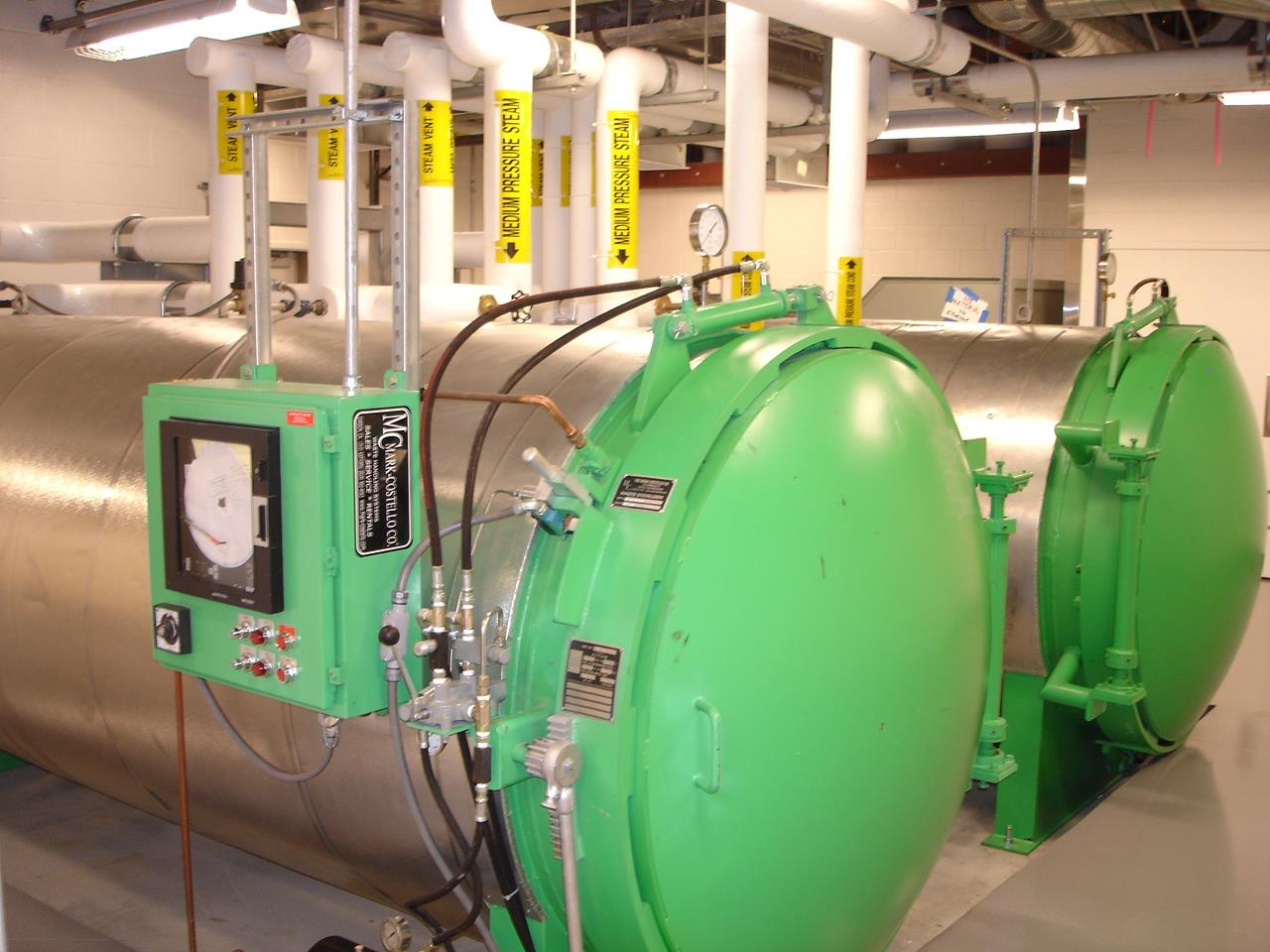
Hospitals, clinics, and laboratories are more than just buildings where medical procedures are performed; they are spaces dedicated to healing, recovery, and hope. Every day, healthcare professionals work tirelessly within these walls to save lives, manage chronic conditions, and support patients on their journey to wellness. But behind the scenes of this essential work lies a pressing challenge that often goes unnoticed by the general public: the vast and continuous generation of medical waste. From single-use syringes and IV tubing to blood-soaked dressings, contaminated gloves, and sharp instruments, the volume and diversity of waste produced during routine medical care is staggering. In addition, expired medications and pathological waste, such as human tissues and fluids, add to the complexity of disposal needs. This isn’t just a matter of housekeeping; it’s a serious public health issue. Improper disposal of such materials can lead to the spread of infectious diseases, accidental injuries from sharp objects, and environmental contamination that affects not just the immediate area but also wider ecosystems. This is why understanding and addressing medical waste isn’t a niche concern; it’s a crucial part of safeguarding our healthcare systems and our communities. Medical waste, by its very nature, carries inherent risks if not handled correctly. These materials often contain biological contaminants, bacteria, viruses, and other pathogens that can easily spread infection if not properly neutralized. The danger isn’t limited to healthcare workers or waste management personnel who directly handle this waste; the risks extend to sanitation workers, landfill operators, and even the general public, particularly if waste enters local waterways or soil systems. Imagine a single improperly discarded syringe making its way into a public area or untreated fluids seeping into groundwater supplies. The consequences could be catastrophic. Beyond the physical hazards, there’s also a psychological toll: communities living near medical waste dumping sites often experience anxiety, fear, and a decline in trust toward healthcare institutions. Add to this the presence of hazardous chemicals and pharmaceuticals, and the stakes get even higher. Certain medications, if incinerated improperly or allowed to leach into the environment, can disrupt hormone systems in animals and humans alike. Thus, medical waste disposal is not simply a matter of logistics; it’s a multifaceted issue of safety, responsibility, and environmental ethics. When medical waste isn’t treated before disposal, it doesn’t just vanish. Instead, it becomes a potential threat that continues to linger and evolve. This untreated waste can serve as a breeding ground for dangerous pathogens, allowing diseases to survive and even mutate over time. For example, blood-soaked materials, tissues, or other biological waste left in landfills without sterilization can foster the growth of harmful microbes that might be resistant to antibiotics. Over time, this could contribute to the broader public health crisis of antimicrobial resistance. Furthermore, if incinerated without proper temperature controls, certain waste types release toxic dioxins and heavy metals into the atmosphere, which can accumulate in human tissue and wildlife, leading to long-term health effects. These problems are compounded by improper segregation practices, where hazardous and non-hazardous waste are mixed, making safe treatment even more challenging. In short, failure to properly sterilize and manage medical waste isn’t just an oversight; it’s a risk multiplier with far-reaching consequences. This is where medical waste sterilization becomes indispensable. By using advanced methods to neutralize or destroy harmful pathogens and chemicals, sterilization makes medical waste significantly safer to handle, transport, and dispose of. Whether through autoclaving, chemical disinfection, or newer microwave-based systems, these processes are designed to render waste non-infectious before it ever leaves the healthcare facility. For instance, autoclaving uses high-pressure steam to penetrate and kill microbes in contaminated items like surgical tools, gowns, and swabs. Chemical sterilization involves agents like hydrogen peroxide or chlorine compounds to denature biological contaminants. Each method has its specific use case depending on the type of waste being treated. But the core objective remains the same: breaking the chain of infection at its source. This is not only crucial for maintaining a safe workplace for medical staff and waste handlers but also vital for ensuring that downstream environments, landfills, recycling centers, or waste-to-energy plants are not compromised by unsafe material. Sterilization ensures that what was once dangerous becomes inert and manageable. The importance of medical waste sterilization also extends to our broader environmental obligations. In an era where sustainability is becoming a non-negotiable priority, it’s no longer acceptable to think of waste management in purely functional terms. Sterilizing medical waste helps minimize the environmental impact of healthcare services. For example, when waste is sterilized and compacted, it occupies less space in landfills and reduces the frequency of transport, thereby lowering carbon emissions. Some facilities even integrate waste-to-energy systems that use sterilized medical waste as a fuel source, creating a closed-loop system that reduces dependency on fossil fuels. Moreover, sterilization allows for better material recovery; some plastics and metals can be safely recycled after decontamination, reducing the need for virgin material extraction. When done correctly, sterilization transforms the waste stream from a liability into a potential resource. This approach not only aligns with regulatory compliance but also demonstrates a proactive commitment to public health and planetary well-being. At The Mark-Costello Co. we’ve dedicated decades to helping healthcare providers and research facilities manage their waste streams with precision, care, and sustainability at the forefront. We don’t view sterilization as merely checking a box for compliance; we see it as a vital service that supports the core mission of healthcare itself: to protect life. Our sterilization systems are engineered for reliability, ease of use, and maximum pathogen elimination. From high-capacity steam sterilizers to integrated waste handling units, every solution we offer is designed to simplify operations while enhancing safety. We work closely with clients to assess their specific waste output, volume, and regulatory requirements, then tailor systems that fit seamlessly into their workflows. Whether you’re running a large urban hospital or a rural clinic, our equipment ensures that no matter how much waste you generate, it can be treated with the same uncompromising standard of …
Continue reading “How Medical Waste Sterilization Ensures Safe and Eco-Friendly Disposal”
How Industrial Precrushers Improve Efficiency in Waste Reduction?
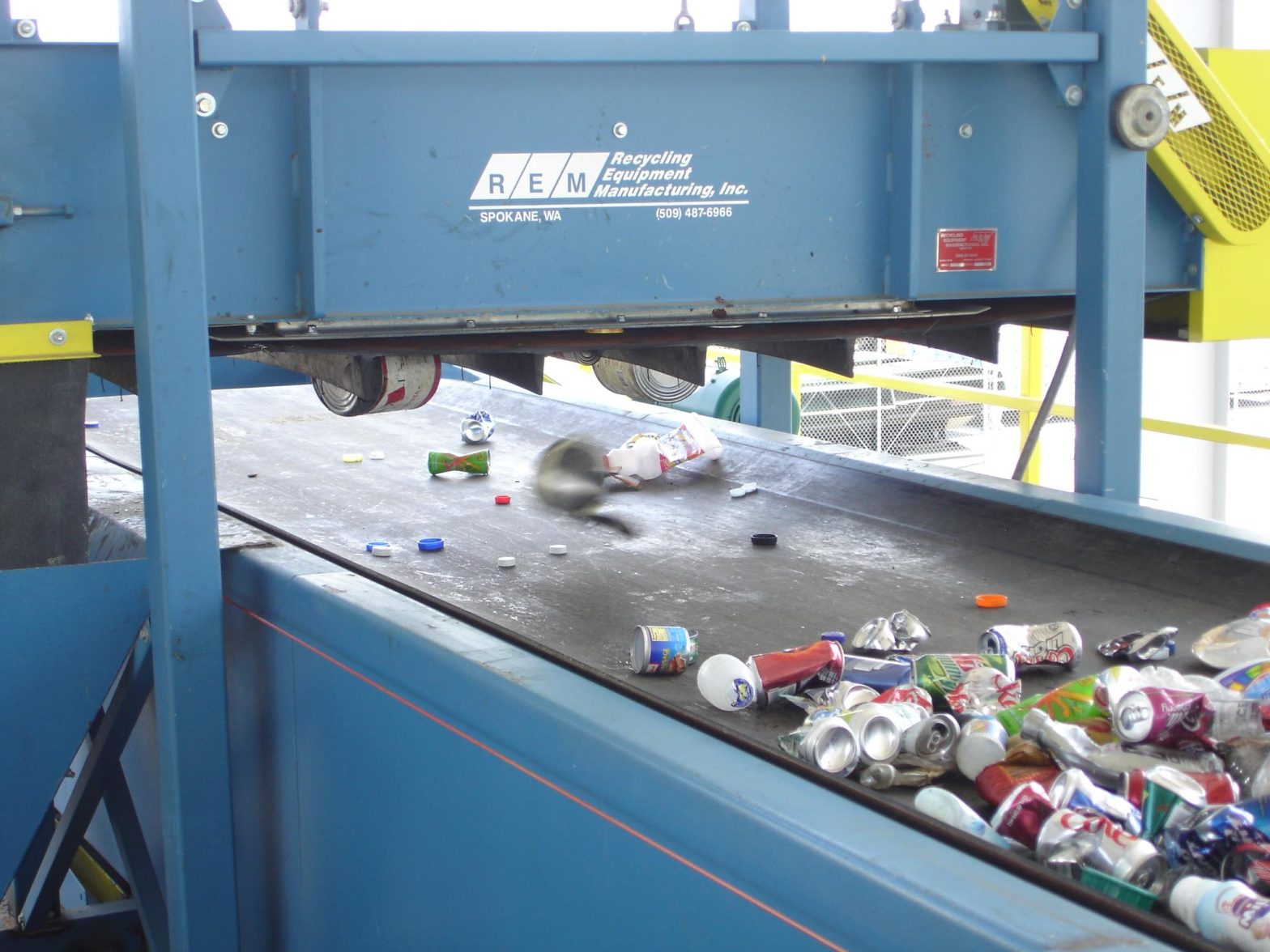
Waste management is something that every industry has to deal with, but for businesses handling bulky materials, it’s a constant struggle. Large items like wooden pallets, metal drums, and oversized packaging can quickly fill up waste containers, leading to frequent hauls, rising disposal costs, and inefficient operations. Standard compactors help, but they aren’t designed to handle massive, unprocessed waste efficiently. For companies looking to cut down on waste volume and streamline disposal, industrial precrushers offer a game-changing solution. These machines don’t just compact waste—they break it down first, making it easier to manage, transport, and dispose of properly. By crushing bulky materials before compaction, precrushers increase efficiency, reduce hauling costs, and improve overall waste management processes. With waste disposal costs climbing and sustainability becoming a priority for many businesses, finding ways to handle waste more effectively is no longer optional—it’s a necessity. Industrial precrushers help businesses stay ahead by making waste processing faster, cleaner, and more cost-effective. In this article, we’ll explore how these machines work, their benefits, and why they are an essential investment for industries that generate high volumes of bulky waste. Understanding Industrial Precrushers and Their Role in Waste Management Industrial precrushers are powerful waste management machines designed to crush and compact large, bulky waste before it enters a standard compactor. Unlike regular compactors that compress waste as it is, precrushers use high-force hydraulic pressure to break down materials such as wooden crates, metal barrels, furniture, and large packaging materials, making them easier to handle and dispose of. The working mechanism of a precrusher is simple yet highly effective. Waste is loaded into the chamber, where a pre-crushing mechanism applies extreme pressure, breaking down oversized materials into smaller pieces. Once crushed, the waste is then compacted into dense bales, significantly reducing its volume. This precompaction process allows for more efficient waste storage and disposal, leading to fewer waste hauls and lower operational costs. Standard compactors struggle with bulky waste, often requiring businesses to schedule frequent waste pickups to avoid overflow. Precrushers solve this issue by reducing waste volume by up to five times, making compaction more efficient and minimizing the number of waste collection trips. This makes precrushers an ideal choice for industries dealing with large and heavy waste materials. The Benefits of Industrial Precrushers in Waste Reduction One of the biggest advantages of using industrial precrushers is the improvement in waste processing efficiency. By breaking down large materials before compaction, precrushers enable better waste handling, higher compaction efficiency, and reduced storage space requirements. Bulky items that would typically take up excessive space in a standard compactor are crushed into manageable sizes, allowing businesses to optimize waste disposal. Increased efficiency also means fewer waste collection trips, leading to lower fuel consumption, reduced transportation costs, and minimized landfill contributions. For industries that generate high volumes of waste, this efficiency translates into both financial and operational benefits. Cost Savings for Businesses Waste disposal is a major expense for businesses, especially those that require frequent pickups due to inefficient waste compaction. Industrial precrushers help cut down costs by significantly reducing waste volume. With denser and smaller waste loads, businesses can lower their waste hauling and landfill fees. Another key financial benefit is the reduction in labor and operational expenses. Precrushers automate the breakdown of bulky waste, reducing the need for manual labor. Employees spend less time handling oversized waste materials, leading to increased productivity and lower labor costs. Additionally, by minimizing the strain on standard compactors, precrushers help extend the lifespan of waste management equipment, reducing maintenance and replacement costs over time. Environmental Benefits Precrushers contribute to environmental sustainability. By compacting waste more efficiently, businesses can significantly reduce landfill waste and minimize their environmental footprint. More efficient compaction also means better sorting and segregation of recyclable materials, allowing for higher recycling rates and more sustainable waste management practices. Another environmental advantage is the reduction in carbon emissions. Traditional waste collection requires frequent pickups, leading to increased fuel consumption and greenhouse gas emissions. Since precrushers reduce the number of necessary waste hauls, they help lower fuel usage and decrease emissions, making them an eco-friendly solution for industries committed to sustainability. Industries That Benefit from Precrushers Several industries generate large amounts of bulky waste that can be difficult to manage without precrushers. Manufacturing and production facilities benefit greatly from precrushers, as they deal with heavy industrial waste, including metal scraps, packaging materials, and wooden crates. By breaking these materials down before compaction, factories can streamline waste processing and reduce disposal costs. Warehouses and distribution centers also rely on precrushers to manage their high-volume packaging waste. Cardboard, plastic wraps, and wooden pallets accumulate quickly in these settings, and without an effective waste reduction solution, storage space and disposal costs can become a burden. Precrushers help by reducing the bulkiness of these materials, making waste handling easier and more cost-effective. Retail and large-scale packaging industries generate excessive amounts of packaging waste, from Styrofoam and cardboard to oversized plastic containers. Precrushers help compress this waste efficiently, ensuring that businesses can dispose of it properly without incurring high hauling fees. Additionally, automotive and metal fabrication sectors frequently deal with large metal drums, industrial parts, and heavy scrap materials. Precrushers enable these industries to crush and compact these tough materials, optimizing waste disposal and minimizing landfill contributions. Key Features to Look for in an Industrial Precrusher When investing in an industrial precrusher, businesses should look for durability, efficiency, and customization options. Heavy-duty construction is essential, as these machines must withstand intense crushing pressure. A high compaction force ensures effective breakdown of bulky materials, while advanced crushing mechanisms improve overall performance. Customizable options based on waste type and volume allow businesses to select the right precrusher for their specific needs. Energy efficiency and automation features further enhance waste processing capabilities, ensuring that businesses can reduce operational costs while maintaining high performance levels. A Leader in Industrial Waste Management Solutions At The Mark-Costello Co., we understand that efficient waste management is crucial for business success. With decades of …
Continue reading “How Industrial Precrushers Improve Efficiency in Waste Reduction?”