Blog
How Apartment Trash Compactors Boost Efficiency and Cut Costs
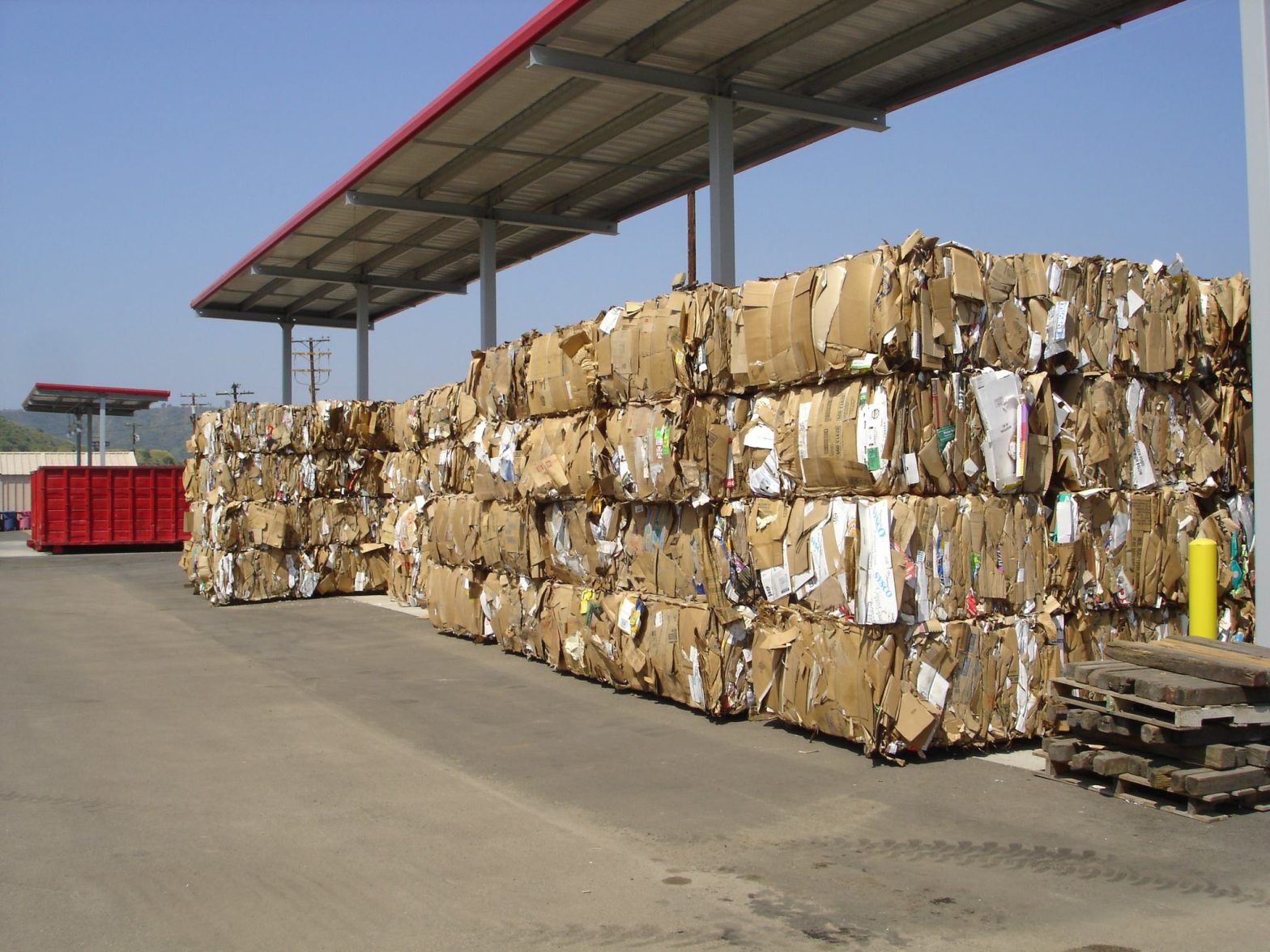
We’ve all seen overflowing dumpsters behind apartment complexes, unpleasant odors drifting through hallways, and the constant noise of trash trucks making their rounds. Managing waste in multi-unit buildings is not only an eyesore; it also drains time, space, and money. Every day, property managers deal with overflowing bins, frequent pickups, and tenant complaints while trying to maintain a clean, safe environment. The true cost of this cycle often goes unnoticed. Excessive waste hauling eats into budgets, inefficient disposal takes up valuable space, and unsanitary waste areas turn away potential tenants. Thankfully, modern technology offers solutions that are practical and sustainable. This is where innovative Waste Management Services in California come in. Today’s apartment trash compactors are quietly changing how properties handle waste by streamlining operations, improving cleanliness, and saving money. What Exactly Is an Apartment Trash Compactor? An apartment trash compactor is a simple yet effective machine designed to compress waste into smaller, denser loads. By compacting trash, it greatly reduces the volume that needs to be hauled away, allowing buildings to handle more waste with less effort. While many types of compactors exist, those made for residential or apartment use differ from the heavy-duty machines used in commercial or industrial settings. Apartment compactors are designed for shared waste rooms, loading docks, or chute-fed systems where tenants and maintenance staff can easily dispose of trash in a contained, automated manner. These systems blend seamlessly into multi-unit properties. Once installed, they require minimal input from staff, running quietly and efficiently behind the scenes. The Efficiency Factor: Doing More With Less Imagine cutting your trash runs in half without any physical effort. That’s the efficiency a compactor can bring to any apartment complex. By compressing waste before it’s picked up, you reduce the number of times a hauler needs to come to your property. This translates to fewer trucks, lower collection fees, and less disruption for tenants. Maintenance teams also gain significant benefits. Instead of spending hours moving bins or cleaning spills in waste areas, staff can focus their time on property upkeep or tenant service. Efficiency doesn’t just save money; it improves workflow across the board. Key Efficiency Benefits: Reduced hauling frequency: Fewer pickups lower ongoing costs. Improved operational flow: Less time managing waste means more time improving tenant satisfaction. Cleaner, organized waste areas: Compact design keeps trash under control, even in high-density buildings. This is why investing in professional Waste Management Services in California is not just about disposal; it’s about changing how properties function day-to-day. Saving Dollars and Sense: The Real Cost Benefits Installing a compactor may feel like a hefty investment, but the financial return often surprises property managers. Waste compactors provide both direct and indirect savings that add up quickly. Direct Savings: Lower waste collection costs: With reduced pickups, hauling expenses drop significantly. Decreased labor hours: Maintenance staff spend less time handling trash. Smaller storage needs: Compacted waste requires less bin space, freeing up valuable square footage. Indirect Savings: Improved tenant satisfaction: Cleaner common areas lead to happier residents and fewer complaints. Extended equipment life: Compacting waste reduces strain on dumpsters and chutes, minimizing long-term maintenance costs. When looked at holistically, these savings show that compactors are not a luxury but a smart business decision. Partnering with the right provider for Waste Management Services in California ensures every dollar spent contributes to long-term efficiency and sustainability. Eco-Friendly Advantage: Cleaner Buildings, Cleaner Planet Sustainability is no longer optional; it’s an expectation. Property managers who adopt eco-friendly solutions not only cut operational costs but also attract environmentally conscious tenants. Environmental Benefits of Compactors: Fewer truck pickups: Less hauling reduces greenhouse gas emissions and traffic congestion. Reduced landfill volume: Compacted waste takes up less space, extending landfill lifespan. Streamlined recycling efforts: Compactors make it easier to separate recyclables from general waste. Sustainability also boosts a property’s reputation. In eco-conscious California, green initiatives can enhance tenant retention and property value. Choosing professional Waste Management Services in California positions your property as part of the solution, not the problem. Safety, Cleanliness, and Tenant Satisfaction A clean environment isn’t just about looks; it’s about health, safety, and comfort. Apartment compactors help maintain all three. By keeping trash sealed and contained, compactors prevent pests, minimize odors, and create cleaner collection areas. This improves hygiene and contributes to a healthier environment for residents and staff. Added Safety Benefits: Reduced physical strain: Maintenance staff no longer have to handle heavy or overflowing bins. Cleaner air quality: Enclosed systems reduce exposure to harmful bacteria or waste-related allergens. Enhanced property image: Clean waste areas leave a positive impression on tenants and visitors alike. In short, compactors elevate the tenant experience. Clean surroundings lead to satisfaction, lower turnover, and make the property a more desirable place to live. Choosing the Right Compactor for Your Property Not all buildings are the same, and neither are compactors. Selecting the right one involves evaluating several key factors: Things to Consider: Building size: Larger buildings may need multiple compactors or chute-fed systems. Waste volume: Properties with high occupancy require larger capacity models. Waste type: Residential waste differs from mixed-use buildings that generate recyclables or commercial refuse. Various models suit different needs: Vertical compactors: Ideal for small to medium-sized properties with limited space. Horizontal compactors: Best for larger facilities generating higher volumes of waste. Chute-fed systems: Provide convenient access for tenants and integrate directly into waste rooms. Before making a purchase, consult a waste management expert who can assess your building’s unique requirements. With over a century of experience, The Mark-Costello Co. has been a trusted name in designing and delivering the right systems for any property type. Common Myths About Trash Compactors — Debunked Despite their growing popularity, several misconceptions still surround trash compactors. Let’s clear up the most common ones: Myth 1: “They’re too expensive.” While the upfront investment may seem high, the long-term savings from lower hauling, reduced labor costs, and improved efficiency often pay off within a few years. Myth 2: “They’re hard to maintain.” Modern compactors are designed …
Continue reading “How Apartment Trash Compactors Boost Efficiency and Cut Costs”
The Science of Autoclaves for Medical Waste Sterilization
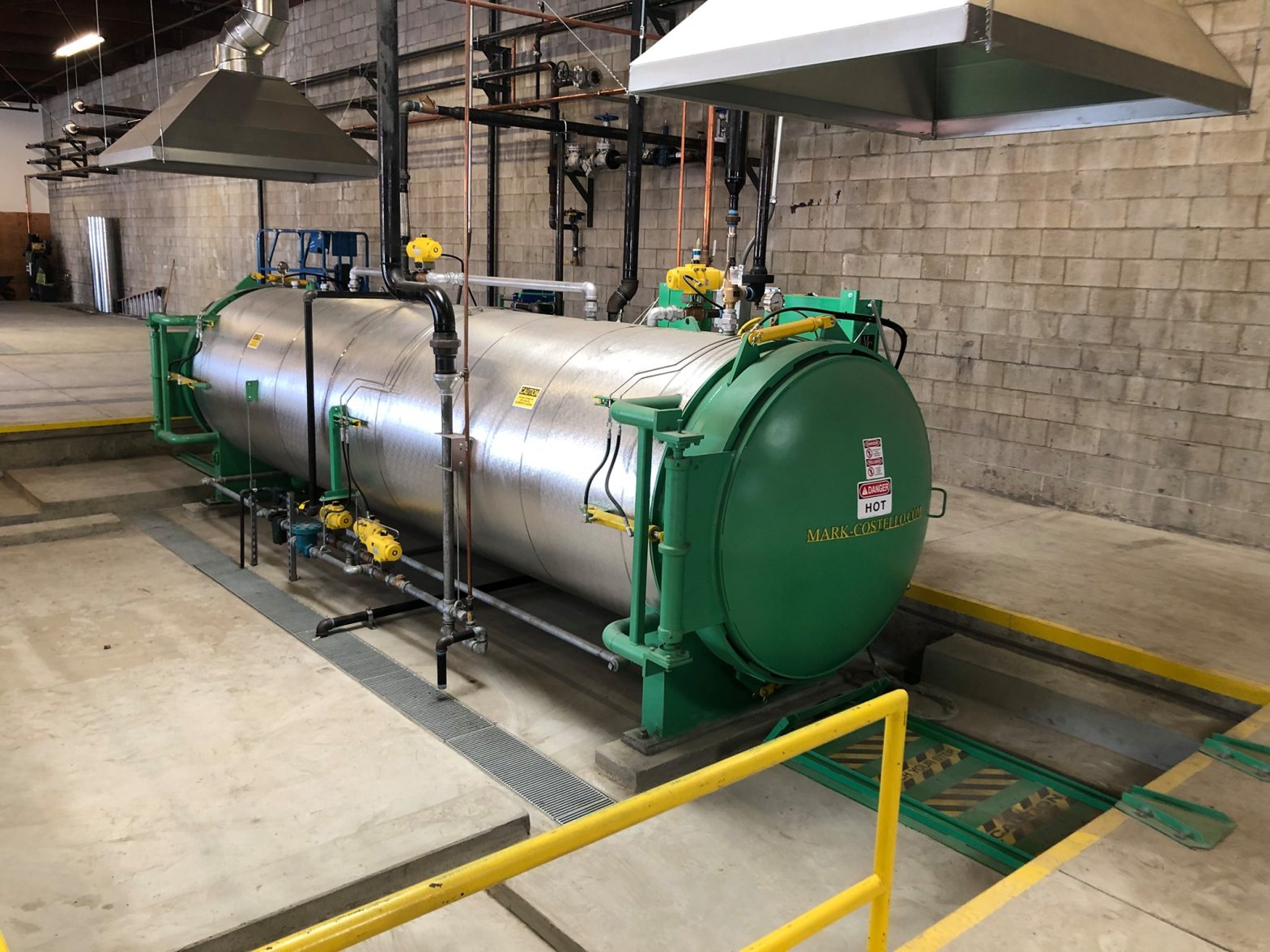
Have you ever thought about what happens to used syringes, gloves, or contaminated lab materials once they’re discarded? Every hospital or clinic faces a hidden challenge—tons of medical waste is generated each day. This waste is not only unpleasant but can also be harmful. If not properly handled, it can spread infections, contaminate water systems, and damage the environment. That’s where the science of autoclaves comes in. By using a careful combination of heat, steam, and pressure, autoclaves have become the standard for sterilizing medical waste worldwide. They are more than just machines—they are essential protectors of public health, ensuring that infectious materials are made completely safe before disposal. In this blog, we will look at how autoclaves operate, why they are important, and how new technology continues to improve sterilization, making it safer, cleaner, and more efficient. What Is an Autoclave and How Does It Work? An autoclave is a high-pressure, high-temperature steam chamber designed to sterilize contaminated materials. You can think of it as a scientific oven—but instead of baking cookies, it kills germs. Here is how the process works: Steam is introduced under pressure to push out air and fill the chamber completely. The temperature rises—usually between 121°C and 134°C—allowing heat to reach even the thickest materials. Moist heat breaks down proteins and destroys cell walls, effectively eliminating bacteria, viruses, and spores. While boiling water can kill germs on the surface, autoclaving takes it much further. It’s like boiling but at higher temperatures, with a denser environment, and fully sealed for safety and precision. Autoclaves are not only for hospitals. They are also used in labs, research centers, dental offices, and pharmaceutical facilities anywhere that requires strict control of contamination. The Science Behind Sterilization: Why Steam Works So Well The real effectiveness lies in the combination of heat and pressure. Steam, unlike dry heat, transfers energy quickly and thoroughly into waste materials. When combined with pressure, it reaches every layer, ensuring complete sterilization. On a molecular level, here is what happens: Moist heat coagulates and breaks down proteins, making microorganisms unable to survive or reproduce. Steam reaches tiny spaces, eliminating even the most heat-resistant spores. Time, temperature, and pressure work together—these are the three necessary factors for complete sterilization. It’s less about “burning” germs and more like cooking them until they are no longer viable. This is why the science of autoclaving is one of the most reliable and environmentally friendly methods of sterilization in modern healthcare. What Types of Medical Waste Can Be Autoclaved? Autoclaving is effective for a wide variety of medical and laboratory waste. However, not all materials respond equally to steam sterilization. Common types of waste that can be autoclaved include: Contaminated dressings, gloves, gowns, and masks Plastic and glass labware Sharps (after they are placed in puncture-proof containers) Pathological waste (within limits) Laboratory cultures, slides, and petri dishes Some exceptions include chemical or pharmaceutical waste, heavy metals, and certain cytotoxic materials that need different treatment methods, such as chemical neutralization or incineration. By knowing which waste streams can be safely treated, facilities can make autoclaving a key part of an effective medical waste sterilization system. The Autoclave Cycle: Step-by-Step Overview Loading: The autoclave process is a carefully timed cycle of heat, pressure, and cooling. Each phase is essential. Medical waste is placed in special autoclavable containers or heat-resistant bags. It’s important not to overfill to allow even steam distribution. Heating: Steam enters the chamber, replacing all air and creating an environment of saturated steam. Sterilization Phase: Temperature and pressure are maintained—often at 121°C and 15 psi—for about 30 minutes to ensure complete destruction of microorganisms. Exhaust Phase: Steam is safely released, and internal pressure gradually decreases. Cooling & Drying: The waste cools before removal, making it safe for handling or subsequent shredding. Pro Tip: Consistency in each step is crucial. A few degrees or minutes off can impact sterilization efficiency and regulatory compliance. Autoclaving vs. Other Medical Waste Treatment Methods While autoclaving is a popular choice for many facilities, it’s helpful to understand how it compares to other waste treatment methods. Method How It Works Pros Cons Autoclaving Steam under pressure Eco-friendly, cost-effective, safe Not suitable for chemical waste Incineration Burns waste at very high temperatures Destroys all waste, reduces volume drastically Produces emissions, requires air pollution controls Chemical Disinfection Uses chemicals to neutralize pathogens Works well for liquid waste Generates hazardous residue and odors For most hospitals and laboratories, autoclaving offers the perfect balance—high sterilization efficiency without the environmental drawbacks of incineration. Why Autoclaves Are Essential for Healthcare Safety Autoclaves do much more than sterilize—they protect lives. By ensuring that medical waste is completely decontaminated before disposal, they help prevent the spread of infections in healthcare settings and beyond. Key Advantages: Protection for staff and patients: Reduces exposure to harmful pathogens. Regulatory compliance: Meets strict standards set by OSHA, CDC, and EPA for regulated waste. Community safety: Properly sterilized waste leads to fewer environmental and public health risks. When we think about medical waste sterilization, autoclaves are key to both scientific and social responsibility. Clean hospitals contribute to safer communities, and autoclaves play a crucial role in that effort. Modern Innovations in Autoclave Technology Today’s autoclaves are smarter, faster, and more environmentally friendly. At Mark-Costello Co., we have witnessed how innovation improves waste management, making it more sustainable. Key Technological Advancements: Automated tracking and digital recordkeeping: Ensures traceability and compliance for every cycle. Energy-efficient steam systems: Lower resource consumption while maintaining high sterilization standards. Vacuum-assisted cycles: Speed up drying and enhance process consistency. Integrated shredding systems: Combine sterilization and volume reduction in one streamlined step. Current autoclaves don’t just sterilize, they optimize operations, cut waste, and align with modern sustainability goals. They demonstrate that effective medical waste sterilization can also be eco-friendly. Safety and Maintenance: Keeping Autoclaves Reliable Like any precision tool, autoclaves work best when they are well maintained and operated properly. Regular care is essential for performance, safety, and compliance. Best Practices for Maintenance: Regular calibration …
Continue reading “The Science of Autoclaves for Medical Waste Sterilization”
Effective Regulated Waste Management Is Paramount For Local Businesses

Failure to comply with waste regulations can cost California businesses thousands of dollars—often far more than investing in the right systems upfront. In Paramount, whether you run a healthcare clinic or a manufacturing plant, the question is the same: how do you manage regulated waste safely, cost-effectively, and legally without harming your bottom line? Local companies have a responsibility to keep employees safe, protect the community, and comply with a maze of complex requirements from state, federal, and global agencies. The solution lies in updated systems and expert guidance to ensure safety, compliance, and sustainability. In this blog, we will discuss how Waste Management Services in California help local businesses streamline operations, avoid costly risks, and stay ahead of current and future standards. What Regulated Waste Means for Paramount Businesses Regulated waste encompasses a wide range of materials, each requiring special handling: Medical and biohazardous waste such as sharps, blood-soaked materials, and infectious items generated by healthcare providers. Hazardous industrial byproducts including chemicals, solvents, and residues from manufacturers. Pharmaceutical or lab waste such as expired medications, test kits, and laboratory materials. Electronics and recyclables including batteries, fluorescent bulbs, and e-waste requiring certified disposal. For businesses in Paramount, the stakes are high. Compliance is required under California’s strict environmental rules, alongside federal standards from the EPA and OSHA. Even small mistakes—like improper labeling or storing of medical waste—can result in hundreds of thousands of dollars in fines. Even small businesses such as dental clinics or pharmacies risk penalties with improper handling. That is why Waste Management Services in Paramount operate under stringent guidelines to protect businesses and the community. Challenges Local Businesses Face Businesses in Paramount face unique challenges when managing regulated waste: Limited Storage: Small and medium-sized businesses often lack space for long-term waste holding. Containers fill quickly, creating safety hazards. Overlapping Regulations: Requirements from multiple agencies create confusion for business owners. Rising Costs: Transportation, treatment, and disposal costs continue to increase, pushing businesses to seek affordable alternatives. Need for Seamless Solutions: Waste systems must integrate smoothly into operations without adding liability or extra workload. Effective Waste Management Solutions Paramount businesses can access a variety of specialized solutions: On-Site Sterilizers & Autoclaves: Used by healthcare providers to destroy biohazardous waste before transport, reducing exposure risks. Compactors & Shredders: Reduce waste volume, cut pickup frequency, and securely destroy confidential pharmaceutical or lab waste. Balers & Recycling Systems: Help retailers, warehouses, and manufacturers recycle cardboard, plastics, and metals while saving storage space. Tracking & Monitoring Systems: Tools like TrashMinder prevent overfilling and provide automatic documentation for compliance audits. Custom Conveyor & Transfer Systems: Allow manufacturers to move regulated waste efficiently within facilities before storage or treatment. Steps to Implement an Effective System Local Waste Audit: Identify waste streams, volumes, and compliance requirements. Tailored Equipment Design: Choose the right compactors, balers, or autoclaves based on business needs. Installation & Training: Partner with providers who deliver turnkey installation and employee training. Ongoing Support & Maintenance: Rely on local service providers to reduce downtime and keep equipment ready. Documentation & Reporting: Store compliance documents within the system so reports are readily available during inspections, minimizing administrative burden. Benefits for Paramount Businesses Businesses that manage regulated waste effectively gain more than compliance. Long-term benefits include: Compliance Confidence: Avoid fines, pass inspections, and maintain a strong reputation. Cost Savings: Lower hauling costs, fewer pickups, and reduced emergencies mean long-term savings. Health & Safety: Protect employees, customers, and the community from exposure to hazardous waste. Sustainability: Align with California’s environmental goals while demonstrating corporate responsibility. Peace of Mind: Focus on business growth knowing waste is being handled properly. Real-World Applications Different sectors in Paramount benefit from waste management solutions every day: Healthcare Clinics: Use autoclaves to sterilize biomedical waste on-site while staying compliant. Food & Beverage Processors: Compactors minimize bulk waste, keeping spaces cleaner and more efficient. Retail & Warehousing: Balers make recycling cardboard and plastics easier, promoting safe and sustainable operations. Small Manufacturers: Shredders and monitoring systems simplify waste planning and compliance. Final Thoughts Regulated waste management in Paramount protects businesses from risk, ensures compliance, and creates growth opportunities. With tailored solutions, companies can reduce costs, protect their staff, and support community safety while meeting California’s environmental regulations. The Mark-Costello Co., based in Paramount, has partnered with California businesses for decades. We provide reliable equipment, professional installation, and ongoing support to keep local waste management safe and compliant. We are ready to be your trusted partner in Waste Management Services.