Blog
Safe And Compliant Regulated Waste Management Services In California

California generates millions of tons of regulated waste each year, and stringent state and federal regulations dictate how each pound of waste is managed. For hospitals, labs, manufacturers, and large facilities, just one mistake in disposal can result in fines, safety hazards, and damage to reputation. Hence, waste management Services in California become more than a logistical necessity; they become a protective factor for people, the environment, and your business. Safe and compliant waste management is not just about disposing of unwanted materials; it is about designing systems that protect staff, patients, communities, ecosystems, and, most importantly, keep organizations safe from lawsuits. What Counts As Regulated Waste In California? Waste regulations in California are among the most extensive and complex in the country. For businesses and institutions, understanding what qualifies as “regulated waste” is half the battle. Some examples of common categories are as follows: Medical and Biohazardous Waste Includes sharps, blood products, and any material or items that are contaminated with pathogens or potential pathogens. Examples would be single-use equipment and shared patient care equipment requiring disposal, which are associated with potential transmission of bloodborne pathogens. Hospitals, clinics, and research laboratories will be expected to take diligent account of all instances that require disposal of both regulated medical and biohazardous waste. Hazardous Industrial Byproducts Manufacturing or industrial facilities may use or produce chemical solvents, heavy metals, or compounds that require specialized disposal and handling. Pharmaceutical Waste Expired drugs, controlled substances, and dirty packaging need to be destroyed securely to prevent diversion and environmental harm. E-Waste and Certain Recyclables Electronics, batteries, and fluorescent bulbs have the potential to contain hazardous components, including mercury and lead. California’s regulatory framework consists of multiple regulatory agencies, including CalRecycle, Cal/OSHA, the EPA, and the DOT, all enforcing different aspects of compliance. It is important for businesses to categorize waste streams correctly due to overlapping jurisdiction. A missed classification has the potential to result in significant penalties to a company. Risks of Mishandling Regulated Waste Not handling waste properly can lead to issues far beyond fines. Businesses that cut corners do so at the expense of people, communities, and reputations. Health and Safety Risks Unsafe exposure to infectious waste or toxic chemicals can contribute to workplace injuries, community health concerns, or even public emergencies. For example, improper handling of medical wastethrough insufficient sterilization can lead to potentially dangerous contaminations, and equipment and facility assessments and shutdowns as a result. Financial Risks Penalties can reach tens of thousands of dollars per incident. These penalties, when combined with investigations, clean-up and control costs, legal challenges, and civil lawsuits, can become enormous. Reputational Risks It can take significant time and effort to earn trust, and almost no time at all to lose it. Having a reliable news report about improper disposal in your community can cripple your community relationships and ability to build brand credibility for years to come. In short, it’s never worth the risk to your business, community, and reputation when it comes to regulating waste. Key Services That Keep Businesses Safe and Compliant A successful Waste Management Services in California takes more than just collected waste—it requires complementary solutions that are designed for compliance and safe disposal. Helpful services may include: On-Site Sterilization with Autoclaves Autoclaves use high-pressure steam to sterilize pathogens present in medical waste before disposal to meet biohazard requirements of healthcare facilities. Shredding and Grinding Systems Securely destroy sensitive documents, pharmaceutical waste, or contaminated materials so that they cannot be reused or handled improperly. Compactors and Balers Reduce waste volumes and make hazardous/industrial byproducts safer for transport, and save on logistics costs. Monitoring Technology Monitoring tools such as TrashMinder can track the container levels in real-time and can create compliance logs to make inspections much simpler. Transfer Compactors and Conveyors For larger facilities, transfer compactors and conveyor systems facilitate waste movement from one department to another without the need for manual handling. By combining these types of services, businesses can develop consistent and reliable waste-handling systems specific to their industry. The Compliance Process Step-by-Step Compliance is not merely an action; it is a process. Organizations can pursue compliance step-by-step: Waste Audit and Assessment All waste streams must be categorized by California’s stringent definitions. Miscategorization will lead to confusion and inadvertent mishandling of waste streams. System Design and Installation Next, taking into account the audit. Choose and configure the correct combination of equipment – autoclaves, shredders, compactors, balers, etc. Employee Training Employees must know how to use the equipment, separate waste streams, and follow safety procedures when handling pathogens. Training mitigates human error and enhances compliance confidence. Documentation and Reporting Compliance documents must be created and retained. Documentation protects the organization when inspectors come to visit and shows that the organization has complied with the regulations. Ongoing Service and Maintenance Equipment needs to be serviced to continue operating as intended. Preventive maintenance of the equipment will avoid downtime that might compromise compliance. This process fosters a safe and compliant culture that permeates the organization. Benefits of Safe And Compliant Waste Management Implementing a regulated Waste Management Services in California program delivers benefits well beyond avoiding fines: Protects People Properly treating regulated waste prevents toxic materials from migrating into soil, water, and air. Protects the Environment Complying with local and federal waste regulations reduces liability risk, avoids penalties and fines, and helps build trust with regulators and the public. Protects Your Business Compliance lowers liability risks, avoids penalties, and builds trust with regulators and the public. Supports Sustainability Goals Many waste management companies are now implementing take-back, recycling, energy-from-waste, and recovery of materials that promote corporate sustainability goals. When organizations take a position of seeing waste management as an investment rather than simply an obligation, the returns come in the form of healthier communities, successful brand reputation, and long-term sustainability. Real-World Use Cases To see the impact of regulated waste management, consider how it serves different industries: Hospitals and Healthcare Facilities Autoslaves and shredders ensure biomedical waste is treated and destroyed in a …
Continue reading “Safe And Compliant Regulated Waste Management Services In California”
How International Waste Management In CA Helps Businesses Stay Compliant
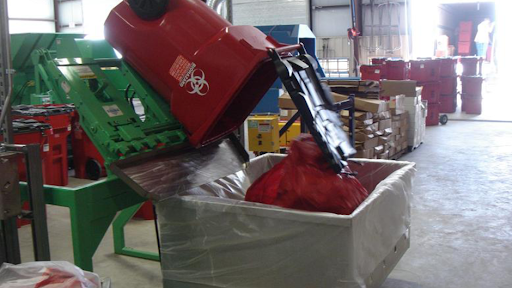
California businesses that don’t comply with waste regulations risk hefty fines – thousands of dollars that in some cases end up being more expensive than doing the right thing in the first instance! Reputational damage, operational downtime, and potential criminal charges, along with financial implications, are just some of the risks companies face when their waste is handled improperly and not in compliance with Requirements. With local, federal, and even international requirements continually changing, many executive leadership teams are asking just one urgent question: how can California businesses comply without suffering the undue burden of undesirable waste requirements? The best answer is to incorporate internationally accepted practices and equipment, and be above the minimum compliance. This starts with establishing relationships with companies that provide waste management Services in CA, and also increasingly advances to management of waste through installed systems that will ensure compliance as well as the highest degree of operational and environmental performance – today and into the future. Understanding The Landscape Of California California is home to some of the nation’s most stringent environmental and workplace safety regulations. For businesses, not complying is not an option; it is part of being a responsible business. The state regulations are established through agencies such as CalRecycle, Cal/OSHA, and the California Air Resources Board (CARB). These regulations set the standard for waste reduction, recycling, and safe disposal. Federal regulations include those established by the EPA, OSHA, and Department of Transportation (DOT). These regulations describe how to handle hazardous or medical waste. International law includes organizations such as the WHO, ISO, and EU waste standards, which generally apply to companies with international operations. Together, the law forms a complicated tapestry of regulations. Businesses cannot afford to treat compliance as an afterthought, as most regulations will pull on manifold other actions that end up getting them in trouble for failure to comply with one regulatory requirement. Risks of Non-Compliance Consequences of Noncompliance Neglecting waste regulations is a big deal that results in serious consequences far beyond fines. Financial Consequences Businesses incur hefty fines for failing to properly document, handle, dispose of, or transport their waste. That penalty quickly escalates, and sometimes the total cost is multiples more than compliance and regulated systems. Reputational Consequences Consumers and investors demand transparency and environmentally sustainable operations. Negative press about improper disposal practices or hazardous waste violations damages trust and reputation. Operational Consequences Regulatory inspections can lead to downtime, delays, and added cost if compliance isn’t provable. For example, a hospital that is caught mishandling medical waste may face both fines and a suspension of operations until compliance is demonstrated. In a regulated industry such as healthcare, pharmaceuticals, or food and beverage, the risks can be even greater, as waste streams can involve sensitive and highly regulated materials. How International Waste Management Solutions Supports Compliance International-level waste management practices use advanced coordinated systems to handle compliance. Many businesses throughout California can take advantage of specific equipment solutions that streamline processes and eliminate the possibility of being out of compliance. On-site Medical Waste Sterilizers & Autoclaves Ability to safely sterilize regulated medical waste before disposal. Eliminate the dependence on expensive third-party hauling services. Ability to meet state and federal regulations for medical facilities. Compactors & Shredders Ability to compact bulky waste into smaller loads, reducing the cost of transport. Ability to shred and destroy sensitive materials before disposal. Ability to help businesses comply with documentation requirements for waste transport. Balers & Recycling Systems Ability to sort and separate recyclables, e.g. cardboard, plastics, metals. Ability to comply with California’s aggressive recycling goals. Ability to provide measurable data for a corporate sustainability report. Monitoring Technology (TrashMinder, cycle controls) Ability to measure loads, cycle times, and fill levels. Ability to produce automated reports for inspection or audits. Ability to provide businesses with confidence that the records are accurate and current. Transfer & Conveyor Systems Ability to centralize waste handling and improve the chances of reducing human error. Prevent accidental mishandling that leads to non-compliance. Ability to improve overall efficiency for larger facilities, e.g., factories or campuses. The Compliance Process Step-by-Step Establishing and maintaining full compliance is easy when you take a structured approach that is backed by global solutions from waste management services in California. Waste Assessment Identify all waste categories, medical, hazardous, recyclable, and industrial. Map waste flows and identify any risks or inefficiencies that may exist. System Design Design a custom, compliant solution with California Licensing and Global. Choose waste processing equipment (sterilizers, compactors, balers, etc.) to suit the business’s needs. Documentation & Reporting Utilize built-in software to track cycle times, sterilization records, and recycling ratios. Produce reports for inspectors or sustainability audits. Employee Training Train the employee to operate the systems safely and responsibly. Strengthening a compliance-first culture across departments is key to success. Ongoing Maintenance & Support Regular servicing of compliance equipment allows the equipment to operate in line with regulatory performance standards. Supports ensuring no downtime, and regulatory compliance is maintained. This step-by-step approach can help businesses to put a plan in place, making compliance an easy, measurable, and sustainable process and not a stressful, one-off event. Benefits Beyond Compliance Not only is saving on fines a reason to invest in advanced waste systems, but the advantages go far beyond that. Compliance as a Competitive Advantage Consumers and investors are drawn to companies with sustainable practices. Compliance can become part of a viable marketing strategy and a higher brand strategy. Cost Savings Compaction and sterilization can lower the transported volume and cost. Recycling systems convert waste to value streams. And most importantly, permits businesses to avoid the costs associated with wasting fines. Future-Proofing California has stricter environmental laws, and global frameworks are pushing for zero-waste. Companies that adopt advanced waste systems today will be ahead of the curve when they are required tomorrow. In conclusion, compliance shouldn’t be thought of solely as risk management, but also as a pathway to efficiency and growth. Real-World Scenarios Hospitals & Clinics Health care facilities generate sensitive waste …
Continue reading “How International Waste Management In CA Helps Businesses Stay Compliant”
Comprehensive International Waste Management Services in California
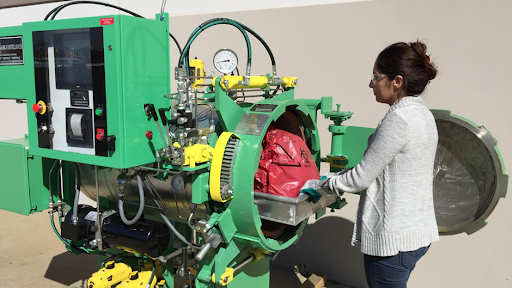
Did you know that companies can incur 20 times more in penalties or lost efficiency if they improperly manage medical or industrial waste than if they invest in a full system? If you are located in California but managing operations, or waste streams, globally, how do you remain compliant and efficient and thereby manage costs? The fact is, in today’s connected world, a waste stream does not stop at the border. For example, a hazardous material shipment originating in Los Angeles might need to be processed in Europe, or a recycling initiative based in San Francisco may have to comply with local and international standards. This is why organizations are increasingly turning to waste management services in California that are designed not just for compliance locally, but performance globally. As regulations tighten, sustainability objectives become ambitious, and supply chains are pushed to go global, businesses need systems that are robust, scalable, and capable of being compliant in various jurisdictions. This blog post will discuss the expectations of international waste management, the infrastructure and systems involved, and how a California-based partner can be one of the best to support you in navigating your global waste obligations. About International Waste Management Services International waste management is a mechanism by which local needs and global expectations intersect. It is much more than the collecting or processing of waste. It is a complete program delivering capabilities from design, equipment, deployment, and ongoing management for clients in California and around the world. Diverse Waste Streams This includes medical waste, industrial waste, hazardous waste, and all recyclable materials. Each stream will require unique protocols for handling and technologies for processing. Compliance Across Borders Regulations can vary widely between the standards the state of California is governed by, standards mandated at the federal level, and those governed internationally by organizations like ISO or WHO. A truly international system would encompass all of these standards. Adaptable Solutions Waste management systems will need to fit within different settings: for example, an urban emergency room in Los Angeles, or a manufacturing facility in Asia or Europe. This necessitates flexibility and resiliency in management systems. Waste management services in California are much broader than simply getting rid of waste. It is about creating management systems that are safe, efficient, and compliant wherever you do business. Capabilities & Equipment for International Waste Challenges To sustain global operations, equipment must be engineered for precision, durability, and compliance. Mark-Costello Co. can provide a complete solution, allowing organizations to responsibly manage waste at a large volume. Medical Waste Sterilizers & Autoclaves On-site sterilization prevents the costly and risky shipment of untreated hazardous materials. Autoclaves, grinder-shredders, and complete configurations like the AS510 will ensure compliance with bio-safety standards internationally. Hospitals and research facilities globally are using this equipment to maintain safety and limit liability. Compact and Size-Reduction Equipment Stationary and self-contained compactors (RJ-225, RJ-88SC, RJ-250HT) greatly reduce waste volume levels, especially when shipping waste internationally. With the use of shredders, grinders, and granulators, you can fully process material into a manageable form and save on shipping costs and space. Recycling & Balers Two-ram, side-eject, vertical, and closed-end horizontal balers facilitate the compressing of recyclables (i.e., cardboard, plastics, and metals). The equipment supports circular economy initiatives, allowing companies to recycle profitably in California and export recyclables to foreign markets. Conveyor Systems & Transfer Compactors Conveyor systems (i.e., slider bed, belt conveyors) facilitate the movement of waste into compactors or through sorting equipment. Transfer system compactors like the BlokPak® 3000 make bulk movement possible for multinational or large-scale operations. Monitoring & Smart Systems Technologies like TrashMinder leverage fullness in a container to offer more efficient collection scheduling. Cycle control systems synchronize results across multiple locations everywhere in the world. Supporting Equipment & Options Waste carts and pull-out drawers assist with collection in an organized manner. Hybrid and solar compactors use less energy, which is a benefit for global clients with sustainability policies or doing business with remote locations. The Process – From Consultation to Global Deployment Global waste management is more than exciting equipment. It is a systematic and clear process that ensures success at each phase. Assessment & Consultation Begin with a comprehensive waste audit. Understanding waste volumes and types, while keeping your specific site regulations in mind. Customized System Design Engineer systems that match the client’s footprint. Systems from sterilizers, compactors, balers, conveyors, monitoring devices, etc. Manufacturing & Compliance All equipment is manufactured by Mark-Costello Co. This enables the implementation of quality manufacturing and export certifications, as well as international compliance. Installation & Integration Turnkey solutions involve site preparation, equipment placement, and safety placement of equipment. Systems can be integrated into day-to-day workflows and traffic flow. Training & Support Hands-on training for the local staff is especially helpful when deploying to remote or international sites with limited resources. Maintenance & Parts Support 7 days a week means less downtime. Availability of spare parts, such as autoclave parts or power packs, minimizes operational risk. Monitoring, Optimization & Upgrades Smart systems allow data to be accessed and processed in real-time to make adjustments. Regular reviews with continuous improvement enable clients to scale, be compliant in adjusting to regulations, or move into sustainable upgrades. Reasons To Get An International Waste Partner In California Trusting a partner that is based in California but also provides solutions for international clients has a lot of value. Regulatory Expertise Key insight regarding California standards (Cal/OSHA, state environmental regulations) and U.S. federal standards. Relevant insights about international standards, such as ISO and WHO driving compliance globally. Operational Efficiency On-site options for sterilization and compaction that allow for reduced transportation of waste. Integrated systems that reduce time, labor, and cost (and increase throughput). Scalability & Flexibility Modular systems that can grow with your organization. Whether it is a single lab in California or a multinational campus internationally, the systems can accommodate. Reliability & Responsiveness Local manufacturing means a much shorter lead time. The ability to provide global maintenance and parts ensures business continuity. Sustainability …
Continue reading “Comprehensive International Waste Management Services in California”