Category Archives: Heavy-Duty Stationary Compactor

How Heavy Duty Stationary Compactors Reduce Waste Volume and Operating Costs

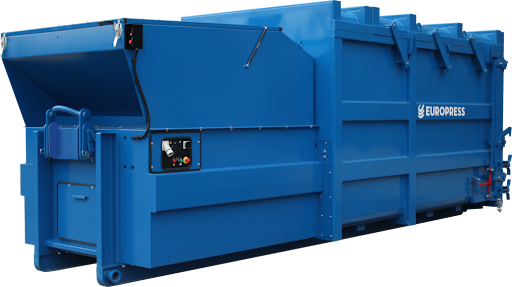
Introduction: Turning Waste Challenges into Cost Savings Modern commercial, industrial, and municipal facilities generate large amounts of waste every day. For operations that rely on efficiency and cost control, traditional waste handling often leads to issues like frequent pickups, overflowing bins, and increasing costs. This is why Heavy stationary Compactors have become essential tools for many organizations aiming to improve waste management. These systems compress large amounts of waste into smaller, more manageable loads. They help businesses reduce disposal frequency, maintain cleanliness, and significantly lower long-term operating costs. At The Mark-Costello Co., we have decades of experience providing engineered waste solutions that offer reliable performance, solid durability, and sustainable results. Our equipment helps facilities manage waste effectively while saving time, labor, and money. Understanding The Role of Heavy-Duty Stationary Compactors A stationary compactor is a powerful piece of waste-handling equipment designed to remain fixed while pressing waste into a separate container. Unlike self-contained or portable units, stationary compactors work best for dry waste streams and high-volume environments that need consistent compaction. These systems function by compressing waste inside a specialized chamber before pushing it into a container for transport. Since the compactor stays in one place and only the container is removed, facilities see stronger compression, less waste volume, and improved operational efficiency. Heavy-duty stationary Compactors are commonly used in: Manufacturing facilities Distribution centers Warehouses Retail complexes Municipal waste hubs Their main advantage is their ability to handle large volumes of waste with minimal maintenance, making them a reliable solution for facilities that need performance and consistency. The Problem With Traditional Waste Management Methods Traditional waste handling approaches often lead to unnecessary challenges that slow down operations and increase costs. Facilities, depending on basic dumpsters or multiple open-top containers often face: Frequent waste pickups Overflowing bins that create unsanitary conditions Extra labor is needed for the cleanup Higher fuel use from frequent hauling Increased clutter around loading docks or work areas These inefficiencies create more than just financial strain. They can lead to workplace hazards, lower employee productivity, and negative impressions among customers or visitors. Poor waste volume management also raises a facility’s environmental impact. More pickups mean higher emissions and greater landfill contributions. For organizations with sustainability goals, traditional methods simply cannot keep pace. Heavy-duty Stationary Compactors help address these challenges by controlling waste volume at the source, which improves both operational flow and cost efficiency. How Heavy Duty Stationary Compactors Work The compaction process is simple yet very effective. Each unit contains several key components that work together to reduce waste volume: Hopper where waste is loaded Ram that compresses the waste Compaction chamber for high-pressure compression A container that stores the compacted waste for hauling Control system for safe and easy operation Waste is placed into the hopper, where the ram pushes it into the chamber and compresses it with significant force. Once compacted, the waste moves into the container, which fills more slowly because of the reduced volume. When the container is full, a hauler removes it while the compactor stays in place for continuous use. The Mark-Costello Co. designs each compactor for smooth operation, solid durability, and optimal safety. Our systems are built for demanding environments where consistent waste handling and long-term reliability are crucial. The Key Benefits of Using Heavy-Duty Stationary Compactors Significant Waste Volume Reduction Heavy-duty stationary Compactors can cut waste volume by up to four times, depending on the material type. This leads to fewer containers on-site and fewer pickups from hauling services, helping facilities save space and maintain cleanliness. Lower Operating Costs Because compacted waste needs far fewer hauls, businesses benefit from lower transportation fees. Facilities that use stationary compactors often see measurable cost savings within the first year of operation. Cleaner, Safer Work Environments A well-managed waste system reduces odors, lowers pest activity, and prevents waste from spilling over into work areas. This creates a healthier and more organized environment for employees and visitors. Improved Sustainability By compressing waste into smaller loads, facilities reduce landfill contributions and lower emissions from hauling trucks. Compactors also help support recycling efforts by keeping waste streams organized and easier to manage. Enhanced Efficiency Automated compaction cuts down the need for manual waste handling. Staff spend less time managing dumpsters and more time focusing on their main tasks. This boosts productivity and helps maintain a steady workflow. Comparing Stationary Compactors To Self-Contained Models While both systems are designed to control waste, stationary and self-contained compactors serve different purposes. Stationary compactors work best for dry waste, high-volume operations, and industries where reducing waste volume is the top priority. These units are ideal for: Manufacturing plants Retail complexes Warehouses Distribution centers High-traffic commercial buildings Self-contained compactors are usually used for wet waste because they seal the compactor and container together, preventing leaks. Stationary models focus on superior compression power and customer flexibility. The Mark-Costello Co. offers both types of compactors, allowing facilities to choose a system that matches their waste stream and operational needs. Our team helps organizations assess their waste management goals to find the most efficient solution. Cost Savings Beyond The Obvious Many facilities first invest in compactors to reduce hauling frequency, but the financial benefits go much further. When Heavy Duty Stationary Compactors are added to a waste-handling process, organizations see savings in various areas: Reduced labor hours because staff spend less time on waste management Lower fuel use due to fewer pickups Decreased wear on trucks and containers Less maintenance on waste-handling equipment Improved workflow that supports higher productivity These savings lead to a strong return on investment. Many large facilities recover their compactor costs through operational savings alone within the first few years. By cutting both visible and hidden expenses, stationary compactors become valuable long-term assets that help organizations stay financially efficient. Installation, Operation, And Maintenance Best Practices Installing a stationary compactor requires careful planning to ensure proper placement and operation. Facilities should think about loading dock height, traffic flow, space requirements, and container access. The installation process usually includes setting …

Maximize Compression Power with a Heavy-Duty Stationary Compactor

What if your biggest operational bottleneck isn’t In your production line Or delivery schedule, but In your dumpster? It’s a question more businesses are beginning to ask as they look closer at the mounting piles of dry waste cluttering their docks, clogging their workflow, and quietly draining their budget. In today’s industrial landscape, waste isn’t just a byproduct; it’s a daily logistical challenge. With every cardboard box, plastic wrap, and wooden pallet that enters your facility, another volume problem is born. And if you’re relying on standard bins or dumpsters to handle it all, you’re fighting a losing battle. The truth is, traditional waste disposal methods just weren’t built for the scale of modern commerce. Haulers are coming more often, costs are stacking up, and space is shrinking fast. That’s why forward-thinking facilities are making a smarter move: investing in heavy-duty stationary compactors. These machines are built not just to manage waste, but to dominate it. This blog will walk you through why stationary compactors are becoming a must-have for high-volume operations, how they work, what makes them so effective, and why partnering with the right manufacturer, like The Mark-Costello Co., can completely transform your waste management strategy. Let’s dive in and discover how the right compactor doesn’t just take out the trash, it redefines how your business runs.   What Is a Stationary Compactor and How Does It Work?   A stationary compactor is an industrial-grade machine specifically designed to compress dry waste at a fixed location. Its main function is to compact large amounts of waste material, such as cardboard, plastics, foam, and shrink wrap, into a much smaller, denser volume, making it easier and more cost-effective to transport and dispose of. Unlike mobile or self-contained compactors, a stationary compactor is permanently installed on-site, typically near loading docks, warehouse exits, or waste collection areas. Its name comes from the fact that the compactor itself remains stationary while only the container holding the compressed waste is detached and hauled away when full. The operation of a stationary compactor is straightforward yet highly effective. Waste is fed into a hopper, either manually, via conveyor systems, or through chute-fed configurations. Once the chamber is filled, a hydraulic ram pushes the waste with immense pressure into a steel container attached to the back of the unit. As the ram retracts, the hopper is ready to receive more waste, and the process repeats until the container is full. When it reaches capacity, a waste hauler detaches the filled container, empties it at a processing facility or landfill, and returns it to the compactor, all without interrupting facility operations. Stationary compactors are ideally suited for businesses where large volumes of dry waste are generated consistently throughout the day. Industries such as retail distribution, food and beverage packaging, e-commerce warehousing, and industrial manufacturing rely on these machines to manage waste more efficiently. Their robust design, high compaction power, and ability to integrate with material handling systems make them one of the most practical and effective solutions for modern waste control.   Top Advantages of Heavy-Duty Stationary Compactors   Installing a heavy-duty stationary compactor is more than just a facility upgrade; it’s a strategic business decision that unlocks long-term advantages. The benefits extend far beyond simple waste reduction, impacting everything from operational costs and logistics to safety, hygiene, and environmental responsibility. One of the most immediate and measurable advantages is the compactor’s ability to deliver high compression ratios. These machines are designed to apply significant pressure to dry waste, compressing it into a fraction of its original volume. Instead of dealing with multiple overflowing bins or piles of loose waste materials, businesses can reduce bulk and extend the usable life of every container. This results in fewer hauls, fewer frequent interruptions to daily operations, and reduced waste disposal costs. The savings can be substantial, especially for high-output facilities that otherwise require multiple waste pickups per week. Beyond the cost factor, space optimization is another major advantage. In facilities where space is at a premium, cluttered waste areas can limit productivity and present a serious safety hazard. Overflowing dumpsters not only block loading docks and access routes but also attract pests and create fire risks. By consolidating waste into one compact, sealed container, stationary compactors free up valuable square footage that can be used for production, inventory storage, or logistics operations. It’s a cleaner, smarter way to use your space, and it shows in the overall organization and professionalism of your facility. Another critical benefit is cleaner, safer operations. With a sealed compaction system, waste is no longer exposed to open air, reducing issues with odor, litter, and rodent infestation. Waste is processed and stored in a hygienic, controlled environment, minimizing contact between staff and potentially hazardous materials. This helps businesses stay compliant with OSHA and sanitation regulations while also creating a safer work environment for employees. And of course, there’s cost efficiency over time. Although heavy-duty stationary compactors require an upfront investment, the return is clear and ongoing. Businesses save on hauling fees, reduce the need for additional waste containers, lower labor costs associated with waste handling, and avoid potential fines for sanitation violations. It’s a win across the board, making stationary compactors a key component of any industrial efficiency strategy.   Choosing A Compactor That Matches Your Business Needs   Selecting the right stationary compactor isn’t just about buying a powerful machine; it’s about finding a system that fits seamlessly into your business operations and solves your unique waste challenges. That means considering several factors carefully before making your investment. The first and most important factor is your waste type and daily volume. Different compactors are optimized for different materials. If your facility produces mostly cardboard, you may need a high-cycle unit that can process large amounts of lightweight material quickly. On the other hand, if you’re handling dense plastics or wooden packaging materials, you’ll need a compactor with greater ram force and reinforced components. Understanding the nature and quantity of your waste helps …