Blog
Waste Compaction and How It Helps Improve Waste Management Efficiency
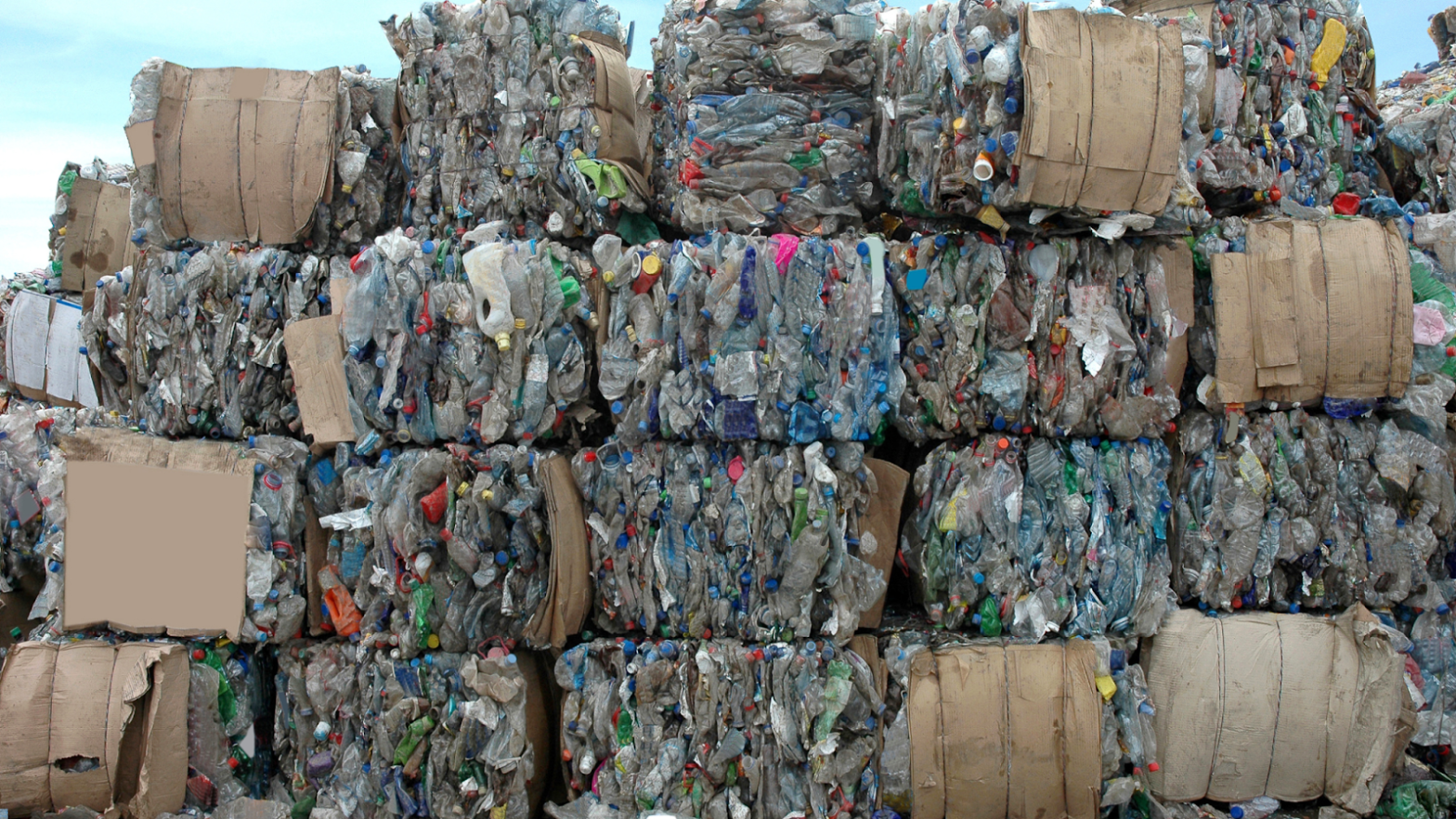
Managing waste is something we all deal with, whether at home or in business, but let’s be honest—it’s not always easy. Overflowing bins, rising disposal costs, and concerns about environmental impact can make waste management feel overwhelming. For businesses, the stakes are even higher. Limited space, strict regulations, and the pressure to operate sustainably add layers of complexity to an already challenging task. At The Mark-Costello Co., we know how frustrating it can be to juggle these demands while trying to stay efficient. That’s where waste compaction comes in. By simplifying how waste is stored, transported, and disposed of, compaction offers a practical solution to these common challenges. It’s not just about crushing trash—it’s about transforming the entire waste management process into something cleaner, more cost-effective, and environmentally responsible. Let’s explore how waste compaction works and why it’s such a powerful tool for improving waste management efficiency. Turning Waste Management Issues Into Opportunities Waste management is a pressing challenge we all face. With increasing waste production globally, businesses and communities struggle to handle, transport, and dispose of waste efficiently. Overflowing landfills, rising costs, and environmental concerns are constant reminders that our current methods need improvement. At The Mark-Costello Co., we understand these challenges and have a solution: waste compaction. This straightforward process of compressing waste can transform how we manage it, offering benefits that range from cost savings to a more sustainable future. Let’s dive into what waste compaction is, why it matters, and how it can revolutionize your waste management practices. What Exactly is Waste Compaction? Let’s Break it Down. Waste compaction is the process of compressing waste materials to minimize their size and volume. This makes storage, handling, and disposal far more efficient. Whether you’re managing waste at a small business or an industrial facility, compaction simplifies the process. There are two main types of waste compaction: manual and mechanical. Manual compaction uses handheld tools or basic equipment to compress waste. It’s suitable for small-scale applications but can be labor-intensive. On the other hand, mechanical compaction relies on advanced machinery like compactors and balers. These machines are built to handle large volumes of waste efficiently, saving time and effort. At The Mark-Costello Co., we specialize in providing high-quality compaction equipment tailored to your specific needs. From compactors that handle general waste to balers that prepare materials for recycling, we’ve got the tools to optimize your waste management system. Why Waste Compaction Is a Game-Changer? Waste compaction isn’t just about saving space—it’s about transforming how we think about waste management. Here are some of the key benefits: Save Space, Save Money Compacted waste takes up far less room, which means you can store more in less space. This also reduces the number of trips needed for waste transport, cutting transportation costs significantly. Additionally, landfill fees are often based on volume, so reducing waste size can save you money there too. Protect the Environment By reducing the volume of waste transported to landfills, we help lower carbon emissions. Fewer trips mean fewer greenhouse gases and less space in landfills means more room for the future. Waste compaction is a win for your business and the planet. Streamline Operations Waste compaction makes handling waste simpler and safer. Compacted waste is easier to store and transport, which means fewer collections are needed. This streamlines operations, saves time, and keeps work areas cleaner and safer for everyone. Revolutionize Efficiency with Compacted Waste When you incorporate waste compaction into your operations, everything changes for the better. For starters, reducing waste volume makes storage and transport easier. Imagine having fewer bulky items taking up space, allowing your facility to operate more efficiently. Compaction also enhances workplace safety and cleanliness. By containing waste more effectively, it minimizes spills, odors, and contamination. This creates a healthier environment for employees and visitors alike. Moreover, compacted waste aligns with local waste management regulations. Many jurisdictions have strict guidelines for waste handling, and compacted waste is often easier to manage within these rules. At The Mark-Costello Co., we help businesses stay compliant while optimizing their waste management systems. Make Waste Compaction Work for You Implementing waste compaction doesn’t have to be complicated. The first step is selecting the right equipment for your needs. At The Mark-Costello Co., we’ll work with you to evaluate your waste streams and recommend the best solutions, whether it’s a compactor, a baler, or a combination of both. Maintenance is also essential to ensure your equipment runs smoothly. Regular upkeep not only extends the life of your machinery but also ensures it operates at peak efficiency. Our team provides the guidance and support you need to keep your compaction systems in top shape. Lastly, staff training is key. Proper use of compaction equipment maximizes its benefits and ensures safety. We offer comprehensive training to help your team feel confident and competent when using our equipment. Waste Compaction is the Future Waste compaction is more than a process—it’s a solution to some of the biggest challenges in waste management. By reducing waste volume, saving costs, and promoting sustainability, compaction benefits both businesses and the environment. It’s an investment in efficiency, safety, and a cleaner future. At The Mark-Costello Co., we’re dedicated to helping businesses improve their waste management systems with innovative solutions. With decades of experience, we offer a wide range of compaction equipment, including compactors and balers, designed to meet your unique needs. Our team is here to guide you every step of the way—from choosing the right equipment to providing ongoing support and training. Whether you’re looking to save costs, enhance efficiency, or reduce your environmental footprint, we have the tools and expertise to make it happen. Contact us today to learn how waste compaction can transform your business. Together, let’s create a cleaner, more sustainable world.
How To Choose The Best Medical Waste Disposal Service In Los Angeles?

Every day, healthcare facilities in Los Angeles handle waste that could be hazardous if not managed properly—waste that has the potential to harm not just people, but the environment as well. Did you know that improper disposal of medical waste can lead to serious public health risks and environmental damage that lingers for decades? For facilities committed to patient care and community well-being, ensuring proper disposal is more than a requirement; it’s a responsibility. We know the challenges this brings. With regulations to follow, schedules to maintain, and safety to uphold, medical waste management can feel like one more overwhelming task. That’s why finding the right disposal service isn’t just important—it’s transformative. This guide will help you identify the best medical waste disposal service in Los Angeles that can handle the complexities so you can focus on what matters most: providing excellent care. Understand the Importance of Proper Medical Waste Disposal The safe disposal of medical waste is crucial for protecting both human health and the environment. Improper handling can expose workers, patients, and the public to dangerous pathogens and hazardous materials. For example, sharps left uncontained or biohazardous waste dumped in regular trash can lead to injuries, infections, and contamination. Beyond health risks, compliance with regulations is non-negotiable. In California, medical waste disposal is governed by strict state laws, as well as federal regulations from OSHA and the EPA. Los Angeles healthcare facilities are required to ensure that all medical waste is collected, transported, and treated in a manner that aligns with these guidelines. Non-compliance can result in penalties, legal action, and reputational damage. The environmental impact is another critical consideration. With increasing attention to sustainability, facilities must minimize their ecological footprint by partnering with a waste disposal service that employs eco-friendly practices, such as recycling programs and environmentally safe treatment methods. Factors to Consider When Choosing a Medical Waste Disposal Service When selecting a medical waste disposal provider, compliance should be at the top of your checklist. Ensure that the company adheres to all local, state, and federal regulations, including OSHA and EPA standards. Their expertise should extend to various types of healthcare facilities, from small dental offices to large hospitals. Experience matters too. A company with a proven track record can navigate the complexities of medical waste management efficiently. Look for providers that offer a comprehensive range of services, from waste collection and transportation to treatment and documentation. A one-stop shop ensures seamless integration into your operations. Evaluating the Service Provider’s Reputation Reputation speaks volumes about the quality and reliability of a medical waste disposal system. Start by researching client testimonials and online reviews from other healthcare facilities in Los Angeles. Positive feedback is a strong indicator of consistent service and trustworthiness. Certifications and accreditations further demonstrate a company’s commitment to safety and compliance. For example, certifications from organizations like the National Waste & Recycling Association or ISO standards can provide peace of mind. Don’t hesitate to ask for references or case studies that showcase the provider’s success in managing waste for similar facilities. Assessing the Waste Disposal Process A provider’s waste disposal process is a crucial aspect to evaluate. How do they handle the collection and transportation of medical waste? Is it done safely, securely, and in compliance with regulations? Additionally, inquire about their treatment and disposal methods. Some common techniques include incineration and autoclaving, each with its environmental implications. Make sure the provider prioritizes sustainable practices wherever possible. Detailed documentation and tracking are essential for regulatory compliance. Choose a provider that offers comprehensive records of waste handling, from pickup to final disposal, ensuring you have the necessary paperwork for audits and inspections. Flexibility and Customization Every healthcare facility has unique needs, so flexibility is key when choosing a medical waste disposal provider. Look for companies that can tailor their services to your specific requirements. Whether you need frequent pickups for a large hospital or occasional service for a small clinic, the provider should accommodate your schedule and adjust as your needs evolve. Scalability is another important factor. As your facility grows or experiences seasonal fluctuations in waste volume, the provider should have the capacity to scale their services accordingly. Cost Considerations Pricing is an important factor, but it shouldn’t come at the expense of quality or compliance. Look for providers with transparent pricing structures that clearly outline costs without hidden fees. While upfront costs may seem high, the long-term savings of efficient waste management are significant. By preventing fines for non-compliance, reducing operational inefficiencies, and streamlining processes, the right medical waste disposal service can help optimize your budget over time. Environmental Commitment Sustainability is no longer optional in today’s healthcare landscape. Partnering with a provider that prioritizes eco-friendly practices is essential for reducing your facility’s environmental impact. Ask about the provider’s initiatives for recycling and waste reduction. Are they employing technologies that minimize emissions? Do they offer programs to safely recycle materials like sharps containers or pharmaceutical waste? A commitment to sustainability reflects positively on your facility and aligns with Los Angeles’s green initiatives. Customer Support and Training A strong partnership with a medical waste disposal provider goes beyond pickup and disposal. Responsive customer support is crucial for addressing emergencies, questions, or scheduling changes. Additionally, many providers offer training programs to help your staff understand proper waste segregation and handling practices. This not only ensures compliance but also fosters a culture of safety and responsibility within your facility. Emergency response capabilities are another factor to consider. In case of unexpected situations, such as hazardous spills, the provider should be equipped to handle the cleanup efficiently and effectively. Customer Testimonials: Real Experiences with Mark-Costello Sterilizers Reliable and Cost-Effective Waste Management: San Ramon Regional Medical Center Tony Klisura, Plant Operations Manager, highlights the success of their Model AS46 Medical Waste Sterilizer, operational for over eight years. He notes: “The system continues to function well and allows our facility to avoid the liability and high cost of packaging and hauling untreated infectious waste. We anticipate several more …
Continue reading “How To Choose The Best Medical Waste Disposal Service In Los Angeles?”
Top Benefits of Using An Industrial Waste Compactor In San Diego
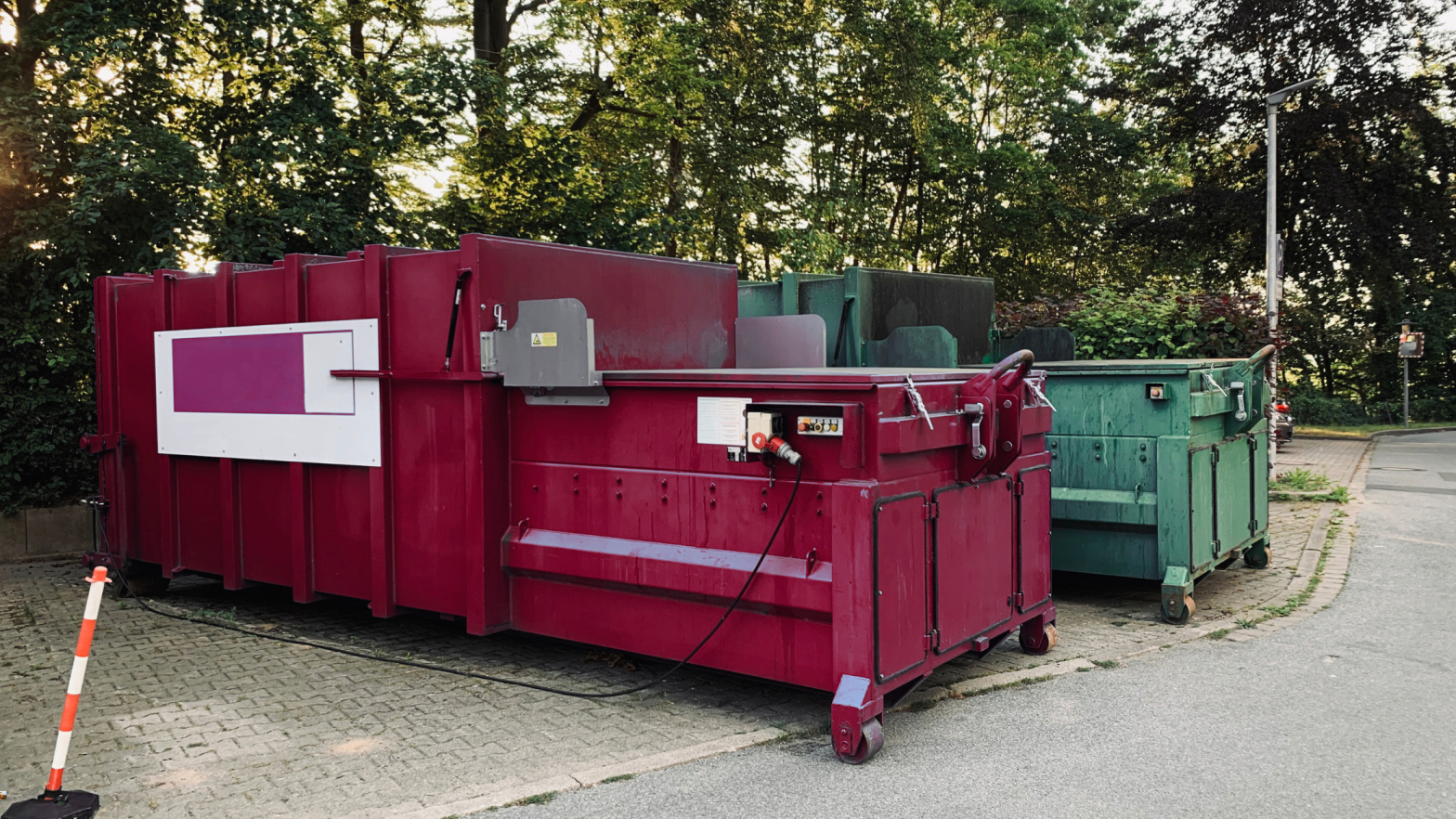
Did you know that unorganized waste can cost businesses thousands of dollars every year—not just in disposal fees, but in lost efficiency and hidden operational costs? It’s easy to overlook just how much waste impacts your bottom line until it’s too late. For businesses in San Diego, where every square foot counts and sustainability is a growing priority, finding smarter ways to manage waste isn’t just a nice-to-have—it’s a necessity. We understand how overwhelming waste management can feel, but there’s a solution that’s turning chaos into control for businesses across the city: industrial waste compactors. These powerful tools don’t just reduce waste volume—they transform the way businesses handle waste, unlocking savings, efficiency, and sustainability like never before.Let’s dive into the top benefits and see why an industrial waste compactor in San Diego could be the missing piece in your business strategy. Cost Savings on Waste Disposal One of the most immediate and noticeable benefits of using an industrial waste compactor is the significant cost savings it offers on waste disposal. By compressing waste into smaller, denser volumes, compactors reduce the number of pickups required. With fewer hauls, businesses can cut down on transportation fees, landfill charges, and associated costs. Beyond direct savings, compactors help businesses optimize their waste management budgets. The funds saved on waste disposal can be reallocated to other operational needs, such as upgrading equipment, enhancing employee training, or expanding services. Over time, the cost-efficiency of industrial compactors translates into a substantial return on investment, making them a smart financial choice for any business. Enhanced Space Utilization Space is a valuable commodity for businesses in San Diego, where high real estate costs demand efficient use of every square foot. Industrial waste compactors help maximize space by significantly reducing the area needed for waste storage. With less room dedicated to bins and dumpsters, businesses can repurpose valuable space for other operational needs, such as inventory storage, parking, or customer-facing areas. Compactors also contribute to better facility organization. By keeping waste contained and out of sight, they create a cleaner, more organized workspace that enhances productivity and reflects positively on your business to employees and customers alike. Environmental Impact and Sustainability San Diego’s commitment to sustainability and green initiatives makes industrial waste compactors a perfect fit for local businesses. By compacting waste, these machines reduce the overall volume of material sent to landfills, conserving landfill space and minimizing environmental impact. Fewer waste pickups mean fewer trucks on the road, which directly translates into lower greenhouse gas emissions. Businesses using compactors can take pride in reducing their carbon footprint while contributing to San Diego’s environmental goals. Additionally, compactors align with corporate sustainability initiatives, demonstrating a commitment to eco-friendly practices that can enhance your brand’s reputation. Improved Workplace Safety and Cleanliness Maintaining a clean and safe work environment is crucial for any business. Industrial waste compactors play a key role in achieving this by keeping waste securely contained. This minimizes the risk of spills, pests, and unpleasant odors that can disrupt operations and create health hazards. An organized waste management system also reduces the likelihood of accidents. Loose debris and clutter are common causes of workplace injuries, particularly in industries like manufacturing and retail. By compacting waste into manageable volumes, compactors keep work areas tidy and improve overall safety for employees and visitors. Increased Operational Efficiency Streamlining waste management processes can have a profound impact on overall operational efficiency. Industrial waste compactors simplify waste handling, allowing employees to focus on core tasks rather than dealing with overflowing bins or coordinating frequent pickups. With fewer waste hauls required, businesses experience less disruption to daily operations, saving valuable time and ensuring smoother workflows. Compactors provide a consistent and reliable solution for managing large volumes of waste, helping businesses maintain efficiency even during peak activity periods. Compliance with Local Regulations San Diego businesses must adhere to specific waste management laws and regulations to avoid fines and penalties. Industrial waste compactors can help ensure compliance by keeping waste management practices in line with local requirements. By compacting waste and organizing disposal processes, businesses can maintain accurate documentation and reporting, simplifying the process of meeting regulatory standards. Compactors provide peace of mind, allowing you to focus on growing your business while staying compliant with waste disposal laws. Types of Industrial Waste Compacting Solutions At The Mark-Costello Co., we offer a variety of industrial waste compacting solutions to suit the diverse needs of San Diego businesses. Self-contained compactors are ideal for managing wet and liquid-rich waste, making them a popular choice for restaurants, grocery stores, and facilities that handle organic materials. Their sealed design prevents leaks and odors, ensuring a clean and hygienic workspace. Stationary Compactors are perfect for managing dry, bulky waste, such as cardboard, packaging materials, and manufacturing debris. These machines are built for high-volume operations, making them a reliable choice for warehouses, retail centers, and industrial facilities. For businesses with unique requirements, we also offer customized compactors designed to handle specific waste types or fit within limited spaces. Client Testimonials: A Testament to Excellence At Mark Costello, client satisfaction and quality service are at the core of everything we do. Over the years, we have been privileged to serve a diverse clientele, and their feedback continually motivates us to deliver outstanding results. Here’s a notable testimonial from a valued client that speaks to our commitment and dedication: Carlos Miranda Luna President, MWT Inc. English Translation: *”Greetings, This letter is to thank you for your services to our company. Your teamwork has been very attentive and diligent in the way it has been carried out. We are very pleased with the teamwork, the price, and the quality of your services. We expect to continue an excellent business relationship with you in the near future.* Sincerely, Carlos Miranda Luna”* Original in Spanish: *”Saludos, La presente es para agradecer sus servicios a nuestra compañia. Su equipo de trabajo ha sido muy atento y diligente en las gestiones realizadas. Estamos muy complacidos con el equipo, el precio y …
Continue reading “Top Benefits of Using An Industrial Waste Compactor In San Diego”