
Blog
How Self-Contained Compactors Can Benefit Your Construction Site?
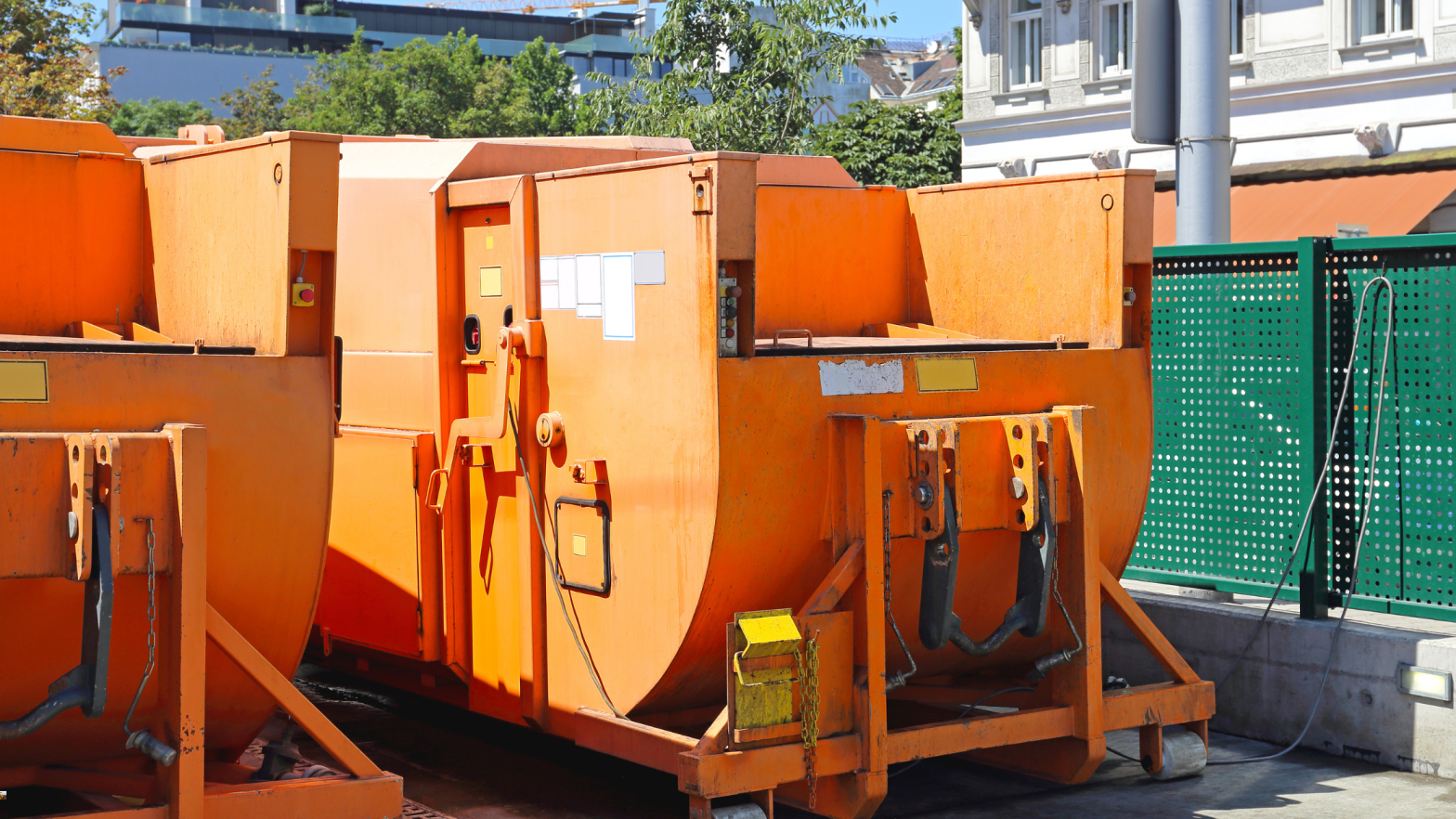
Ever wondered how much time and money your construction site could save if waste management wasn’t such a hassle? Think about the clutter, the constant hauls, and the risks it brings to your team’s safety. Now, imagine transforming all that chaos into a streamlined, cost-effective process that keeps your site cleaner, safer, and more efficient. Managing waste on a construction site doesn’t have to be overwhelming, and that’s where self-contained compactors come in. These innovative machines don’t just handle waste—they revolutionize the way it’s managed. Let’s dive into how they can turn one of your biggest site challenges into one of your greatest operational strengths. Understanding Self-Contained Compactors Self-contained compactors are highly efficient waste management machines specifically designed to handle wet or liquid-rich waste. Unlike standard compactors, they feature a sealed design that prevents leakage, making them ideal for managing construction debris that may include moisture or hazardous materials. These compactors operate by compressing waste into smaller, manageable volumes within a container that is permanently attached to the compactor unit. Once full, the entire unit can be hauled away, eliminating the need for manual waste handling. Their high compaction force, durability, and user-friendly operation make them a must-have for construction sites dealing with large amounts of waste. Self-contained compactors are particularly suited for construction projects where diverse types of waste—such as wood, drywall, packaging materials, and wet waste—accumulate quickly. By keeping waste organized and contained, they provide a cleaner and safer working environment. Key Benefits of Using Self-Contained Compactors on Construction Sites One of the most significant advantages of self-contained compactors is their ability to streamline waste management. By compacting waste, these machines drastically reduce its volume, minimizing the need for frequent waste pickups. This not only saves valuable time but also reduces operational disruptions, allowing workers to focus on core construction activities. Additionally, fewer waste hauls translate into substantial cost savings. With compactors efficiently reducing the volume of waste, construction sites can cut down on hauling expenses and landfill fees. Over time, this can lead to a significant return on investment, making these compactors a cost-effective solution for any project. Self-contained compactors also enhance site cleanliness and organization. By keeping waste neatly contained, they prevent debris from cluttering the workspace, improving both productivity and aesthetics. A clean site is not just more efficient—it’s also safer and more pleasant for workers and visitors alike. Improved Safety and Hygiene Safety and hygiene are critical concerns on any construction site. The sealed design of self-contained compactors ensures that waste, including potentially hazardous materials, is securely contained. This prevents the spread of pests, odors, and contaminants, creating a healthier work environment. Keeping waste areas organized also reduces the risk of accidents. Loose debris and clutter are common culprits behind trips, falls, and other workplace injuries. By using compactors to manage waste effectively, construction managers can minimize these risks and maintain a safe site for their teams. Environmental Impact and Sustainability Construction projects often generate significant amounts of waste, much of which ends up in landfills. Self-contained compactors can help reduce the environmental footprint of your site by compacting waste and minimizing the volume sent to disposal facilities. This conserves landfill space and supports broader sustainability efforts. Fewer waste pickups also mean fewer trucks on the road, resulting in lower carbon emissions. For construction companies striving to meet green building standards or align with environmental regulations, self-contained compactors offer a practical way to achieve these goals while maintaining operational efficiency. Increased Site Productivity Managing waste efficiently has a direct impact on overall site productivity. With self-contained compactors, workers spend less time handling waste and more time focusing on construction tasks. The streamlined waste disposal process eliminates the need for frequent interruptions, keeping operations running smoothly. Fewer pickups also mean less downtime, as there’s no need to halt activities for waste removal trucks. By improving waste management efficiency, compactors help keep project timelines on track, reducing the risk of delays and costly overruns. Durable and Reliable Performance Construction sites are demanding environments, and equipment needs to withstand heavy use and harsh conditions. Self-contained compactors from Mark-Costello are built with robust materials and advanced engineering to ensure durability and long-lasting performance. These compactors require minimal maintenance, making them a reliable choice for busy construction sites. With fewer breakdowns and repair needs, site managers can focus on their projects without worrying about waste management equipment. Choosing the Right Self-Contained Compactor for Your Construction Site Selecting the right compactor for your construction site starts with assessing your waste volume and type. Consider the materials your site generates, the space available for equipment, and the frequency of waste pickups. At Mark-Costello, we offer a range of self-contained compactors with customizable features to meet your specific needs. Our team of experts is here to guide you through the selection process, ensuring you choose the most efficient and effective solution for your project. With our support, you can maximize the benefits of your compactor and streamline your waste management operations. The Mark-Costello Co.: Your Top Partner for Compactor Solutions With decades of experience in the waste management industry, Mark-Costello is a trusted name for high-quality and reliable equipment. We understand the unique challenges construction sites face, and our self-contained compactors are designed to address these needs with precision and efficiency. Our commitment to innovation ensures that our compactors are built to the highest standards, combining durability, functionality, and ease of use. From product selection to installation and ongoing maintenance, our team provides exceptional customer service every step of the way. Don’t just take our word for it—construction companies across the country have seen the benefits of our compactors firsthand. Our proven track record of satisfied clients speaks to the value and reliability of our products. Customer Testimonials: The Mark-Costello Company’s Trusted Reputation When it comes to waste handling and recycling solutions, The Mark-Costello Company has consistently earned the trust and admiration of its clients. Here’s what industry professionals have to say about their experiences with Mark-Costello: “A Dependable Partner for …
Continue reading “How Self-Contained Compactors Can Benefit Your Construction Site?”
Why Big Mouth Mini Compactors Are The Ultimate Waste Management Solution
Waste piles up faster than we realize, doesn’t it? One minute it’s manageable, and the next, it’s overflowing bins, rising disposal costs, and endless frustration. What if there was a way to not only take control of your waste but also save space, cut costs, and support sustainability all at once? At Mark-Costello, we understand these challenges and have the perfect solution to make waste management less of a headache and more of a streamlined process. Our Big Mouth Mini Compactors are here to redefine how businesses handle waste. Let’s explore why these compactors are becoming the ultimate choice for businesses that value efficiency, cleanliness, and environmental responsibility. What Are Big Mouth Mini Compactors? Big Mouth Mini Compactors are advanced machines that compress waste into smaller, manageable volumes, making it easier to store, transport, and dispose of. They’re designed to simplify waste management while reducing costs, which is why they’ve become a staple for businesses across various industries. What makes our compactors truly unique is their compact yet powerful design. They fit perfectly into small spaces while delivering exceptional compaction capabilities, allowing you to maximize storage without the bulk of larger systems. These machines are built for ease of use, so your staff can quickly adapt to operating them with minimal training. With a focus on durability, they’re crafted to handle the daily demands of your business reliably and efficiently. Whether you run a restaurant, a retail store, or manage an apartment complex, our compactors offer a tailored solution to meet your specific needs. They’re versatile, adaptable, and built to make waste management simple for every business. How Big Mouth Mini Compactors Benefit Your Business? Space is a premium for most businesses, and our Big Mouth Mini Compactors are specifically designed to make the most of it. Their compact size means they can fit into tight areas like alleyways, back rooms, or utility spaces without disrupting your operations. This space-saving feature is a game-changer for businesses operating in urban settings or facilities with limited room for waste management equipment. Beyond saving space, these compactors significantly reduce the volume of waste you produce. By compressing trash into dense, compact blocks, they reduce the need for frequent waste pickups. This doesn’t just save you time—it slashes your waste disposal costs. Many of our clients have reported seeing a noticeable return on investment within months of installation. Ease of use is another key advantage of our compactors. We’ve designed them to be intuitive and user-friendly, ensuring your team can integrate them into daily operations without hassle. Whether you’re managing food waste, cardboard, or general trash, our compactors streamline the process, so your employees can focus on other tasks. Environmental Impact At Mark-Costello, we believe that waste management should go hand-in-hand with environmental responsibility. Our Big Mouth Mini Compactors play a significant role in reducing the amount of waste sent to landfills. By compacting waste into smaller volumes, you’re not only conserving valuable landfill space but also making a positive contribution to the environment. Fewer waste pickups mean fewer trucks on the road, which directly reduces greenhouse gas emissions. Businesses that use our compactors are taking active steps to minimize their carbon footprint, aligning with sustainability goals and improving their eco-friendly image. Many of our clients have found that integrating compactors into their operations helps them meet environmental regulations and demonstrates their commitment to sustainability. Enhanced Hygiene And Cleanliness A clean and hygienic workspace is essential for any business, and our compactors help you achieve that. By containing waste in compact, sealed blocks, they minimize exposure to odors and prevent pest problems. This creates a more pleasant environment for both employees and customers, enhancing your overall workplace experience. Organizing your waste management area also contributes to improved safety. With less clutter and fewer risks of spills or accidents, your team can work more efficiently in a safe and tidy space. Our compactors are designed to not only improve waste management but also elevate the overall cleanliness and safety of your operations. Versatility And Adaptability Our Big Mouth Mini Compactors are built to handle the diverse needs of different industries. Whether you’re in hospitality, retail, healthcare, or property management, these machines can adapt to your specific requirements. They’re versatile enough to manage a wide range of waste types, from food scraps and packaging to medical waste and recyclables. We understand that every business is unique, which is why we offer customizable options for our compactors. You can choose from various sizes, features, and models to find the perfect fit for your operation. Our machines are built to last, using high-quality materials and advanced engineering that ensure reliability and long-term performance. With minimal maintenance requirements, you can count on them to keep your waste management running smoothly. Cost-Effectiveness And ROI Investing in a Big Mouth Mini Compactor is one of the smartest financial decisions you can make for your business. By drastically reducing the volume of waste, you’ll need fewer pickups, which means significant savings on disposal fees. These savings add up quickly, making the compactors a cost-effective solution with a clear return on investment. The durability of our machines further enhances their value. Built to withstand daily use, they require minimal maintenance, reducing the risk of unexpected repair costs. This longevity ensures you’ll get the most out of your investment, allowing you to focus on growing your business rather than worrying about waste management expenses. By streamlining waste management processes, our compactors also save time and labor. Your employees can spend less time dealing with trash and more time focusing on core responsibilities, improving productivity across the board. Real Voices on the Mark Costello Experience Discover how Mark Costello Co. stands out as a trusted partner for clients across diverse industries. Here’s what our valued customers have to say about our commitment to quality, performance, and service: “Dependable and Critical to Our Operations” “The products that Mark Costello Co. is producing are of good quality. The auto-clave that I am responsible for works 24/7, …
Continue reading “Why Big Mouth Mini Compactors Are The Ultimate Waste Management Solution”
Innovative Waste Management Equipment: Solutions For Safer And Cleaner Facilities

Have you ever wondered how businesses and industries are evolving to manage waste more efficiently while keeping safety at the forefront? Waste isn’t just an afterthought anymore; it’s a major part of operations that impacts everything from environmental responsibility to daily safety in workplaces. Whether it’s a bustling hospital or a large manufacturing plant, improper waste management can lead to serious problems. The good news is that innovative waste management equipment is changing the game, offering safer, cleaner, and more efficient solutions for industries of all sizes. Let’s dive into how these cutting-edge technologies are not only streamlining waste processes but also helping to create more sustainable and secure facilities. The Challenges In Traditional Waste Management Traditional waste management methods have long posed challenges, particularly regarding health, safety, and the environment. Improper handling of waste can lead to significant health risks. In industries like healthcare and manufacturing, where hazardous or biohazardous materials are frequently produced, the risk of contamination is high. In these environments, employees are often exposed to harmful substances, increasing the likelihood of workplace accidents and health complications. This issue highlights the need for better equipment to minimize direct human contact with waste and improve overall safety. In addition to safety concerns, traditional waste management methods, such as landfilling and incineration, have a massive environmental impact. The reliance on landfills contributes to soil and water contamination, while incineration produces harmful emissions. These outdated practices also strain natural resources, pushing industries to seek more eco-friendly alternatives. Beyond environmental concerns, traditional waste management processes are often inefficient. Manual sorting, frequent waste collection, and outdated equipment lead to excessive labor costs, wasted space, and increased operational expenses. How Innovative Waste Management Equipment Is Changing the Game? Innovative waste management equipment offers solutions that address these challenges head-on. One of the most impactful advancements is the automated waste compactor. By significantly reducing waste volume, compactors help businesses save space and cut down on the frequency of waste collection, resulting in lower transportation costs. Modern garbage compactors also feature smart technology, with sensors that monitor waste levels and notify when it’s time for collection. This level of automation streamlines the waste management process, saving both time and money while ensuring proper waste handling. For industries dealing with large, bulky items, precrushers provide an ideal solution. These machines crush materials like furniture, pallets, and heavy containers before compacting them, making the waste easier to process and dispose of. Precrushers reduce the amount of space that bulky waste consumes, improving overall efficiency in waste management operations. Medical facilities face a unique set of challenges due to the biohazardous nature of their waste. Vacuum autoclaves have become a critical piece of equipment in these settings. These systems use high-pressure steam to sterilize medical waste, ensuring that dangerous pathogens are eliminated before disposal. Vacuum autoclaves not only meet the stringent health and safety regulations required for medical waste management but also offer an eco-friendly alternative to incineration by using steam instead of harmful chemicals. Shredders are another key innovation, especially in industries where confidential information must be securely disposed of. Businesses in healthcare, finance, and legal sectors, in particular, rely on shredders to destroy sensitive documents, preventing data breaches and safeguarding privacy. This simple but effective solution adds an extra layer of security to waste management processes. Recycling balers round out the lineup of essential waste management equipment. These machines compress recyclable materials like cardboard, plastics, and paper into compact bales, making it easier to transport and process them at recycling centers. Balers not only promote eco-friendly waste management practices but can also generate revenue by selling recyclables to recycling companies. The Benefits of Modern Waste Management Solutions The benefits of adopting innovative waste management equipment are far-reaching, impacting everything from workplace safety to operational efficiency. Advanced waste management systems significantly enhance facility safety by automating processes and reducing direct human contact with hazardous materials. These machines promote better hygiene, prevent contamination, and help avoid accidents, contributing to a healthier and safer work environment for employees. Efficiency is another major advantage. Automated waste management systems, such as compactors and precrushers, cut down on labor costs, optimize space usage, and reduce the need for frequent waste collection. By speeding up waste processing, businesses can allocate their resources more effectively, saving both time and money in the long run. In fact, many businesses find that the upfront investment in advanced waste equipment quickly pays off through operational savings and improved productivity. Environmental sustainability is at the forefront of modern waste management strategies. Innovative equipment like recycling balers and vacuum autoclaves helps reduce the volume of waste sent to landfills and lowers emissions by avoiding harmful incineration practices. These eco-friendly solutions align with global sustainability goals, allowing businesses to reduce their carbon footprint while meeting regulatory requirements. By adopting these technologies, companies can take meaningful steps toward greener waste management practices. Industries Benefiting From Advanced Waste Management Solutions Various industries stand to benefit from the integration of advanced waste management equipment. Healthcare facilities, for example, require specialized equipment such as vacuum autoclaves to safely manage biohazardous waste, ensuring that all materials are thoroughly sterilized before disposal. This is essential for protecting both healthcare providers and patients from contamination risks. Manufacturing and industrial sites also benefit greatly from equipment like precrushers and compactors. These machines streamline the handling of bulky materials, reduce space consumption, and lower transportation costs—critical for industries that generate large amounts of waste. Retail and commercial spaces, where packaging waste and outdated equipment often pile up, can use shredders and balers to improve waste management. These solutions not only help keep facilities organized and clean but also contribute to better recycling practices, boosting the environmental profile of these businesses. The Premier Choice For Innovative Waste Management Solutions At Mark-Costello Co., we provide innovative waste management solutions tailored to meet the unique demands of various industries. Our cutting-edge equipment is designed to enhance safety, boost operational efficiency, and support sustainability efforts. Whether you need compactors, precrushers, vacuum autoclaves, …
Continue reading “Innovative Waste Management Equipment: Solutions For Safer And Cleaner Facilities”