
Blog
Streamline Waste Management With A Durable Medical Waste Disposal Cart
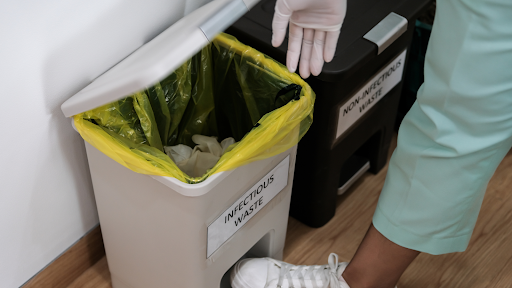
We understand that healthcare professionals don’t just deal with patients, they manage an ongoing flow of materials, equipment, and regulated waste. Among these, medical waste is one of the most sensitive and strictly regulated elements in your daily operations. Hospitals, outpatient facilities, surgical centers, dental practices, and laboratories all generate waste that, if not handled properly, poses a direct risk to human health and the surrounding environment. This includes biohazardous materials like blood-soaked bandages, used needles, surgical tools, and personal protective equipment, all of which must be disposed of with precision and care. That’s why having the right tools, like a Medical Waste Disposal Cart, is essential for ensuring safety, compliance, and efficient waste handling every step of the way. The volume and complexity of medical waste have grown significantly in recent years. As healthcare advances and patient throughput increases, the pressure to maintain safe, timely, and compliant waste handling has never been higher. Facilities that fall behind in this area often face avoidable consequences, regulatory violations, staff injuries, disease transmission, and disruption to patient care. We’ve seen situations where inconsistent disposal practices led to fines from OSHA or the EPA, avoidable contamination of clean zones, or even patient exposure to harmful pathogens. But compliance isn’t just about avoiding penalties, it’s about protecting people. From the housekeeping staff to surgical teams, anyone who interacts with waste needs tools they can count on. That’s why we always emphasize the importance of having the right equipment in place. A well-designed, durable medical waste disposal cart isn’t just a container; it’s the frontline tool that supports infection control protocols, streamlines operations, and ensures staff stay focused on care instead of clean-up. When waste handling is seamless, the entire facility functions more efficiently, and that’s exactly what we’re here to help you achieve. Why Does a Medical Waste Disposal Cart Matters? Let’s cut to the point: a proper waste cart is not optional, it’s essential. When waste collection is inefficient or unsafe, the entire system begins to break down. That’s why at The Mark-Costello Co., we’ve put our energy into creating waste carts that actually work for the people using them. First, let’s talk about workflow integration. In a fast-paced hospital or clinic, you don’t have time to make multiple trips back and forth to waste disposal areas. Our carts are designed to keep up with your staff. With smooth-rolling casters, lightweight frames, and thoughtfully placed handles, our units move through tight hallways, busy wings, and cluttered spaces with ease. We’ve also included features like low-resistance foot pedals for hands-free lid operation, helping maintain hygiene and reduce cross-contamination risks during busy rounds. Next comes hygiene and infection prevention, which is more than just a concern; it’s a mandate. Our carts come with tightly sealed lids that help control odors, prevent leaks, and reduce the chance of airborne transmission of biohazards. This is especially critical in units where airborne pathogens or bloodborne diseases are a concern. We design our carts using non-porous, puncture-resistant materials that are easy to wipe down and sanitize between uses. No cracks, no hidden crevices, and no guesswork, just clean, safe waste containment. Safety is at the core of every cart we manufacture. Sharps disposal errors, overfilled red bag containers, and broken wheels may seem minor until someone gets injured. Our waste carts are built to prevent these risks. Reinforced bodies prevent cracking, locking lids keep dangerous waste secure, and smart designs prevent tipping or spilling during transport. We also make sure the cart’s height and grip points reduce physical strain, so staff aren’t bending, lifting, or twisting more than they have to. It’s all about making daily routines safer and easier for your team. A well-built medical waste disposal cart reduces mistakes, increases efficiency, and keeps people protected. It’s not just a cart, it’s a critical part of how you deliver safe healthcare. Benefits of Using a Durable, High-Quality Cart Investing in durable waste management tools may not be glamorous, but it’s one of the smartest decisions you can make for your facility. When you rely on subpar carts, you end up dealing with cracked plastic, broken wheels, loose lids, and worst of all, wasted time. We focus on quality so you don’t have to think about waste carts ever again. That’s the goal: one less thing to worry about in your already packed schedule. Durability translates directly into cost savings. We use industrial-grade materials that withstand constant use, hard knocks, chemical exposure, and heavy-weight loads. That means fewer replacements, fewer repairs, and less downtime. Over time, this leads to significant budget efficiency, money that can go back into patient care or staffing rather than fixing infrastructure issues. But the benefits don’t stop at cost. High-quality carts also support waste segregation and infection control. We offer carts with divided bins so you can collect sharps, red bag waste, and general trash all in one trip. Color-coded compartments and clear labeling systems make it easier for staff to follow protocols and avoid cross-contamination. Everything has its place, and everything stays in its place, simple as that. These carts also improve transportation workflows inside your building. Whether you’re pushing the cart down long corridors, riding elevators, or working in tight quarters, our design features ensure that movement is smooth and stable. Our carts are tested to perform under pressure, and we build them to prevent tipping, even when navigating fast corners or abrupt stops. That adds up to fewer spills, less stress, and better containment throughout the disposal process. Finally, there’s the efficiency factor. Our carts are built to speed up cleanups and cut down the time it takes to handle medical waste. No more backtracking to find another bin or struggling to open a container with full hands. Everything about our carts is optimized to support your team’s pace, because when you’re dealing with real patients and real lives, every second counts. How To Choose The Right Medical Waste Cart For Your Facility? Choosing the right medical waste disposal cart …
Continue reading “Streamline Waste Management With A Durable Medical Waste Disposal Cart”
High-Performance Self-Contained Compactor for Efficient Waste Control & Compliance

Tucked behind warehouses, beneath loading docks, or beside commercial kitchens, there’s a machine quietly transforming how modern businesses handle waste. It doesn’t take up much space. It doesn’t demand constant attention. Yet, it plays a critical role in keeping operations clean, compliant, and cost-effective. This is the self-contained compactor—an all-in-one system engineered to handle both wet and dry waste without leaks, odors, or the constant interruptions of overflowing bins and frequent pickups. As industries face increasing pressure to improve sanitation standards and reduce environmental impact, especially in regulatory-heavy states like California, the demand for smarter, more contained waste solutions has never been greater. Whether installed behind a supermarket, outside a hospital, or integrated into a manufacturing site, these high-performance compactors bring more than convenience—they bring control. And for businesses that generate large volumes of waste daily, that control can mean the difference between compliance and costly setbacks. What Is a Self-Contained Compactor and How Does It Work? A self-contained compactor is exactly what it sounds like—a single, sealed unit that combines both the compaction mechanism and the waste container into one enclosed system. Unlike stationary compactors, which require a separate container and can struggle with liquids, self-contained units are completely sealed, making them the ideal choice for environments that generate both wet and dry waste. The core of the system is the compactor, which compresses waste into the container section using a powerful ram. Once full, the entire unit—compactor and container together—is hauled away, swapped with a clean unit, and the waste is responsibly processed. No leaks, no cross-contamination, and no mess left behind. This makes self-contained compactors perfect for businesses that need more than just a place to toss garbage. You’ll find them in supermarkets handling food waste, hospitals managing bio-contaminants, hotels and resorts dealing with mixed-use waste, food processors, and industrial warehouses where sanitation and safety are top priorities. Wherever wet or odorous waste is a concern, this all-in-one unit provides the cleanest, most compliant option available. The Real Benefits of High-Performance Self-Contained Systems Let’s be honest—managing waste can be gross. And costly. And, if you’re not careful, non-compliant. That’s why high-performance self-contained compactors are so valuable: they turn a messy, expensive problem into a safe, clean, and cost-effective process. The first benefit is the leak-proof design. Because the entire unit is sealed, there’s no risk of liquid waste spilling out and contaminating the area. That’s a huge win for businesses dealing with wet waste, especially in industries like food service or healthcare. Plus, by controlling odor and sealing off waste from pests, you maintain a more sanitary environment and reduce the need for constant cleanups. The second major advantage is waste volume reduction. These compactors compress garbage so efficiently that you need far fewer hauls, cutting down your pickup frequency and significantly reducing your hauling costs. That kind of savings adds up fast, especially for facilities generating high waste volumes daily. You also get a boost in operational safety and efficiency. These systems are designed to operate quietly and automatically, reducing the physical labor needed to handle waste. Workers spend less time dealing with trash and more time on productive tasks. With fewer touchpoints and safer handling, the risk of injury drops, too. Staying Compliant in a Complex Regulatory Environment Compliance isn’t optional—especially in a state like California, where businesses are held to some of the strictest environmental and safety standards in the country. Whether you’re dealing with OSHA guidelines, EPA rules, or local sanitation codes, the right compactor can be a big part of staying ahead. Self-contained compactors help you meet these requirements in several ways. Their sealed design minimizes workplace hazards and reduces the chance of contamination or slip-and-fall incidents from leaking liquids. The compacted waste is easier to handle and less likely to attract pests or produce harmful gases. There’s also the environmental angle. By reducing the number of waste pickups, you’re cutting back on fuel use and carbon emissions from hauling vehicles, supporting broader sustainability goals. In fact, many of these systems can be paired with recycling initiatives or food waste recovery programs to help businesses align with California’s ambitious waste diversion mandates. If your facility is subject to inspections or audits, having a reliable, well-documented compactor system can make all the difference. It shows that you’re not only managing waste, you’re managing it responsibly. Built to Last: Features That Drive Performance and Reliability Self-contained compactors aren’t just about functionality—they’re about durability and performance, especially in tough environments. That’s why top-tier systems like the ones we design at The Mark-Costello Co. are made with heavy-duty steel construction and reinforced welds that can stand up to years of daily use. To make them smarter and more efficient, we integrate features like automatic cycle timers, remote monitoring, and overload protection. These tools allow facilities to monitor performance in real time, automate processes, and avoid downtime from jams or overfills. We also offer custom sizes and configurations to suit your specific facility layout. Whether you need something to fit into a dock enclosure, outdoor space, or tight loading zone, we’ll design a compactor that fits perfectly. From top-loading to ground-fed designs, flexibility is key—and it’s something we prioritize with every installation. Why Smarter Waste Control Pays Off in the Long Run Sure, a self-contained compactor is an upfront investment. But it’s one that pays for itself quickly—and keeps delivering returns long after installation. The most obvious savings come from reduced hauling costs. Fewer pickups mean lower transportation fees and less wear and tear on facility operations. You’ll also save money on labor, since staff won’t need to handle or move waste as often, and there’s less cleanup due to spills or pests. Then there’s the less tangible—but equally valuable—boost to your brand reputation. A clean, organized, and odor-free facility leaves a better impression on clients, regulators, and employees alike. For companies pursuing LEED certification or other green building standards, modern compactor systems can contribute points under sustainable operations and waste management categories. In a competitive …
Heavy-Duty Aluminum Waste Disposal Cart for Industrial & Commercial Waste Solutions

During the day-to-day hustle of running an industrial or commercial facility, it’s easy to overlook the unsung heroes—the equipment that quietly keeps everything flowing, clean, and compliant. One of those often-ignored essentials is the heavy-duty aluminum waste disposal cart. It’s not glamorous. It doesn’t beep or whir like high-tech machinery. But without it, your workspace would quickly turn chaotic, unsafe, and inefficient. Think about it: every time someone clears debris off a production line, cleans up after a service shift, or disposes of potentially hazardous waste, they’re depending on a cart that can handle the job. And not just any cart—one that won’t tip, leak, corrode, or crack under pressure. Especially here in California, where environmental expectations are sky-high and regulations leave little room for shortcuts, having the right waste handling solution isn’t just helpful—it’s mandatory. We’ve seen how the right waste cart can streamline entire workflows. And if it’s made from aluminum? Even better. Let’s explore why aluminum carts are the smart, sustainable, and long-lasting choice for industrial and commercial waste solutions. Why Aluminum? The Material That Outperforms in Every Condition When you’re choosing waste disposal carts for industrial use, the material you choose makes a major difference. Aluminum has earned its reputation as the top performer in high-demand environments—and it’s easy to see why. Its unique combination of strength, lightness, and corrosion resistance makes it ideal for environments where carts are pushed to their limit every single day. Unlike plastic, which can become brittle over time or warp under heat, aluminum stays structurally sound even when exposed to high temperatures, abrasive materials, or chemical agents. Compared to steel, aluminum offers a better strength-to-weight ratio, meaning it’s durable enough to handle heavy loads without being too bulky or difficult to maneuver. One of aluminum’s biggest advantages is its natural resistance to rust and corrosion. In industries like food processing, manufacturing, or medical waste handling—where moisture and chemicals are common—this is a critical feature. While steel carts may corrode or require protective coatings, aluminum holds up naturally, making maintenance easier and long-term performance more dependable. Plus, aluminum is one of the most eco-friendly materials available. It’s fully recyclable and requires less energy to process compared to many alternatives. So, when you choose aluminum, you’re not only getting superior performance—you’re also making a more sustainable choice for the planet, a key concern in California’s environmentally focused industrial landscape. Where Heavy-Duty Aluminum Carts Truly Excel in the Real World? If you walk into any bustling industrial facility, chances are you’ll find an aluminum waste disposal cart doing the heavy lifting—sometimes literally. These carts shine brightest in environments where waste isn’t light or easy. In fact, they’re built for situations where other carts simply can’t keep up. Take food processing plants, for example. The waste is often wet, heavy, and prone to causing rust or bacterial buildup. An aluminum cart, with its corrosion resistance and easy-to-clean surface, fits perfectly into this environment. It can handle liquids, organic materials, and rapid cleaning cycles without losing strength or sanitation quality. In manufacturing and industrial settings, the waste is more rugged—metal scraps, sharp parts, oily rags, broken tools. This isn’t the kind of trash you can throw in a flimsy plastic bin. Aluminum’s durability and high load capacity make it the go-to for safely containing and transporting such materials without risk of damage or failure. Distribution centers and large institutions also rely on heavy-duty aluminum carts to keep waste moving efficiently through busy environments. Whether it’s discarded packaging, recycling materials, or bulk refuse from daily operations, these carts provide dependable transport through tight warehouse aisles, elevators, and loading docks. And don’t forget about chemical-heavy environments, where both structural integrity and chemical resistance are non-negotiable. In these spaces, aluminum is one of the few materials that can withstand harsh exposure without degrading over time. What to Expect from a Well-Built Aluminum Waste Cart? It’s not just about the material—it’s about the engineering. A high-quality aluminum waste disposal cart should be more than just a metal box on wheels. It should feel like a natural extension of your facility’s workflow—tough, reliable, and easy to use. We focus on the details that make all the difference. That starts with a reinforced frame, designed to handle high-load capacity without bending or twisting. These carts are often subjected to hundreds of pounds of waste daily, so structural integrity is key. Next, mobility matters. We use industrial-grade casters that glide smoothly across different floor surfaces while standing up to frequent stops and starts. Locking mechanisms are built to prevent movement when the cart is stationary, ensuring safety during loading or temporary storage. Leak-proof construction is another must-have. Whether you’re dealing with liquid waste or materials that emit odor, sealed construction helps prevent spills and keeps working environments clean and compliant. Combine that with ergonomic handles and custom sizing options, and you get a cart that doesn’t just survive in your facility—it thrives. We also recognize that every facility is different. That’s why we offer customizable solutions—whether you need stackable models, integrated lids, or labeling systems for waste segregation and compliance. Compliance and Safety: Meeting California’s Standards with Confidence In California, waste management is about more than just logistics—it’s about regulatory compliance and workplace safety. Agencies like Cal/OSHA and local health departments require businesses to adhere to specific standards when it comes to waste handling and disposal. Using the right equipment, like a sealed, heavy-duty aluminum waste cart, plays a huge role in maintaining compliance. Carts that leak, break, or lack secure mobility features can lead to injuries, contamination, and failed inspections. That’s why our aluminum carts are built with safety-first features that help your team stay ahead of regulations and avoid costly penalties. They also support compliance documentation with built-in features for tracking usage, labeling, and waste categorization. When audits come around, having reliable, well-maintained carts in place gives you peace of mind—and a much easier path to passing with flying colors. Why Investing in Durability Pays Off Over Time? Let’s …