
Blog
Maximize Compression Power with a Heavy-Duty Stationary Compactor
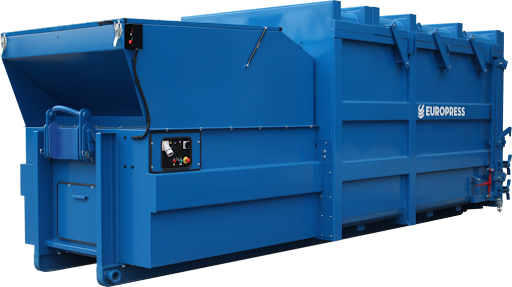
What if your biggest operational bottleneck isn’t In your production line Or delivery schedule, but In your dumpster? It’s a question more businesses are beginning to ask as they look closer at the mounting piles of dry waste cluttering their docks, clogging their workflow, and quietly draining their budget. In today’s industrial landscape, waste isn’t just a byproduct; it’s a daily logistical challenge. With every cardboard box, plastic wrap, and wooden pallet that enters your facility, another volume problem is born. And if you’re relying on standard bins or dumpsters to handle it all, you’re fighting a losing battle. The truth is, traditional waste disposal methods just weren’t built for the scale of modern commerce. Haulers are coming more often, costs are stacking up, and space is shrinking fast. That’s why forward-thinking facilities are making a smarter move: investing in heavy-duty stationary compactors. These machines are built not just to manage waste, but to dominate it. This blog will walk you through why stationary compactors are becoming a must-have for high-volume operations, how they work, what makes them so effective, and why partnering with the right manufacturer, like The Mark-Costello Co., can completely transform your waste management strategy. Let’s dive in and discover how the right compactor doesn’t just take out the trash, it redefines how your business runs. What Is a Stationary Compactor and How Does It Work? A stationary compactor is an industrial-grade machine specifically designed to compress dry waste at a fixed location. Its main function is to compact large amounts of waste material, such as cardboard, plastics, foam, and shrink wrap, into a much smaller, denser volume, making it easier and more cost-effective to transport and dispose of. Unlike mobile or self-contained compactors, a stationary compactor is permanently installed on-site, typically near loading docks, warehouse exits, or waste collection areas. Its name comes from the fact that the compactor itself remains stationary while only the container holding the compressed waste is detached and hauled away when full. The operation of a stationary compactor is straightforward yet highly effective. Waste is fed into a hopper, either manually, via conveyor systems, or through chute-fed configurations. Once the chamber is filled, a hydraulic ram pushes the waste with immense pressure into a steel container attached to the back of the unit. As the ram retracts, the hopper is ready to receive more waste, and the process repeats until the container is full. When it reaches capacity, a waste hauler detaches the filled container, empties it at a processing facility or landfill, and returns it to the compactor, all without interrupting facility operations. Stationary compactors are ideally suited for businesses where large volumes of dry waste are generated consistently throughout the day. Industries such as retail distribution, food and beverage packaging, e-commerce warehousing, and industrial manufacturing rely on these machines to manage waste more efficiently. Their robust design, high compaction power, and ability to integrate with material handling systems make them one of the most practical and effective solutions for modern waste control. Top Advantages of Heavy-Duty Stationary Compactors Installing a heavy-duty stationary compactor is more than just a facility upgrade; it’s a strategic business decision that unlocks long-term advantages. The benefits extend far beyond simple waste reduction, impacting everything from operational costs and logistics to safety, hygiene, and environmental responsibility. One of the most immediate and measurable advantages is the compactor’s ability to deliver high compression ratios. These machines are designed to apply significant pressure to dry waste, compressing it into a fraction of its original volume. Instead of dealing with multiple overflowing bins or piles of loose waste materials, businesses can reduce bulk and extend the usable life of every container. This results in fewer hauls, fewer frequent interruptions to daily operations, and reduced waste disposal costs. The savings can be substantial, especially for high-output facilities that otherwise require multiple waste pickups per week. Beyond the cost factor, space optimization is another major advantage. In facilities where space is at a premium, cluttered waste areas can limit productivity and present a serious safety hazard. Overflowing dumpsters not only block loading docks and access routes but also attract pests and create fire risks. By consolidating waste into one compact, sealed container, stationary compactors free up valuable square footage that can be used for production, inventory storage, or logistics operations. It’s a cleaner, smarter way to use your space, and it shows in the overall organization and professionalism of your facility. Another critical benefit is cleaner, safer operations. With a sealed compaction system, waste is no longer exposed to open air, reducing issues with odor, litter, and rodent infestation. Waste is processed and stored in a hygienic, controlled environment, minimizing contact between staff and potentially hazardous materials. This helps businesses stay compliant with OSHA and sanitation regulations while also creating a safer work environment for employees. And of course, there’s cost efficiency over time. Although heavy-duty stationary compactors require an upfront investment, the return is clear and ongoing. Businesses save on hauling fees, reduce the need for additional waste containers, lower labor costs associated with waste handling, and avoid potential fines for sanitation violations. It’s a win across the board, making stationary compactors a key component of any industrial efficiency strategy. Choosing A Compactor That Matches Your Business Needs Selecting the right stationary compactor isn’t just about buying a powerful machine; it’s about finding a system that fits seamlessly into your business operations and solves your unique waste challenges. That means considering several factors carefully before making your investment. The first and most important factor is your waste type and daily volume. Different compactors are optimized for different materials. If your facility produces mostly cardboard, you may need a high-cycle unit that can process large amounts of lightweight material quickly. On the other hand, if you’re handling dense plastics or wooden packaging materials, you’ll need a compactor with greater ram force and reinforced components. Understanding the nature and quantity of your waste helps …
Continue reading “Maximize Compression Power with a Heavy-Duty Stationary Compactor”
Top Benefits of Using A Wet Waste Compactor For Businesses

Every business produces waste, but not all waste is created equal. If you’ve ever walked past your dumpster on a summer day and been hit with an eye-watering stench, chances are you’re dealing with wet waste. That sour smell, the oozing fluid, the pests buzzing around, it’s all tied to the one type of waste most businesses struggle to control. So, what exactly is wet waste? It’s the heavy, soggy material packed with moisture, think leftover food, kitchen scraps, spoiled produce, dairy residue, coffee grounds, and organic packaging. This kind of waste doesn’t just smell bad, it creates logistical and financial headaches. Wet waste is dense and decomposes quickly, making it a magnet for bacteria, pests, and mess. The worst part? It’s expensive to haul because waste removal services often charge by weight. That’s why more businesses are turning to a Wet Waste Compactor, a powerful solution that reduces volume, contains odors, and cuts down on hauling costs. Industries like hospitality, healthcare, food service, food processing, and grocery retail are hit hardest. These environments generate high volumes of wet waste daily, and when that waste isn’t handled properly, it can backfire in the form of leaks, safety hazards, pest problems, and compliance issues. Managing wet waste with regular bins and dumpsters is like trying to carry soup in a paper bag. Sooner or later, it’s going to leak, smell, or break down, and someone will have to deal with the fallout. That’s why businesses serious about hygiene, efficiency, and cost savings are turning to a better solution: the wet waste compactor. What Is A Wet Waste Compactor And How Does It Work? Let’s get straight to the point: a wet waste compactor is your first line of defense against messy, costly, and inefficient waste management. It’s a powerful machine designed specifically to compress moisture-heavy waste and contain it in a safe, leakproof, and odor-controlled environment. Unlike dry waste compactors, which are typically used for cardboard and packaging, a wet waste compactor is built to handle food scraps, liquids, and other organic waste. These machines use high-pressure hydraulics to compress the waste into a tightly packed container, reducing volume while sealing in moisture and odors. It’s not just about space, it’s about sanitation and control. Key to a wet waste compactor’s effectiveness is its liquid-tight construction. These units are made with sealed chambers and reinforced steel to prevent any leakage during or after the compaction process. Inside, a drainage system collects excess liquids in a separate reservoir, which can be cleaned or disposed of separately. This not only improves hygiene but also prevents the waste from reabsorbing its own runoff, something that can happen in traditional bins or dumpsters. The rugged design of a quality compactor ensures it can handle the daily grind. From heavy-duty castor wheels and corrosion-resistant metal to sealed doors and automated controls, every component is built to withstand the abuse of moisture-rich materials and the operational demands of busy commercial settings. If you’ve ever wished for a way to contain the chaos of leaking trash bags, foul odors, and overflowing bins, this is it. A wet waste compactor doesn’t just make waste smaller; it makes your entire facility cleaner, safer, and easier to manage. Major Benefits of Using A Wet Waste Compactor You might be wondering, beyond keeping things cleaner, what real difference does a wet waste compactor make for your business? The answer: a lot more than most people realize. While it’s easy to view waste as just another back-end task, how you handle it directly impacts your bottom line, your hygiene standards, and even your environmental footprint. Wet waste compactors aren’t just about convenience; they’re about turning a messy, expensive challenge into a streamlined, efficient system that works for you, not against you. 1. Cut Down Hauling Costs, Dramatically: Here’s the financial truth: wet waste is heavy, and waste management companies charge by weight or pickup frequency. When you reduce waste volume through compaction, you instantly lower the number of times your waste needs to be hauled away. That means fewer pickups, lower fuel charges, and reduced tipping fees. Over the course of a year, this can save thousands of dollars, especially for businesses generating high volumes of organic waste daily. With a wet waste compactor, you’re no longer paying to remove a bunch of unnecessary air and water. You’re getting real value by optimizing every haul. And in industries like foodservice or healthcare, where waste is both constant and messy, that adds up fast. 2. Cleaner Workspaces and Healthier Environments: Nothing drags down morale or sanitation scores like a smelly, leaking dumpster behind your building. Wet waste is notorious for creating hazardous conditions, from slippery floors to airborne bacteria. When it’s not contained properly, it attracts rats, insects, and unpleasant odors that can drift into public areas or kitchens. A wet waste compactor solves this by sealing waste inside a leakproof, odor-resistant container. Liquids are drained and stored separately, meaning no more trash juice trickling across your loading dock or kitchen floor. Your waste becomes cleaner to handle, easier to transport, and far less likely to cause accidents, illnesses, or code violations. 3. Save Space and Simplify Operations: Space is a premium in almost every commercial setting. When you’re using oversized dumpsters or waste bins filled with loose, uncompressed wet waste, you’re wasting valuable square footage that could be used for inventory, equipment, or customer seating. Wet waste compactors free up space by reducing the size of waste loads and centralizing waste into one manageable unit. That means less clutter, better flow, and fewer staff hours spent moving trash from point A to point B. You also reduce the time and effort required for waste handling, which lowers labor costs and improves productivity. 4. Build A More Sustainable Business Model: In an age of growing environmental awareness, reducing your waste footprint is more than a good idea; it’s an expectation. Wet waste compactors help your business become more sustainable …
Continue reading “Top Benefits of Using A Wet Waste Compactor For Businesses”
Efficient Sterilization Starts With A High-Performance Medical Waste Autoclave

In healthcare, sterilization isn’t just a procedure; it’s a responsibility. We know that every facility dealing with biohazardous waste needs more than just disposal methods. You need dependable, high-performance sterilization to protect your staff, your patients, and your community. That’s where the medical waste autoclave comes in. Every day, hospitals, surgical centers, dental offices, and laboratories generate tons of infectious waste. We’re talking about contaminated gloves, blood-soaked gauze, disposable instruments, and used sharps. If this waste isn’t properly sterilized before disposal, it becomes a serious threat. Pathogens like MRSA, Hepatitis B, and even COVID-19 can survive in untreated waste, leading to infection outbreaks, regulatory violations, and environmental hazards. Improper sterilization also comes with financial consequences. Regulatory agencies like OSHA, the CDC, and the EPA all mandate specific handling and treatment of infectious waste. If you’re caught cutting corners or if your sterilization equipment fails, you could face steep fines, legal action, and damage to your reputation. That’s a risk no facility should be willing to take. That’s why the autoclave has earned its reputation as the gold standard in sterilizing medical waste. Unlike chemical treatments or manual processes, autoclaves use pressurized steam to kill bacteria, viruses, spores, and pathogens effectively and consistently. They render waste non-infectious, making it safe for final disposal. If you want a system that’s both scientifically proven and regulatory-approved, an autoclave should be at the core of your waste management operation. At the end of the day, sterilization isn’t just about compliance; it’s about care. It’s about doing the right thing for your staff, your patients, and the environment. And we’re here to make sure you’ve got the right equipment to do just that. How Medical Waste Autoclaves Work? If you’ve never taken a deep dive into how autoclaves function, let us walk you through it. The science behind them is actually pretty fascinating and incredibly effective. A medical waste autoclave works by using high-pressure, high-temperature steam to sterilize waste. Once the chamber is sealed, the machine heats water to generate steam, which is then forced into the chamber under pressure. Typical operating temperatures reach 250–270°F (121–132°C), with pressure levels ranging from 15 to 30 psi. This combination of heat and pressure ensures that even the most resilient microorganisms are destroyed. Why steam? Because it penetrates waste materials more thoroughly than dry heat or chemical agents. Steam envelops every surface, seeping into porous materials and reaching every hidden crevice where pathogens might be hiding. That’s especially important when treating things like surgical instruments, cloth dressings, or sharp containers filled with mixed waste. Autoclaves work on a variety of waste types, including: Sharps waste like used needles, scalpels, and ampoules Red bag waste including blood-soaked gauze, gowns, gloves, and tubing Contaminated instruments, such as reusable surgical tools or lab glassware The result? Waste that’s no longer biologically dangerous. Once it’s gone through a proper autoclave cycle, it can be handled and disposed of without posing a risk to anyone who comes into contact with it. More importantly, autoclaves provide a repeatable, verifiable sterilization method. Each cycle is logged, timed, and temperature-monitored, which makes documentation for regulatory compliance straightforward. There’s no guesswork, just clean, safe, sterilized waste, ready for final handling or disposal. Key Features of A High-Performance Medical Waste Autoclave Not all autoclaves are created equal. When you’re choosing a sterilization system for your facility, you need more than a generic machine. You need something powerful, reliable, and designed with healthcare professionals in mind. That’s what we build at The Mark-Costello Co. Let’s start with the most critical feature: temperature and pressure control. Autoclaves must maintain exact environmental conditions to destroy pathogens. Our systems come with programmable digital controls that let you dial in the precise temperature, pressure, and duration for each cycle. This ensures that your waste is consistently and thoroughly sterilized every time. Next is cycle automation. With high-performance autoclaves, there’s no room for guesswork or human error. That’s why our systems are fully automated, from door sealing to steam injection to drying. Staff can load the waste, start the cycle, and focus on patient care while the system handles the rest. It’s about safety, consistency, and time savings. Energy efficiency is another big factor. Medical facilities can’t afford to burn through power, and neither can the planet. That’s why our autoclaves are engineered to consume less energy per cycle without compromising performance. They use intelligent heat distribution systems and water recovery features that minimize waste and reduce utility bills. Capacity and throughput also matter, especially for large hospitals or high-volume labs. We offer autoclaves in a range of sizes to meet your needs, from compact models for outpatient clinics to large-capacity chambers that can process hundreds of pounds of waste per cycle. This scalability allows you to handle your waste load without delay or backlog. Finally, let’s talk about safety. Our autoclaves come equipped with built-in safety interlocks, pressure release systems, and emergency shutoffs. These features prevent accidental opening during cycles and protect your staff from heat or steam exposure. We also design our units with intuitive touchscreens and clear displays, so operators can see the status of every cycle at a glance. A great autoclave doesn’t just perform, it performs with precision, safety, and reliability. That’s what makes the difference between routine sterilization and truly efficient waste management. Operational And Environmental Benefits Sterilization isn’t just about treating waste; it’s about transforming your entire waste process. A high-performance medical waste autoclave gives your facility a cleaner, greener, and more compliant approach to waste disposal. And yes, it even saves you money. One of the biggest operational advantages is volume reduction. Autoclaving reduces the mass and density of your waste, which means you’re sending less volume to landfills or incinerators. This cuts down on transportation costs and tipping fees, and it’s better for the environment. More importantly, autoclaving neutralizes the infectious nature of your waste, turning a public health hazard into regular solid waste. This simplifies handling and final disposal while reducing …
Continue reading “Efficient Sterilization Starts With A High-Performance Medical Waste Autoclave”