
Category Archives: Waste Management
Commercial Waste Compactor Options For Efficient Waste Management In Businesses

Effective waste management is an essential yet often overlooked aspect of running a business. Whether it’s a retail store, office, manufacturing facility, or restaurant, every business generates waste that needs to be managed efficiently. Yet, many businesses struggle with challenges like overflowing waste bins, high disposal costs, and limited storage space. Commercial waste compactors offer a practical solution to these challenges. These machines are designed to reduce the volume of waste, making it easier and more cost-effective to store, transport, and dispose of. By incorporating a waste compactor into your operations, you can streamline waste management processes while contributing to a cleaner environment. Let’s dive into the world of commercial waste compactors, their benefits, and how they can revolutionize your business. What is a Commercial Waste Compactor? A commercial waste compactor is a specialized machine that compresses waste into smaller, denser forms. This process significantly reduces the volume of waste, making it easier to store and transport. Compactors are particularly beneficial in commercial settings where space is limited, and waste generation is high. Commercial waste compactors come in various types to suit different business needs: Vertical Compactors: Designed for smaller businesses with limited space, these compactors compress waste using a vertical press. Horizontal Compactors: Ideal for businesses producing large volumes of waste, such as manufacturing facilities, these compactors use a horizontal press for high-capacity compression. Self-Contained Compactors: Perfect for businesses like restaurants and medical facilities, these compactors combine the compaction unit and waste container in a sealed system to prevent leaks and odors. Stationary Compactors: Built for large-scale operations, these machines remain fixed while waste containers are swapped out, offering powerful compaction for industrial settings. Each type of compactor is designed to improve waste management efficiency, helping businesses tackle waste-related challenges head-on. Benefits of Using a Commercial Waste Compactor One of the most significant benefits of a commercial waste compactor is its ability to reduce waste volume. By compressing waste into smaller units, compactors free up valuable space in storage areas and reduce the frequency of waste collection. This is especially helpful for businesses with limited space or those generating high volumes of waste daily. Waste compaction translates directly into cost savings. Smaller waste volumes mean fewer trips to disposal sites, which lowers transportation costs. Additionally, many landfill facilities charge fees based on volume, so reducing waste size can lead to significant savings over time. Compact waste takes up less space in landfills, which helps reduce the strain on these facilities. Moreover, compactors make recycling more efficient by separating materials and reducing contamination. By lowering your business’s environmental footprint, you can align your operations with sustainability goals and demonstrate corporate social responsibility. Waste compactors allow businesses to manage waste more effectively in limited spaces. Whether you’re running a retail store, office, or restaurant, compacted waste takes up far less room, leaving more space for essential business activities. Streamlined waste disposal processes are another advantage of using compactors. With less time spent managing waste, your staff can focus on other tasks, improving overall productivity. Automated compactors further enhance efficiency by simplifying waste handling and reducing manual labor. Types of Commercial Waste Compactors Commercial waste compactors come in a variety of types, each designed to meet the specific needs of different businesses and industries. From compact solutions for small spaces to heavy-duty machines for large-scale operations, these compactors make waste management more efficient, cost-effective, and environmentally friendly. Let’s explore the main types of commercial waste compactors and how they cater to diverse waste management challenges. Vertical Compactors: Compact and Convenient Vertical compactors are perfect for businesses with limited space, such as retail stores or small offices. These machines use a vertical press to compress waste into dense blocks, reducing volume without taking up too much room. They’re easy to operate and are an excellent choice for businesses generating moderate amounts of waste. Horizontal Compactors: High-Volume Heroes For businesses producing large quantities of waste, horizontal compactors are the ideal solution. These machines are designed to handle high volumes of waste efficiently, making them popular in manufacturing facilities and distribution centers. Horizontal compactors offer powerful compression capabilities, significantly reducing waste volume. Self-Contained Compactors: Hygiene and Efficiency Combined Self-contained compactors are essential for businesses dealing with wet or organic waste, such as restaurants, hotels, and medical facilities. These compactors prevent leaks and odors by sealing the waste container, ensuring a hygienic and efficient waste management system. Stationary Compactors: Heavy-Duty Solutions Stationary compactors are built for large-scale operations. These machines stay fixed in one location while waste containers are swapped out for disposal. They’re capable of handling heavy-duty waste streams, making them ideal for industrial facilities and large warehouses. Factors to Consider When Choosing a Commercial Waste Compactor Selecting the right waste compactor for your business depends on several factors: Waste Type and Volume: Different businesses generate different types of waste. Understanding the nature and quantity of your waste is crucial for choosing the right compactor. Space Availability: Evaluate the available space in your facility to ensure the compactor fits seamlessly into your operations. Compaction Force: The strength of the compactor should match the type of waste you generate. For example, heavy materials like metals require a higher compaction force. Maintenance and Durability: Invest in a compactor that offers reliable performance and low maintenance requirements to ensure long-term value. At The Mark-Costello Co., we help businesses assess these factors to find the best compactor for their unique needs. How Commercial Waste Compactors Help Businesses Stay Compliant? Commercial waste compactors don’t just improve efficiency—they also help businesses meet local regulations and sustainability goals. Many jurisdictions have strict guidelines for waste management, and compactors make compliance easier by streamlining waste handling and disposal processes. By reducing landfill waste and improving recycling rates, compactors also contribute to corporate social responsibility (CSR) initiatives. Businesses that prioritize sustainable practices often enjoy better customer loyalty and brand reputation, making compactors a smart investment. Revolutionizing Waste Management for Businesses Commercial waste compactors are powerful tools that can transform how businesses manage …
Continue reading “Commercial Waste Compactor Options For Efficient Waste Management In Businesses”
Waste Compaction and How It Helps Improve Waste Management Efficiency
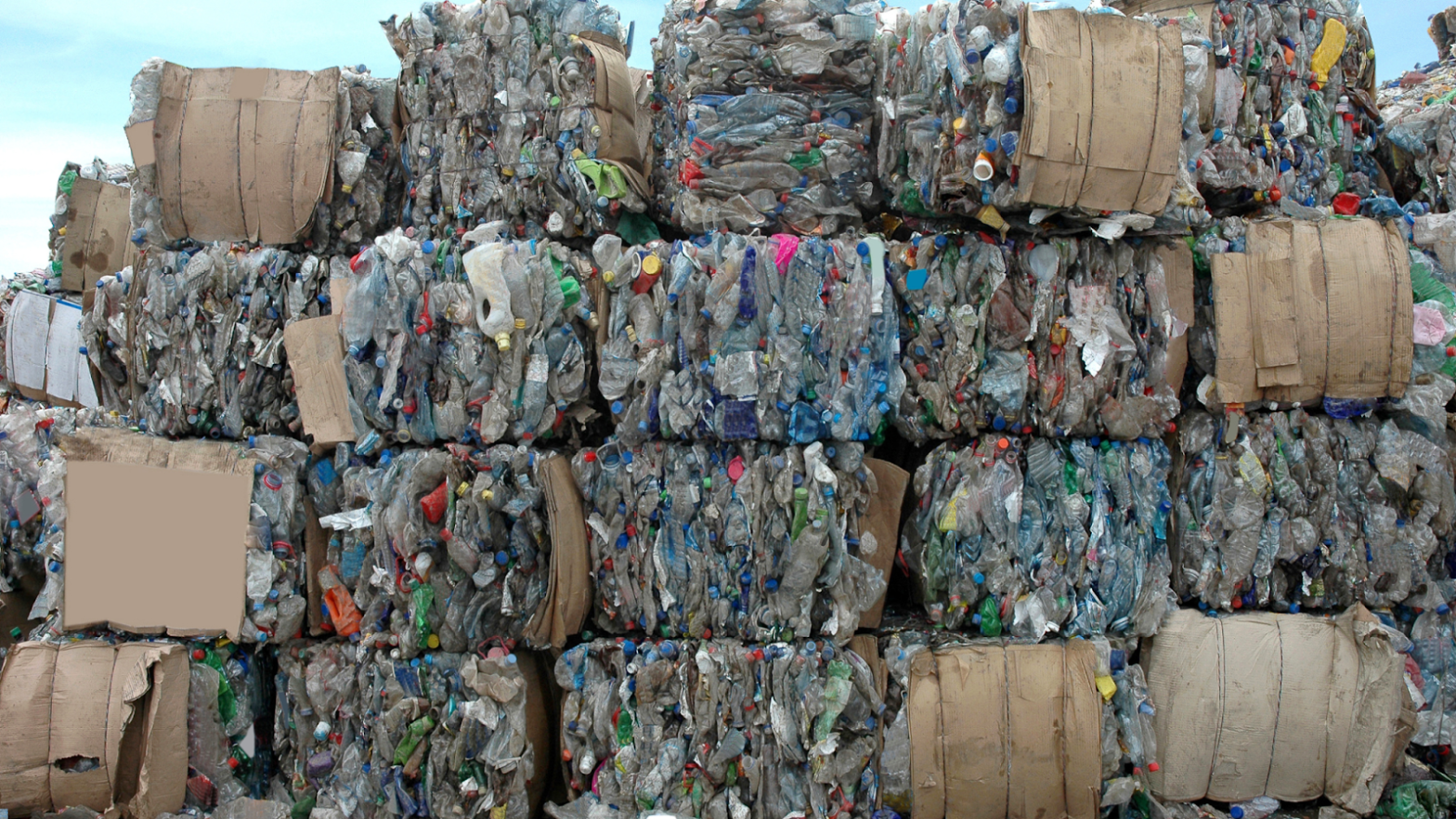
Managing waste is something we all deal with, whether at home or in business, but let’s be honest—it’s not always easy. Overflowing bins, rising disposal costs, and concerns about environmental impact can make waste management feel overwhelming. For businesses, the stakes are even higher. Limited space, strict regulations, and the pressure to operate sustainably add layers of complexity to an already challenging task. At The Mark-Costello Co., we know how frustrating it can be to juggle these demands while trying to stay efficient. That’s where waste compaction comes in. By simplifying how waste is stored, transported, and disposed of, compaction offers a practical solution to these common challenges. It’s not just about crushing trash—it’s about transforming the entire waste management process into something cleaner, more cost-effective, and environmentally responsible. Let’s explore how waste compaction works and why it’s such a powerful tool for improving waste management efficiency. Turning Waste Management Issues Into Opportunities Waste management is a pressing challenge we all face. With increasing waste production globally, businesses and communities struggle to handle, transport, and dispose of waste efficiently. Overflowing landfills, rising costs, and environmental concerns are constant reminders that our current methods need improvement. At The Mark-Costello Co., we understand these challenges and have a solution: waste compaction. This straightforward process of compressing waste can transform how we manage it, offering benefits that range from cost savings to a more sustainable future. Let’s dive into what waste compaction is, why it matters, and how it can revolutionize your waste management practices. What Exactly is Waste Compaction? Let’s Break it Down. Waste compaction is the process of compressing waste materials to minimize their size and volume. This makes storage, handling, and disposal far more efficient. Whether you’re managing waste at a small business or an industrial facility, compaction simplifies the process. There are two main types of waste compaction: manual and mechanical. Manual compaction uses handheld tools or basic equipment to compress waste. It’s suitable for small-scale applications but can be labor-intensive. On the other hand, mechanical compaction relies on advanced machinery like compactors and balers. These machines are built to handle large volumes of waste efficiently, saving time and effort. At The Mark-Costello Co., we specialize in providing high-quality compaction equipment tailored to your specific needs. From compactors that handle general waste to balers that prepare materials for recycling, we’ve got the tools to optimize your waste management system. Why Waste Compaction Is a Game-Changer? Waste compaction isn’t just about saving space—it’s about transforming how we think about waste management. Here are some of the key benefits: Save Space, Save Money Compacted waste takes up far less room, which means you can store more in less space. This also reduces the number of trips needed for waste transport, cutting transportation costs significantly. Additionally, landfill fees are often based on volume, so reducing waste size can save you money there too. Protect the Environment By reducing the volume of waste transported to landfills, we help lower carbon emissions. Fewer trips mean fewer greenhouse gases and less space in landfills means more room for the future. Waste compaction is a win for your business and the planet. Streamline Operations Waste compaction makes handling waste simpler and safer. Compacted waste is easier to store and transport, which means fewer collections are needed. This streamlines operations, saves time, and keeps work areas cleaner and safer for everyone. Revolutionize Efficiency with Compacted Waste When you incorporate waste compaction into your operations, everything changes for the better. For starters, reducing waste volume makes storage and transport easier. Imagine having fewer bulky items taking up space, allowing your facility to operate more efficiently. Compaction also enhances workplace safety and cleanliness. By containing waste more effectively, it minimizes spills, odors, and contamination. This creates a healthier environment for employees and visitors alike. Moreover, compacted waste aligns with local waste management regulations. Many jurisdictions have strict guidelines for waste handling, and compacted waste is often easier to manage within these rules. At The Mark-Costello Co., we help businesses stay compliant while optimizing their waste management systems. Make Waste Compaction Work for You Implementing waste compaction doesn’t have to be complicated. The first step is selecting the right equipment for your needs. At The Mark-Costello Co., we’ll work with you to evaluate your waste streams and recommend the best solutions, whether it’s a compactor, a baler, or a combination of both. Maintenance is also essential to ensure your equipment runs smoothly. Regular upkeep not only extends the life of your machinery but also ensures it operates at peak efficiency. Our team provides the guidance and support you need to keep your compaction systems in top shape. Lastly, staff training is key. Proper use of compaction equipment maximizes its benefits and ensures safety. We offer comprehensive training to help your team feel confident and competent when using our equipment. Waste Compaction is the Future Waste compaction is more than a process—it’s a solution to some of the biggest challenges in waste management. By reducing waste volume, saving costs, and promoting sustainability, compaction benefits both businesses and the environment. It’s an investment in efficiency, safety, and a cleaner future. At The Mark-Costello Co., we’re dedicated to helping businesses improve their waste management systems with innovative solutions. With decades of experience, we offer a wide range of compaction equipment, including compactors and balers, designed to meet your unique needs. Our team is here to guide you every step of the way—from choosing the right equipment to providing ongoing support and training. Whether you’re looking to save costs, enhance efficiency, or reduce your environmental footprint, we have the tools and expertise to make it happen. Contact us today to learn how waste compaction can transform your business. Together, let’s create a cleaner, more sustainable world. Michael KelleherMichael Kelleher is an experienced content strategist at The Mark-Costello Co, with over five years of expertise in creating compelling, data-driven content for diverse industries. His focus on delivering high-quality blog posts and content strategies has …
Continue reading “Waste Compaction and How It Helps Improve Waste Management Efficiency”
How To Choose The Best Medical Waste Disposal Service In Los Angeles?

Every day, healthcare facilities in Los Angeles handle waste that could be hazardous if not managed properly—waste that has the potential to harm not just people, but the environment as well. Did you know that improper disposal of medical waste can lead to serious public health risks and environmental damage that lingers for decades? For facilities committed to patient care and community well-being, ensuring proper disposal is more than a requirement; it’s a responsibility. We know the challenges this brings. With regulations to follow, schedules to maintain, and safety to uphold, medical waste management can feel like one more overwhelming task. That’s why finding the right disposal service isn’t just important—it’s transformative. This guide will help you identify the best medical waste disposal service in Los Angeles that can handle the complexities so you can focus on what matters most: providing excellent care. Understand the Importance of Proper Medical Waste Disposal The safe disposal of medical waste is crucial for protecting both human health and the environment. Improper handling can expose workers, patients, and the public to dangerous pathogens and hazardous materials. For example, sharps left uncontained or biohazardous waste dumped in regular trash can lead to injuries, infections, and contamination. Beyond health risks, compliance with regulations is non-negotiable. In California, medical waste disposal is governed by strict state laws, as well as federal regulations from OSHA and the EPA. Los Angeles healthcare facilities are required to ensure that all medical waste is collected, transported, and treated in a manner that aligns with these guidelines. Non-compliance can result in penalties, legal action, and reputational damage. The environmental impact is another critical consideration. With increasing attention to sustainability, facilities must minimize their ecological footprint by partnering with a waste disposal service that employs eco-friendly practices, such as recycling programs and environmentally safe treatment methods. Factors to Consider When Choosing a Medical Waste Disposal Service When selecting a medical waste disposal provider, compliance should be at the top of your checklist. Ensure that the company adheres to all local, state, and federal regulations, including OSHA and EPA standards. Their expertise should extend to various types of healthcare facilities, from small dental offices to large hospitals. Experience matters too. A company with a proven track record can navigate the complexities of medical waste management efficiently. Look for providers that offer a comprehensive range of services, from waste collection and transportation to treatment and documentation. A one-stop shop ensures seamless integration into your operations. Evaluating the Service Provider’s Reputation Reputation speaks volumes about the quality and reliability of a medical waste disposal system. Start by researching client testimonials and online reviews from other healthcare facilities in Los Angeles. Positive feedback is a strong indicator of consistent service and trustworthiness. Certifications and accreditations further demonstrate a company’s commitment to safety and compliance. For example, certifications from organizations like the National Waste & Recycling Association or ISO standards can provide peace of mind. Don’t hesitate to ask for references or case studies that showcase the provider’s success in managing waste for similar facilities. Assessing the Waste Disposal Process A provider’s waste disposal process is a crucial aspect to evaluate. How do they handle the collection and transportation of medical waste? Is it done safely, securely, and in compliance with regulations? Additionally, inquire about their treatment and disposal methods. Some common techniques include incineration and autoclaving, each with its environmental implications. Make sure the provider prioritizes sustainable practices wherever possible. Detailed documentation and tracking are essential for regulatory compliance. Choose a provider that offers comprehensive records of waste handling, from pickup to final disposal, ensuring you have the necessary paperwork for audits and inspections. Flexibility and Customization Every healthcare facility has unique needs, so flexibility is key when choosing a medical waste disposal provider. Look for companies that can tailor their services to your specific requirements. Whether you need frequent pickups for a large hospital or occasional service for a small clinic, the provider should accommodate your schedule and adjust as your needs evolve. Scalability is another important factor. As your facility grows or experiences seasonal fluctuations in waste volume, the provider should have the capacity to scale their services accordingly. Cost Considerations Pricing is an important factor, but it shouldn’t come at the expense of quality or compliance. Look for providers with transparent pricing structures that clearly outline costs without hidden fees. While upfront costs may seem high, the long-term savings of efficient waste management are significant. By preventing fines for non-compliance, reducing operational inefficiencies, and streamlining processes, the right medical waste disposal service can help optimize your budget over time. Environmental Commitment Sustainability is no longer optional in today’s healthcare landscape. Partnering with a provider that prioritizes eco-friendly practices is essential for reducing your facility’s environmental impact. Ask about the provider’s initiatives for recycling and waste reduction. Are they employing technologies that minimize emissions? Do they offer programs to safely recycle materials like sharps containers or pharmaceutical waste? A commitment to sustainability reflects positively on your facility and aligns with Los Angeles’s green initiatives. Customer Support and Training A strong partnership with a medical waste disposal provider goes beyond pickup and disposal. Responsive customer support is crucial for addressing emergencies, questions, or scheduling changes. Additionally, many providers offer training programs to help your staff understand proper waste segregation and handling practices. This not only ensures compliance but also fosters a culture of safety and responsibility within your facility. Emergency response capabilities are another factor to consider. In case of unexpected situations, such as hazardous spills, the provider should be equipped to handle the cleanup efficiently and effectively. Customer Testimonials: Real Experiences with Mark-Costello Sterilizers Reliable and Cost-Effective Waste Management: San Ramon Regional Medical Center Tony Klisura, Plant Operations Manager, highlights the success of their Model AS46 Medical Waste Sterilizer, operational for over eight years. He notes: “The system continues to function well and allows our facility to avoid the liability and high cost of packaging and hauling untreated infectious waste. We anticipate several more …
Continue reading “How To Choose The Best Medical Waste Disposal Service In Los Angeles?”