
Category Archives: Industrial trash compactor
Recycling Balers: An Essential Component in Sustainable Waste Management
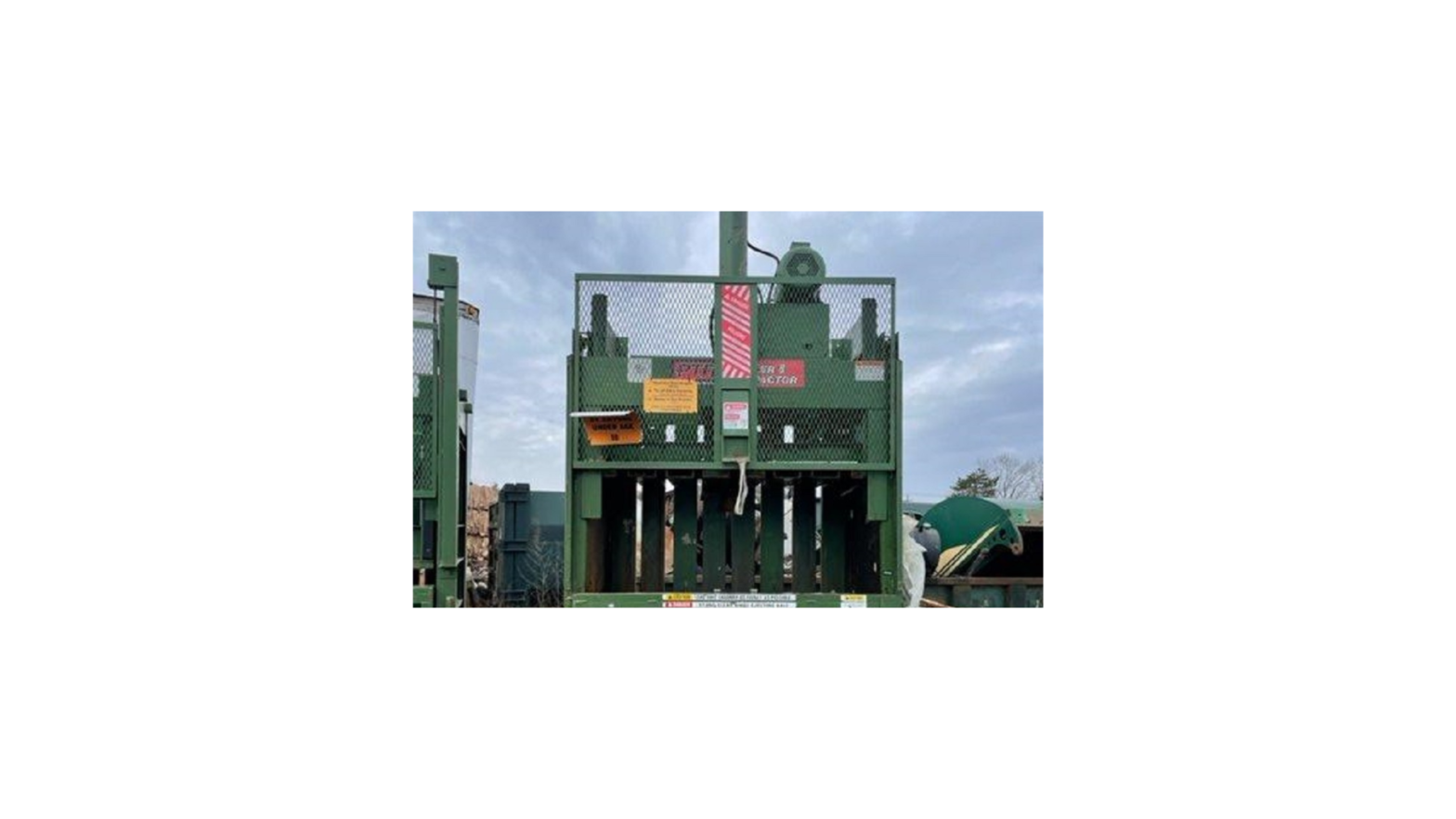
Recycling balers play a critical role in sustainable waste management by compacting and baling recyclable materials, making them easier to transport, store, and recycle. These machines are essential components in the recycling industry, helping businesses and organizations reduce waste volume, minimize landfill usage, and optimize recycling processes. This article examines the significance of recycling balers in promoting environmental sustainability and resource conservation, emphasizing their importance in the quest for a more sustainable future. Recycling Balers: An Essential Component in Sustainable Waste Management Recycling balers are sophisticated machines designed to streamline the process of waste management by compacting recyclable materials into dense bales. This transformation enables easier transportation and storage of materials, thereby optimizing logistical operations and reducing space requirements. These versatile machines are capable of processing a wide range of materials, including paper, plastic, and cardboard. By accommodating diverse material types, recycling balers offer businesses the flexibility to manage various waste streams efficiently, contributing to comprehensive waste management strategies. Benefits of Using Recycling Balers for Businesses The primary advantage of utilizing recycling balers lies in their ability to reduce waste volume and save valuable space. By compacting recyclable materials into dense bales, these machines minimize storage requirements, allowing businesses to optimize their available space for other purposes. Recycling balers offer significant cost savings through reduced hauling fees. By consolidating recyclable materials into compact bales, businesses can reduce the frequency of waste pickups and lower transportation costs, resulting in substantial savings over time. Perhaps most importantly, the use of recycling balers has a positive environmental impact by reducing the carbon footprint associated with waste management. By diverting recyclable materials from landfills and incinerators, recycling balers help mitigate greenhouse gas emissions and promote sustainable resource management practices. The Mark-Costello Co.: Providing Quality Recycling Equipment Established amidst the bustling streets of the Greater Los Angeles area in 1956, The Mark-Costello Co. emerged as a pioneering Sales Agency/Distributor. Initially focusing on the intricate realms of Centralized Lubrication Systems and Mechanical Power Transmissions, the company swiftly carved its niche in the industrial landscape. These foundational products laid the groundwork for what would evolve into our esteemed Industrial Division, solidifying our position as a major supplier of Industrial Centralized Lubrication Systems. The Mark-Costello Co. stands as a towering figure in the realm of recycling equipment, serving as a leading supplier of compactors, balers, medical waste processing equipment, and a comprehensive range of waste handling and recycling systems. The product portfolio spans a diverse array of solutions, catering to the evolving needs of businesses across the United States and beyond. From waste carts and drawers to hydraulic waste cart dumpers, the range of offerings exemplifies innovation and quality craftsmanship. The recycling equipment, including horizontal two-ram balers and vertical balers, sets the standard for efficiency and reliability in waste management. Meanwhile, medical waste sterilizers and disposal systems ensure the safe and compliant handling of hazardous materials in healthcare facilities. How to Choose the Right Recycling Baler for Your Business Selecting the appropriate recycling baler for your business is a critical decision that requires careful consideration of various factors. Here’s a detailed guide to help you navigate the process and make an informed choice: Assess Your Needs: Begin by assessing your business’s waste management requirements. Consider the type of materials you’ll be processing, the volume of waste generated, and the frequency of bale production. This information will help you determine the type, size, and capacity of the recycling baler that best suits your needs. Consider Budgetary Constraints: Establish a clear budget for your recycling baler investment. While considering upfront costs is important, also take into account long-term savings and return on investment. A higher initial investment in a quality baler may result in significant cost savings over time through reduced waste disposal fees and improved operational efficiency. Evaluate Maintenance Requirements: Evaluate the maintenance needs of the recycling baler. Consider factors such as servicing frequency, ease of maintenance, and availability of spare parts. Opt for a baler with low maintenance requirements and reliable support services to minimize downtime and ensure uninterrupted operation. Explore Customization Options: Look for a supplier that offers customization options to tailor the recycling baler to your specific business needs. Consider features such as increased capacity, specialized handling capabilities for specific materials, and integration with existing waste management systems. Customization ensures that the baler seamlessly integrates into your operations, maximizing efficiency and productivity. Research Supplier Reputation: Research the reputation and track record of potential suppliers before making a decision. Look for a supplier with a proven history of delivering high-quality, reliable recycling equipment and excellent customer service. Reading reviews and testimonials from other businesses can provide valuable insights into the supplier’s reliability and customer satisfaction. Evaluate After-Sales Support: Consider the level of after-sales support offered by the supplier. Ensure they provide comprehensive support services, including installation, training, maintenance, and technical support. A supplier that stands behind their products with excellent after-sales service will provide peace of mind and ensure the smooth operation of your recycling baler. Conclusion In conclusion, recycling balers are indispensable tools in the quest for sustainable waste management. By compacting recyclable materials into manageable bales, these machines not only optimize storage space but also deliver cost savings and environmental benefits. As businesses navigate the complexities of waste management, investing in quality equipment from trusted suppliers like The Mark-Costello Co. is key to achieving long-term success. With a commitment to excellence and innovation, The Mark-Costello Co. stands ready to support businesses in their journey towards sustainability and operational efficiency. Michael KelleherMichael Kelleher is an experienced content strategist at The Mark-Costello Co, with over five years of expertise in creating compelling, data-driven content for diverse industries. His focus on delivering high-quality blog posts and content strategies has helped businesses elevate their online presence and connect with their target audience effectively. www.mark-costello.com/
Maximizing Efficiency: The Benefits of Industrial Trash Compactors For Large-Scale Waste Management

Efficient waste management is a crucial aspect of operations in industrial settings, where large volumes of waste are generated daily. In the world of factories and big businesses, dealing with waste can be a big headache. Every day, tons of trash pile up, making it hard to keep things running smoothly. That’s where industrial trash compactors come in. They’re like big machines that squash all the trash down into smaller, neater bundles. Waste management might not sound exciting, but it’s super important. If companies can’t handle their trash properly, it can cost a lot of money and cause environmental problems. Industrial trash compactors help solve these problems by making waste management easier and more efficient. In this blog, we’ll take a closer look at how these machines work and why they’re so useful in big industrial settings. In this blog, we’ll explore the benefits of industrial trash compactors and their applications across various industries. Advantages of Industrial Trash Compactors: Industrial trash compactors offer several significant advantages for businesses dealing with large volumes of waste. Let’s take a closer look at some of these benefits: * Reduced Waste Volume: One of the most significant advantages of industrial trash compactors is their ability to compress waste materials into smaller, denser bundles. By squashing down the trash, compactors can reduce its volume by as much as 75-80%. This reduction in volume means that businesses can store more waste in less space, leading to cost savings on storage and disposal. * Cost Savings: Compact trash takes up less space, which means fewer trips to the landfill or waste disposal site. This reduction in transportation costs can result in significant savings for businesses, especially those dealing with large volumes of waste. Additionally, compactors can help businesses save money on waste disposal fees, as they can fit more waste into each load. * Improved Sanitation: Compact trash is not only smaller but also more tightly packed, reducing the risk of spills, leaks, and odors. This improved containment helps maintain a cleaner and more hygienic working environment, reducing the risk of contamination and pest infestations. Enhanced sanitation is particularly crucial in industries where hygiene standards are paramount, such as food manufacturing and healthcare. * Environmental Sustainability: By reducing waste volume and minimizing the number of trips to the landfill, industrial trash compactors contribute to environmental sustainability. They help conserve valuable landfill space and reduce greenhouse gas emissions associated with waste transportation. Additionally, some compactors can be equipped with features such as baling and recycling capabilities, further enhancing their environmental benefits by promoting recycling and waste diversion. * Increased Efficiency: Industrial trash compactors streamline waste handling processes, making them more efficient and less labor-intensive. Instead of dealing with loose, bulky trash, employees can simply deposit waste into the compactor, which then compresses it into compacted bundles. This saves time and labor, allowing employees to focus on more productive tasks. * Compliance With Regulations: In many industries, there are regulations and guidelines governing waste management and disposal. Industrial trash compactors can help businesses comply with these regulations by providing a reliable and efficient means of managing waste. By implementing compactors, businesses can demonstrate their commitment to environmental responsibility and regulatory compliance. Applications In Various Industries: Industrial trash compactors are versatile tools that find applications across a wide range of industries. Let’s explore how these compactors are utilized in different sectors: * Manufacturing: In manufacturing facilities, industrial trash compactors are instrumental in managing various types of waste generated during production processes. From packaging materials and scrap metal to cardboard boxes and plastic containers, compactors help streamline waste handling, reduce volume, and minimize disposal costs. By compacting waste materials, manufacturers can optimize storage space, improve cleanliness, and enhance operational efficiency. * Retail: Retail establishments, including supermarkets, department stores, and shopping malls, generate significant volumes of waste from packaging materials, cardboard boxes, and product returns. Industrial trash compactors enable retailers to efficiently manage this waste stream by compressing it into compacted bundles. This not only reduces the frequency of waste pickups but also improves sanitation and helps maintain a clutter-free environment for shoppers. * Hospitality: Hotels, restaurants, and other hospitality venues produce large quantities of waste, including food scraps, packaging materials, and disposable utensils. Industrial trash compactors play a crucial role in managing this waste stream by compacting it into smaller, more manageable bundles. By reducing waste volume and improving containment, compactors help hospitality businesses maintain cleanliness, comply with health and safety regulations, and reduce the frequency of waste pickups. * Healthcare: The healthcare sector generates a diverse range of waste, including medical supplies, pharmaceuticals, and hazardous materials. Industrial trash compactors are essential for managing this waste stream safely and efficiently. Specialized compactors designed for medical waste can sterilize and compact biohazardous materials, reducing the risk of contamination and facilitating proper disposal. By compacting medical waste, healthcare facilities can minimize the environmental impact, improve infection control, and ensure compliance with regulatory requirements. * Warehousing And Distribution: Warehouses and distribution centers handle large volumes of packaging materials, pallets, and shipping supplies on a daily basis. Industrial trash compactors help streamline waste management processes in these facilities by compressing waste materials into compacted bundles. This reduces the need for manual handling and storage space, optimizing workflow efficiency and maximizing storage capacity. * Construction And Demolition: Construction sites and demolition projects generate significant amounts of debris, including concrete, wood, and metal. Industrial trash compactors, such as roll-off compactors and stationary compactors, are utilized to manage this construction waste efficiently. By compacting debris into dense bundles, compactors facilitate transportation and disposal, minimizing costs and environmental impact. Considerations For Choosing Industrial Trash Compactors: When selecting an industrial trash compactor, several factors should be taken into consideration. These include the compactor’s capacity to handle the anticipated waste volume, the power source (electric, hydraulic, or pneumatic), space requirements for installation, and maintenance needs. It’s essential to choose a compactor that aligns with the specific needs and constraints of your facility to maximize its effectiveness and longevity. Case Studies …