
Category Archives: Apartment Trash Compactors
The Benefits of a Trash Compactor: How It Can Simplify Waste Disposal
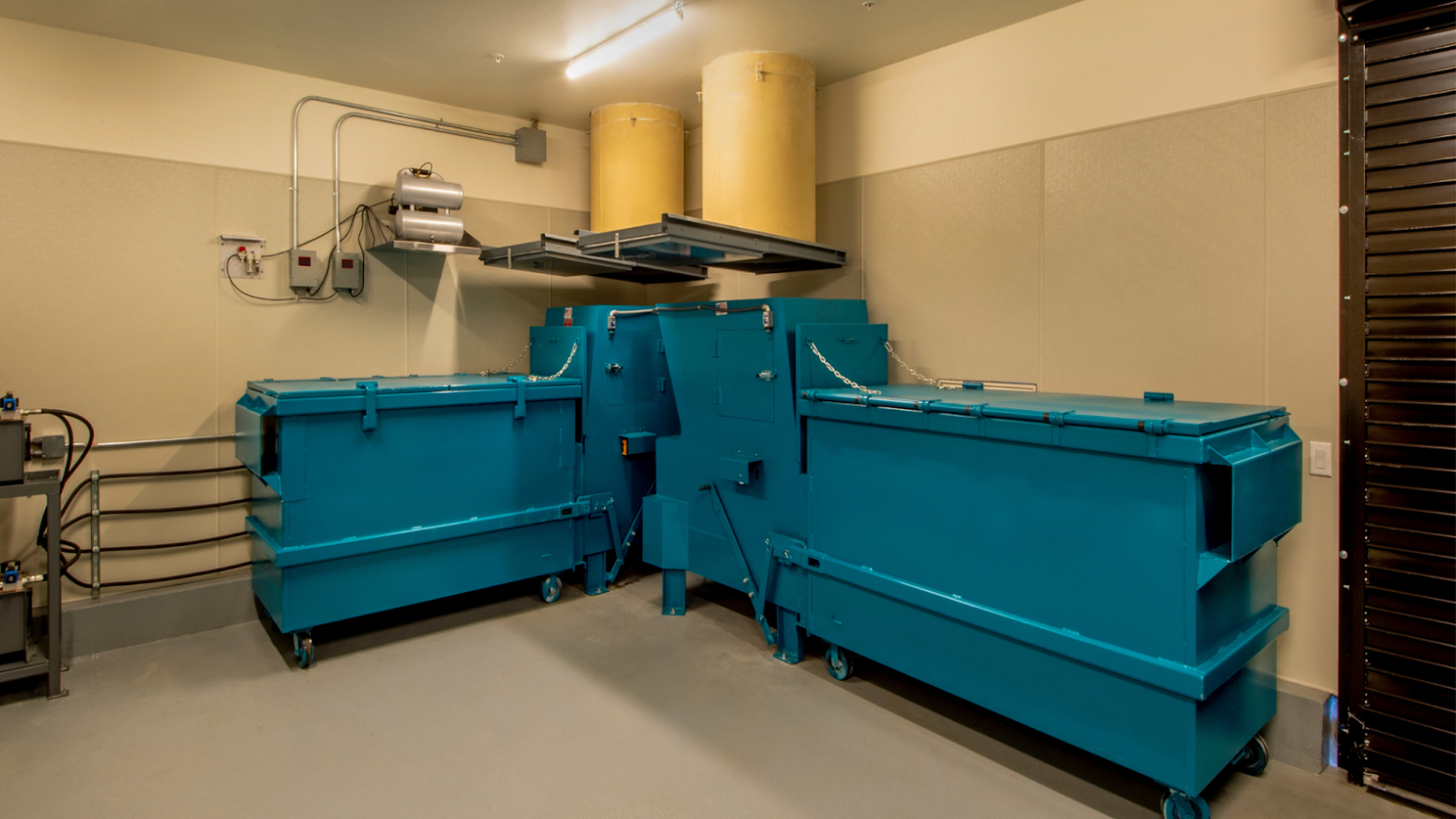
If you’re like most people, managing waste is something you deal with every single day—yet it never seems to get any easier. Whether it’s overflowing trash bins at home, piles of waste in commercial spaces, or unsightly dumpsters in apartment complexes, waste management can quickly become an overwhelming task. The constant cycle of throwing away trash, hauling bins, and dealing with unsanitary conditions becomes more of a hassle than it should be. And let’s not forget about the odors and the attraction of pests that often accompany improperly managed waste. Traditional waste disposal methods simply aren’t cutting it anymore. This is where a trash compactor can come to the rescue. If you’re tired of dealing with the same waste problems day in and day out, a trash compactor offers a streamlined solution that not only reduces the volume of waste but also improves cleanliness and sustainability. In this blog, we’ll break down the many benefits of using a trash compactor and how it can simplify waste disposal, whether you’re handling it at home, at a business, or in a multi-unit building. Exploring the Functionality of a Trash Compactor A trash compactor is a machine designed to reduce the volume of waste by compressing it into smaller, more manageable units. Instead of filling up bags and bins that pile up quickly and become unwieldy, a trash compactor uses mechanical force to condense the trash, making it much easier to store, manage, and dispose of. These compactors are commonly used in residential, commercial, and industrial spaces, and they can be customized to fit the unique waste disposal needs of each environment. There are several types of trash compactors, each designed to cater to different types of waste management: Residential Compacting Systems: These are smaller machines designed for home use. They help reduce the amount of trash in households, making it easier to manage waste without having to take out the trash constantly. Commercial and Industrial Compacting Systems: For larger businesses and industrial facilities, trash compactors can handle higher volumes of waste. These systems are built to withstand heavy use and are ideal for environments like restaurants, warehouses, and factories. Apartment and High-Rise Building Compactors: In multi-unit buildings, trash compactors are often placed in communal trash rooms. They help manage the waste from multiple units, making it more efficient to dispose of trash and keeping shared spaces cleaner. Regardless of the setting, a trash compactor is a powerful tool that simplifies waste disposal, saving both time and effort while reducing the environmental impact. The Key Benefits of a Trash Compactor One of the primary advantages of using a trash compactor is its ability to significantly reduce the volume of waste. By compressing trash into smaller, more manageable sizes, the compactor minimizes the need for large amounts of storage space. This is particularly useful in homes and businesses where waste can quickly pile up, taking up precious space in trash bins or dumpsters. With a compactor, you’ll find that fewer trash bags are needed, and waste storage areas remain organized and tidy. For example, instead of needing several trash bags or bins to hold the same amount of waste, a compactor condenses it into a smaller, denser form, reducing clutter and saving space. Another major benefit of a trash compactor is its ability to minimize odors and pest problems. Trash left in open bins or dumpsters can often emit foul odors that linger in the surrounding area, especially if waste is left for too long. This can be particularly problematic in communal spaces, such as apartment buildings or commercial properties, where multiple people share waste areas. A trash compactor helps contain odors by sealing the trash inside a compacted unit, preventing smells from escaping and spreading. Additionally, compacting trash reduces the attraction of rodents, insects, and other pests, which are often drawn to food waste and overflowing bins. By keeping trash sealed and contained, a compactor helps maintain a cleaner, more sanitary environment. In addition to improving hygiene, a trash compactor can also lead to lower waste collection costs. Traditional waste disposal methods often require frequent pickups, which can quickly add up in terms of hauling and landfill fees. However, because a trash compactor reduces the amount of waste, the frequency of collection can be decreased, leading to lower costs. Fewer trash pickups mean fewer trips to the landfill, which not only saves money but also reduces the carbon footprint associated with waste disposal. This makes trash compactors an environmentally friendly option for businesses and residential buildings looking to reduce both their waste and their expenses. Using a trash compactor can also enhance sustainability efforts. In today’s world, many people are looking for ways to reduce their environmental impact, and a trash compactor can help in this regard. By reducing the volume of waste, compactors make it easier to separate recyclable materials from general waste, encouraging responsible disposal. Additionally, because compactors reduce the number of pickups required, they help decrease the number of vehicles on the road, further reducing carbon emissions. For businesses and individuals who are committed to sustainability, a trash compactor offers a practical solution to waste reduction while supporting green initiatives. Finally, a trash compactor saves both time and effort. Managing waste can be a time-consuming task, especially if you are frequently taking trash out to the dumpster or sorting through overflowing bins. A compactor eliminates the need for daily trips to the trash collection area, as it reduces the amount of waste that needs to be disposed of at any given time. This is particularly helpful in high-traffic environments, such as apartment complexes or commercial spaces, where waste disposal can otherwise become a constant task. By simplifying the process, a trash compactor frees up time and energy for other activities. How to Use a Trash Compactor Effectively? To get the most out of your trash compactor, it’s important to use it correctly. One of the first things to consider is sorting your waste properly. While a compactor is designed …
Continue reading “The Benefits of a Trash Compactor: How It Can Simplify Waste Disposal”
Maximizing Space: How to Use Your Apartment Compactor System Properly
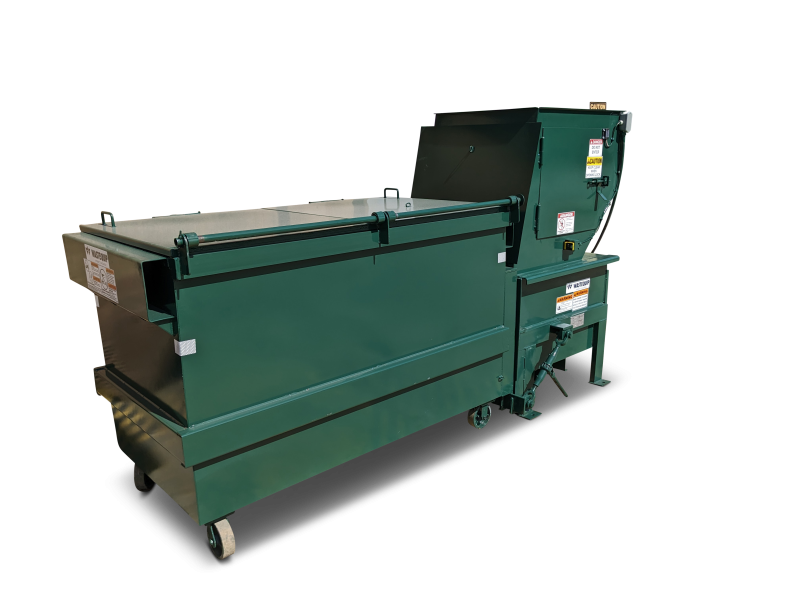
Let’s face it—living in an apartment means dealing with limited space, and one of the biggest challenges is managing the clutter, especially when it comes to waste. If you’ve noticed that your trash seems to pile up quickly, it might be time to take a closer look at your apartment compactor system. We understand how important it is to keep things tidy, organized, and efficient, and that’s exactly where an apartment compactor system comes into play. These machines don’t just make waste disposal easier—they help maintain a cleaner living environment, reduce odors, and can even contribute to sustainability by minimizing waste that ends up in landfills. But are you using your compactor system to its full potential? In this blog, we’ll dive deep into how to properly use your apartment compactor, maximize its benefits, and create a more efficient and environmentally friendly waste disposal process. Understanding Your Apartment Compactor System To start, let’s take a moment to understand exactly what an apartment compactor system is and how it works. An apartment compactor is a heavy-duty machine designed to compress trash into smaller, more manageable volumes. This process reduces the frequency of trips to the dumpster and helps to keep the trash area more organized. Whether your building uses a chute-fed system, where you simply drop your trash down a chute into a compactor or a freestanding unit, these systems play a crucial role in waste management. As a key player in your apartment’s waste system, the compactor allows us to maintain a cleaner and more efficient living space by reducing the clutter of overflowing trash bins. When used correctly, it’s a game-changer. Not only does it save space, but it also improves hygiene and reduces the chances of attracting pests in your waste disposal area. Apartment buildings can have a variety of compactor systems, each with its own set of features. For example, a chute-fed compactor system allows for easy waste disposal without ever having to leave your floor, while standalone compactors are typically placed in designated trash rooms where residents can take their waste. Regardless of the type of system in place, understanding how your compactor works and how to use it properly will go a long way in ensuring that it benefits everyone in the building. The Big Benefits of Using Your Compactor the Right Way Using your compactor correctly has multiple benefits that directly improve your living space and the community at large. First and foremost, a properly used compactor maximizes available space. No one enjoys the sight of overflowing trash bins or the hassle of trying to cram more waste into already full containers. When you use the compactor as intended, it helps to reduce the volume of waste, making room for more, and keeping your trash area neat and organized. Not only does using the compactor give you more space, but it also helps maintain a cleaner environment. Proper waste disposal through the compactor reduces the chance of attracting pests like rats or flies, and it minimizes unpleasant odors that can often linger in trash rooms. By keeping your waste area more sanitary, you’re also creating a healthier living environment for everyone in the building. From an environmental standpoint, compacting your trash efficiently helps reduce landfill waste. Less waste means fewer trash trucks needed for pickups, which lowers carbon emissions. This small yet powerful action is a step toward a greener planet, and it’s something we all can contribute to by simply using the compactor the right way. Lastly, a properly used compactor can save money. The reduced frequency of trash collection means less expense for your building management, and in turn, lower costs for tenants. By minimizing waste and increasing efficiency, everyone in the building benefits from reduced operating costs, making the compactor a valuable tool for all. Step-by-Step Guide to Proper Compactor Use If you’re unsure whether you’re using your compactor the best way possible, don’t worry—we’re here to guide you. Let’s break down the steps to properly use your apartment trash compactor and ensure that it runs smoothly and efficiently. One of the first things to consider is sorting your waste properly. Not all items belong in the compactor, so it’s important to know what should and shouldn’t go in. General trash and certain recyclables (if allowed in your building) should be disposed of in the compactor. However, avoid throwing in items like glass, electronics, hazardous materials, or large items like furniture. These non-compatible materials can cause damage to the compactor or make waste management more difficult. Next, when it comes to loading the compactor, we encourage you to be organized and thoughtful. Never toss your trash bags haphazardly. Make sure each bag is tightly sealed and properly placed inside the compactor. Overstuffing the machine or failing to tie bags correctly can result in blockages, mechanical issues, and inefficient compaction. Always follow the recommended load limit to ensure the system works as intended. Safety is a priority, so don’t try to push trash down manually. Allow the machine to do its job. If you notice the compactor is jammed or making unusual noises, don’t attempt to fix it yourself. Instead, report it to building maintenance so it can be handled by professionals before it turns into a bigger issue. Finally, regular maintenance is essential to keep the compactor in optimal condition. A clean compactor runs more efficiently and produces fewer odors. We recommend wiping down the surfaces periodically and keeping the area around the compactor clean. If you notice any malfunctions or hear strange sounds, report them to maintenance to prevent further damage. Common Mistakes That Could Lead to a Compactor Disaster We’ve all been guilty of neglecting something here and there, but when it comes to the compactor, certain mistakes can cause serious issues. One of the most common errors is overloading the system beyond its capacity. While it might be tempting to cram in just one more bag, doing so can strain the machine and lead to breakdowns. Stick …
Continue reading “Maximizing Space: How to Use Your Apartment Compactor System Properly”
Understanding Medical Waste Sterilization: Why Vacuum Autoclaves Are Critical
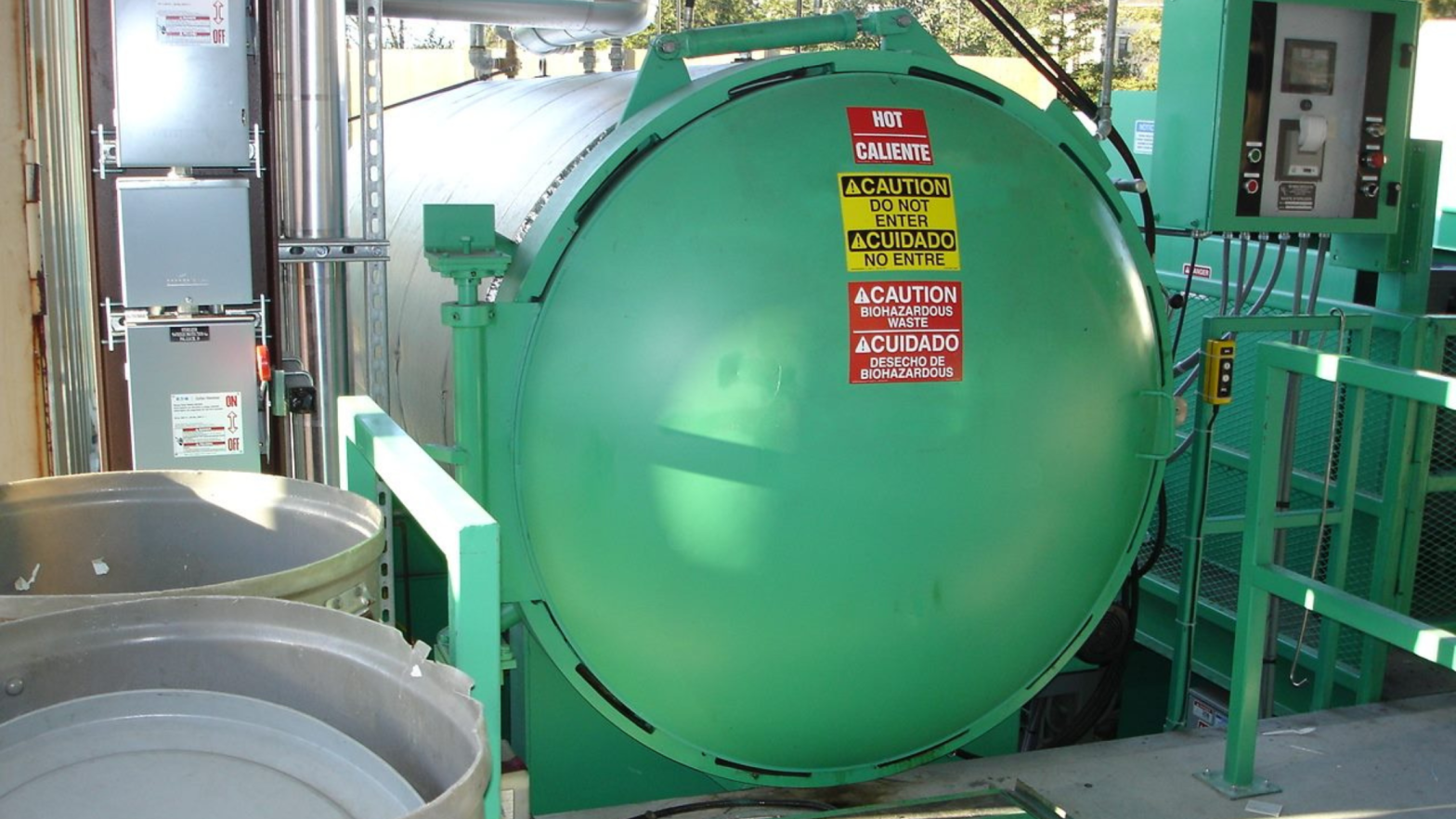
Every day, behind the scenes in hospitals, clinics, and medical research facilities, there’s a crucial process constantly at work that most people rarely think about—medical waste sterilization and safe disposal. It’s not just about keeping spaces clean or checking a regulatory box; it’s about protecting patients, healthcare workers, and the broader public from potentially life-threatening exposure to infectious agents. In an environment where diseases can spread quickly and silently, medical waste becomes one of the first and most critical lines of defense in maintaining a safe and hygienic medical setting. From large urban hospitals to smaller outpatient centers, the handling and sterilization of medical waste is an ongoing, vital operation that demands precision, safety, and reliability. Whether it’s used surgical instruments, contaminated gloves, sharps, lab cultures, or soaked gauze, the materials generated during healthcare procedures often contain pathogens that pose a serious threat if not treated properly. These materials—collectively known as biohazardous or infectious waste—can harbor viruses, bacteria, and other harmful microorganisms capable of spreading disease. Left untreated or improperly disposed of, they have the potential to contaminate the environment, infect sanitation workers, or even enter public health systems. That’s why strict protocols are in place, and why healthcare providers rely on powerful sterilization technologies to neutralize the risk at its source. This is where vacuum autoclaves step in as a critical component of the medical waste treatment process. Unlike basic cleaning methods or surface disinfection, vacuum autoclaves use a high-pressure, high-temperature steam cycle to ensure that all traces of harmful organisms are destroyed—not just on the surface, but deep within porous materials or densely packed waste. Their operation begins by removing air from the chamber through vacuum pressure, which allows steam to penetrate thoroughly and evenly, reaching every part of the load. This is especially important when sterilizing irregularly shaped tools or tightly packed waste bags, where air pockets could otherwise prevent complete sterilization. These machines do far more than just “clean” medical waste—they completely sterilize it, transforming potentially dangerous materials into safe, inert waste that can be disposed of without risk. The steam inside a vacuum autoclave reaches temperatures as high as 134°C (273°F), effectively killing bacteria, viruses, fungi, and spores within minutes. This level of thoroughness is not just important—it’s legally required in many jurisdictions, where compliance with medical waste regulations hinges on reliable sterilization. In this way, vacuum autoclaves serve as both a practical tool and a regulatory necessity, helping healthcare facilities meet safety standards while protecting public health. So, what makes vacuum autoclaves so important in this process? It’s their ability to combine efficiency, consistency, and safety into a single, automated system. Unlike manual cleaning or chemical treatments, which can be error-prone or environmentally harmful, vacuum autoclaves offer a closed-loop solution that minimizes operator exposure and reduces environmental impact. Modern units are also equipped with automated cycles, data tracking, and built-in safety features, making them an indispensable part of any modern medical waste management plan. Their reliability ensures peace of mind for hospital administrators, infection control teams, and environmental health officers alike. Ultimately, vacuum autoclaves play a quiet but powerful role in healthcare operations. They’re the unsung heroes of infection control, working behind the scenes to prevent the spread of disease and ensure that what leaves a healthcare facility is no longer a threat. Their contribution to safe medical waste disposal is not just a technical detail—it’s a cornerstone of public safety and environmental responsibility. As the medical industry continues to evolve and face new challenges, the role of vacuum autoclaves will only grow more essential, anchoring our collective efforts to build safer, cleaner healthcare systems around the world. The Process of Medical Waste Sterilization Sterilization is the process of removing all harmful bacteria, viruses, and other pathogens from medical waste, rendering it safe for disposal. This essential procedure is a cornerstone of infection control in medical environments, ensuring that any biological agents present in waste are thoroughly eliminated. In hospitals, clinics, dental offices, and laboratories, where exposure to infectious materials is common, sterilization is not optional—it’s a legal and ethical responsibility. If surgical instruments, needles, or biohazardous materials are not properly sterilized, they can become vehicles for disease transmission, putting healthcare workers, patients, and even the broader public at risk. Improperly treated medical waste can lead to hospital-acquired infections (HAIs), environmental contamination, and community health threats, especially when pathogens persist in materials discarded without adequate treatment. To prevent such risks, sterilization must be carried out using validated methods that meet rigorous industry and regulatory standards, ensuring complete neutralization of any biological contaminants before waste is handled, stored, or discarded. Medical waste requiring sterilization includes sharps such as needles and scalpels, surgical instruments, gowns, gloves, and other materials exposed to bodily fluids or hazardous substances. These items are categorized as infectious waste and carry a high risk of transmitting diseases if not handled correctly. For example, sharps can puncture containers and cause injury or infection, while absorbent materials like gowns and gloves can harbor dangerous microorganisms long after use. If such waste is disposed of improperly, it can endanger not only healthcare personnel but also custodial staff, waste management workers, and the environment. Infectious waste that leaches into landfills or water sources can spread harmful bacteria or viruses into ecosystems and communities. To mitigate these risks, healthcare facilities must rely on highly effective sterilization technologies like vacuum autoclaves, which use pressurized steam to ensure deep, uniform penetration and complete microbial destruction. These systems are critical for achieving full compliance with health and safety regulations while protecting public health and minimizing environmental impact. What Are Vacuum Autoclaves and How Do They Work? Vacuum autoclaves are highly specialized machines designed to deliver superior sterilization by using high-pressure steam combined with vacuum technology to decontaminate medical waste thoroughly. Unlike traditional autoclaves, which depend solely on steam to sanitize materials, vacuum autoclaves introduce an additional critical step—air removal. This vacuum function is essential because air trapped within the sterilization chamber can prevent steam from fully …
Continue reading “Understanding Medical Waste Sterilization: Why Vacuum Autoclaves Are Critical”