
Category Archives: Apartment Trash Compactors
How An Apartment Complex Trash Compactor Keeps Your Property Clean And Efficient
Modern Waste Management for Cleaner Living In today’s growing residential landscape, multi-unit properties generate more waste than ever. Residents want cleaner surroundings, faster service, and a more sustainable environment. Property managers need effective solutions to simplify day-to-day operations. An Apartment Complex Trash Compactor can be a game-changer. It streamlines waste handling and helps properties maintain cleanliness and efficiency that residents value. At The Mark-Costello Co., we have spent decades designing waste systems that ease complex operations for property owners and teams. Our systems improve cleanliness, reliability, and convenience while making properties more efficient. As communities grow, modern waste management becomes essential for comfort, safety, and long-term satisfaction. Why Waste Management Matters For Apartment Complexes Every day, apartment communities produce large amounts of trash. Household garbage, packaging materials, and food waste can quickly overwhelm traditional waste systems. Inefficient waste handling leads to overflowing bins, strong odors, pests, and more resident complaints. Poor waste management impacts more than just the dumpster area. It affects curb appeal, hygiene, maintenance costs, and resident retention. When trash accumulates or spills over, it results in: Unpleasant smells around walkways and parking areas Frequent pest activity Extra labor for cleanup Tenant dissatisfaction and poor property reviews Modern communities also face higher environmental standards due to local regulations and sustainability commitments. An efficient waste-handling system helps properties stay compliant with municipal rules while keeping operations smooth. For these reasons, more property managers turn to engineered solutions that improve sanitation and reduce manual work. Proper systems reflect a community’s values, help maintain its reputation, and ensure residents enjoy clean and comfortable surroundings. What Is An Apartment Complex Trash Compactor, And How It works An Apartment Complex Trash Compactor is designed to compress large amounts of waste into smaller volumes. It has several key components that work together to simplify waste handling: Hopper where residents or staff load trash Ram that pushes and compresses waste A container where compacted waste is stored Control system to operate and monitor compaction cycles The compactor works by pushing waste with a strong force, significantly reducing its volume. This design allows the container to hold more waste and requires fewer removal trips. The result is cost savings, improved cleanliness, and better property appearance. There are several compactor styles suitable for residential properties: Stationary Compactors: Ideal for dry waste and remain fixed while the container is emptied. Self-Contained Compactors: These merge the compactor and container into one sealed unit, perfect for wet waste to avoid leaks or odors. Vertical Compactors: Space-saving options designed for properties with limited room around waste areas. Each style ensures cleaner spaces, easier waste handling, and a more efficient workflow for tenants and maintenance teams. Systems are designed to be user-friendly and supportive of busy residential communities. The Benefits of Installing A Trash Compactor On Your Property Adding a compactor offers advantages beyond basic waste control. Properties see improvements in sanitation, operations, and long-term cost management. Key benefits include: Space Optimization: Compacted trash takes up less room, freeing up space that bulky dumpsters once occupied. Odor Control: Sealed compactor containers limit air exposure, keeping unpleasant smells contained and reducing complaints. Pest Prevention: By limiting loose trash and exposed food waste, compactors make properties less attractive to rodents and insects. Cost Savings: Compactors reduce waste volume, leading to fewer pickups and lower hauling fees, which aids budgeting. Eco-Friendly Operations: Efficient waste handling supports recycling and minimizes the environmental footprint. Better Aesthetics: Cleaner waste areas improve the living environment, attracting and retaining tenants. At The Mark-Costello Co., we build our compactors for durability, safety, and long-term performance. Our systems support busy properties with reliable waste control and strong operational value year after year. Comparing Trash Compactors To Traditional Waste Collection Methods Traditional dumpsters have their use, but they are not always the most efficient option for multi-unit housing. They fill up quickly, allow odors to spread, and often require more frequent pickups. Modern compactors offer clear advantages: Efficiency: Compactors compress waste, causing containers to fill more slowly and stay cleaner. Safety: Waste is contained, reducing tripping hazards and the clutter often found around dumpsters. Odor Management: Sealed containers trap smells inside, improving resident satisfaction. Reduced Spillage: Overflowing dumpsters contribute to litter and damage, which compactors can prevent. Low Noise Levels: Modern compactors operate quietly and smoothly. Many compactors also include automated controls and safety features, making them easy for maintenance teams to use. Considering long-term value, compactors typically outperform traditional dumpsters in both cost and performance. Key Features To Look For In An Apartment Complex Trash Compactor Choosing the right compactor is crucial for maximizing efficiency and ease of use. Property managers should consider features like: Easy Loading: Residents and staff should load waste quickly with minimal effort. Safety Interlocks: Automatic shut-off features help prevent accidents and ensure proper operation. Durable Construction: A compactor must withstand heavy daily use, so strong materials are important. Efficient Motors: Energy-efficient designs support sustainability and reduce electricity use. Leak-Proof Containers: Essential for wet waste to prevent spills and odors. Optional Enhancements: Many properties add odor control systems or remote monitoring for better performance. At The Mark-Costello Co., we pride ourselves on providing engineered compactors with these features and more. Each unit is built with durability and user experience in mind, allowing properties to operate effectively. Maintaining And Servicing Your Trash Compactor For Long-Term Efficiency A compactor performs best with regular maintenance. Consistent service helps identify wear, prevent issues, and extend the equipment’s life. Key maintenance tasks include: Inspecting hydraulic components Checking electrical connections Cleaning the loading area Monitoring RAM and container alignment Ensuring safety switches operate correctly Property managers can enhance performance by encouraging staff to watch loading practices and report any unusual noises or slowdowns. Partnering with a full-service provider ensures systems remain reliable. The Mark-Costello Co. offers ongoing support, parts availability, troubleshooting guidance, and preventive maintenance programs for long-term success. Environmental And Community Impact of Compactors A high-performing Apartment Complex Trash Compactor improves day-to-day operations and strengthens a community’s environmental footprint. By compressing waste, …
Continue reading “How An Apartment Complex Trash Compactor Keeps Your Property Clean And Efficient”
How Apartment Trash Compactors Boost Efficiency and Cut Costs
We’ve all seen overflowing dumpsters behind apartment complexes, unpleasant odors drifting through hallways, and the constant noise of trash trucks making their rounds. Managing waste in multi-unit buildings is not only an eyesore; it also drains time, space, and money. Every day, property managers deal with overflowing bins, frequent pickups, and tenant complaints while trying to maintain a clean, safe environment. The true cost of this cycle often goes unnoticed. Excessive waste hauling eats into budgets, inefficient disposal takes up valuable space, and unsanitary waste areas turn away potential tenants. Thankfully, modern technology offers solutions that are practical and sustainable. This is where innovative Waste Management Services in California come in. Today’s apartment trash compactors are quietly changing how properties handle waste by streamlining operations, improving cleanliness, and saving money. What Exactly Is an Apartment Trash Compactor? An apartment trash compactor is a simple yet effective machine designed to compress waste into smaller, denser loads. By compacting trash, it greatly reduces the volume that needs to be hauled away, allowing buildings to handle more waste with less effort. While many types of compactors exist, those made for residential or apartment use differ from the heavy-duty machines used in commercial or industrial settings. Apartment compactors are designed for shared waste rooms, loading docks, or chute-fed systems where tenants and maintenance staff can easily dispose of trash in a contained, automated manner. These systems blend seamlessly into multi-unit properties. Once installed, they require minimal input from staff, running quietly and efficiently behind the scenes. The Efficiency Factor: Doing More With Less Imagine cutting your trash runs in half without any physical effort. That’s the efficiency a compactor can bring to any apartment complex. By compressing waste before it’s picked up, you reduce the number of times a hauler needs to come to your property. This translates to fewer trucks, lower collection fees, and less disruption for tenants. Maintenance teams also gain significant benefits. Instead of spending hours moving bins or cleaning spills in waste areas, staff can focus their time on property upkeep or tenant service. Efficiency doesn’t just save money; it improves workflow across the board. Key Efficiency Benefits: Reduced hauling frequency: Fewer pickups lower ongoing costs. Improved operational flow: Less time managing waste means more time improving tenant satisfaction. Cleaner, organized waste areas: Compact design keeps trash under control, even in high-density buildings. This is why investing in professional Waste Management Services in California is not just about disposal; it’s about changing how properties function day-to-day. Saving Dollars and Sense: The Real Cost Benefits Installing a compactor may feel like a hefty investment, but the financial return often surprises property managers. Waste compactors provide both direct and indirect savings that add up quickly. Direct Savings: Lower waste collection costs: With reduced pickups, hauling expenses drop significantly. Decreased labor hours: Maintenance staff spend less time handling trash. Smaller storage needs: Compacted waste requires less bin space, freeing up valuable square footage. Indirect Savings: Improved tenant satisfaction: Cleaner common areas lead to happier residents and fewer complaints. Extended equipment life: Compacting waste reduces strain on dumpsters and chutes, minimizing long-term maintenance costs. When looked at holistically, these savings show that compactors are not a luxury but a smart business decision. Partnering with the right provider for Waste Management Services in California ensures every dollar spent contributes to long-term efficiency and sustainability. Eco-Friendly Advantage: Cleaner Buildings, Cleaner Planet Sustainability is no longer optional; it’s an expectation. Property managers who adopt eco-friendly solutions not only cut operational costs but also attract environmentally conscious tenants. Environmental Benefits of Compactors: Fewer truck pickups: Less hauling reduces greenhouse gas emissions and traffic congestion. Reduced landfill volume: Compacted waste takes up less space, extending landfill lifespan. Streamlined recycling efforts: Compactors make it easier to separate recyclables from general waste. Sustainability also boosts a property’s reputation. In eco-conscious California, green initiatives can enhance tenant retention and property value. Choosing professional Waste Management Services in California positions your property as part of the solution, not the problem. Safety, Cleanliness, and Tenant Satisfaction A clean environment isn’t just about looks; it’s about health, safety, and comfort. Apartment compactors help maintain all three. By keeping trash sealed and contained, compactors prevent pests, minimize odors, and create cleaner collection areas. This improves hygiene and contributes to a healthier environment for residents and staff. Added Safety Benefits: Reduced physical strain: Maintenance staff no longer have to handle heavy or overflowing bins. Cleaner air quality: Enclosed systems reduce exposure to harmful bacteria or waste-related allergens. Enhanced property image: Clean waste areas leave a positive impression on tenants and visitors alike. In short, compactors elevate the tenant experience. Clean surroundings lead to satisfaction, lower turnover, and make the property a more desirable place to live. Choosing the Right Compactor for Your Property Not all buildings are the same, and neither are compactors. Selecting the right one involves evaluating several key factors: Things to Consider: Building size: Larger buildings may need multiple compactors or chute-fed systems. Waste volume: Properties with high occupancy require larger capacity models. Waste type: Residential waste differs from mixed-use buildings that generate recyclables or commercial refuse. Various models suit different needs: Vertical compactors: Ideal for small to medium-sized properties with limited space. Horizontal compactors: Best for larger facilities generating higher volumes of waste. Chute-fed systems: Provide convenient access for tenants and integrate directly into waste rooms. Before making a purchase, consult a waste management expert who can assess your building’s unique requirements. With over a century of experience, The Mark-Costello Co. has been a trusted name in designing and delivering the right systems for any property type. Common Myths About Trash Compactors — Debunked Despite their growing popularity, several misconceptions still surround trash compactors. Let’s clear up the most common ones: Myth 1: “They’re too expensive.” While the upfront investment may seem high, the long-term savings from lower hauling, reduced labor costs, and improved efficiency often pay off within a few years. Myth 2: “They’re hard to maintain.” Modern compactors are designed …
Continue reading “How Apartment Trash Compactors Boost Efficiency and Cut Costs”
Choosing the Right Apartment Garbage Compactor for Efficient Waste Handling
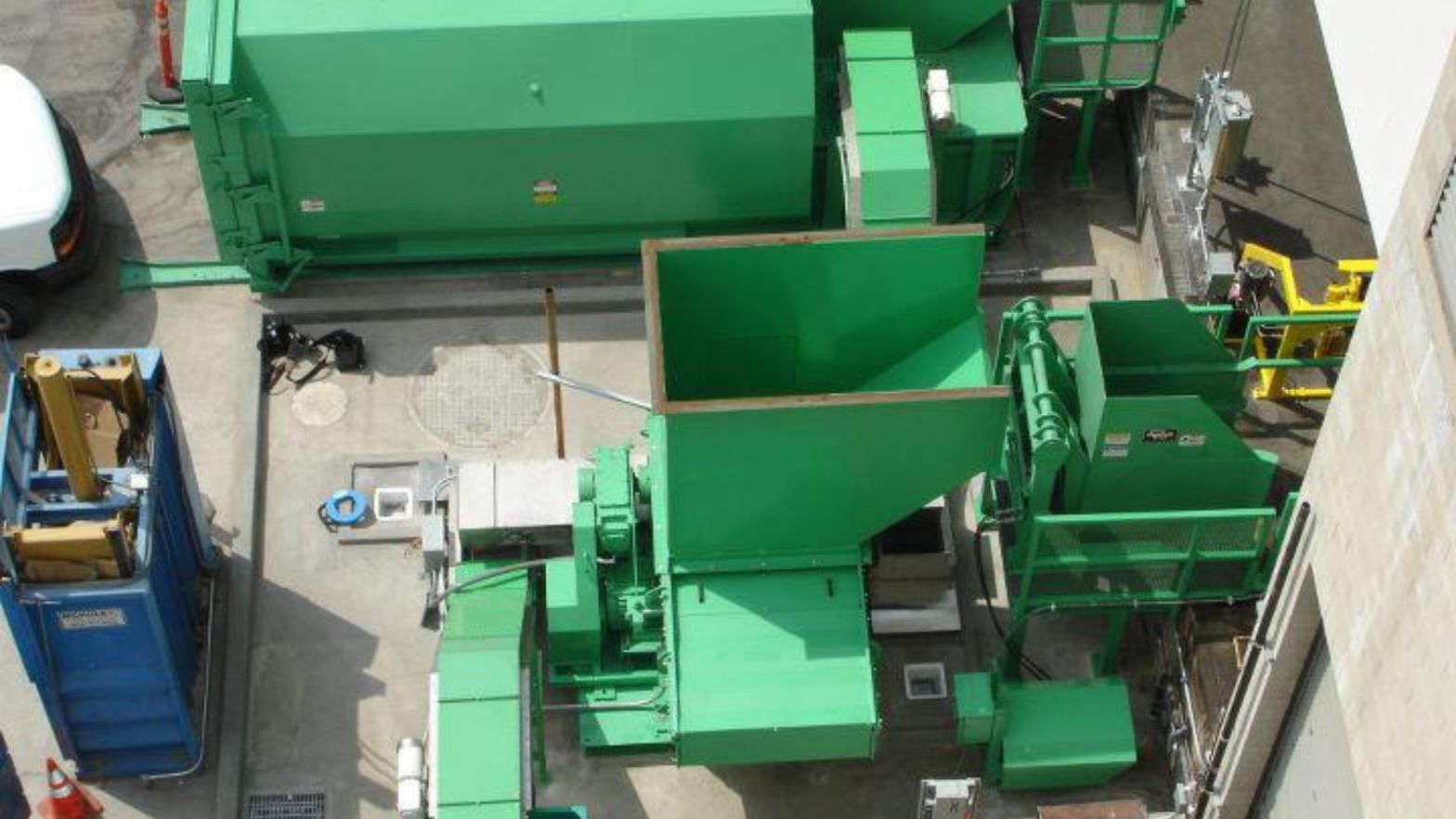
Waste management is one of those behind-the-scenes aspects of apartment living that residents rarely notice, until something goes wrong. In a single-family home, you might fill one in a week, but in a multi-unit residential building, trash piles up at a staggering pace. You’re not just handling one household’s banana peels, pizza boxes, and coffee grounds; you’re managing the daily waste output of dozens, sometimes hundreds, of people. Add in packaging from online deliveries, discarded furniture from move-outs, and the occasional hazardous or bulky waste, and suddenly the volume becomes a real logistical challenge, one that can be greatly reduced with the use of an Apartment Garbage Compactor to streamline disposal and keep the property clean. Without an efficient waste handling system, it doesn’t take long for things to spiral. Waste rooms can overflow in a matter of hours, making it difficult for staff to keep up. Odors can escape into hallways, creating an unpleasant experience for residents and visitors alike. Once those odors are present, pests, rodents, insects, and even raccoons in some areas, aren’t far behind. They quickly find ways into the building’s trash areas, and once they’ve settled in, removing them becomes costly and complicated. Beyond hygiene concerns, overflowing waste areas can even violate local health and safety codes, resulting in fines or enforcement actions. Space is another pressing concern for many property managers. Large, uncovered bins take up valuable square footage, space that could otherwise be used for bike storage, recycling stations, or other resident amenities. When bins fill up quickly, pickup schedules need to be more frequent, which means more hauling fees and more disruptions. In older buildings, space constraints can make managing multiple large containers nearly impossible, especially if waste needs to be stored indoors before collection. This is where a well-chosen garbage compactor changes everything. By compressing trash before disposal, compactors can reduce the overall waste volume by up to 75%, making it far easier and more cost-effective to manage. That means fewer pickups, lower hauling costs, and less strain on both storage space and staff resources. With less exposed waste sitting around, odor control improves dramatically, helping maintain a pleasant environment in common areas. The risk of pests drops significantly, since compactors create a sealed environment that limits access to food scraps and other attractants. For maintenance teams, the impact is just as important. Instead of spending hours each week dealing with overflowing bins or manually moving multiple loads of trash to collection points, staff can redirect their time toward preventative maintenance, resident requests, and other high-priority tasks. Compactors also make it easier to maintain organized, sanitary waste areas, something that both residents and inspectors appreciate. In today’s competitive residential property market, compactors have moved from being a “nice-to-have” feature to an essential part of modern apartment waste systems. They’re not just about convenience; they’re about keeping buildings clean, compliant, and cost-efficient while creating a better living experience for residents. For property managers who want to boost operational efficiency, protect their property’s reputation, and cut down on recurring waste expenses, investing in the right compactor isn’t just a smart choice; it’s a long-term solution that pays for itself many times over. Understanding How Apartment Garbage Compactors Work A At their core, apartment garbage compactors operate on a straightforward but highly effective principle: reduce waste volume before it ever leaves the building. The process starts when residents or building staff place trash into the compactor’s loading chamber. Once the waste is inside, a heavy-duty hydraulic ram moves forward with immense force, pressing the materials together until they’re densely packed. This compression can reduce the waste volume by as much as 4-to-1, meaning what once filled four containers can now fit into just one. The compacted waste is then pushed into a secure container or bin that’s designed to hold multiple loads before needing to be emptied, which dramatically cuts down on how often waste haulers need to visit the property. The operation itself is designed to be simple and safe. Modern compactors feature user-friendly controls, safety interlocks to prevent operation when the loading door is open, and sensors that signal when the container is nearing capacity. These features ensure that even in a busy apartment building, the compactor can be operated efficiently without unnecessary downtime or safety concerns. By automating the compaction process, these machines reduce the amount of manual handling required, lowering the risk of injuries among maintenance staff and making waste management more consistent. The types of waste a compactor can handle will depend on the specific model and its intended application. Many apartment-grade compactors are built for general household garbage, which includes food waste, packaging, and other mixed refuse. More specialized units can also handle recyclables like cardboard, paper, and certain plastics, while heavy-duty models may be capable of processing bulkier materials. Wet waste, such as food scraps or other moisture-rich materials, requires a self-contained design to prevent leakage and odors, while dry waste can be handled by stationary units that pair with detachable containers. Matching the computer’s capabilities to the building’s waste stream is essential, not only to keep the equipment functioning properly, but also to maintain compliance with local disposal regulations. Integration into a building’s existing waste collection system is another crucial consideration. In many high-rise apartment buildings, compactors are connected directly to trash chutes, allowing residents to dispose of garbage without ever stepping into a waste room. The trash drops down the chute and into the compactor automatically, where it’s compressed and stored until pickup. In mid-rise or garden-style properties, ground-level or dock-loaded compactors are common, enabling staff to centralize waste handling in one location. This flexibility ensures that no matter the building’s design, there’s a compactor configuration that can streamline operations. Once installed, compactors can also be synchronized with the property’s hauling service schedule. This means they’re emptied only when necessary, before reaching capacity, but without excessive pickups that inflate hauling costs. Many units can be monitored for fill levels, allowing property managers to coordinate …
Continue reading “Choosing the Right Apartment Garbage Compactor for Efficient Waste Handling”