
Category Archives: waste management equipment
Why Investing in Waste Management Equipment Improves Operational Efficiency?
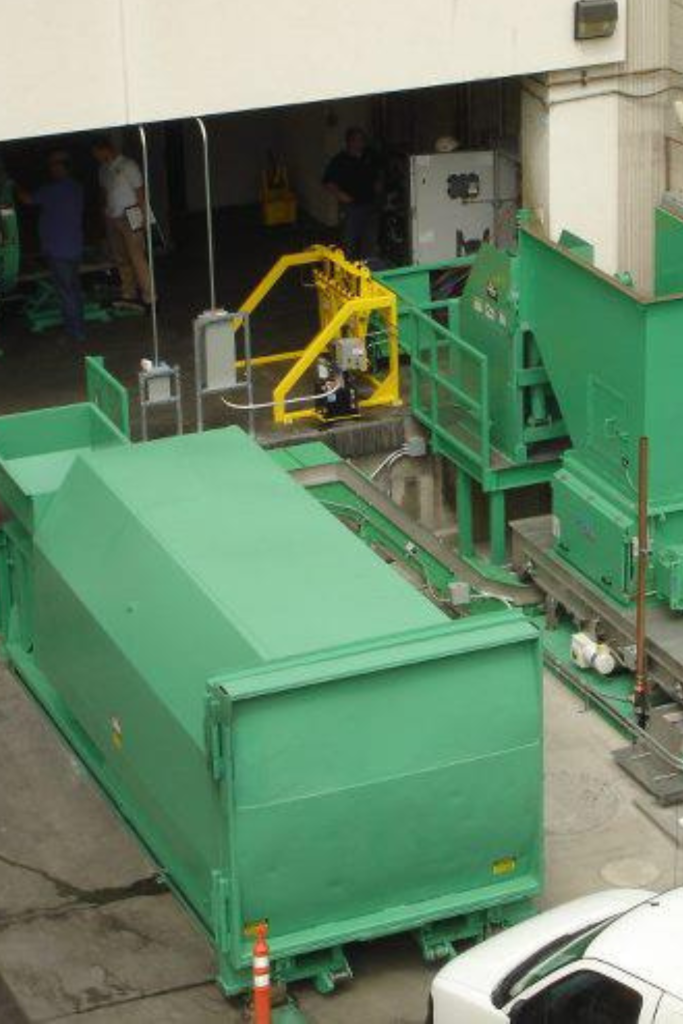
Every day, businesses across industries work tirelessly to optimize their operations, streamlining workflows, investing in automation, and cutting unnecessary steps from production lines. But there’s one area that often gets pushed to the back of the room, both literally and figuratively: waste management. Think about it. How much time, money, and manpower is being spent moving, sorting, and disposing of waste in your facility? And more importantly, what if that silent system in the corner is actually costing you more than it should? The right waste management equipment can make a massive difference—not just in efficiency, but in your bottom line. Investing in smarter, more reliable solutions can transform your waste handling process from an overlooked chore into a strategic advantage. We’ve spent over 60 years helping businesses uncover a surprising truth: waste is not just something to get rid of. It’s a key operational component that, when managed strategically, can unlock significant efficiency gains, cost savings, and sustainability wins. From healthcare facilities dealing with regulated medical waste to manufacturers managing packaging and scrap, waste touches every department. And yet, many organizations are still relying on outdated, manual, or patchwork systems that quietly slow them down, day after day. The real question is no longer “How do we dispose of waste?” but “How can waste handling make the rest of our operation run better?” Investing in the right waste management equipment, whether it’s a compactor, baler, sterilizer, or smart tracking system, can change the way your facility functions. It can reduce labor hours, streamline compliance, cut down hauling costs, and even open up physical space. Most importantly, it can take something reactive and turn it into a proactive part of your efficiency strategy. In this blog, we’re going to explore how smart investments in waste management equipment don’t just handle what’s thrown away, they help drive what moves your operation forward. Because once you stop treating waste as an afterthought, you start discovering real gains where you least expected them. Understanding Operational Efficiency In Waste Management Operational efficiency isn’t just a buzzword; it’s the heartbeat of any well-run facility. We define it as the ability to get more done using fewer resources, less time, less energy, less labor, and less waste. In the context of waste management, operational efficiency means processing materials quickly, safely, and in a way that minimizes disruption while maximizing output. When your waste systems are inefficient, they don’t just create clutter; they create bottlenecks that ripple through your entire operation. We’ve walked into facilities where overflowing bins block loading docks, where employees spend hours each week manually breaking down cardboard, and where outdated compactors require constant repair. These situations aren’t just inconvenient, they’re expensive. They lead to delays in production, injuries from repetitive lifting, and unnecessary use of skilled labor on tasks that could be automated. When waste piles up or disposal becomes unpredictable, teams are forced into reactive mode, which erodes productivity and morale. Efficiency in waste management also plays a major role in freeing up physical space. In many industrial or healthcare settings, real estate is at a premium. Every square foot taken up by unprocessed waste or inefficient disposal stations is space that can’t be used for operations, storage, or patient care. That’s why we believe that waste management should be treated as a core system, one that’s integrated into your workflow, just like logistics or inventory. It’s important to recognize that waste is a daily constant in every industry. Whether you’re handling packaging material, regulated medical waste, food scraps, or paper, your facility is generating waste at every turn. When you approach waste handling with an efficiency mindset, everything changes. Automated equipment removes the need for manual sorting and hauling. Smart system integration allows waste handling to be scheduled and tracked just like any other operational task. And with today’s technologies, businesses can monitor data in real time, using that information to fine-tune processes, reduce downtime, and improve safety. We’ve seen firsthand how these improvements help organizations run smoothly. It’s not just about having a better waste chute or a stronger compactor; it’s about embedding waste handling into your larger efficiency strategy. With the right equipment and systems in place, your operation becomes more agile, less wasteful, and far more resilient to the unexpected. The Importance of Investing In Waste Management Equipment If you’re looking for areas to trim operating costs and increase reliability, waste management is a smart place to start. We’ve helped businesses uncover inefficiencies hiding in plain sight, like paying too much for daily pickups, spending hours on manual sorting, or losing usable space to overflowing bins. The truth is, the right waste management equipment pays for itself faster than most people expect. High-quality compactors, balers, and sterilizers can significantly lower waste volume, reduce the number of hauls required, and shrink disposal fees in just months. Cost savings are only part of the story. Labor reduction is another huge benefit. In many facilities, valuable staff time is being spent moving bags of trash, breaking down recyclables, or navigating poor waste infrastructure. When you introduce equipment that automates these tasks, like a compactor that crushes waste at the source or a baler that preps recyclables for pickup, you’re freeing up staff to focus on higher-value work. Over time, this has a measurable impact on productivity and morale. No one wants to spend their day wrestling with garbage. Time savings are equally critical. In hospitals, where quick turnaround is essential, or in manufacturing facilities that depend on uninterrupted production lines, waste delays can cause serious setbacks. Our clients often report improved workflow speeds after installing our equipment because there’s less back-and-forth, fewer interruptions, and better coordination between departments. When waste handling runs like clockwork, your entire operation benefits from the smooth rhythm it creates. Then there’s the growing pressure of compliance. Regulations surrounding waste disposal, especially hazardous, medical, or industrial materials, are getting more stringent every year. A missed step or improperly handled load can result …
Continue reading “Why Investing in Waste Management Equipment Improves Operational Efficiency?”