Category Archives: Waste Handeling Equipments
How Advanced Medical Sterilization Equipment Is Transforming Healthcare
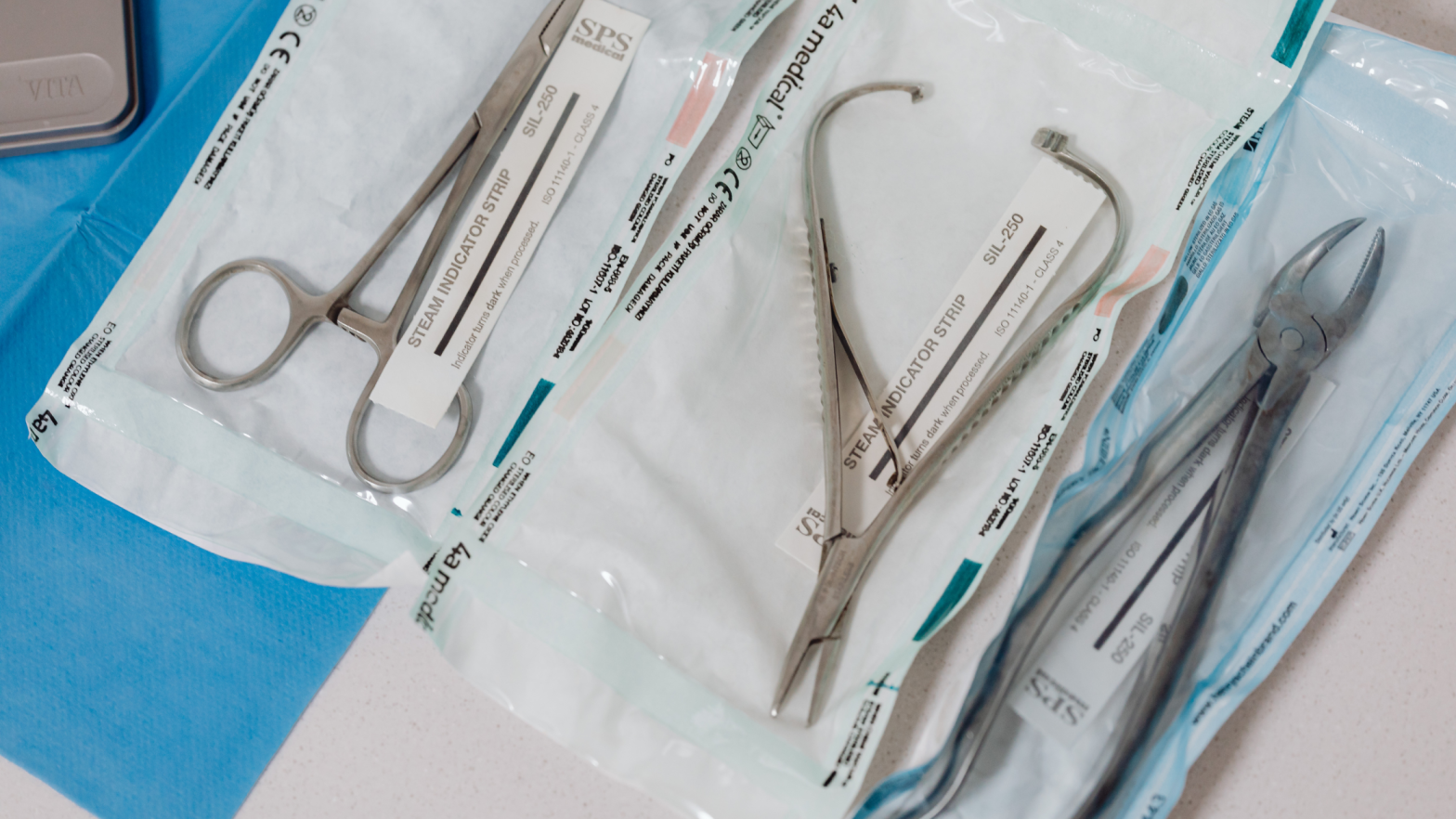
As healthcare continues to evolve, the need for reliable and efficient sterilization has never been more critical. Infections related to unsterilized equipment can have severe consequences, from extended hospital stays to increased risks for patients and healthcare workers alike. In such an environment, the role of advanced medical sterilization equipment becomes indispensable, transforming the way healthcare facilities maintain safety and hygiene. Advanced medical sterilization equipment is stepping in to meet the demands of today’s fast-paced, high-volume healthcare settings. With new technology designed to improve speed, reliability, and compliance, these tools are reshaping the landscape of sterilization. The Mark-Costello Co. has been a leader in this transformation, providing top-tier sterilization solutions to healthcare providers across the country. These innovations are not just about keeping up with evolving safety standards—they’re about exceeding them and ensuring the health and well-being of patients and staff. The Need for Advanced Medical Sterilization Equipment Healthcare facilities face increasing challenges when it comes to sterilizing medical instruments. Traditional methods, while effective, can be time-consuming, prone to human error, and sometimes inconsistent. With rising patient numbers, shorter hospital stays, and the constant need for surgical and diagnostic tools, the pressure on sterilization departments has increased significantly. In such environments, delays in sterilization or inefficiencies can lead to equipment shortages, procedure delays, and in some cases, increased infection risks. These challenges highlight the need for more advanced sterilization solutions. Advanced sterilization equipment addresses these challenges by streamlining the process, providing more consistent results, and reducing reliance on manual labor. These machines are designed to ensure that equipment is sterile and ready for use, even in high-demand environments. As regulatory standards around sterilization become more stringent, advanced equipment helps healthcare providers stay compliant with these ever-evolving safety requirements. The reliability of these machines ensures that tools are not only cleaned but thoroughly sterilized, protecting patients and staff from potential infection. Key Features of Advanced Medical Sterilization Equipment Modern medical sterilization equipment is designed to improve efficiency and reliability in healthcare settings. One of the most significant advantages of advanced sterilization tools is their efficiency. Traditional sterilization methods can be slow, requiring extensive drying times or manual oversight. In contrast, advanced equipment reduces the time needed to sterilize medical tools, ensuring that healthcare facilities can maintain a continuous flow of clean instruments, even during peak hours. This allows hospitals and clinics to reduce downtime between procedures, improving both patient care and operational efficiency. In addition to efficiency, reliability is a cornerstone of advanced sterilization equipment. These machines use sophisticated technology to ensure that each sterilization cycle is consistent, thorough, and effective. By minimizing the risk of human error, advanced equipment provides healthcare professionals with peace of mind, knowing that their tools are fully sterilized and safe to use. Whether it’s an autoclave, UV sterilizer, or another type of sterilization unit, these machines help reduce the variability often seen in manual or outdated methods. Advanced medical sterilization equipment is designed with compliance in mind. Healthcare facilities must adhere to strict sterilization regulations, both to protect patient safety and to meet industry standards. Advanced sterilization tools come equipped with features that ensure every cycle meets regulatory requirements, with built-in monitoring systems that track each sterilization process. These features not only help facilities meet safety standards but also provide documentation for regulatory bodies, ensuring full compliance at all times. Types of Sterilization Equipment Offered by The Mark-Costello Co. At The Mark-Costello Co., we offer a range of advanced sterilization equipment designed to meet the diverse needs of hospitals, clinics, and surgical centers. Our equipment includes autoclave sterilizers, which use high-pressure steam to eliminate pathogens from medical instruments. These devices are renowned for their ability to thoroughly sterilize even the most complex tools, making them essential in surgical and diagnostic environments. We also offer UV sterilizers, which use ultraviolet light to kill bacteria and viruses on surfaces and smaller instruments quickly and effectively. One of the key advantages of our sterilization solutions is their customization options. We understand that different healthcare facilities have unique needs, and we work closely with our clients to provide equipment that fits their specific operational demands. Whether a facility requires a compact tabletop sterilizer or a larger, high-capacity unit, we ensure that our equipment is tailored to meet those needs. Our advanced features, such as automation and real-time monitoring, help healthcare providers optimize their sterilization processes, ensuring both safety and efficiency. Benefits of Advanced Sterilization for Healthcare The benefits of advanced medical sterilization equipment extend beyond just faster cycles. One of the most significant advantages is improved patient safety. By ensuring that all instruments are thoroughly sterilized, healthcare providers can reduce the risk of infections, protecting patients from potentially life-threatening complications. In an era where hospital-acquired infections are a growing concern, reliable sterilization is essential for maintaining a high standard of care. Advanced sterilization equipment also contributes to operational efficiency. With faster sterilization processes, healthcare facilities can reduce the time instruments spend out of rotation, ensuring that tools are available when needed. This not only improves workflow but also reduces the need to purchase additional instruments, as existing ones can be used more frequently. Moreover, the increased efficiency helps reduce bottlenecks in sterilization departments, allowing for a smoother and more streamlined operation across the entire facility. Finally, there are cost-saving benefits associated with advanced sterilization equipment. By reducing the need for manual labor and minimizing the risk of error, these machines help healthcare facilities save on operational costs. The durability and longevity of modern sterilization tools mean fewer repairs and replacements, offering long-term savings. Over time, the investment in advanced sterilization equipment pays off by improving both the financial and operational efficiency of healthcare providers. Conclusion Advanced medical sterilization equipment is transforming healthcare by improving safety, efficiency, and compliance in healthcare settings. As healthcare demands continue to grow, reliable and efficient sterilization processes are critical to maintaining the highest standards of patient care. At The Mark-Costello Co., we are committed to providing cutting-edge sterilization solutions that meet the needs …
Continue reading “How Advanced Medical Sterilization Equipment Is Transforming Healthcare”
Medical Waste Grinders: Transforming Hazardous Waste Into Manageable Material

Managing medical waste is a critical responsibility for healthcare facilities, and it comes with a complex set of challenges that go far beyond simple trash removal. Hospitals, clinics, research labs, and even dental offices generate substantial volumes of hazardous waste every single day. This includes used syringes, scalpels, IV tubing, surgical gloves, and contaminated dressings—materials that can carry infectious pathogens or pose physical dangers if mishandled. Proper disposal is not just a matter of tidiness; it’s a public health imperative. If these items are not managed carefully and according to strict regulatory standards, they can endanger healthcare workers, patients, waste management personnel, and even the broader community. Furthermore, improper disposal can result in hefty fines, legal liabilities, and reputational damage for medical institutions. The stakes are high, which is why healthcare providers need reliable systems that prioritize both safety and compliance. In response to this growing concern, medical waste grinders have emerged as a highly practical and effective solution. These specialized machines are designed to significantly reduce the size and volume of hazardous waste materials, breaking them down into smaller, more manageable components. This mechanical process not only makes waste easier to store and transport but also adds an additional layer of security by destroying potentially harmful items, such as needles or blades, that could cause injury or contamination. By transforming dangerous medical waste into unrecognizable fragments, grinders help eliminate the risk of reuse or accidental contact. Moreover, many of these systems are engineered to work in conjunction with sterilization processes, ensuring that waste is not only broken down but also decontaminated before disposal. This dual-action approach supports infection control and promotes more sustainable waste handling across healthcare environments. Medical waste also contribute to operational efficiency within medical facilities. Instead of relying solely on third-party waste disposal services, which can be costly and require frequent pickups, on-site grinding allows facilities to manage part of their waste stream internally. This can lead to cost savings over time, reduced dependence on external vendors, and improved scheduling flexibility. Additionally, compacted and sterilized waste often takes up less space in landfills, making this method more environmentally responsible. With increasing pressure on healthcare providers to adopt greener practices and reduce their carbon footprint, integrating a grinder into their waste management system is a step in the right direction. At The Mark-Costello Co., we understand just how vital effective waste management is in a healthcare setting. With decades of experience designing high-performance waste processing equipment, we offer robust medical waste that are engineered to meet the demanding needs of hospitals, laboratories, and other clinical environments. Our machines are built for safety, reliability, and compliance, helping healthcare organizations adhere to OSHA and EPA standards while protecting their staff and community. We take pride in offering customizable systems that align with each facility’s specific workflow, capacity requirements, and budget considerations. Whether you’re looking to upgrade an outdated system or integrate waste grinding into a new build, our solutions are designed to deliver long-term peace of mind. Medical waste are more than just equipment—they represent a smarter, safer, and more responsible approach to healthcare waste disposal. As regulations become stricter and sustainability grows more urgent, the need for advanced solutions will only increase. Investing in the right technology today helps healthcare providers stay ahead of the curve, maintain compliance, and demonstrate their commitment to both safety and environmental stewardship. By simplifying what was once a complex and risky task, waste grinders are changing the way healthcare facilities manage hazardous materials—and doing so with efficiency and confidence. What Are Medical Waste Grinders? A medical waste grinder is a specialized machine designed to safely and efficiently process hazardous medical waste by breaking it down into smaller, more manageable pieces. Equipped with sharp, rotating blades, these machines can shred a wide range of waste materials—including syringes, gloves, tubing, bandages, and small metal instruments—into fine, uniform fragments. Once ground, the waste is typically sterilized or chemically treated to neutralize any remaining pathogens or contaminants. This process transforms the once-dangerous waste into a non-hazardous material that can be safely disposed of or sent for additional treatment. By reducing the size and complexity of medical waste, grinders significantly improve handling safety, reduce the potential for exposure, and enable more effective sterilization. They also allow for better space utilization in storage and transport, lowering disposal costs and enhancing operational efficiency for healthcare facilities. Beyond efficiency and safety, medical waste grinders also support sustainable waste management practices. One of their key benefits is minimizing the volume of waste that ends up in landfills. The smaller, treated particles take up less space and pose far fewer environmental risks than untreated bulk waste. When paired with sterilization systems like autoclaves, grinders ensure the thorough disinfection of all waste particles, reducing the risk of contamination during or after disposal. This transformation from hazardous to non-hazardous material is essential for protecting public health, as untreated medical waste can carry infectious agents, chemical hazards, and other dangerous substances. By incorporating grinding and sterilization into the disposal process, healthcare facilities play a crucial role in preventing disease spread and environmental damage—making medical waste an indispensable part of any responsible waste treatment strategy. The Role of Medical Waste Grinders in Healthcare Medical waste play a critical role in supporting healthcare facilities as they navigate increasingly strict regulations surrounding hazardous waste disposal. Every day, hospitals, clinics, dental offices, research labs, and diagnostic centers generate significant amounts of biomedical waste. This waste often includes contaminated sharps like needles and scalpels, disposable surgical tools, gauze soaked in bodily fluids, pathological waste, and other items exposed to infectious materials. Because of the high risk of spreading disease or contaminating the environment, this waste must be processed with utmost care, following guidelines set by federal, state, and local regulatory bodies. By integrating medical waste into their waste management systems, healthcare facilities can dramatically reduce the overall volume of hazardous waste produced. These machines are specifically designed to shred and pulverize medical waste into much …
Continue reading “Medical Waste Grinders: Transforming Hazardous Waste Into Manageable Material”
Autoclave Sterilizers: How They Keep Medical Equipment Safe And Clean
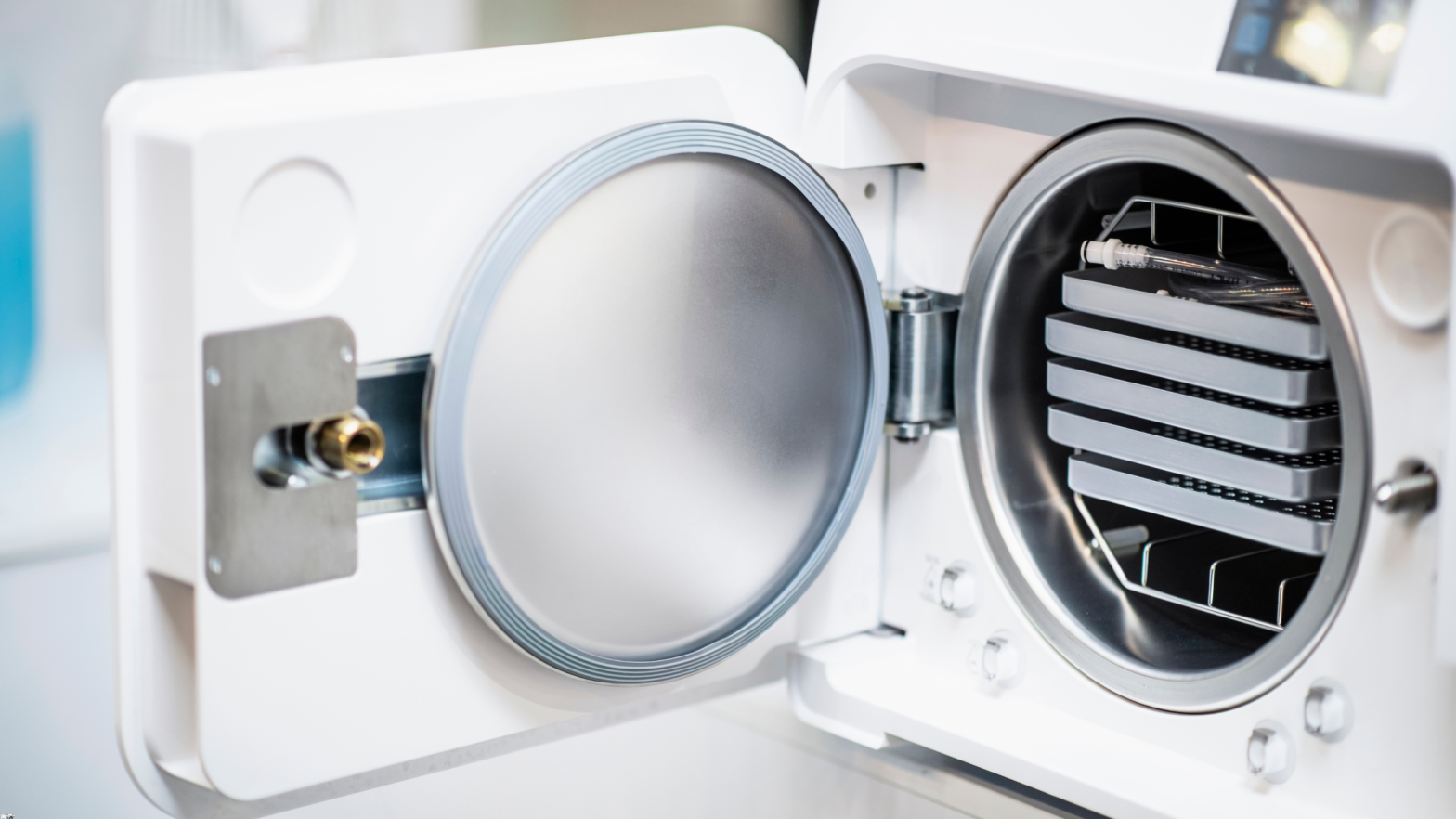
Autoclave Sterilizers combined with medical waste grinders offer an innovative solution for transforming hazardous medical waste into manageable material, giving healthcare facilities a smarter approach to safety, efficiency, and environmental responsibility. These grinders, often used after sterilization, play a vital role in minimizing exposure to dangerous pathogens by converting sharps, infectious waste, and other regulated materials into unrecognizable, compacted forms that are easier and safer to dispose of. By significantly reducing the volume of waste, they not only streamline handling and storage but also help cut transportation costs and lower the environmental impact of disposal. Facilities can maintain compliance with strict health regulations while also protecting their staff, patients, and surrounding communities from the risks of improper waste management. In addition, the reduction in bulk waste supports sustainability goals, as it decreases reliance on landfill use and reduces the carbon footprint associated with frequent waste transport. At The Mark-Costello Co., we provide a full line of customizable medical waste grinders engineered to meet the specific needs of healthcare operations of all sizes. Whether you manage a small outpatient clinic or a large hospital network, our grinders can be tailored to your space, waste volume, and safety protocols. Designed with durability, ease of operation, and long-term performance in mind, our machines are equipped with features that simplify waste processing while ensuring consistent output. If you’re looking to modernize your waste disposal system, reduce liability, and promote a safer, greener facility, we’re here to help. Contact us today to explore our complete range of medical waste grinders and discover how The Mark-Costello Co. can support your commitment to safety, compliance, and sustainability in medical waste management. What Is An Autoclave Sterilizer? An autoclave sterilizer is a specialized device designed to ensure the complete sterilization of medical equipment through the application of pressurized steam. This method of sterilization relies on the principle that steam under high pressure can achieve temperatures that are far more effective at eliminating harmful microorganisms than dry heat alone. The process begins by heating water inside the autoclave to generate steam. Once the steam is produced, it is channeled into a sealed chamber that contains the medical instruments in need of sterilization. As the pressure increases inside the chamber, the temperature of the steam rises, typically reaching around 250°F (121°C) or higher. This combination of high temperature and pressure creates an environment that is lethal to a wide range of biological contaminants, including bacteria, viruses, fungi, and particularly resilient bacterial spores that are often resistant to conventional disinfection methods. What makes this sterilization method especially effective is the steam’s ability to thoroughly permeate every surface and crevice of the instruments being sterilized. Unlike chemical disinfectants or dry heat, steam can reach microscopic cracks, hinges, and internal components of complex tools that might otherwise remain contaminated. This deep penetration ensures a consistent and comprehensive sterilization process across all items in the autoclave. Additionally, because the steam evenly distributes heat throughout the chamber, there are no cold spots where microbes might survive. Once the sterilization cycle has run its course—which typically takes 15 to 30 minutes depending on the size and type of load—the instruments emerge fully sanitized. They are now free of all viable microorganisms, rendering them completely safe for use in future medical procedures. Autoclaves play a crucial role in the infection control protocols of healthcare facilities, laboratories, dental offices, and research centers. These machines are indispensable for sterilizing a wide array of reusable medical equipment, including surgical instruments, dental handpieces, glassware, and other laboratory tools. In the absence of proper sterilization, these devices could easily become vectors for disease transmission, carrying bacteria or viruses from one patient to another or even contaminating healthcare staff. This risk is especially pronounced in surgical settings, where even a trace amount of contamination can lead to severe postoperative infections. Therefore, the use of autoclaves is not merely a best practice—it is a regulatory and ethical necessity in any environment where patient safety and hygiene are priorities. The Importance of Sterilization In Healthcare Inadequate sterilization can have serious consequences in healthcare settings. When medical tools are not properly disinfected, they can carry harmful pathogens that lead to infections, further complicating patient care. From minor procedures to major surgeries, sterilized equipment is critical to preventing infections that could result in longer hospital stays, additional treatments, or even life-threatening conditions. Autoclave are vital in reducing the risk of cross-contamination in healthcare facilities. Hospitals and clinics constantly deal with pathogens that can spread easily if not properly contained. Autoclaves ensure that medical tools used on one patient are safely sterilized before they are used on another, preventing the spread of infections and diseases. Moreover, healthcare facilities are bound by strict regulatory guidelines set by organizations like the CDC and OSHA. These guidelines mandate the use of proper sterilization methods to ensure compliance with health and safety standards. sterilizers are a trusted solution to help facilities meet these regulatory requirements and maintain high standards of care. Benefits of Using Autoclave Sterilizers Autoclave offer a wide array of advantages that make them essential in medical and laboratory settings, where cleanliness and patient safety are top priorities. These machines use pressurized steam to eliminate harmful microorganisms, ensuring tools and equipment meet strict hygiene standards. The combination of high temperature and steam pressure results in an effective sterilization method that healthcare professionals around the world rely on. In an industry where precision and cleanliness can make the difference between life and death, autoclaves provide a consistent and trustworthy method of maintaining sterile environments. Effectiveness: One of the most significant benefits of autoclave is their unparalleled ability to destroy a wide spectrum of pathogens. This includes not only common bacteria and viruses but also more resilient microorganisms such as bacterial spores and fungi, which are notoriously difficult to eliminate with traditional cleaning methods. The secret lies in the autoclave’s use of high-pressure saturated steam, which is capable of reaching every crevice and internal …
Continue reading “Autoclave Sterilizers: How They Keep Medical Equipment Safe And Clean”