Even the best policies fail if the site layout makes disposal messy or time-consuming. People take shortcuts when the right bin is far away, overloaded, unclear, or frequently out of service. That is why waste success often depends on designing the disposal flow: where waste is generated, how it moves, where it is staged, and how it leaves the facility. When the flow is clean, the program becomes easier to follow, easier to measure, and easier to improve.
Volume reduction is one of the most direct cost levers.
If you can compact, densify, or consolidate waste safely, you can often reduce pickups, improve site cleanliness, and create more predictable hauling schedules. This matters even more when operations span multiple markets, because transport costs and hauling availability can vary widely by region. The goal is not just “smaller waste,” but smoother operations, less overflow, fewer missed pickups, fewer emergency hauls, and fewer safety issues in staging areas. Here is the key: equipment has to match the waste stream and the way the facility actually works. Cardboard and film have different needs than mixed trash. High-volume loading docks need different configurations than smaller retail footprints. And the right setup should include clear training and simple daily checks so the equipment stays reliable. This is especially important for international solid waste management because standardizing the approach across sites helps you compare performance and scale improvements. In many facilities, the equipment conversation includes options like Trash Compactor Dumpster, Waste Management Compactor, stationary Compactors, and Medical Waste handling solutions, depending on waste type, safety requirements, and local regulations. The best results happen when you pair the right equipment with clear signage, straightforward user steps, and a maintenance plan that prevents downtime. To keep things practical, aim for a “no-guessing” system: consistent labels, consistent placement, and a clear rule for what goes where. When people do not have to think hard, compliance improves.
Mark Costello has been a trusted name in waste management for decades, delivering reliable and effective solutions that businesses count on.
Using the latest technology, We ensures that waste management systems are efficient and up to industry standards, from food digesters to compactors.
At Mark Costello,we provides tailored waste management solutions that fit each business’s unique needs, ensuring a smooth integration into existing operations.
Mark Costello is dedicated to helping businesses achieve their sustainability goals by turning waste into valuable resources, supporting a greener future.
Send us a message with your questions or concerns and our team member will contact you. We’d love to hear from you.
Dear Mr. Markle,
I have been working in the Plant Operations of Hospitals for the past 20 years. During that time I have had the responsibility of maintaining various autoclaves for the treatment of biohazardous medical waste.
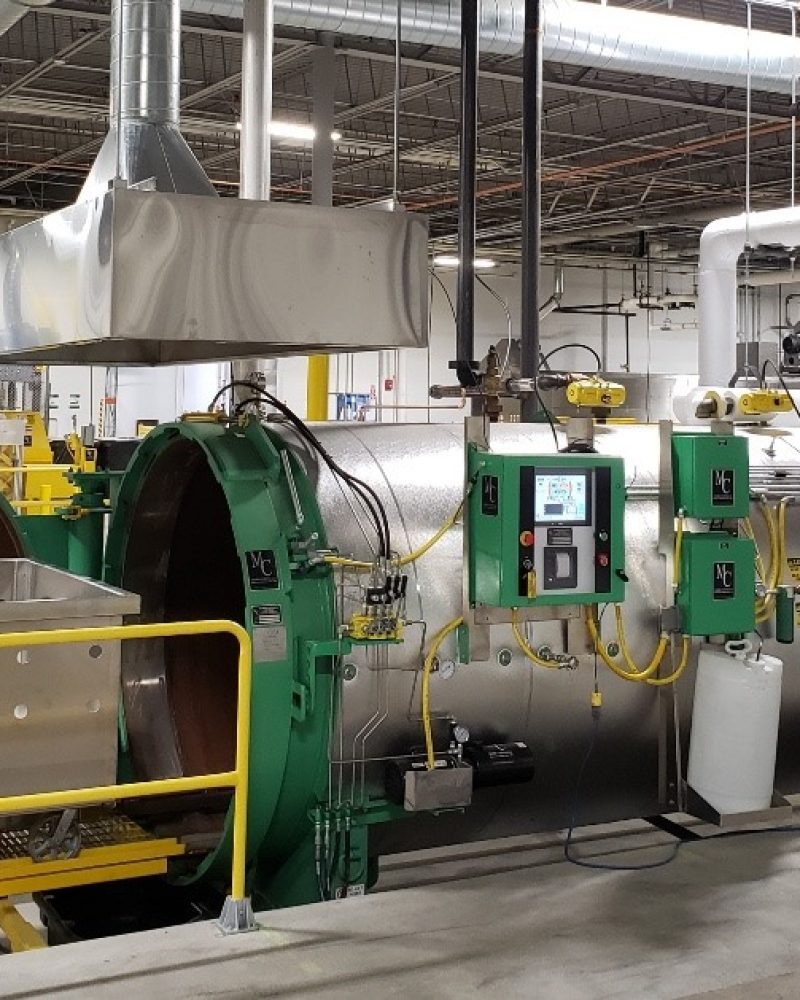
When I came to Doctors Medical Center a year and a half ago I found myself in charge of maintaining a Mark-Costello Co. autoclave that was nearly eight years old. After my past experience of trying to keep a high vacuum system with consistent problems in operation, I find maintaining the Mark-Costello gravity fed autoclave a pleasure, as there is seldom a malfunction. I attribute this to the fact they have kept the design simple with no need for highly technical maintenance and high dollar repair parts.
As a point of information, the Model we operate is a AS 512 equipped with a unique “pull out drawer” making it easy for the Housekeeping Staff to load. This unit has a capacity of approximately 750 lbs. per cycle.
We expect to keep our Mark-Costello autoclave in operation for another 8 years or longer !
Dear Mr. Markle:
San Ramon regional Medical Center has owned and operated a Model AS46 Mark-Costello Medical Waste Sterilizer for the past eight years. We are pleased with performance of this equipment and have had a fine working relationship with the Mark-Costello Company. The system continues to function well and allows our facility to avoid the liability and high cost of packaging and hauling untreated infectious waste.
We Anticipate several more years of operation from this waste treatment system
Saludos,
La presente es para agradecer sus servicios a nuestra compañia. Su equipo de trabajo ha sido muy atento y diligente en las gestiones realizadas. Estamos muy complacidos con el equipo, el precio y la calidad de sus servicios.
Esperamos seguir contando con una excelente relacion de negocios en un futuro muy cercano.
Greetings,
This letter is to thank you for your services to our company. Your teamwork has been very attentive and diligent in the way it has been carried out. We are very pleased with the teamwork, the price and the quality of your services.
We expect to continue an excellent business relationship with you in the near future.
To whom it may concern,
Pleased with the equipment
We are quite pleased with our Mark-Costello sterilizer. The sterilizer has been working fine for many years. We recently purchased additional equipment from them, and are impressed with their response time and friendly service. We hope to continue a great working relationship with Mark-Costello in the future for additional pieces of equipment.
“It’s been a great relationship with The Mark-Costello Company; they are very dependable to all of our waste handling requirements and have made us aware of the importance of recycling and the upcoming waste handling issues in the future.”
“We have been very pleased with the performance and the cost savings that the trash compactors from The Mark-Costello Company have provided to our school district.”
My name is David E. and I am responsible for a Mark Costello Co. Auto-Clave, at an inflight Kitchen out here in Kona Hawaii, that is overseen by the USDA / Custom and Borders, federal inspectors. (as you can imagine that is a challenge in its self).
The products that Mark Costello Co. is producing are of good quality. The auto – clave that I am responsible for works 24/7, with very few break downs. This is the only unit available in Kona, making daily operation is critical.
It is nice to know that when I call for tech support and parts, the courteous staff always responds promptly. Being out here in the middle of the pacific, that is crucial to our operation.
I would highly recommend Mark Costello Co.
Two-ram balers use separate rams for compression and ejection, allowing them to handle higher volumes, more materials, and deliver denser, more uniform bales. This design increases speed, reduces jamming, and is better suited for diverse or heavy-duty waste streams.
Our 2 ram balers can compact a wide range of materials including OCC (old corrugated containers), newsprint, PET, aluminum and steel cans, plastics, and with the optional metals package, non-ferrous scrap like copper and aluminum.
Routine maintenance includes hydraulic fluid checks, changing out wear liners, blade sharpening or replacement, and occasional adjustments to the ram hold-downs. Our machines are designed with easy service access and come with extensive support through our nationwide parts and service network.
Yes. Our Maestro™ control system lets you fine-tune compression settings, adjust bale length, and modify ejection speed. The NexDoor™ adjustable door also ensures consistent output, regardless of material type or size.
Absolutely. They’re designed specifically for industrial environments with safety features such as emergency stop controls, hydraulic lockouts, and protective guards. The hydraulic systems are built to handle continuous use without overheating or mechanical failure.
Yes, we offer full installation, training, and ongoing support for all our equipment. Our technical service team is available for routine checkups, emergency repairs, and remote troubleshooting to ensure your system stays up and running.