
Category Archives: Waste Handeling Equipments
How Apartment Trash Compactors Improve Waste Management Efficiency
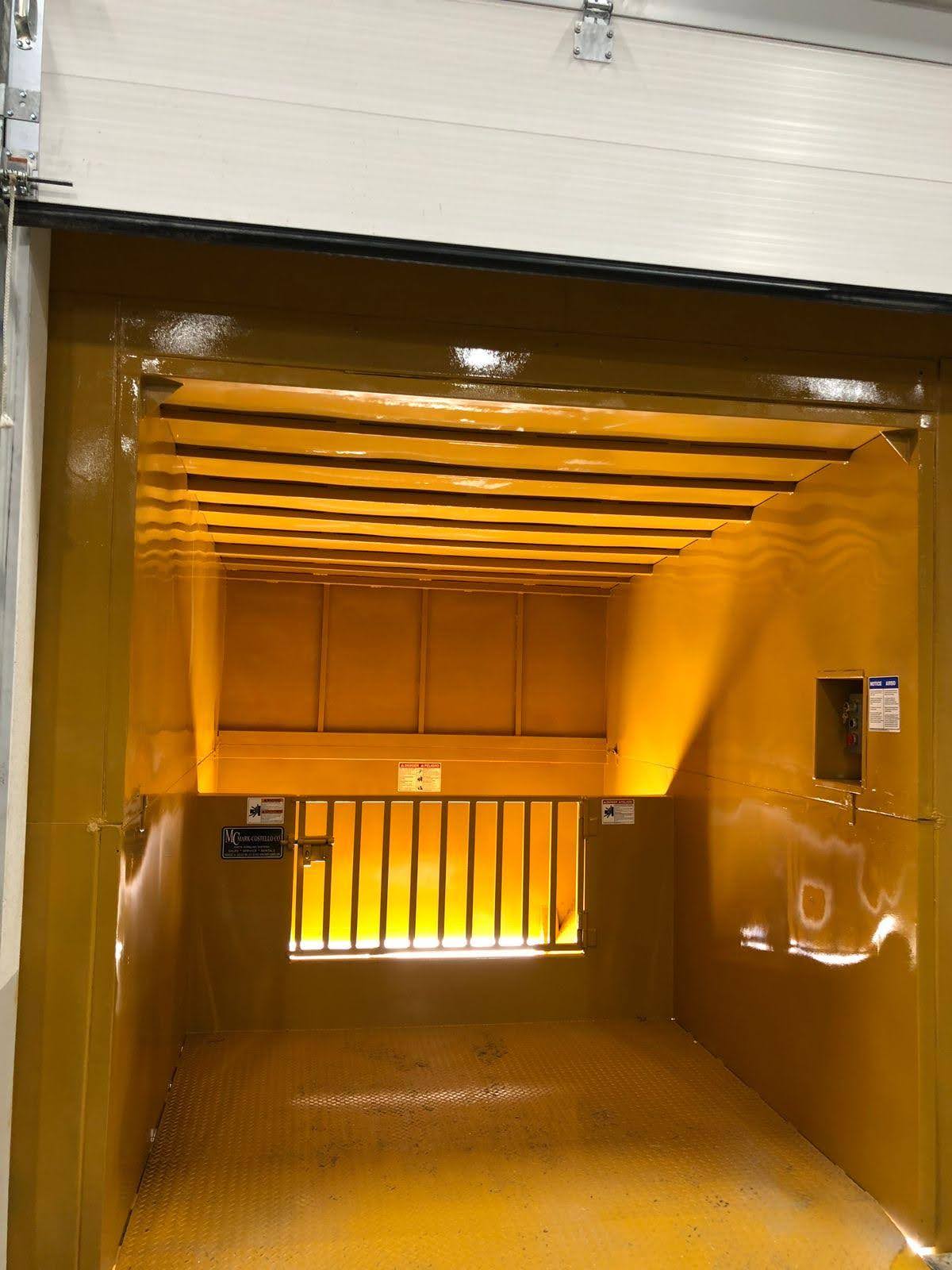
Every day, countless bags of trash leave apartments and disappear without a second thought. But have you ever wondered how that process happens so seamlessly? In apartment complexes where hundreds of residents generate waste daily, keeping things under control takes more than a few trash bins. Enter the apartment trash compactors—the unsung hero of modern waste management. These compact machines work tirelessly behind the scenes to keep trash rooms organized, reduce waste volume, and create a more efficient, hygienic living environment. If you’ve ever appreciated a clean and odor-free trash area in your building, you likely have a trash compactor to thank. What Exactly Is a Trash Compactor? At its core, a trash compactor is a mechanical device designed to compress waste into compact, manageable blocks. It uses hydraulic or mechanical pressure to reduce the volume of garbage, making it easier to handle, transport, and dispose of. Picture this: instead of an overflowing pile of trash bags, the compactor neatly compresses the waste into smaller, dense bundles. This simple yet powerful function transforms what could be a chaotic and unsanitary trash area into a clean, efficient space. For apartment buildings, trash compactors are a game-changer. They not only streamline waste management but also play a pivotal role in improving the overall living experience for residents and property managers alike. The Surprising Benefits of Apartment Trash Compactors Apartment trash compactors do far more than just reduce waste volume. Their benefits ripple across the building, creating a cleaner, more cost-effective, and environmentally friendly environment. Space-Saving Marvel One of the most immediate advantages of a trash compactor is its ability to save space. In crowded urban areas where trash rooms are often limited, compactors free up valuable space by reducing the volume of waste. This makes it easier to keep trash areas tidy and organized, no matter how many residents contribute to the pile. Cost-Cutting Genius By compacting waste, these machines reduce the number of trash pickups needed, leading to significant savings for property managers. Fewer pickups mean lower disposal fees and reduced wear-and-tear on waste collection infrastructure, allowing buildings to allocate resources more efficiently. A Breath of Fresh Air Overflowing trash areas are breeding grounds for odors and pests, which can quickly become a nuisance for residents. Trash compactors help eliminate these issues by containing waste in tightly packed bundles, minimizing exposure to the elements. The result? A cleaner, fresher environment for everyone in the building. Green Revolution In an era where sustainability is a priority, trash compactors align perfectly with green initiatives. By reducing the volume of waste, they lower the carbon footprint associated with transportation and landfill usage. Some models even support waste sorting, making it easier for buildings to participate in recycling programs. Efficiency Redefined: How Trash Compactors Transform Waste Management Imagine the maintenance team in your building no longer overwhelmed by an endless stream of trash bags piling up in the waste room. With a trash compactor in place, waste management becomes a streamlined process, improving efficiency across the board. Compactors reduce the time and effort required to manage waste, allowing staff to focus on other tasks that enhance the building’s operations. For residents, this translates into a better living experience—no more navigating smelly, cluttered trash rooms or dealing with pests attracted to open waste. The efficiency of a trash compactor creates a ripple effect, benefiting everyone in the building. It’s one of those investments that pays for itself many times over in convenience, cost savings, and overall quality of life. The Decision-Making Puzzle: Choosing the Right Compactor When it comes to selecting the right trash compactor for your apartment building, the choices can feel overwhelming. So, how do you know which one is the perfect fit? Start by considering the volume of waste your building generates. High-capacity compactors are ideal for large complexes, while smaller models work well for buildings with fewer units. Energy efficiency is another important factor—look for machines that consume less power without sacrificing performance. Ease of use is also critical. User-friendly controls and automated features can make operating the compactor simple for both staff and residents. Finally, durability and maintenance requirements should be part of your decision-making process. A reliable compactor will serve your building for years with minimal upkeep. We offer a range of high-quality compactors tailored to meet the unique needs of apartment buildings. From compact models to industrial-grade systems, we’ll help you find a solution that works seamlessly with your operations. Your Partner in Waste Management Innovation For decades, The Mark-Costello Co. has been at the forefront of waste management technology, providing innovative solutions that redefine efficiency. Our trash compactors are designed with apartment buildings in mind, offering a combination of durability, functionality, and environmental stewardship. We understand the challenges property managers face when it comes to waste management, and we’re committed to helping you overcome them. From initial consultation to installation and ongoing support, we’re here to ensure you get the most out of your compactor investment. Our cutting-edge compactors have earned the trust of countless apartment buildings nationwide. Whether you’re managing a small complex or a multi-building development, we have the expertise and solutions to meet your needs. Ready to transform waste management in your building? Visit us to explore our range of trash compactors and discover how we can help you improve efficiency, cut costs, and enhance the living experience for your residents. Conclusion: Small Machine, Big Impact A trash compactor might not be the first thing that comes to mind when you think about improving apartment living, but its impact is undeniable. From creating cleaner, more organized trash areas to cutting costs and supporting sustainability, compactors play a vital role in modern waste management. We believe in the power of small changes to make a big difference. Our trash compactors are more than just machines—they’re tools for creating a better living environment for everyone. Partner with us and experience the future of waste management efficiency firsthand. Michael KelleherMichael Kelleher is an experienced content strategist at …
Continue reading “How Apartment Trash Compactors Improve Waste Management Efficiency”
How a Medical Waste Autoclave Ensures Safe Disposal
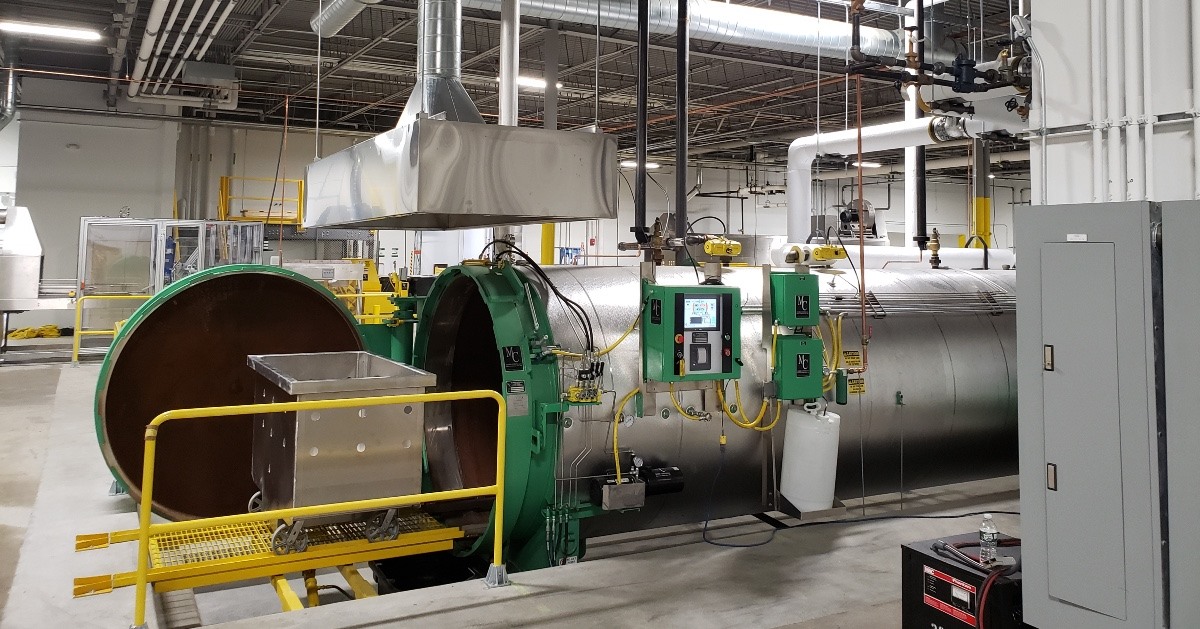
Healthcare facilities face countless challenges every day, but one issue often gets overlooked until it becomes a serious problem—managing medical waste. Whether it’s used syringes, contaminated bandages, or biohazard materials, the sheer volume of waste generated can feel overwhelming. Add in the risks of improper disposal, such as harm to public health or environmental damage, and the stakes get even higher. At Mark-Costello Co., we understand the pressures that come with ensuring medical waste is handled safely and responsibly. That’s where medical waste autoclaves come into play. These innovative devices provide a reliable, eco-friendly solution that not only simplifies disposal but also offers peace of mind. Let’s explore how medical waste autoclaves work and why they’re an essential tool for modern waste management. Understanding the Role of Medical Waste Autoclaves A medical waste autoclave is a specialized device that uses high-pressure steam to sterilize and treat waste. The process, known as autoclaving, involves exposing waste to steam at temperatures above 250°F (121°C). This kills harmful pathogens, neutralizes hazardous materials, and ensures the waste is safe for disposal or further processing. Unlike incineration, which releases harmful emissions into the air, autoclaving is a much cleaner process. It avoids the environmental drawbacks of burning waste while still ensuring that all dangerous materials are rendered harmless. Similarly, compared to landfilling, autoclaving reduces the risk of contamination and provides a more sustainable solution. With its ability to sterilize a wide variety of medical waste, from sharps to biohazardous materials, the medical waste autoclave has become a trusted tool for healthcare facilities worldwide. How Medical Waste Autoclaves Ensure Safety? Medical waste autoclaves are designed to address the unique challenges of healthcare waste management. Here’s how they ensure safety at every step: Complete Sterilization: The high-pressure steam used in autoclaves effectively eliminates pathogens, bacteria, and viruses. This ensures that the treated waste is no longer hazardous, providing peace of mind for healthcare workers and the surrounding community. Eco-Friendly Disposal: Unlike incineration, autoclaving doesn’t produce toxic emissions or ash. The sterilized waste can often be recycled or disposed of safely, aligning with environmental sustainability goals. Regulatory Compliance: Autoclaves help healthcare facilities meet strict regulatory requirements for waste disposal. By adhering to established guidelines, organizations can avoid fines and demonstrate their commitment to safety. Volume Reduction: After sterilization, many autoclaves compact the waste, significantly reducing its volume. This makes handling and transportation easier and more cost-effective. We prioritize safety in every autoclave we design, ensuring that our solutions protect both people and the planet. Applications of Medical Waste Autoclaves Medical waste autoclaves are versatile tools used in a wide range of settings. In hospitals, they play a critical role in treating infectious waste, such as used personal protective equipment (PPE), surgical instruments, and contaminated materials. Clinics and laboratories also rely on autoclaves to handle smaller but equally hazardous amounts of waste. Pharmaceutical companies and research facilities use specialized autoclaves to sterilize waste generated during drug development and testing. These settings often produce complex waste streams that require precise and reliable sterilization methods. By incorporating autoclaves into their waste management practices, healthcare providers not only enhance safety but also support sustainable practices that benefit the entire industry. Benefits of Using a Medical Waste Autoclave The advantages of medical waste autoclaves extend far beyond sterilization. Cost-Effective: Over time, autoclaves can save healthcare facilities significant money by reducing waste volume, cutting transportation costs, and avoiding regulatory fines. Environmentally Friendly: Autoclaves align with green initiatives by minimizing harmful emissions and allowing for safe recycling of sterilized materials. Safety for Healthcare Workers: By sterilizing waste on-site, autoclaves reduce the risk of exposure to dangerous pathogens, protecting the health and safety of medical staff. Scalability: Whether you run a small clinic or a large hospital, there’s an autoclave solution to match your needs. From compact models to high-capacity machines, these devices are built to handle varying waste volumes. We believe that every healthcare provider should have access to the tools they need to manage waste efficiently and responsibly. What to Look for in a Medical Waste Autoclave Selecting the right autoclave can make all the difference in your waste management strategy. Start by considering the size and capacity of the autoclave. Smaller facilities may need compact models, while larger operations require industrial-scale machines. Look for features like automatic loading systems, which streamline operations and reduce manual handling. User-friendly controls are another must-have, ensuring that your staff can operate the autoclave safely and effectively. Long-term durability and maintenance requirements are also key factors. At Mark-Costello Co., we design our autoclaves with energy efficiency and cost-effectiveness in mind, ensuring you get the most value out of your investment. Why Choose The Mark-Costello Co. for Your Medical Waste Autoclave Needs? When it comes to medical waste management, The Mark-Costello Co. is a name you can trust. With decades of experience in designing innovative solutions, we’ve earned our reputation as a leader in the field. Our range of medical waste autoclaves is built to meet the diverse needs of healthcare facilities, from small clinics to large hospitals. Each autoclave is engineered for maximum efficiency, safety, and reliability, ensuring that your waste disposal process is as seamless as possible. We don’t just sell equipment—we partner with you to create a waste management solution that fits your unique needs. From installation to ongoing support, our team is here to ensure your success every step of the way. If you’re ready to transform your waste management practices, we invite you to explore our offerings. Together, we can build a safer, greener future for healthcare. Michael KelleherMichael Kelleher is an experienced content strategist at The Mark-Costello Co, with over five years of expertise in creating compelling, data-driven content for diverse industries. His focus on delivering high-quality blog posts and content strategies has helped businesses elevate their online presence and connect with their target audience effectively. www.mark-costello.com/
Hydraulic Waste Compactor Benefits For Enhanced Waste Compression And Disposal
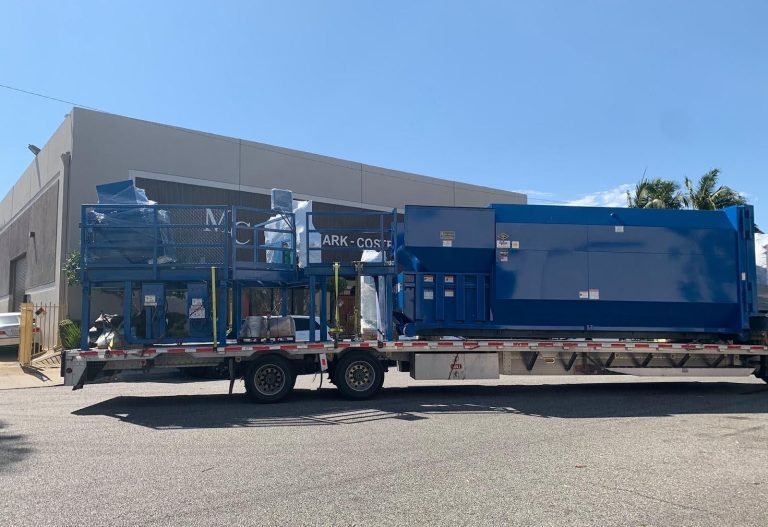
Waste isn’t just a byproduct—it’s a challenge that every industry, municipality, and commercial facility faces daily. As waste volumes grow with expanding business operations, outdated disposal methods are proving to be inadequate, both in terms of efficiency and sustainability. Overflowing dumpsters, high transport costs, limited landfill space, and unsanitary work environments are becoming common problems. That’s where hydraulic waste compactors come in. These machines are changing the way businesses manage waste by offering efficient, space-saving, and cost-effective solutions that deliver long-term value. In this in-depth guide, we’ll break down what hydraulic compactors are, how they work, the benefits they offer, and why The Mark-Costello Co. is the go-to partner for upgrading your waste management system. What is a Hydraulic Waste Compactor? At its core, a hydraulic waste compactor is a specialized machine designed to compress large volumes of waste into smaller, more manageable forms. Using hydraulic pressure instead of manual or mechanical means, these machines generate significant force to reduce waste size quickly and consistently. Hydraulic compactors are engineered to handle a wide range of waste streams, including: Cardboard and paper Plastic and foam Packaging materials Food and organic waste Light metal materials Non-hazardous industrial waste Types of Hydraulic Compactors There are several types of compactors available, each designed to suit different operational needs: Vertical Hydraulic Compactors: Best suited for locations with limited floor space, such as retail stores and restaurants. These compactors use a top-down mechanism and can be operated easily by a single user. Horizontal Hydraulic Compactors: Designed for facilities with high volumes of waste, such as manufacturing plants and distribution centers. These machines offer continuous loading and automated operation. Self-Contained Hydraulic Compactors: Ideal for handling wet or putrescible waste like food scraps. These units are sealed and integrated with the waste container, preventing leaks and odor issues. Stationary Hydraulic Compactors: Perfect for dry waste, especially bulky items like packaging and crates. The compactor stays in place while detachable containers are hauled away. With different configurations and features available, hydraulic compactors are a customizable and versatile solution for virtually any industry that handles consistent waste output. How Hydraulic Waste Compactors Work The key advantage of a hydraulic compactor lies in its ability to apply a tremendous amount of pressure through hydraulic fluid dynamics. Here’s a look at the main components and how they work together: The Core System Hydraulic Pump: This is the heart of the system, responsible for pressurizing the hydraulic fluid (usually oil). Cylinders and Pistons: These components convert hydraulic pressure into mechanical force, allowing the press to compact the waste. Control Panel: Operators use this panel to initiate and manage the compaction process. Safety Sensors and Interlocks: Modern compactors are equipped with emergency stops and fail-safe mechanisms to prevent injury and machine damage. The Compaction Process Loading the Waste: Material is loaded into the feed chamber, either manually or via conveyor systems. Hydraulic Activation: The operator engages the hydraulic system, which activates the pistons. Compaction: The waste is compressed against a steel plate, reducing its volume significantly. Ejection and Storage: Once compacted, the waste is moved into a container or bin, ready for storage or pickup. This process dramatically reduces the size of the waste, making it easier and cheaper to store, transport, and dispose of. Why Compaction Matters More Than Ever Waste management is no longer just about getting rid of trash. It’s about doing it responsibly, efficiently, and in ways that support a business’s operational goals and environmental values. That’s why hydraulic compactors are becoming a key part of industrial infrastructure. They offer a solution to some of today’s biggest waste challenges: Rising disposal costs Limited space in dumpsters and containers Increasing regulatory pressure to reduce landfill waste The demand for cleaner, more sanitary work environments Whether you’re a logistics facility shipping thousands of boxes a day or a healthcare facility dealing with a mix of paper, plastics, and organic materials, compaction can streamline your operations, reduce overhead, and help meet sustainability goals. The Key Benefits of Hydraulic Waste Compactors: Let’s explore in greater detail the top reasons businesses are investing in hydraulic waste compactors. Maximum Waste Compression: The most immediate benefit is also the most obvious—superior compaction. Hydraulic systems generate far more pressure than manual systems, allowing for: Greater volume reduction (up to 90% depending on the material) Denser bales or blocks of waste Increased payload per haul, reducing the number of pickups required This translates directly into fewer dumpster loads, less space taken up by waste, and fewer trucks on the road. Safer Work Environments: Hydraulic compactors are designed with safety in mind. Manual waste handling can lead to injuries such as strains, cuts, and even contamination in some industries. By automating the compaction process, employees are less exposed to these risks. Advanced safety features include: Emergency stop buttons Auto shut-off if doors are open Pressure limiters to prevent overloading Lockable access doors This makes them ideal for use in schools, hospitals, grocery stores, and other environments where safety is a top priority. More Sanitary and Organized Facilities: Loose waste is not only messy—it can also attract pests, release unpleasant odors, and create slipping hazards. Compacted waste is sealed, stacked, and contained, which helps maintain: Cleaner loading docks and storage areas Improved air quality and fewer odor complaints More space for productive activity, not trash This is especially important for industries dealing with food waste, such as hotels, restaurants, supermarkets, and cafeterias. Lower Disposal and Transport Costs: Hydraulic compactors cut hauling costs by reducing how often you need pickups. Transport companies often charge by volume, not just weight—so by shrinking your waste footprint, you reduce bills across the board. Other cost-saving advantages include Less need for extra dumpsters Lower fuel usage in transport Reduced labor time spent handling waste Over time, this creates significant ROI, especially for high-waste environments. Sustainability and Environmental Compliance: Sustainability isn’t just good PR—it’s becoming a legal and financial requirement in many industries. Compacting waste helps businesses: Reduce landfill contributions Support recycling efforts Lower carbon emissions …
Continue reading “Hydraulic Waste Compactor Benefits For Enhanced Waste Compression And Disposal”