
Industrial Garbage Compactor
Introducing the Industrial Garbage Compactor Advantage
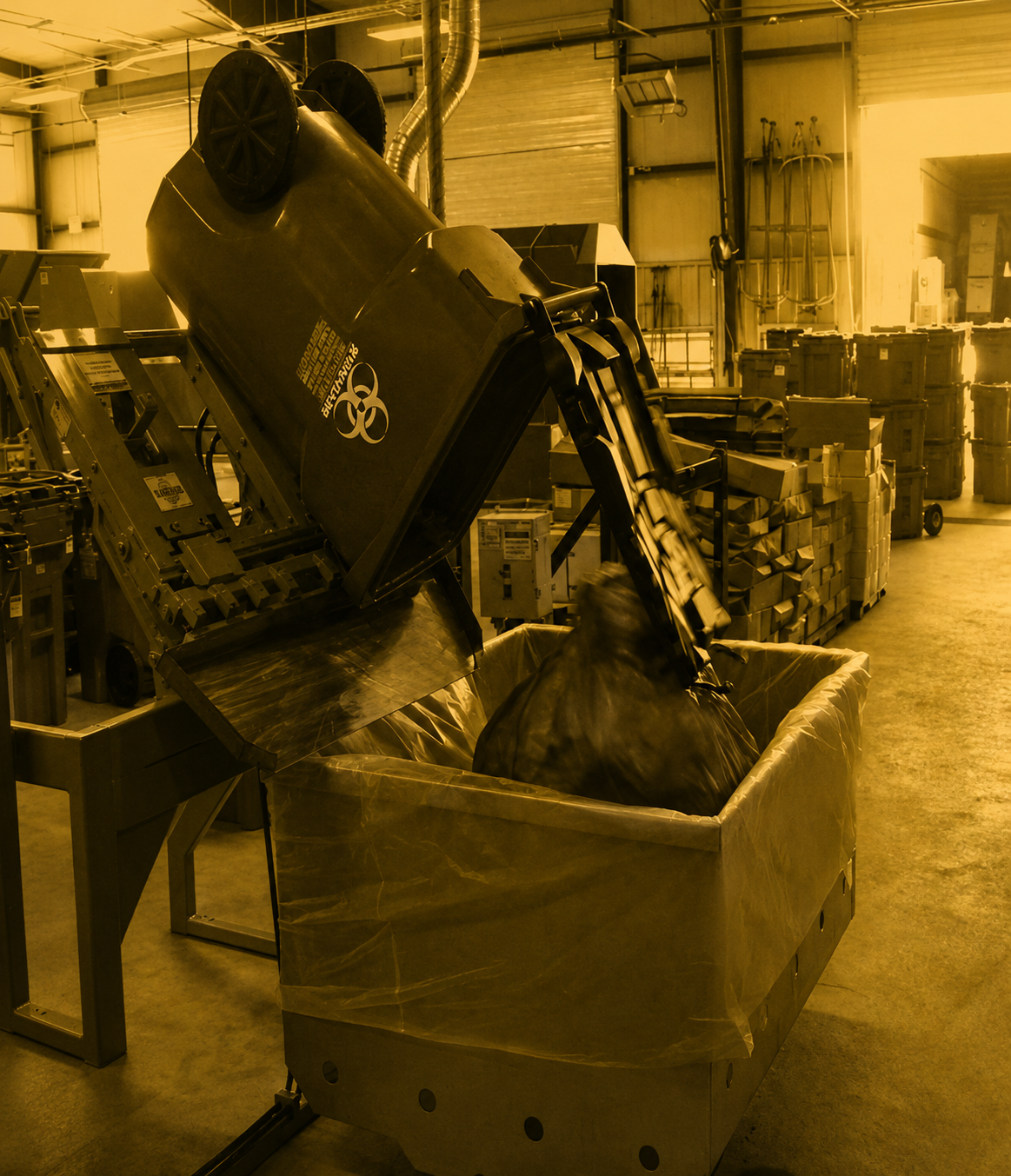
Waste management challenges grow larger every day for manufacturing plants, distribution hubs, retail centers, and institutional facilities.
When space constraints tighten, disposal costs rise, and operations slow due to overflowing dumpsters, the answer often lies in investing in an industrial garbage compactor that brings order, efficiency, and cost-control. At The Mark-Costello Co., we understand how a well-engineered compactor transforms waste handling from a burden into a strategic asset.
When you specify an industrial garbage compactor, you’re choosing to reduce volume, optimise logistics, and free up valuable real estate for productive use. This introduction sets the stage: what the machine does, why now is the right time, and how it fits into the bigger picture of facility operations and sustainability.
How an Industrial Garbage Compactor Works & What to Consider
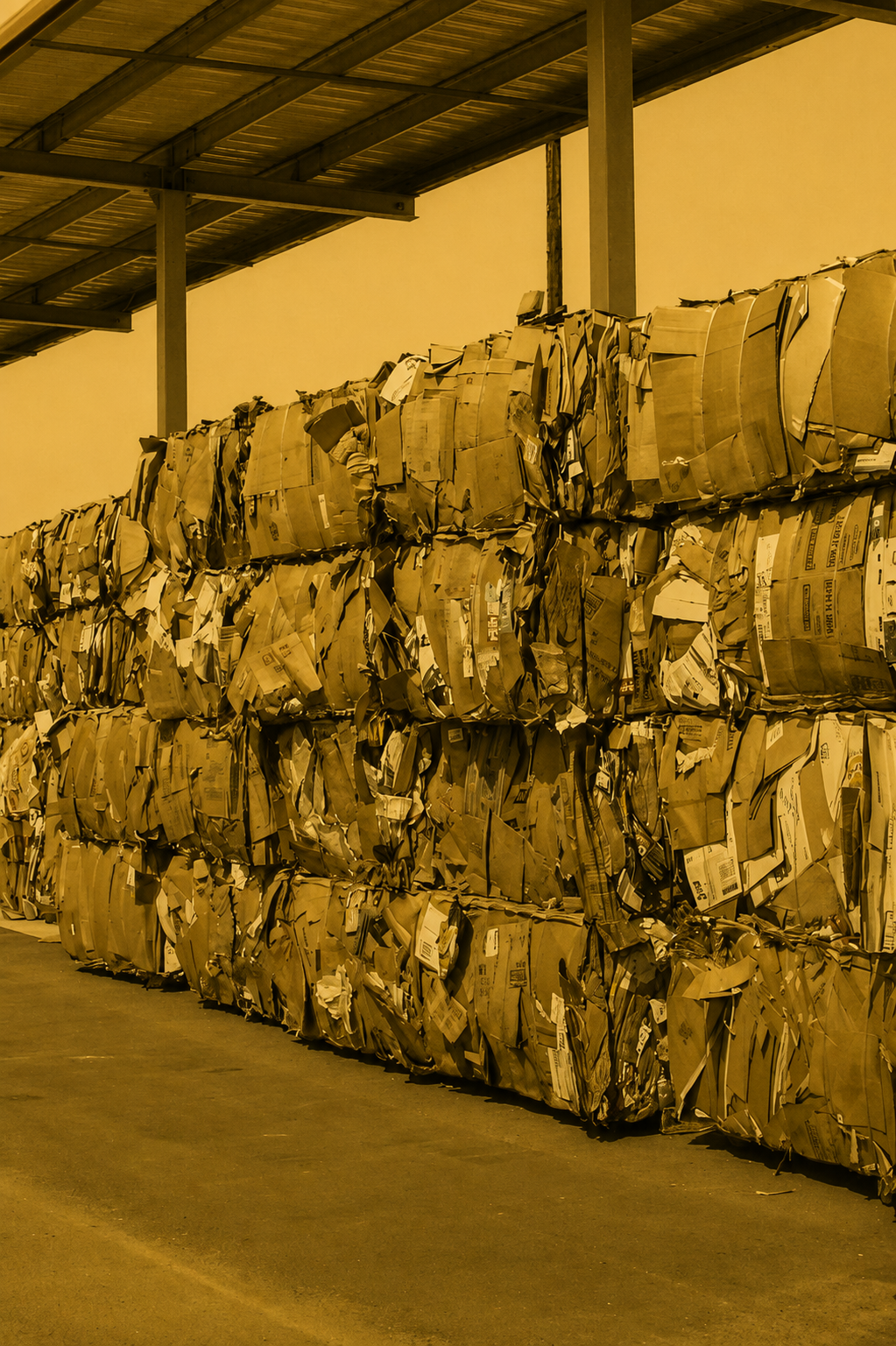
An industrial garbage compactor essentially uses hydraulic or mechanical force to compress loose waste into a denser, more manageable block or container form.
The process is straightforward, but its impact is substantial. Here’s how it works, and what to evaluate when selecting one: Mechanics of compression – Waste is loaded into the hopper or container; the ram or plate compresses the material, reducing volume by as much as 70-80 %. This is one of the biggest immediate gains.
Design types – Stationary compactors, self-contained units, and transfer systems differ in arrangement and footprint. For example, facilities with frequent truck pickups may opt for a large self-contained unit, whereas a high-volume manufacturing site may favour a heavy-duty stationary compactor.
Space & logistics – Evaluate available floor space, clearance for loading, lift-truck or conveyor access, and the routing of waste to the compactor. Also consider the location of service and collection vehicles.
Material compatibility – Ensure the compactor you select handles the types of waste generated (e.g., cardboard, plastics, general refuse, wet waste) safely and effectively. Some machines are rated only for dry, non-hazardous materials.
Service & maintenance – A well-designed machine will have easy access for maintenance, replaceable parts, and a service plan. This helps avoid downtime and costly unplanned repairs.
Cost and savings dynamics – Up-front investment is justified by reduced transport fees, fewer pickups, lower labour for handling loose waste, and freed-up space for productive use. In many cases, return-on-investment is achieved in 12-24 months.
Compliance & sustainability factors – Many jurisdictions push for better waste diversion and volume reduction. A properly selected industrial garbage compactor supports these objectives, helps prevent overflow and related citations, and aligns with corporate environmental goals.
By paying attention to these points, facility managers can ensure the machine selected delivers optimal performance, integrates seamlessly, and becomes a long-term asset.
Why Choose Us
Decades of Experience
Mark Costello has been a trusted name in waste management for decades, delivering reliable and effective solutions that businesses count on.
Cutting-Edge Technology
Using the latest technology, We ensures that waste management systems are efficient and up to industry standards, from food digesters to compactors.
Customized Solutions
At Mark Costello,we provides tailored waste management solutions that fit each business’s unique needs, ensuring a smooth integration into existing operations.
Focused on Sustainability
Mark Costello is dedicated to helping businesses achieve their sustainability goals by turning waste into valuable resources, supporting a greener future.
Why Choose Our Platform and Next Steps to Implement
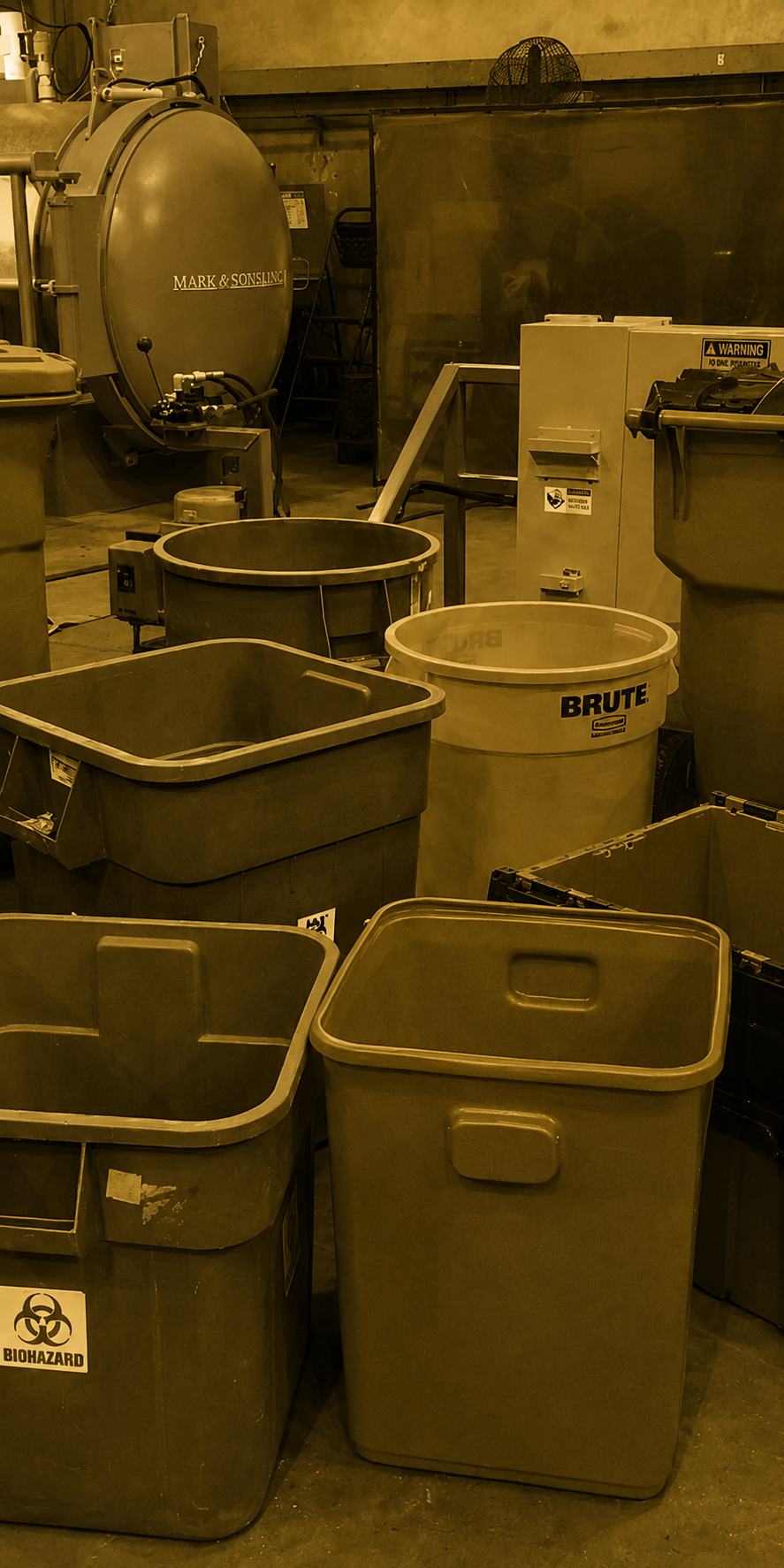
When selecting an industrial garbage compactor, your partner matters as much as the machine itself. In this regard, the approach offered by The Mark-Costello Co. makes the difference.
Trusted experience & engineered solutions With decades of experience, our team understands complex waste flows, facility-specific constraints, and regulatory environments. From system layout, power-pack selection, to loading access and container handling, each compactor solution is engineered, not just sized.
Wide range of equipment options Our catalogue covers compact vertical units to heavy-duty stationary and transfer-system compactors, as well as self-contained units for large-scale operations. This breadth ensures you get precisely the machine that fits your space, waste profile, and budget.
Service, parts & support Installation, commissioning, operator training, and preventive maintenance are part of the offering. Keeping a compactor performing at peak is critical; downtime directly affects costs and waste flow. We provide support to maintain uptime.
Tailored assessments and audits Not sure what size machine you need? We conduct audits of your waste stream, number of pickups, container types, building layout, and teach you how a compactor will deliver savings. Based on this, a model is recommended that aligns with your ROI targets.
Integration & future-proofing Modern compactors can tie into fullness sensors, automated notifications, cycle-control systems, and even remote monitoring. They prepare your waste-handling infrastructure for tomorrow’s demands. Our solutions include these options.
Implementation roadmap Initial survey – We visit your facility (or virtual consultation) to map waste flows, space, access, bins/trucks, power, and service frequency.
Recommendation & modelling – Based on your data, propose one or more systems, show projected savings, space impact, and payback period.
Installation & training – Once the machine is selected, we handle site prep, install the unit, connect to power/controls, and train your staff on safe operation and maintenance.
Ongoing support – We schedule preventive maintenance, provide spare parts guidance, and optimise cycle settings to keep the compactor working efficiently.
Client Testimonials
It’s been a great relationship with The Mark-Costello Company; they are very dependable to all of our waste handling requirements and have made us aware of the importance of recycling and the upcoming waste handling issues in the future.
Thank you for your services to our company. Your teamwork has been very attentive and diligent in the way it has been carried out. We are very pleased with the teamwork, the price and the quality of your services. We expect to continue an excellent business relationship with you in the near future.
The Model we operate is a AS 512 equipped with a unique “pull out drawer” making it easy for the Housekeeping Staff to load. This unit has a capacity of approximately 750 lbs. per cycle. We expect to keep our Mark-Costello autoclave in operation for another 8 years or longer!
Frequently Asked Questions
Here are answers to some of the most common questions we receive about Industrial Garbage Compactor and Services Provided by The Mark-Costello Co.
What materials can be processed using a plastic granulator machine?
Most thermoplastics can be processed using a granulator, including HDPE, LDPE, PP, PET, ABS, and PVC. The specific machine configuration depends on material properties like density, elasticity, and abrasiveness
How is a granulator different from a plastic shredder or grinder?
A shredder is used for coarse size reduction and is ideal for bulky or mixed materials. A grinder may pulverize material more finely. A granulator, on the other hand, produces uniform-sized granules with clean edges that are ready for reprocessing—making it ideal for closed-loop manufacturing systems.
How much noise does a plastic granulator produce during operation?
Granulators can be loud, especially high-capacity units. However, our machines are designed with sound-insulated housings and vibration-reduction features. Optional enclosures and silencers are available for noise-sensitive environments.
Can a granulator be integrated into an automated production line?
Absolutely. The Mark-Costello Co. provides integration services including automated feeding, PLC control systems, and remote monitoring. We design systems that work inline with molding, extrusion, or trimming equipment.
What size granules can the machine produce?
Typical output sizes range from 1/8 inch (3mm) to as small as 3/64 inch (1.2mm), depending on the screen used. We’ll help you select the right screen for your application to ensure compatibility with downstream equipment.
What kind of maintenance is required for a plastic granulator?
Regular blade inspection and sharpening, screen cleaning, and bearing checks are essential. Our machines are built for easy maintenance, and we offer