
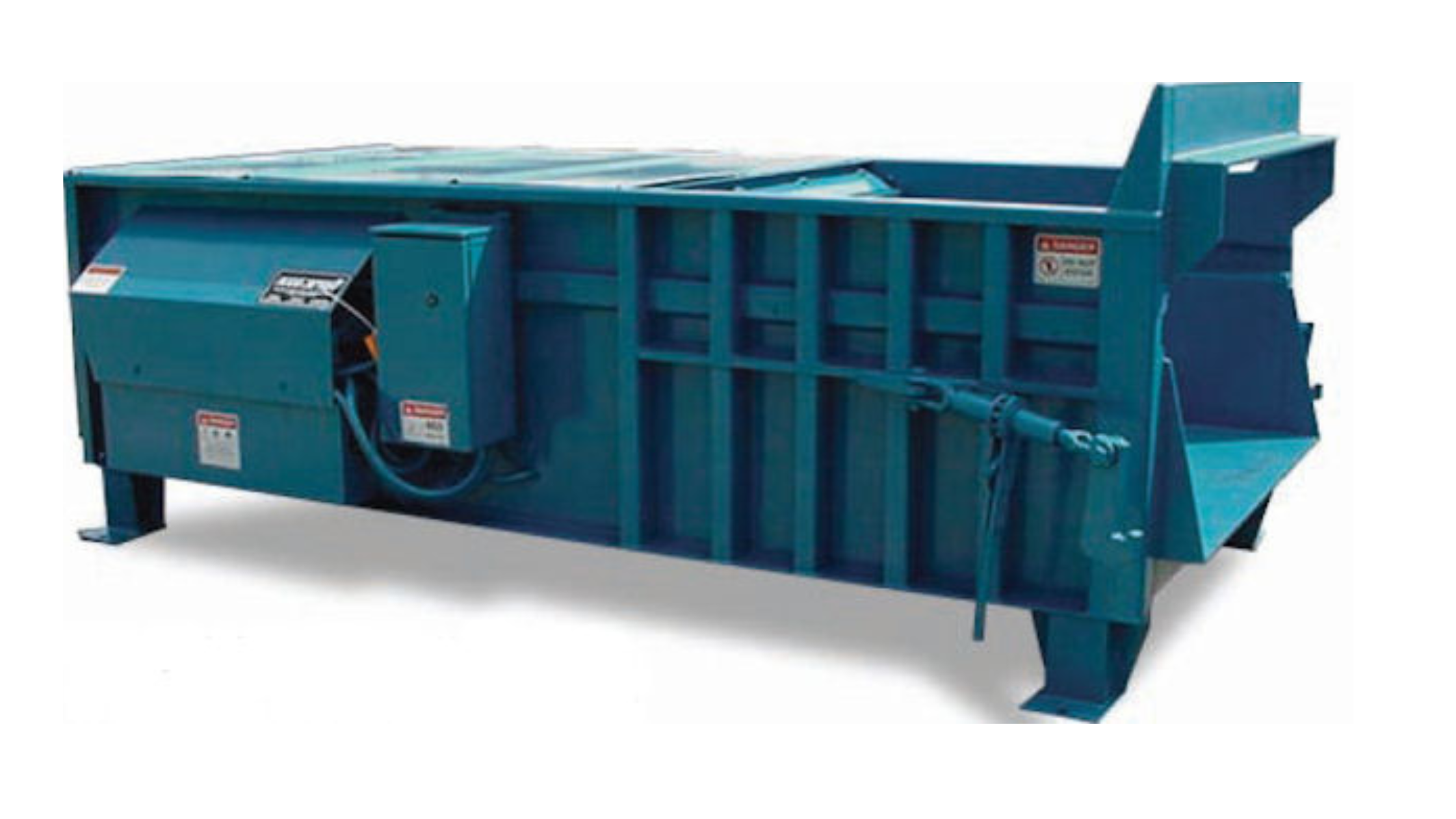
We all know that effective waste management is essential for the smooth operation of any facility, whether it’s a bustling warehouse, a high-traffic retail outlet, or a fast-paced industrial site. Proper waste management goes beyond simply keeping the floors clean; it plays a critical role in maintaining a safe work environment, meeting regulatory compliance, and creating a more productive space for employees. When waste piles up or is handled inefficiently, it can lead to safety hazards, unpleasant odors, and unnecessary clutter that slows down operations. That’s why having a reliable waste disposal system in place isn’t just a convenience, it’s a necessity for businesses that want to operate smoothly and sustainably.
Dealing with waste efficiently not only keeps your facility clean and organized, but it also has a direct impact on reducing operational costs and enhancing your environmental responsibility. When waste is allowed to accumulate or isn’t managed properly, it often leads to increased labor, higher hauling fees, and even penalties for non-compliance with local or state regulations. On the other hand, implementing a structured waste management plan can lead to significant savings over time. By compacting waste and minimizing its footprint, facilities can cut down on the number of pickups required, reduce the need for frequent cleaning or maintenance, and demonstrate a commitment to green practices, something that’s increasingly important to customers and stakeholders alike.
A stationary compactor can be a game-changer in this effort. These powerful machines are designed to compress large volumes of waste into tightly packed bales or containers, making storage and disposal much more manageable. Instead of dealing with overflowing dumpsters or frequent waste pickups, facilities with stationary compactors enjoy a streamlined waste process that minimizes disruptions to daily operations. Whether you’re dealing with cardboard boxes, plastic wrap, packaging materials, or general refuse, a stationary compactor dramatically reduces the volume of waste, making it easier to store and transport. It’s a smart solution for facilities that generate consistent levels of waste and want to maintain order and cleanliness without constant oversight.
However, choosing the right stationary compactor isn’t always straightforward. With a wide variety of models, sizes, and configurations available, the selection process can feel overwhelming, especially if you’re not entirely sure what your facility needs. Some compactors are designed for dry waste, while others can handle wet materials or mixed loads. You also need to consider the size of the waste stream, how often waste is collected, and how much space you have available for installation. The wrong choice could result in inefficiencies, increased maintenance, or even operational downtime. That’s why it’s crucial to assess your facility’s unique requirements before making a decision. Understanding the volume and type of waste you generate, the layout of your site, and your desired level of automation can help you narrow down your options to the most effective solution.
Let’s take a closer look at what you need to consider to find the perfect stationary compactor for your facility’s needs. From waste type and volume to space limitations and loading methods, each factor plays a role in choosing the right equipment. By evaluating these elements thoroughly, you’ll be better prepared to invest in a compactor that not only meets your current demands but also scales with your business as it grows. Whether you’re replacing an outdated system or implementing a new waste strategy from scratch, the right compactor can make a noticeable difference in your day-to-day operations, improving efficiency, reducing waste-related costs, and helping you meet your environmental goals.
Key Considerations for Choosing a Stationary
Selecting the right stationary compactor for your facility involves a thoughtful, multi-step evaluation of your waste management needs, operational limitations, and long-term goals. Making the best choice doesn’t just improve waste handling; it can also reduce operational costs, increase safety, and align with your facility’s environmental commitments. Below, we expand on the key factors you should consider to ensure your investment delivers both immediate and ongoing value.
First and foremost, it’s essential to assess the volume and type of waste your facility generates on a regular basis. Facilities that deal with large quantities of dense, heavy waste, such as manufacturing plants, distribution centers, or food processing facilities, typically require high-capacity compactors designed to handle continuous and demanding usage. These machines must be robust enough to compress materials like cardboard, wooden pallets, food scraps, or packaging waste without frequent service interruptions. Conversely, smaller facilities such as retail stores, office buildings, or hospitality venues may only need compactors with moderate capacity, as their waste streams tend to be lighter and less frequent. Taking the time to accurately quantify your waste volume and understanding its composition ensures you select a compactor that matches your operational output without over- or under-investing in equipment. This results in more efficient waste processing and fewer pickups, which can significantly lower disposal costs.The next crucial factor is space availability and installation logistics. Not every compactor fits every facility layout, so understanding your physical constraints is vital. Begin by evaluating the designated waste management area to determine how much room you can allocate for a stationary compactor. You’ll want to ensure there’s enough clearance for both the compactor itself and for the collection trucks that will service it. This includes access routes, maneuverability, and any necessary safety buffers. If the space is limited, compact models with vertical configurations or smaller footprints may be ideal. Additionally, consider whether the compactor will be placed inside a building or outdoors, as this will influence the model you choose. Outdoor units need to be weather-resistant and securely enclosed, while indoor units should be well-ventilated and compatible with your facility’s infrastructure. Don’t overlook installation requirements such as proximity to electrical hookups, foundation preparation, or any custom anchoring or chute systems that may be needed for efficient operation. Accounting for these details early in the planning process can help avoid costly delays and modifications later.
Environmental considerations and regulatory compliance are also pivotal in the selection process. With increasing pressure to reduce environmental footprints and comply with sustainability initiatives, choosing a compactor that aligns with your eco-friendly goals is more important than ever. Many modern stationary compactors are designed to optimize energy use through programmable logic controls, variable-speed motors, or energy-efficient hydraulic systems, reducing your overall consumption without compromising performance. Facilities aiming to divert waste from landfills should look for compactors that integrate easily with recycling programs, allowing for the separation and processing of recyclable materials like plastics, cardboard, or metals. Equally important is compliance with local, state, and federal waste management regulations. Depending on your industry and location, certain features, such as leak-proof construction for wet waste, odor control systems, or load monitoring sensors, may be required. Failing to meet these standards can lead to fines or operational setbacks, so working with a reputable vendor who understands the regulatory landscape can help you stay in full compliance.
Exploring Different Types of Stationary Compactors
When it comes to stationary compactors, The Mark Costello Company offers a range of robust, high-performance options designed to meet the diverse operational demands of modern facilities. Whether it’s a manufacturing plant, a distribution center, a commercial building, or a food processing unit, waste management needs vary significantly depending on the nature of operations and the volume and type of waste produced. That’s why The Mark Costello Company engineers its stationary compactors to address these unique requirements, ensuring each unit is optimized for efficiency, safety, and long-term performance. These compactors are purpose-built not only to reduce the volume of waste but also to streamline the disposal process, cut down hauling costs, and support environmental compliance. By offering different models, each geared toward specific waste streams, The Mark Costello Company empowers facilities to handle waste responsibly and cost-effectively.
- Vertical Compactors for General Waste and Recyclables: Vertical compactors are a smart, space-saving solution for businesses that produce a moderate amount of general waste and recyclable materials regularly. These compactors operate by compressing waste from the top down, utilizing a vertical ram that applies pressure to reduce the volume of refuse. This downward compaction method is particularly effective for compressing loose, bulky waste like packaging, office trash, or light industrial refuse. One of the most appealing features of vertical compactors is their compact footprint, which allows them to be installed in tight areas such as loading docks, utility corridors, or small waste rooms, spaces where a horizontal unit might not fit.Their user-friendly design makes them accessible to a wide range of personnel, requiring minimal training and maintenance. They often include safety interlocks and intuitive control panels, promoting ease of use while prioritizing operator safety. Additionally, vertical compactors can be configured with options for handling different types of recyclable waste, making them a versatile addition for businesses looking to improve sustainability without overhauling existing operations. They are especially valuable for restaurants, retail outlets, office buildings, and healthcare facilities where waste needs to be contained cleanly and efficiently without occupying excessive floor space.
- Horizontal Compactors for Large Volumes of Industrial or Commercial Waste: In high-output environments where waste is generated in substantial quantities, horizontal compactors provide the muscle needed to keep operations running smoothly. These machines are specifically designed to manage large, continuous waste streams typical of manufacturing plants, large distribution warehouses, and big-box retailers. Unlike vertical compactors that require periodic loading and unloading, horizontal compactors support continuous feed mechanisms, making them ideal for environments where waste is generated around the clock. Their side-to-side compaction process allows for larger hopper openings, enabling more materials to be fed in quickly, often via conveyor systems or chute-fed setups.This design not only boosts operational efficiency but also greatly reduces the frequency of waste pickups. Since the waste is compacted into large, dense containers, hauls can be scheduled less often, saving both time and money. These compactors are constructed using industrial-grade steel and high-strength hydraulic components, ensuring they withstand repeated heavy use and harsh conditions. With fewer interruptions for waste disposal, businesses can keep their workflows uninterrupted and their premises clean and compliant. Horizontal compactors can also be customized with features such as automatic cycling, odor control systems, and remote monitoring capabilities, giving facility managers more control and visibility over their waste operations.
- Specialty Compactors for Specific Materials: For organizations that produce specialized waste streams, The Mark Costello Company offers a suite of specialty compactors designed to handle materials that standard compactors might struggle with. These include dedicated units for cardboard, plastic, food waste, and other recyclables or organic materials. Cardboard compactors, for instance, are fine-tuned to deal with high volumes of corrugated waste from packaging operations. They compress the lightweight but bulky material into tightly bound bales that are easier to stack, store, and transport for recycling, helping businesses lower disposal costs while supporting their environmental commitments.Plastic compactors are equally essential for operations that generate PET bottles, shrink wrap, or other plastic packaging waste. These machines ensure that plastic waste is densely compressed, reducing the volume for storage and pickup and making it easier to route materials to recycling centers. In the food industry, organic waste presents unique challenges, especially in terms of odor control, pest prevention, and sanitation. Food waste compactors are specifically engineered to manage wet, decomposable material by applying sealed containers, advanced venting systems, and anti-drip designs that maintain hygiene and prevent infestation. By separating and compacting food waste at the source, restaurants, cafeterias, grocery stores, and food processors can maintain cleaner work environments and adhere to waste diversion regulations more easily. Specialty compactors ultimately help businesses tailor their waste handling processes to their specific waste streams, improving operational efficiency while minimizing environmental impact.
- Tips for Smooth Installation and Implementation: Installing a stationary compactor is a strategic investment that requires thoughtful planning and coordination to ensure its effectiveness and longevity. The first step is conducting a comprehensive site assessment to evaluate where the compactor should be located. Ideal placement ensures easy access for employees who load waste into the machine and also allows haulers to remove compacted material without disrupting facility operations. Factors such as existing infrastructure, traffic flow, and noise sensitivity should all be considered in this planning phase.Equally important are the physical installation requirements. Every compactor needs a stable, level foundation and the appropriate utility hookups, whether electric, hydraulic, or both. It’s crucial to coordinate with your facility maintenance or engineering teams and, if necessary, local utility providers to ensure all connections are ready in advance. Installation should be handled by certified technicians who can ensure the unit is anchored properly and configured according to both manufacturer specifications and local safety codes.
Why Choose Mark Costello for Your Stationary Compactor Needs
At The Mark-Costello Company, we specialize in delivering high-performance stationary compactor solutions that are thoughtfully engineered to meet the unique operational demands of each facility we serve. Whether you manage a commercial building, industrial site, retail complex, or healthcare institution, our team works closely with you to design and implement a system that fits seamlessly into your existing workflow. We understand that no two waste streams are alike, and our ability to customize each compactor ensures that your facility benefits from an optimized waste handling process that is both reliable and scalable as your needs grow.
Our stationary compactors can be tailored to address a variety of factors that influence waste management efficiency, including the volume and type of waste produced, the physical layout of your space, and the frequency of waste collection. From compactors equipped with loading hoppers and cart tippers to advanced control systems and remote monitoring capabilities, we integrate the right features to match your operational requirements. Our engineering team is skilled at overcoming space constraints and logistical challenges, ensuring that your compactor installation not only fits your facility but also enhances daily operations by streamlining disposal tasks and reducing the need for manual labor.
To ensure your compactor operates at peak performance throughout its service life, we offer comprehensive maintenance and support plans. These include routine inspections, lubrication, performance checks, and timely preventive maintenance that helps identify and address minor issues before they become costly repairs. Our service technicians are factory-trained and equipped with the latest tools and diagnostic equipment, enabling them to provide fast, accurate service that minimizes downtime. By enrolling in one of our service agreements, many of our clients have reported fewer breakdowns, lower total cost of ownership, and improved operational continuity.
What truly sets The Mark-Costello Company apart is the proven success of our installations across diverse industries. Our extensive portfolio of client testimonials and detailed case studies demonstrates how our stationary compactors have consistently delivered measurable results. From reducing hauling frequency and landfill fees to boosting workplace safety and sanitation, our compactors have helped clients realize substantial improvements in overall waste management. These stories of success not only validate our engineering and customer service standards but also reflect our long-standing commitment to helping organizations manage waste more efficiently and sustainably.
Let us help you create a cleaner, more cost-effective, and operationally efficient facility with a stationary compactor solution built for your exact needs.
Conclusion

Michael Kelleher is an experienced content strategist at The Mark-Costello Co, with over five years of expertise in creating compelling, data-driven content for diverse industries. His focus on delivering high-quality blog posts and content strategies has helped businesses elevate their online presence and connect with their target audience effectively.