
Apartment Trash Compactor
Apartment Trash Compactor: Streamline Waste, Maximize Space!
Apartment Trash Compactor: Efficient Waste Management for Multi-Unit Buildings
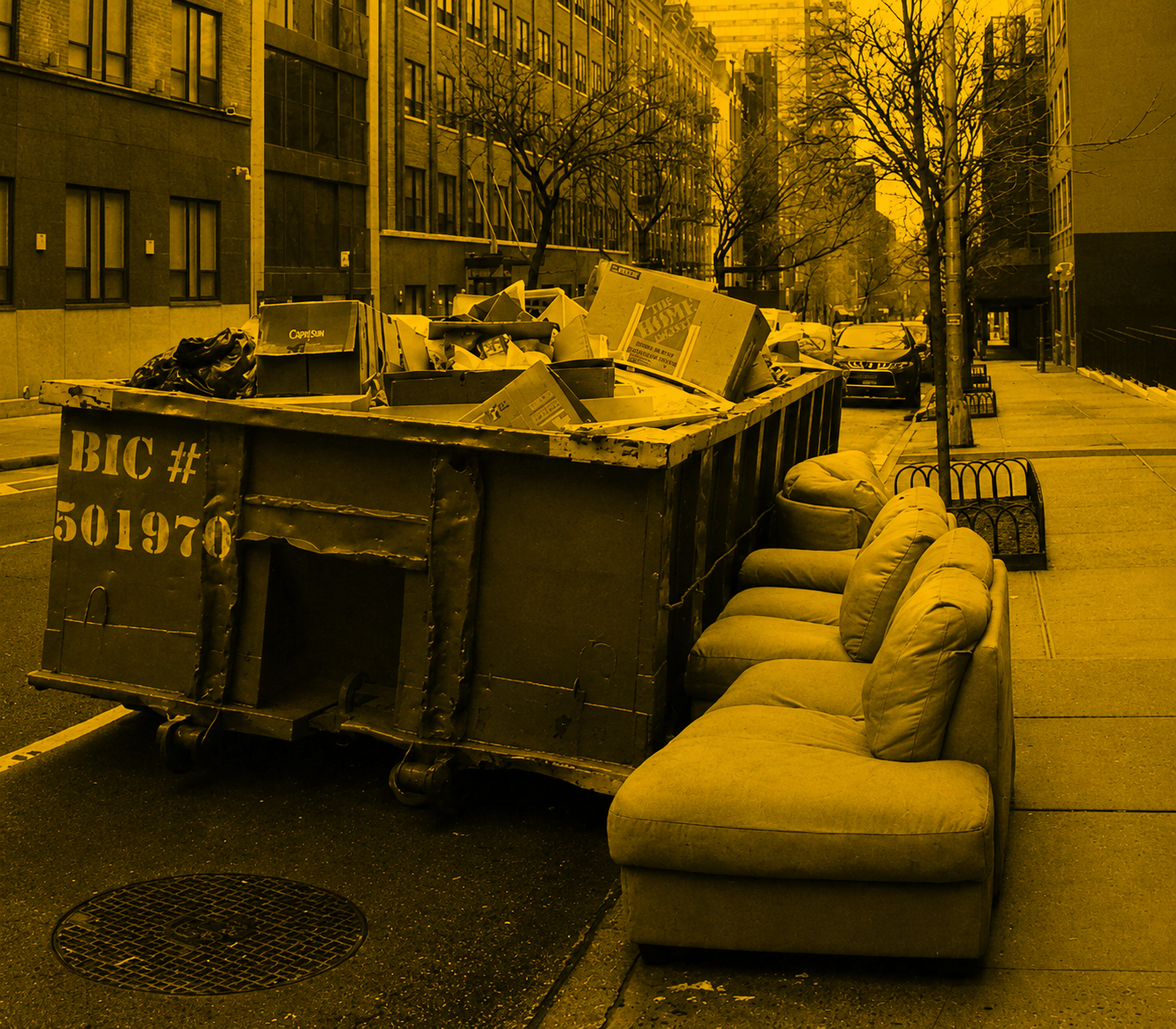
When selecting a trash compactor provider for an apartment building, managers should prioritize companies that offer a combination of industry experience, cutting-edge technology, and a strong understanding of the unique needs of multi-unit residential environments. It's not just about the equipment—it’s also about long-term reliability, safety features, and how well the system integrates into the existing infrastructure. High-quality providers should offer full-service support, including site evaluations, custom configurations, routine maintenance, and responsive customer service.
The Mark-Costello Co. stands out as a trusted name in this space, with over 70 years of experience delivering waste management solutions across the country. Their apartment trash compactors are engineered to handle high volumes of waste efficiently while minimizing space usage and maintenance requirements. Each unit is built with durable materials and modern safety controls to ensure smooth and secure operation. Additionally, Mark-Costello places a strong emphasis on sustainability—designing systems that help reduce overall waste output, lower hauling costs, and support greener property management practices. By choosing a provider like Mark-Costello, property managers can be confident they're investing in a long-term solution that enhances cleanliness, efficiency, and resident satisfaction.
Challenges and Solutions with Trash Compactors
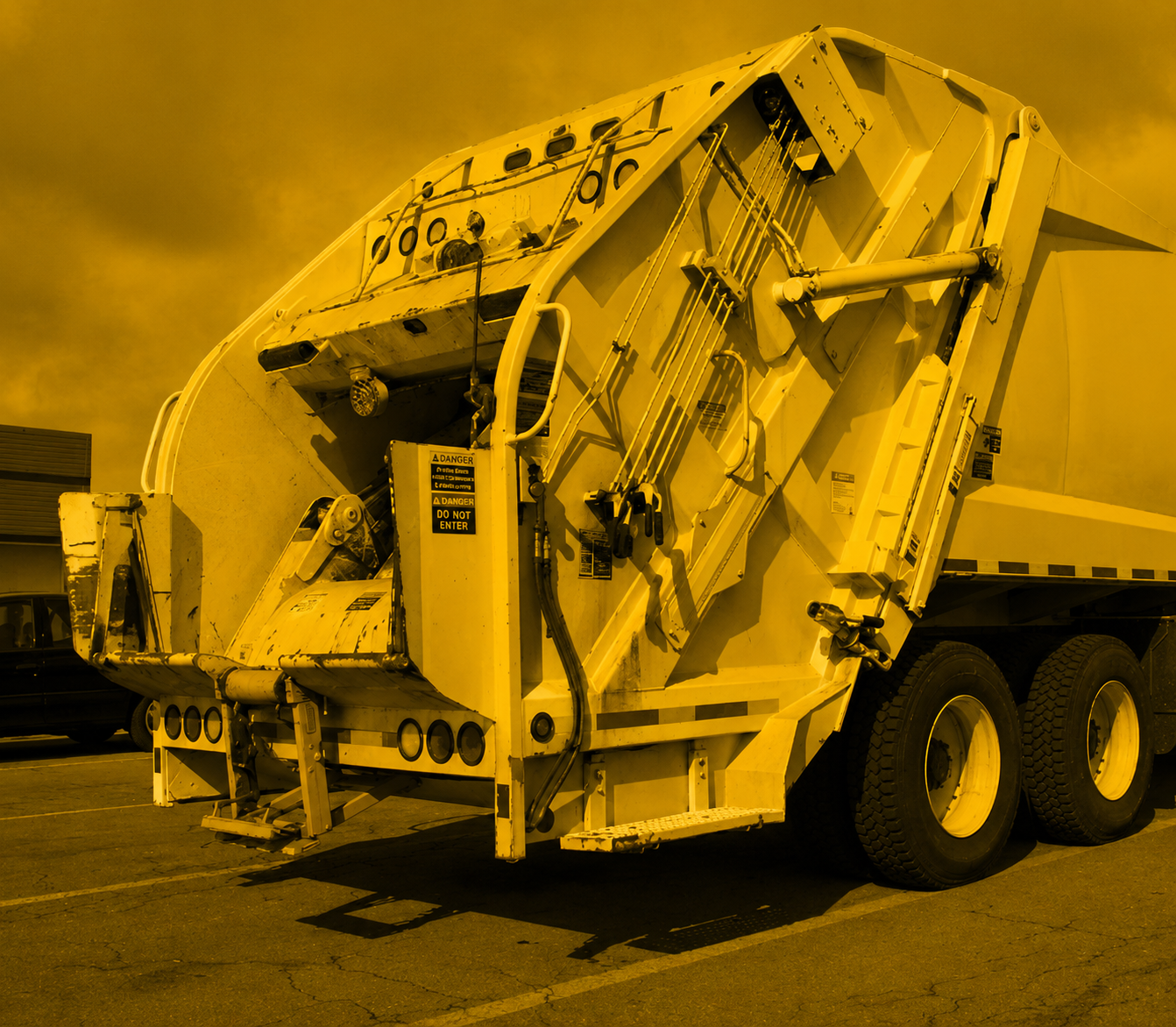
Managing waste in apartment buildings is an ongoing logistical challenge that grows with the number of residents and the frequency of trash disposal needs. In multi-unit complexes, especially those in densely populated urban areas, the volume of daily waste can be staggering. Left unmanaged or poorly addressed, this constant influx of garbage can lead to overflowing bins, unsightly trash rooms, strong odors, and a breeding ground for pests like rodents and insects. These problems not only pose sanitation and health risks but also impact resident satisfaction and can degrade the property’s overall appearance and value.
One of the most effective ways to tackle this challenge is through the use of apartment trash compactors. These machines are designed to compress large volumes of waste into much smaller, manageable sizes using powerful hydraulic or mechanical pressure. By compacting the trash, property managers can dramatically reduce the number of trips needed to remove garbage from the premises. This not only cuts down on hauling costs but also minimizes labor required for waste management. Additionally, compacted trash takes up significantly less space, which is especially valuable in buildings with limited waste storage areas.
Beyond the practical benefits of space-saving and cost reduction, trash compactors contribute to a cleaner, more organized environment. Instead of overflowing bins, trash rooms stay tidy and easier to maintain. Odors are controlled more effectively since compactors often include sealed containers or odor-suppressing mechanisms. Fewer exposed trash bags also mean less attraction for pests, helping to maintain higher hygiene standards throughout the building. Moreover, trash compactors support sustainability goals. By reducing the number of waste pickups required, they help decrease the carbon footprint associated with waste transportation. Some advanced models even offer recycling capabilities or work in tandem with recycling programs, further encouraging environmentally responsible habits within the apartment community.
In commercial or mixed-use residential buildings—where trash generation is heavier due to retail spaces, food establishments, or high tenant turnover—compactors become even more vital. Their ability to handle frequent, high-volume loads makes them a necessary investment for maintaining smooth operations and avoiding frequent interruptions from overflowing trash areas.
Why Choose Us
Decades of Experience
Mark Costello has been a trusted name in waste management for decades, delivering reliable and effective solutions that businesses count on.
Cutting-Edge Technology
Using the latest technology, We ensures that waste management systems are efficient and up to industry standards, from food digesters to compactors.
Customized Solutions
At Mark Costello,we provides tailored waste management solutions that fit each business’s unique needs, ensuring a smooth integration into existing operations.
Focused on Sustainability
Mark Costello is dedicated to helping businesses achieve their sustainability goals by turning waste into valuable resources, supporting a greener future.
Why Choose The Mark Costello Co. for Your Apartment Trash Compactor Needs
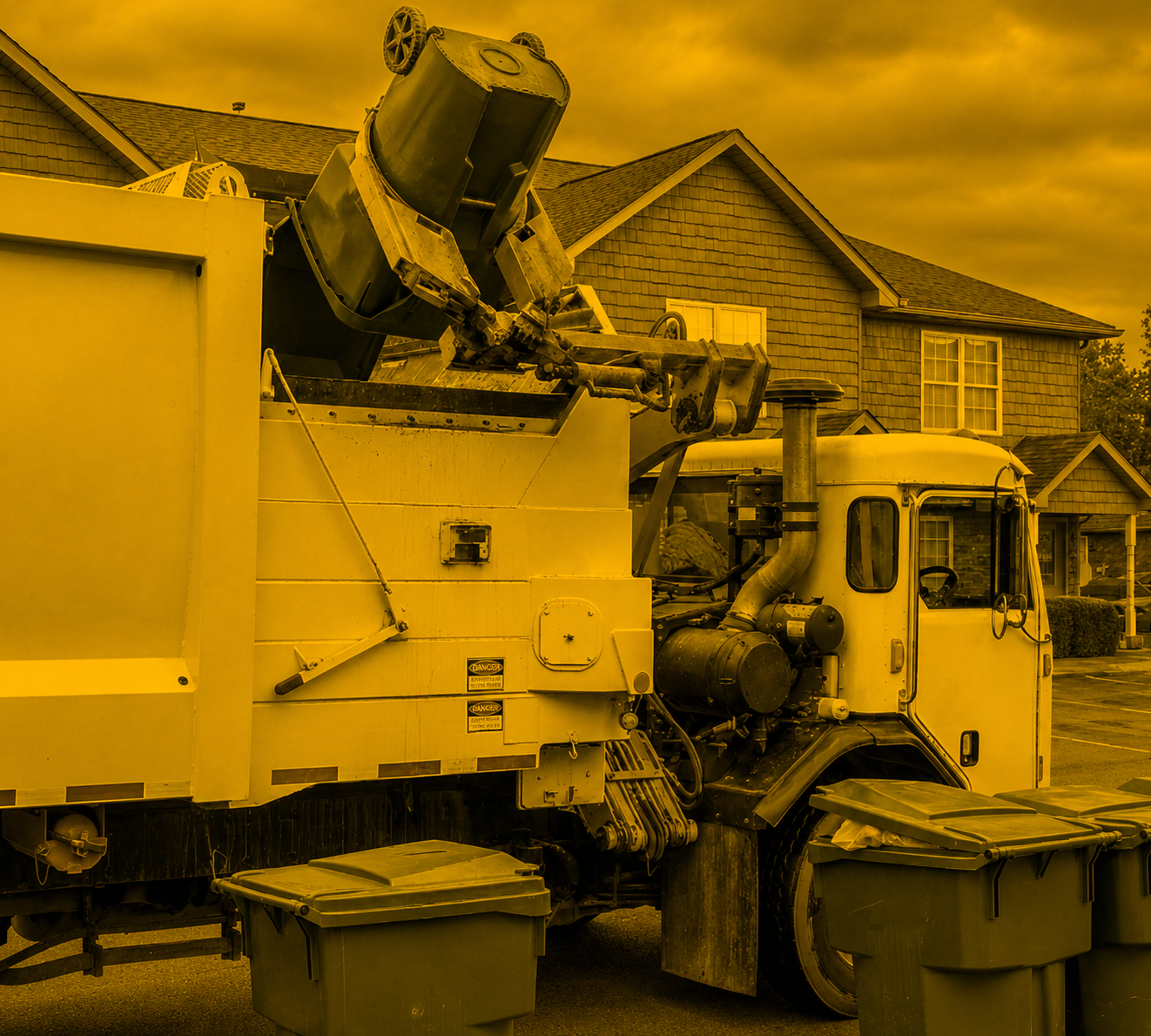
The Mark Costello Co. is a trusted leader in the waste management industry, known for delivering innovative trash compactors designed specifically for apartment buildings. With over sixty years of experience, we understand the daily challenges property managers face—overflowing bins, limited space, rising collection costs, and the constant pressure to keep common areas clean and odor-free. Our goal is to offer reliable, long-term waste solutions that reduce clutter, improve sanitation, and streamline building operations.
Our apartment trash compactors are built for efficiency and durability, making them ideal for both small residential buildings and large multi-unit complexes. By compressing trash into smaller, manageable units, our machines help reduce the frequency of waste collection and lower associated hauling costs. This not only simplifies the work for building staff but also contributes to a more organized and professional appearance for your property. Each compactor is engineered with high-performance components to ensure it can handle daily use in even the busiest urban environments.
Sustainability is at the core of what we do. Our compactors play a key role in supporting environmentally responsible building management. By reducing waste volume and minimizing the number of trash pickups, they help lower carbon emissions and decrease landfill impact. For property owners looking to promote eco-conscious living or qualify for green certifications, installing one of our systems is a meaningful step forward. Clean, contained waste areas also lead to fewer pests, less odor, and a more pleasant experience for tenants.
Every building is unique, which is why we offer tailored waste compaction solutions. Our systems come in a variety of sizes and configurations—including chute-fed and freestanding models—to meet the specific layout and capacity needs of your property. Whether you're working with a narrow utility room or a larger refuse area, our team will help design the right solution for your space. We also offer on-site consultations and expert installation to ensure everything runs smoothly from the start.
Send Us a Message
Send us a message with your questions or concerns and our team member will contact you. We’d love to hear from you.
Client Testimonials
It’s been a great relationship with The Mark-Costello Company; they are very dependable to all of our waste handling requirements and have made us aware of the importance of recycling and the upcoming waste handling issues in the future.
Thank you for your services to our company. Your teamwork has been very attentive and diligent in the way it has been carried out. We are very pleased with the teamwork, the price and the quality of your services. We expect to continue an excellent business relationship with you in the near future.
The Model we operate is a AS 512 equipped with a unique “pull out drawer” making it easy for the Housekeeping Staff to load. This unit has a capacity of approximately 750 lbs. per cycle. We expect to keep our Mark-Costello autoclave in operation for another 8 years or longer!
Frequently Asked Questions
Here are answers to some of the most common questions we receive about Apartment Trash Compactor and services provided by The Mark-Costello Co.
What is an apartment trash compactor, and how does it work?
An apartment trash compactor is a waste management device designed for multi-unit residential buildings. It uses hydraulic pressure to compress trash into smaller, denser volumes. By reducing the size of waste, compactors make disposal simpler and more efficient, minimizing the number of bags and pickup trips needed. They’re valuable in space-constrained environments, helping keep garbage areas neat and manageable
What are the main benefits of installing a trash compactor in an apartment complex?
Installing a trash compactor in an apartment building offers multiple advantages: it significantly reduces trash volume, leading to fewer pickups and lower hauling costs; it maintains a cleaner, more organized waste area; and it helps prevent unpleasant odors and pest infestations commonly associated with overflowing bins . These combined benefits enhance overall sanitation and resident satisfaction.
How does a trash compactor improve sanitation and cleanliness?
Trash compactors compress large amounts of garbage into compact units, dramatically decreasing the need for frequent bin emptying. This helps reduce overflows, eliminates unsightly trash piles, and cuts down on the spread of odors. Overall, compactors help maintain cleaner communal areas and support sustainable waste management practices
Are apartment trash compactors suitable for high-density or urban buildings?
Yes—trash compactors are particularly well-suited for urban and high-density apartment buildings where space is at a premium and garbage volume is high. Their ability to reduce waste size simplifies daily operations and offsets the logistical challenges of frequent pickup and disposal, offering a scalable solution for busy building environments
Can installing a compactor lead to cost savings for property owners?
Absolutely. By compacting trash, property managers can reduce the number of bags and collection trips required, which directly lowers hauling fees and operational workload. The increased efficiency in waste handling also translates to long-term savings on labor and maintenance costs
What should building managers consider when choosing a trash compactor provider?
Managers should look for providers with proven experience and high-tech compactor models tailored to multi-unit settings. The Mark‑Costello Co., for instance, emphasizes decades of experience, customized solutions, and sustainability-minded systems, ensuring efficient integration, robust performance, and long-term support